Quick Facts: Living in Temecula blends Southern California sunshine, award-winning wine country, and family-friendly suburbs, all at lower prices than the coast. The Riverside County city pairs the historic charm of Old Town with top-rated schools, hot air balloons, and 40-plus wineries. Summers run hot and the commute to San Diego or Orange County runs long, yet the value and lifestyle draw steady growth. For families seeking space, safety, and wine-country weekends, the value adds up fast.
Last updated: June 2026 | 8 min read
In This Guide
What Living in Temecula Is Like
Living in Temecula means trading coastal prices for space, sunshine, and a genuine wine-country backyard. Tucked into southwest Riverside County, the city sits about an hour from San Diego and ninety minutes from Los Angeles, which makes it a popular landing spot for families and commuters. Residents accept a longer drive to the coast in exchange for larger homes, strong schools, and weekend vineyards. This guide covers the cost of living, housing, jobs, climate, and lifestyle, plus the honest trade-offs.
Temecula suits a particular buyer. Growing families stretch their budgets here, since homes cost far less than comparable San Diego or Orange County options. Wine and outdoor lovers, meanwhile, gain 40-plus wineries, hot air balloon rides, and golf within minutes. To weigh your choices statewide, see our guide to the best places to live in California.
The numbers tell the story. According to the U.S. Census Bureau, the city’s population sits near 112,400, with a median age of about 37 and a median household income around 121,000 dollars, well above the state figure. Therefore the city reads as prosperous and family-oriented rather than transient. From a licensed California Realtor’s read of the southwest Riverside County market, Temecula pulls two buyer profiles at once: priced-out coastal families chasing square footage, and remote workers who keep a coastal salary while paying inland prices.
How we sourced this: figures below come from Redfin and Zillow (housing and rent), AAA (fuel), BestPlaces and Numbeo (cost indices), the U.S. Census Bureau (population and income), and Temecula Valley Unified plus Niche (schools), each cited inline and current as of mid-2026.
Living in Temecula at a Glance
| Factor | Detail |
|---|---|
| Population | ~113,000 |
| Median home price | ~$700,000 |
| Climate | Hot, dry summers; mild winters |
| Known for | Wine country, Old Town, hot air balloons |
| Schools | Top-rated (Temecula Valley USD) |
| Nearby | San Diego (~1 hr), Pechanga Resort |
Living in California TV
Watch weekly California market updates
Get home-sales trends, mortgage-rate moves, and city breakdowns from a licensed California Realtor.
Cost of Living
The cost of living sits above the national average, although it stays well below coastal Southern California. Temecula’s median home price hovers near 700,000 dollars, a relief next to San Diego or Orange County. Renters pay around 2,200 dollars for a one-bedroom, while families find more space per dollar than they would closer to the beach. Groceries, gas, and utilities still reflect California pricing, so careful budgeting helps. To see how the state compares, our California cost of living breakdown adds context.
For a clearer baseline, BestPlaces scores Temecula’s overall cost of living near 131 on its index, meaning daily costs run roughly 31 percent above the national average and a touch above the California state figure. Housing drives most of this gap, since the local median home value sits far above the typical American home. Because of this split, a household often feels squeezed on the mortgage while staying near average on everything else. Living in Temecula therefore works best for buyers who plan around the housing number first and treat the rest as manageable.
On the rent side, the picture is steadier. RentCafe data from early 2026 pegs the average one-bedroom apartment near 2,100 dollars and roughly 720 square feet, while most local rentals fall in the 2,000 to 2,500 dollar band. Renters who want a yard and a garage often jump to single-family rentals, which push higher. Still, those figures undercut comparable San Diego coastal submarkets, which is exactly why so many transplants test the waters as renters before they buy.
Day-to-day expenses round out the math. Numbeo and BestPlaces place basic utilities near 210 dollars a month, before air conditioning spikes the summer bill, and groceries sit above the national norm. Fuel stings the most for commuters. AAA logged California’s statewide average near 6 dollars a gallon in early summer 2026, and southwest Riverside County pumps tracked close behind. Consequently, anyone driving daily to the coast should fold a serious gas line into the budget.
Housing and the New-Build Market
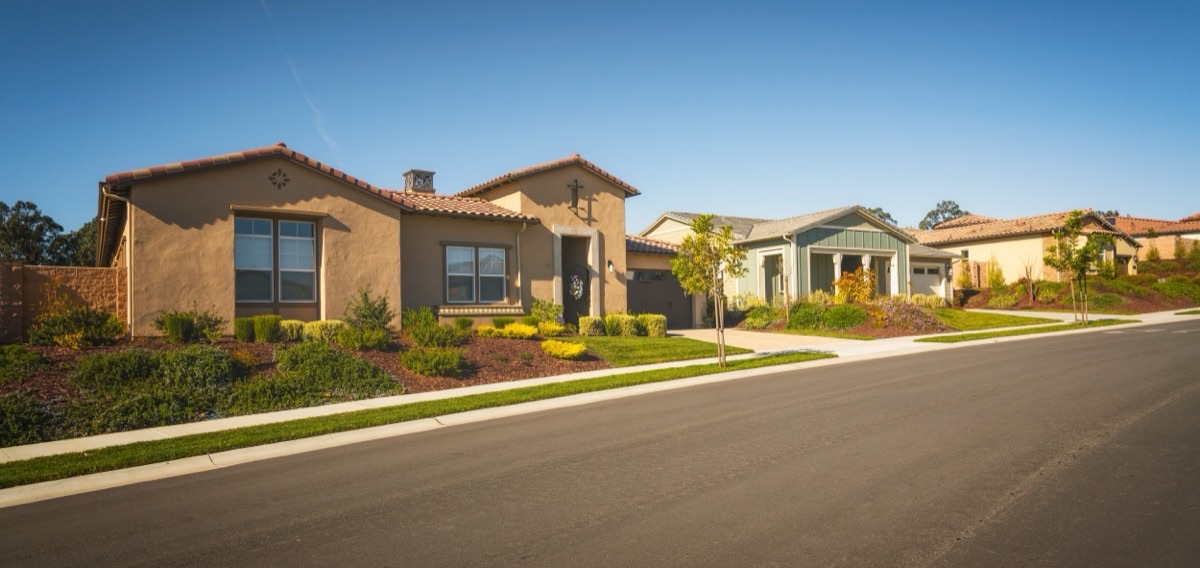
Housing leans toward newer, master-planned communities with parks, trails, and strong schools. Neighborhoods like Harveston, Redhawk, and the Wine Country estates offer everything from family tract homes to vineyard properties. Old Town Temecula adds historic charm and walkable dining, while newer developments continue on the city’s edges. Buyers get more square footage here than along the coast, although prices have climbed with demand. For growing families, the master-planned north and east sides top most shortlists.
The current market favors patient buyers more than it did during the frenzy years. Redfin reported a Temecula median sale price near 693,000 dollars in early 2026, down modestly year over year, with homes sitting closer to 80 days on market versus roughly 40 the year before. As a result, sellers have lost some leverage, and well-prepared buyers now negotiate on price and concessions. By ZIP code, the 92592 area south and east of town ran higher near 775,000 dollars, while the 92591 core sat near 743,000 dollars, a reminder of how much the postal code matters next to the city line.
New construction remains a defining feature of living in Temecula. National builders continue to open phases on the city’s edges and across the line in neighboring Murrieta, offering modern floor plans, energy-efficient systems, and solar arrays California now requires on new homes. These communities frequently carry Mello-Roos special taxes and homeowners association dues, though, which add a few hundred dollars to the monthly carrying cost. Buyers therefore need to read the tax bill, not only the list price, before they decide a new build truly beats a resale.
Neighborhoods Overview
Temecula breaks into a handful of distinct pockets, and the right fit depends on budget and lifestyle. Harveston, on the north side, centers on a lake, a clubhouse, and walkable parks well suited to young families. Redhawk and Vail Ranch, to the south, pair golf and established trees with quick freeway access. Meadowview offers larger lots and an equestrian feel for buyers who want breathing room. Meanwhile, Old Town keeps the city’s walkable, historic heart within reach of restaurants and weekend events.
On the premium end, the Wine Country and De Luz areas deliver acreage, vineyard estates, and privacy, although prices and commute times both climb. For a family weighing schools against price, the choice often comes down to which attendance boundary a street falls inside. Because boundaries and special taxes vary block by block, touring several neighborhoods in person beats trusting a map.
Schools and Temecula Valley Unified
Schools rank among the strongest selling points for living in Temecula. The Temecula Valley Unified School District serves roughly 26,000 students across about 30 campuses, including elementary, middle, and high schools. Statewide, the district earns high marks, with rating sites placing its test performance in the top tier of California districts and several individual schools drawing strong reviews. For relocating families, this reputation often drives the home search as much as price does.
Standout campuses include Great Oak, Temecula Valley, and Chaparral high schools, each of which posts solid graduation rates and college-going numbers. Because the district spans a wide footprint, families should confirm the exact attendance boundary for any address before making an offer. Private and charter options exist too, yet the public district carries the load for most households. Therefore strong schools, combined with newer homes, explain much of the family-heavy character buyers notice the moment they arrive.
Jobs and the Long Commute
The local economy rests on tourism, healthcare, retail, and a growing business base. Wine country and the Pechanga Resort Casino draw millions of visitors, which supports hospitality and service jobs. Many residents commute to San Diego or Orange County, while others work remotely to stretch coastal salaries. Healthcare and education provide stable local employment, and small businesses thrive in Old Town. Wages trail coastal hubs, although lower housing costs offset much of the gap.
Unemployment has held low, hovering in the mid-4 percent range in recent Census-tracked data, and the median household income near 121,000 dollars signals a comfortable commuter base. Even so, the honest catch is the drive. Living in Temecula often means a long haul down Interstate 15 to San Diego County or up to Orange County, and a trip mapped as one hour stretches past 90 minutes in peak traffic. The Rainbow Grade and the I-15 and I-215 split routinely bottleneck during the morning and evening rush.
This daily commute shapes life here more than any other factor. Some residents leave before dawn to beat the worst of it, while others negotiate hybrid schedules to cut the number of office days. Because public transit options stay limited, nearly everyone drives, which feeds back into the fuel budget covered earlier. For households where one earner works remotely, the equation tilts strongly toward Temecula. Where two people both commute to the coast, though, the time and gas cost deserve a hard look before committing.
Climate and Weather
Temecula enjoys a warm, Mediterranean climate with abundant sunshine and low humidity. Summers turn hot, often reaching the 90s and occasionally topping 100 degrees, so air conditioning matters from June through September. Evenings cool down, because ocean breezes funnel through the Rainbow Gap most nights. Winters stay mild, with crisp mornings ideal for the area’s famous hot air balloon flights. For sun seekers who handle summer heat, the climate rewards an outdoor lifestyle.
The valley’s inland position explains both the heat and the relief. Because Temecula sits about 25 miles from the ocean, it misses the marine layer keeping coastal cities cool, so afternoons run noticeably warmer than San Diego in summer. Yet the same gap in the hills funnels evening air inland, which is why the wine region prizes its diurnal swing between warm days and cool nights. Rainfall stays light, concentrated in winter, and the region carries real wildfire awareness during dry, windy stretches in fall.
Wine Country, Old Town and Things to Do
Daily life centers on family activities, the outdoors, and wine country. The Temecula Valley wine region features more than 40 wineries, tasting rooms, and vineyard resorts within a short drive. Old Town delivers boutiques, restaurants, and weekend events, while hot air balloons drift over the valley at dawn. Families enjoy parks, golf, and quick trips to San Diego beaches or the local mountains. For couples and families alike, the lifestyle balances relaxation with plenty to do.
Temecula Wine Country anchors the region’s identity. The rolling hills along Rancho California Road host dozens of estates pouring everything from Rhone blends to sparkling wine, and many pair tastings with restaurants, live music, and resort stays. Weekend hot air balloon flights launch at dawn over the vineyards, and the spring balloon and wine festival draws crowds from across Southern California. For residents, a destination experience therefore sits minutes from the front door rather than a road trip away.
Old Town Temecula provides the historic counterweight. The walkable district keeps Western-era storefronts, antique shops, breweries, and a steady calendar of events. Beyond the marquee draws, daily life leans on Pechanga Resort Casino for concerts and dining, plus golf courses, sports parks, and quick freeway access to San Diego beaches or the Idyllwild mountains. Consequently, families rarely struggle to fill a weekend, even if summer wine-country traffic tests their patience.
Pros and Cons of Living in Temecula
Pros
- More affordable than coastal Southern California
- Top-rated Temecula Valley Unified schools
- Award-winning wine country nearby
- Newer, master-planned homes with modern floor plans
- Family-friendly and relatively safe
- Sunny, mild Mediterranean climate
- Higher median income and a stable commuter economy
- Old Town, Pechanga, golf, and balloon flights minutes away
Cons
- Hot summers above 100 degrees
- Long I-15 commute to San Diego or LA
- Limited public transit
- Wages lower than coastal metros
- Summer tourist traffic in wine country
- Mello-Roos taxes and HOA dues on many newer homes
- High California fuel prices for daily drivers
Final Verdict
Living in Temecula makes the most sense for families and wine lovers who value space, schools, and affordability over coastal proximity. Homes cost far less than San Diego or Orange County, while 40-plus wineries and top schools sit minutes away. Hot summers and long coastal commutes are real trade-offs, although many residents find the lifestyle well worth it. Weigh your commute, tour a few neighborhoods, and picture daily life across the seasons. For budget-minded Southern California families willing to trade beach proximity for square footage, the math favors Temecula.
Frequently Asked Questions
Is Temecula a good place to live?
Temecula suits families, commuters, and wine lovers, thanks to top-rated schools, newer homes, and award-winning wine country. Hot summers and long coastal commutes are the main drawbacks.
Is Temecula an affordable place to live?
Temecula costs less than coastal San Diego or Orange County, with a median home price near 700,000 dollars, although it sits above the national average. Our moving to California guide covers the relocation basics.
What is Temecula known for?
Temecula is known for its wine country, with more than 40 wineries, plus historic Old Town, hot air balloon rides, and the Pechanga Resort Casino.
How far is Temecula from San Diego?
The city sits roughly 60 miles north of San Diego, about an hour’s drive without traffic, and around 85 miles southeast of Los Angeles.
Does Temecula get hot in summer?
Yes. Summer highs often reach the 90s and sometimes top 100 degrees, although evening ocean breezes through the Rainbow Gap bring relief.
What is the median home price in Temecula?
Redfin reported a median sale price near 693,000 dollars in early 2026, with the 92592 ZIP running higher around 775,000 dollars. Prices eased slightly year over year as homes spent longer on the market.
How much is rent in Temecula?
RentCafe data from early 2026 puts the average one-bedroom apartment near 2,100 dollars, while most local rentals fall between 2,000 and 2,500 dollars. Single-family rentals with yards run higher.
Are Temecula schools good?
Yes. Temecula Valley Unified serves about 26,000 students across roughly 30 campuses and ranks among the stronger districts in California, which is a major draw for relocating families.
What are Mello-Roos taxes in Temecula?
Many newer master-planned homes carry Mello-Roos special assessments funding local infrastructure. These often add a few hundred dollars to the monthly cost, so buyers should review the full tax bill before making an offer.
Is the commute from Temecula to San Diego bad?
Sometimes, yes. The roughly 60-mile drive down Interstate 15 takes about an hour without traffic but often stretches past 90 minutes during peak rush, which is the biggest trade-off for coastal commuters.