Quick Facts: The cost of living in San Jose ranks among the highest in the country, roughly 80 to 85 percent above the national average. Housing drives most of the gap, with a median home price near 1.5 million dollars and one-bedroom rents around 2,500 to 3,100 dollars. Silicon Valley wages help offset the costs for many tech workers, although everyone feels the housing pressure. Gas, utilities, and a 10 percent sales tax add to the total.
Last updated: June 2026 | 8 min read
In This Guide
- What Drives the Costs
- Costs at a Glance
- Housing: Buy and Rent
- Utilities and Energy
- Transportation and Gas
- Groceries and Daily Costs
- Healthcare and Insurance
- Childcare
- Taxes
- Salary and Living Wage
- Sample Monthly Budgets
- San Jose vs. San Francisco and Oakland
- What It Costs to Live Comfortably
- Final Verdict
- Frequently Asked Questions
What Drives the Cost of Living in San Jose
The cost of living in San Jose sits roughly 80 to 85 percent above the national average, according to RentCafe and Salary.com, and housing accounts for nearly all of the difference. As the capital of Silicon Valley, the city pairs world-class tech salaries with some of the steepest home prices in the country. Therefore, the affordability question depends heavily on your income, since a tech salary stretches far differently than a service wage here. This guide breaks down each major expense in San Jose and shows what a comfortable budget here realistically looks like.
Two forces shape the numbers below. First, housing dominates every budget, since the median home costs near 1.5 million dollars and rents run high. Second, your income source matters more here than almost anywhere, because Silicon Valley pay and ordinary wages live in different worlds. Keep both in mind as you read.
For context, San Jose anchors Santa Clara County, the heart of Silicon Valley, where companies such as Apple, Nvidia, and Cisco employ tens of thousands. As a result, the local economy concentrates high earners in a tight geography with limited new housing supply. The mismatch, more than any single bill, explains why the price tags below sit so far above what most of the country pays.
Cost of Living in San Jose at a Glance
| Expense | Typical Cost (2026) | Vs. U.S. Average |
|---|---|---|
| Median home price | ~$1.46M-1.5M | Far higher |
| One-bedroom rent | ~$2,500-3,100/mo | Much higher |
| Home utilities | ~$275-400/mo | Higher |
| Gas (per gallon) | ~$5.90-6.00 | ~40% higher |
| Overall index | ~80-85% above (US=100) | Among highest in US |
| Sales tax | 10.00% | Well above 7.25% base |
Living in California TV
Watch weekly California market updates
Get home-sales trends, mortgage-rate moves, and cost breakdowns from a licensed California Realtor.
Housing: The Dominant Cost of Living in San Jose
Housing accounts for nearly all of the cost gap in San Jose. The median sale price hovers near 1.5 million dollars, per Redfin and Zillow, among the highest of any large city in the country. To frame the monthly math, a 20 percent down payment on a 1.5 million dollar home runs about 300,000 dollars, while the financed 1.2 million dollars at a roughly 7 percent rate produces a principal-and-interest payment near 8,000 dollars a month before taxes and insurance. Therefore, buying here demands either deep savings or a high household income.
Renters feel the pressure too, though monthly outlays stay below ownership costs. Based on Zillow and Apartments.com data, a studio in San Jose runs roughly 2,200 to 2,500 dollars, while a one-bedroom sits near 2,500 to 3,100 dollars depending on neighborhood and source. Two-bedroom units typically range from 3,100 to 3,800 dollars, and three-bedroom apartments or small houses often clear 4,000 to 4,800 dollars. Consequently, many households share space or settle farther from job centers to ease the burden.
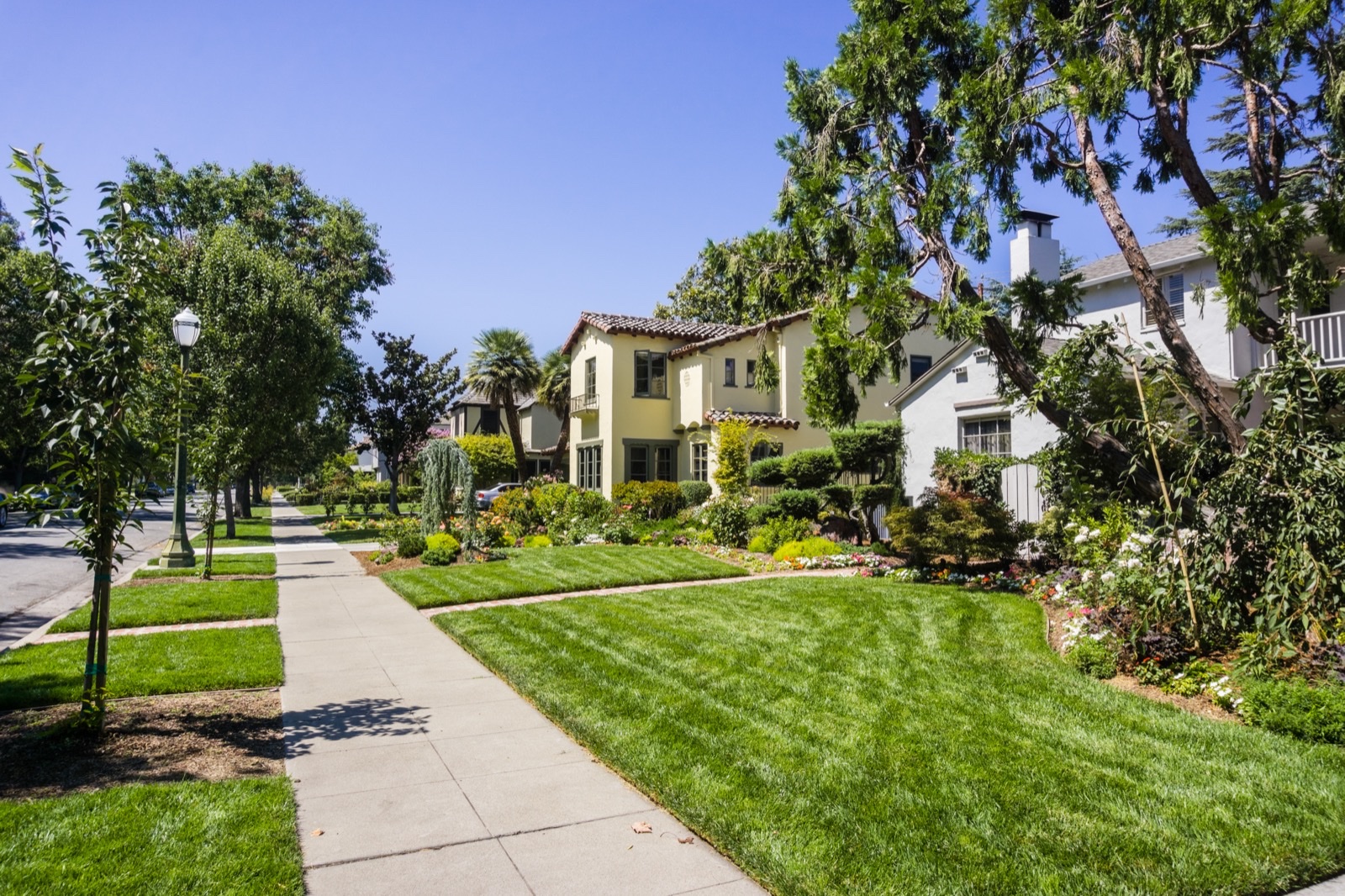
Location shifts these numbers sharply. Condos and townhomes near Santana Row or downtown offer a lower entry point than detached homes in Willow Glen or Almaden Valley, where single-family prices frequently top 1.8 million dollars. Newer transit-adjacent apartments command a premium, while older complexes in East San Jose run cheaper. For a neighborhood-by-neighborhood view, see our guide to the best neighborhoods in San Jose.
Utilities and Energy
Utility bills run above the national norm, driven by high electricity rates. PG&E charges roughly 38 to 44 cents per kilowatt-hour all-in for residential electricity, more than double the national average near 17 cents, so monthly energy costs often land between 275 and 400 dollars for a typical household. Natural gas adds to the figure during cooler months. Mild Bay Area weather helps, since heating and cooling demand stays moderate compared to inland California.
Beyond power, several recurring bills round out the total. Water and sewer service through San Jose Water and the city utility commonly runs 90 to 140 dollars a month, while garbage and recycling add another 40 to 60 dollars. Home internet from providers like Comcast or AT&T sits near 70 to 90 dollars for the speeds most remote workers need. Because PG&E rates keep climbing, many homeowners install rooftop solar to blunt the long-term expense, though the upfront cost stretches into the tens of thousands.
Transportation and Gas
Getting around San Jose usually means driving, and California fuel prices bite. Regular gas in the metro recently sat near 6 dollars a gallon, per AAA, among the highest in the nation and roughly 40 percent above the U.S. average. For a commuter driving 12,000 miles a year in a vehicle rated at 25 miles per gallon, the price translates to about 240 dollars a month in fuel alone, before maintenance.
Public transit offers an alternative, yet coverage stays uneven. VTA light rail and buses serve the city, while Caltrain links the South Bay to San Francisco and BART now reaches Milpitas and Berryessa. A monthly VTA pass costs about 90 dollars, and a Caltrain pass for the San Jose to San Francisco run often exceeds 350 dollars. Still, many neighborhoods favor a car, so insurance and registration add up. For commuters heading to San Francisco, the roughly 50-mile drive turns fuel, tolls, and time into a real monthly cost.
Groceries, Dining, and Daily Costs
Everyday spending sits modestly above the national average. According to Numbeo and BestPlaces, groceries run roughly 10 to 14 percent higher than the national norm, so a single adult often budgets around 400 dollars a month for food at home. Line items tell the story: a gallon of milk runs near 5 dollars, a dozen eggs around 4 to 5 dollars, a loaf of bread close to 4 dollars, and a pound of chicken breast near 6 dollars. A family of four commonly spends 1,100 to 1,300 dollars a month on groceries.
Dining out costs more as well, reflecting Bay Area labor and rent. A casual meal for one runs about 20 to 25 dollars, while a three-course dinner for two at a mid-range restaurant often reaches 90 to 110 dollars. Fitness memberships average 50 to 80 dollars a month, and a movie ticket sits near 16 dollars. On the upside, strong wages and year-round farmers markets help many households absorb the premium.
Healthcare and Insurance
Healthcare in San Jose runs slightly above the national average, in line with broader California pricing. A routine doctor visit without insurance commonly costs 150 to 200 dollars, while a dental cleaning runs near 130 to 180 dollars. For a single adult buying a mid-tier Silver plan through Covered California, monthly premiums often land between 450 and 600 dollars before subsidies, depending on age. Many residents instead receive employer coverage, which trims the out-of-pocket share but still leaves meaningful deductibles.
Insurance beyond health adds further cost. Auto insurance in Santa Clara County averages roughly 2,000 to 2,400 dollars a year for a single driver with a clean record, per industry rate data, reflecting dense traffic and high repair costs. Renters insurance stays affordable at about 15 to 25 dollars a month, while homeowners insurance on a million-dollar-plus property frequently exceeds 1,500 dollars a year. Because California wildfire risk shapes the market, premiums and availability vary by neighborhood.
Childcare
Childcare ranks among the steepest line items for San Jose families. Full-time infant care at a licensed center in Santa Clara County commonly runs 2,000 to 2,800 dollars a month, per local provider surveys and California childcare data. Preschool-age care costs somewhat less, often 1,600 to 2,200 dollars. Therefore, two working parents with one young child often spend more on childcare than on rent. In-home nannies cost even more, frequently exceeding 25 dollars an hour, which pushes many families toward shared-care arrangements or relatives.
Taxes
Taxes add another line to the budget. San Jose’s sales tax rose to 10.00 percent in April 2026 after county voters approved Measure A, well above California’s 7.25 percent statewide base. California income tax also climbs steeply with earnings, with marginal brackets reaching 9.3 percent at upper-middle incomes and rising even higher above them. Because Silicon Valley salaries often land in upper brackets, the state income bite hits tech workers directly.
Property taxes, by contrast, stay moderate relative to home values. Under Proposition 13, California caps the base property tax near 1 percent of assessed value and limits annual assessed-value increases to 2 percent. On a 1.5 million dollar home, the bill still reaches roughly 15,000 to 18,000 dollars a year once local levies are added. Together these items shape the true cost of settling in the South Bay.
Salary and Living Wage
Income decides everything in San Jose, since the same rent feels different on a tech salary versus a service wage. According to the MIT Living Wage Calculator, a single adult with no children needs roughly 68,000 dollars a year before taxes to cover basic needs in the San Jose metro, one of the highest living-wage thresholds in the United States. The figure reflects Silicon Valley housing more than any other factor.
Local pay helps explain why people accept these costs. The median household income in San Jose runs near 146,000 dollars, per Census data, far above the national median, and senior software engineers frequently earn total compensation north of 250,000 dollars once equity is included. Still, service workers, teachers, and many public employees earn far less, which is why the affordability gap feels so wide. As a result, total compensation, not base salary alone, determines who comfortably absorbs the local price level.
Sample Monthly Budgets
Pulling the figures together helps show what a San Jose budget looks like in practice. For a single renter in a one-bedroom, a realistic month might include 2,800 dollars for rent, 350 dollars for utilities and internet, 400 dollars for groceries, 300 dollars for transportation, 450 dollars for healthcare, and 500 dollars for dining and entertainment. The sum reaches roughly 4,800 dollars a month, or about 57,600 dollars a year before taxes, which aligns closely with the MIT living-wage estimate once taxes are layered on.
A family of four faces a steeper picture. For them, a typical month might include 4,200 dollars for a three-bedroom rental, 500 dollars for utilities and internet, 1,200 dollars for groceries, 600 dollars for transportation, 1,200 dollars for healthcare, and 2,400 dollars for childcare of one young child. Those costs alone reach about 10,100 dollars a month, near 121,000 dollars a year before taxes, savings, or any home purchase. Consequently, dual high incomes become close to mandatory for families raising children here.
San Jose vs. San Francisco and Oakland
A nearby comparison sharpens the picture. San Jose and San Francisco run close overall, yet they tilt differently. Per Zillow data, San Francisco rents in dense central districts often edge above San Jose, while San Jose carries a higher median home sale price thanks to its larger single-family stock. Both rank among the costliest housing markets in the nation, and a single adult in either city needs a comparable living wage.
Oakland offers a relative discount within the same region. According to BestPlaces and Zillow, Oakland’s median home price and typical rents sit meaningfully below San Jose, though they remain well above the national average. Many Bay Area workers therefore trade a longer commute for lower housing costs. Even so, Oakland’s gas, taxes, and utilities mirror the regional pattern, so the savings come almost entirely from housing.
What It Costs to Live Comfortably
So what does a comfortable life require here? According to the MIT Living Wage Calculator, a single adult needs roughly 68,000 dollars a year, or about 5,700 dollars a month, to cover housing, food, transportation, and basic needs. A family of four with childcare needs upward of 200,000 dollars a year, since child care and housing dominate the math. These figures explain why total tech compensation, not salary alone, decides who thrives here. For a statewide view, our California cost of living breakdown adds context, and our guide to the best places to live in California compares the options.
How we sourced this: figures here draw on Redfin and Zillow for home prices and rents, AAA for fuel, PG&E for energy rates, the MIT Living Wage Calculator for income thresholds, and BestPlaces and Numbeo for groceries and index data, all reviewed in 2026. Local prices shift, so treat these as well-researched ranges rather than fixed quotes.
Final Verdict
The cost of living in San Jose is among the highest in the country, yet Silicon Valley salaries keep drawing people in. Housing carries almost the entire premium, while gas, utilities, and a 10 percent sales tax add steady pressure. Tech workers with strong compensation absorb the costs more easily than service workers, who feel the housing crunch hardest. Meanwhile, the job market, mild weather, and access to the wider Bay Area deliver value beyond the price tag. For high earners who want to be at the center of the tech world, San Jose rewards the investment.
Frequently Asked Questions
How much money do you need to live comfortably in San Jose?
The MIT Living Wage Calculator puts a single adult near 68,000 dollars a year, with a family of four needing well into the six figures once housing and childcare are added.
Is San Jose more expensive than San Francisco?
These two metros run close overall. San Jose often edges lower on rent, while San Francisco runs higher in its dense central neighborhoods. Both rank among the priciest housing markets in the country.
Why is San Jose so expensive?
Housing is the main driver. Limited supply, strong tech demand, and high land costs push the median home price near 1.5 million dollars, which lifts the whole index.
What is the average rent in San Jose?
A one-bedroom typically runs around 2,500 to 3,100 dollars a month, depending on neighborhood and source. Larger units and central locations cost more.
What is the sales tax in San Jose?
San Jose’s sales tax rose to 10.00 percent in April 2026, well above California’s 7.25 percent statewide base, after county voters approved Measure A.