Quick Facts: San Diego rewards buyers who match a neighborhood to their lifestyle. La Jolla and Coronado sit at the luxury end, while North Park and Hillcrest stay more attainable. Across the best neighborhoods in San Diego, you pay a clear premium for walkability and an ocean view. Budget, commute, and pace of life should drive your shortlist.
Last updated: June 2026 | 11 min read
In This Guide
How to Read San Diego’s Map
Spread across mesas, canyons, and roughly 70 miles of county coastline, the best neighborhoods in San Diego differ widely in price, pace, and personality, so no two shortlists look alike. A young professional chasing nightlife wants something different from a family hunting for top schools. Therefore this guide breaks down the standout areas by who they suit, how they feel day to day, and what your housing budget realistically buys. For a broader look at daily life here, see our honest take on living in San Diego.
Two themes shape every shortlist. First, proximity to the coast drives a steep premium, so an inland zip code often delivers more home for the money. Second, walkability now rivals square footage for many buyers, which lifts demand in compact, restaurant-rich pockets. Keep both forces in mind as you read, because they explain most of the price gaps below. Notably, every median price cited here reflects recent Redfin data, so you weigh real figures rather than rough guesses.
The Best Neighborhoods in San Diego at a Glance
| Neighborhood | Best For | Vibe | Median Price (2026) |
|---|---|---|---|
| La Jolla | Luxury coastal living | Upscale, scenic | ~$2.4M |
| Coronado | Resort-style island life | Polished, walkable | ~$2.2M |
| Del Mar | High-end beach village | Exclusive, coastal | ~$4.7M |
| North Park | Young professionals, creatives | Hip, walkable | ~$1.0M |
| South Park | Design lovers, families | Quaint, historic | ~$1.34M |
| Hillcrest | Urban renters, professionals | Diverse, lively | ~$783K |
| Pacific Beach | Beach lovers, renters | Casual, lively | ~$1.5M |
| Little Italy / Downtown | Urban condo living | Energetic, dense | ~$643K |
| Carmel Valley | Families, top schools | Suburban, modern | ~$2.15M |
| Encinitas | Surf-town families | Relaxed, coastal | ~$2.0M |
Living in California TV
Watch weekly California market updates
Get home-sales trends, mortgage-rate moves, and neighborhood breakdowns from a licensed California Realtor.
La Jolla
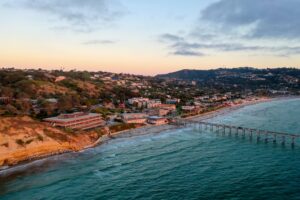
La Jolla anchors the high end of the best neighborhoods in San Diego, and for good reason. Dramatic bluffs, cove beaches, and a village core full of galleries and restaurants give the area a Mediterranean feel. Families gravitate here for strong schools, while retirees value the walkable village and the ocean air. The vibe stays refined rather than flashy, so quiet wealth defines the streets more than show.
Prices reflect the prestige, however. According to Redfin, the La Jolla median sat near $2.4 million in early 2026, and view properties climb far higher. As a result, condos near the village give buyers priced out of detached homes a realistic foothold. The fit here skews toward established professionals, executives relocating from pricier metros, and anyone who treats an ocean view as a daily necessity rather than a luxury.
Walkability ranks high within the village itself, where errands, dining, and the cove sit within easy strolling distance. Public schools feed into well-regarded options, and the University of California campus sits minutes away. Commuters should note the drive to downtown runs 15 to 20 minutes outside rush hour, although traffic on the I-5 corridor stretches it.
Coronado
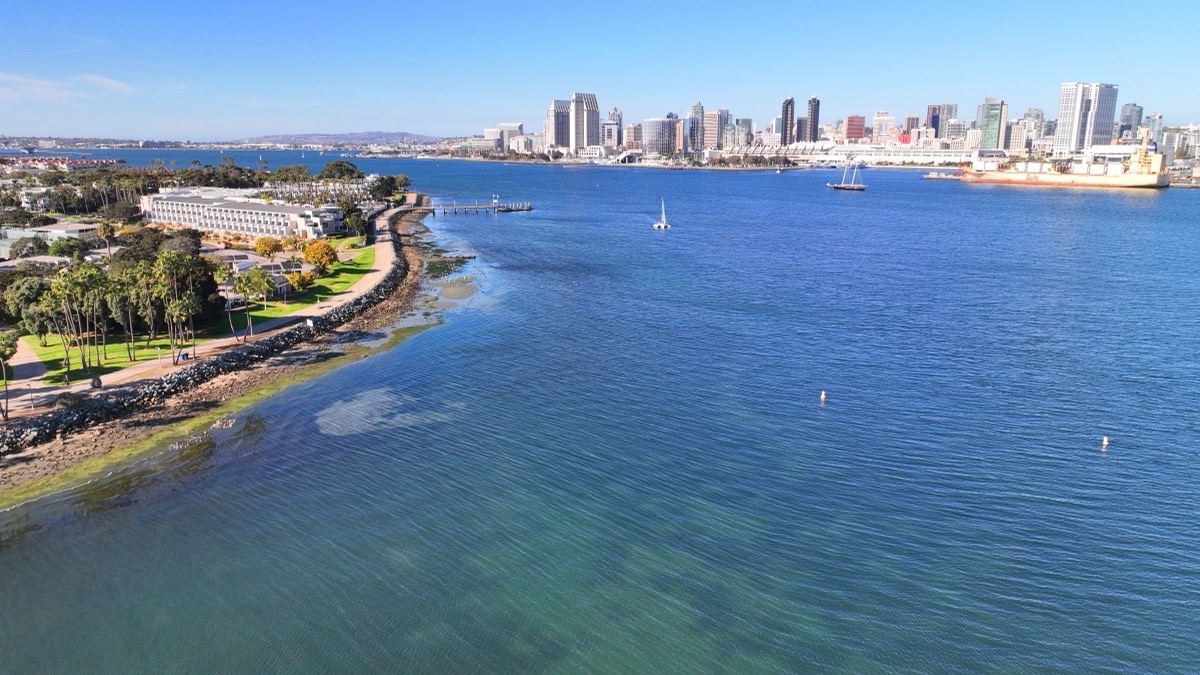
Coronado feels like a resort town with a permanent address. Connected to the mainland by the graceful Coronado Bridge and a narrow sand spit, the island pairs wide beaches with a tidy, walkable downtown along Orange Avenue. Military families settle here because of the naval base, while second-home buyers prize the calm, polished streets. The result is a community feeling both buttoned-up and genuinely friendly.
Like La Jolla, Coronado commands premium pricing. Redfin pegged the early-2026 median near $2.2 million, and demand for the limited condo supply stays strong year-round. Meanwhile, the payoff is real small-town charm minutes from a major city. Retirees, naval personnel, and families who want safety and a slower rhythm without sacrificing proximity to downtown culture tend to settle in.
Few neighborhoods score higher on walkability, since residents bike to dinner, walk to the beach, and watch the skyline glow across the bay at dusk. Coronado schools earn solid marks, and the compact street grid keeps everything within reach. Because the island sits across the bridge, commutes downtown lengthen during peak hours, so weigh this trade against the lifestyle. For island living without leaving Southern California, few places compete.
Del Mar
Del Mar occupies the most exclusive stretch of the northern coast, where a tiny beach village wraps around bluff-top homes and the famous racetrack. The vibe is understated luxury, with low-slung architecture, leafy lanes, and a quiet downtown of boutiques and ocean-view restaurants. Although small, the village punches well above its size in cachet and scenery.
Pricing sits at the absolute top of the county. Redfin reported a Del Mar median around $4.7 million in late 2025, which makes this the priciest area on the list. Consequently, the buyer pool skews toward executives, established families, and second-home owners who value privacy. The draw is a walkable beach village without the bustle of larger coastal hubs.
On foot, the village core does most of the work, with the beach, dining, and shops clustered together. Del Mar feeds into top-rated schools, which draw families willing to pay the premium. Because the village sits along the coast highway and the I-5, commuters reach downtown in roughly 25 to 30 minutes outside rush hour.
North Park
North Park is the creative, energetic heart of the city for younger buyers. Local breweries, indie coffee shops, vintage storefronts, and a thriving restaurant scene fill its walkable blocks. Compared to the coast, prices stay far more attainable, so first-time buyers and investors look here first. The vibe leans artsy and social, with murals, live music, and a brewery culture credited with putting the area on the map.
Affordability is the headline. Redfin placed the North Park median near $1.0 million in early 2026, well below the coastal enclaves. Bungalows from the 1920s sit beside modern condos, which gives the area architectural character along with options across budgets. Young professionals, creatives, and investors who prize walkable energy over square footage or a yard tend to land here first.
Walkability ranks among the best in the city, since dining, nightlife, and parks sit within a few blocks. The central location also shortens commutes to downtown, Balboa Park, and the hospital district. Schools draw a mixed reputation, so families often weigh specific campuses carefully. Nightlife runs loud on weekends, however, so light sleepers should choose their street with care.
South Park
South Park sits immediately south of its better-known neighbor and trades the nightlife buzz for a quieter, storybook feel. Tree-lined streets, restored Craftsman homes, and a tight cluster of cafes and shops give the area a village-like calm. The vibe attracts design-minded buyers and young families who want walkable charm without the weekend crowds.
Prices land between the central districts and the coast. Redfin reported a South Park median around $1.34 million in early 2026, reflecting the area’s historic housing stock and steady demand. Because inventory stays tight, well-kept bungalows move quickly. The appeal lands with buyers who want character, walkability, and a neighborly pace within minutes of downtown.
Daily life on foot centers on the Fern Street corridor, where residents stroll to coffee, dinner, and Saturday markets. South Park borders Balboa Park, so green space sits close at hand. Schools and commute times mirror those of North Park, given the shared central location.
Hillcrest
Hillcrest is the inclusive, walkable urban core wrapping around the northern edge of Balboa Park. Known for its diverse, welcoming character, the area buzzes with restaurants, nightlife, and a long-standing reputation as the heart of San Diego’s LGBTQ community. The vibe is dense, social, and unpretentious, with foot traffic staying lively well into the evening.
Value sets Hillcrest apart from the coast. Redfin pegged the median near $783,000 in early 2026, much of it driven by condos and historic apartments. As a result, the area gives urban-minded buyers an attainable entry into central San Diego. Professionals, renters, and downsizers who want walkability, culture, and proximity to major hospitals make up much of the demand.
Few neighborhoods score higher on day-to-day walkability, since groceries, dining, and the park sit within easy reach. The central position keeps commutes short to downtown and the medical district. Because the housing stock skews toward condos and smaller homes, families seeking yards often look elsewhere.
Pacific Beach
Pacific Beach, known locally as PB, trades polish for pure beach energy. Specifically, a boardwalk, reliable surf breaks, and a steady stream of bars and taco shops define the lifestyle. Renters and younger residents dominate, drawn by the proximity to sand and a social, casual rhythm. The vibe stays youthful and laid-back, with flip-flops and beach cruisers as standard issue.
Prices land below La Jolla yet above most inland areas, reflecting the oceanfront premium. Redfin reported a PB median near $1.5 million in early 2026, with quieter pockets north toward Crown Point. Beach lovers, younger professionals, and investors targeting vacation rentals gravitate here. Families sometimes find the party reputation a drawback, although calmer streets do exist away from the boardwalk.
Walkability is strong near the beach and Garnet Avenue, where dining and nightlife cluster within a short stroll. Schools earn mixed reviews, so families tend to research specific campuses. Parking tightens sharply in summer, so a dedicated space adds real value, and commutes downtown run roughly 15 to 20 minutes outside peak traffic.
Little Italy and Downtown
Downtown San Diego, anchored by the buzzing Little Italy district, suits buyers who want a true urban lifestyle. High-rise condos deliver skyline and bay views, while ground-floor restaurants, the weekly farmers market, and the waterfront put daily life within a short walk. The vibe is energetic and dense, with a steady hum of foot traffic and dining to rival any California city.
Condo pricing spans a wide range, from entry-level units to luxury penthouses. Redfin reported a Little Italy median around $643,000 in early 2026, which reflects the condo-heavy housing mix and makes the district surprisingly attainable. As a result, professionals working downtown value the near-zero commute, while empty nesters enjoy the low-maintenance, lock-and-leave setup.
Walkability ranks near the top of any San Diego neighborhood, since restaurants, the bay, and transit sit at street level. Urban professionals, downsizers, and buyers who prioritize culture over a yard find the most to like here. Noise and density come with the territory, however, and monthly parking adds up.
Carmel Valley
Carmel Valley sits inland near the northern coast and ranks among the top San Diego neighborhoods for families. Notably, top-rated schools, master-planned communities, and modern homes draw professionals raising children. The vibe feels suburban and orderly, with parks, shopping at One Paseo, and a polished, planned layout built around family life.
Prices run high for the schools and newer construction. Redfin placed the Carmel Valley median near $2.15 million in early 2026, although townhomes offer a more attainable entry. Families, tech professionals, and buyers who value newer housing and academics over nightlife form the core market. Because beaches in Del Mar and Torrey Pines sit a short drive west, the coast stays within reach.
Walkability stays moderate, since the area follows a suburban layout where a car remains useful for most errands. Schools rank among the strongest in the county, which is the primary draw for relocating families. Quick freeway access serves tech commuters heading to UTC or Sorrento Valley, so the I-5 and the 56 shape daily routines.
Encinitas
Encinitas sits at the northern edge of the metro, where a classic California surf town meets family-friendly suburbs. The vibe blends laid-back beach culture along Highway 101 with quiet residential pockets inland. Yoga studios, surf shops, and farm-to-table cafes give the area a relaxed, health-minded character, drawing a loyal community.
Pricing reflects the coastal location and strong schools. Redfin reported an Encinitas median around $2.0 million in early 2026, with beach-adjacent homes climbing higher. Families, surfers, and remote workers who want coastal living slightly removed from the city core are the natural fit. Because it sits about 25 miles north of downtown, the trade is a longer commute for a calmer setting.
Foot traffic concentrates along the coast highway and the downtown stretch, where shops and the beach sit close together. Encinitas schools earn strong reputations, which keeps family demand high. Commuters rely on the I-5 and the Coaster rail line, so downtown reaches roughly 30 to 40 minutes by car outside rush hour.
How to Choose Among the Best Neighborhoods in San Diego
Choosing among these areas comes down to three honest questions. First, what is your real budget, including the coastal premium you pay for proximity to the water? Second, how much do you value walkability versus space, since the two rarely arrive together at the same price? Third, what does your daily commute look like, because traffic on the I-5 and I-805 reshapes the word “close” in a hurry. Rank those three priorities, and your shortlist narrows fast.
A simple framework helps. If schools top your list, weigh Carmel Valley, Del Mar, and Encinitas first. When walkable energy matters most, lean toward North Park, Hillcrest, or Little Italy. Meanwhile, if a coastal view defines the dream, La Jolla and Coronado lead, provided the budget stretches. Because each district trades one strength for another, naming your single priority clarifies the rest.
Commute and lifestyle deserve equal weight. For example, a downtown job pairs naturally with Little Italy or Hillcrest, while a remote worker gains freedom to chase Encinitas or Del Mar. Likewise, beach access ranks higher for some buyers than square footage, and this trade shapes the map quickly. Therefore tour at different times of day, since traffic and noise shift the feel of a street between morning and Friday night.
For a wider statewide view, compare your options against our guide to the best places to live in California. If a move from out of state looms, our guide to moving to California walks through the logistics step by step.
Final Verdict
No single winner exists across the best neighborhoods in San Diego, because the right choice depends entirely on your priorities. La Jolla, Coronado, and Del Mar reward buyers who want coastal prestige and hold the budget to match. Meanwhile North Park, South Park, and Hillcrest suit residents who value energy, character, and a friendlier entry price. Carmel Valley and Encinitas win for families chasing schools, while Little Italy fits urban buyers who want everything at street level. Start with your budget, weigh commute and pace honestly, then tour two or three areas before deciding. With the right match, San Diego delivers a lifestyle few cities in the country rival.
Frequently Asked Questions
What is the best neighborhood in San Diego for families?
Carmel Valley leads for families, thanks to top-rated schools, parks, and modern master-planned homes. Encinitas and Coronado also appeal to families who prioritize safety and a walkable feel near the beach.
Which San Diego neighborhoods are most affordable?
Among the areas covered here, Little Italy and Hillcrest post the lowest medians, since both skew toward condos. North Park in particular balances value with walkability and culture for buyers wanting a detached home.
Is La Jolla worth the high prices?
For buyers who prize ocean views, strong schools, and a refined village, La Jolla justifies its premium near $2.4 million. Condos near the village offer a lower-cost way into the area.
What is the cost of living in San Diego like?
San Diego ranks well above the national average, driven mainly by housing. Our California cost of living breakdown covers the full picture, from utilities to transportation.
How long is the commute from these neighborhoods to downtown?
Most coastal and central neighborhoods sit 15 to 30 minutes from downtown outside rush hour. Northern areas like Encinitas run longer, while traffic on the I-5 and I-805 corridors extends those times during peak periods.
What is the most walkable neighborhood in San Diego?
Little Italy, Hillcrest, and North Park rank among the most walkable, since dining, shops, and transit sit within a few blocks. Coronado also scores well thanks to its compact, bike-friendly grid.
Where should young professionals look in San Diego?
North Park, Hillcrest, and Pacific Beach draw younger buyers and renters with nightlife, social energy, and relatively attainable pricing. Little Italy suits those who want a true downtown lifestyle near work.
Which San Diego neighborhood has the best schools?
Carmel Valley consistently ranks at the top for public schools, followed closely by Del Mar and Encinitas. Families often shortlist these northern areas first when academics drive the search.
Is it better to buy near the coast or inland in San Diego?
Coastal areas command a steep premium for views and beach access, while inland districts deliver more home for the money. Therefore the right side of this trade depends on whether lifestyle or square footage matters more to you.
What is the most exclusive neighborhood in San Diego?
Del Mar tops the list, with a median near $4.7 million and a tiny, bluff-top beach village. La Jolla and Coronado follow closely for luxury coastal living.