Quick Facts: Living in Fresno means affordable housing, a sunny Central Valley climate, and easy access to three national parks, all at a fraction of coastal California prices. The city anchors California’s agricultural heartland, with a growing downtown, a lively arts district, and a major university. Summers run hot and air quality dips at times, yet the value and location win many residents over. For budget-minded Californians, Fresno delivers space and sunshine.
Last updated: June 2026 | 11 min read
In This Guide
What Living in Fresno Is Like
Living in Fresno offers a slower pace and far lower costs than the coast, which draws families, first-time buyers, and remote workers inland. As California’s fifth-largest city, Fresno blends a real urban core with farm-country surroundings, sitting halfway between Los Angeles and San Francisco. In return, residents trade beaches and ocean breezes for affordability, sunshine, and quick weekend trips to Yosemite. This guide covers the cost of living, housing, jobs, climate, and lifestyle, plus the honest trade-offs.
Fresno rewards a specific kind of resident. First, budget-conscious buyers stretch their dollars dramatically here, since homes cost a fraction of Bay Area or Southern California prices. Second, outdoor lovers gain a basecamp for the Sierra Nevada, with three national parks within a short drive. To compare your options statewide, see our guide to the best places to live in California.
The city itself spans a wide footprint, so the experience changes block by block. North Fresno feels suburban and newer, while downtown and the central districts carry an older, grittier character now slowly being revitalized. Therefore, anyone weighing a move should plan to spend time in several pockets before deciding. For example, a commuter who works near River Park will value the north side, while a creative drawn to nightlife often prefers the historic core.
How we sourced this: figures below come from Redfin and Zillow housing data, the U.S. Census, BestPlaces, AAA fuel reports, the Bureau of Labor Statistics, and the American Lung Association, each current as of mid-2026.
Living in Fresno at a Glance
| Factor | Detail |
|---|---|
| Population | ~545,000 (5th largest in CA) |
| Median home price | ~$390,000 |
| Climate | Hot, dry summers; mild winters |
| Known for | Agriculture, Tower District, Fresno State |
| Nearby parks | Yosemite, Sequoia, Kings Canyon |
| Overall vibe | Affordable, sunny, family-friendly |
Living in California TV
Watch weekly California market updates
Get home-sales trends, mortgage-rate moves, and city breakdowns from a licensed California Realtor.
Cost of Living
The cost of living stands out as the biggest draw. According to BestPlaces, Fresno scores about 103.7 on its cost index, meaning roughly 3.7 percent above the national average yet far below the California norm. Housing carries the savings, while everyday categories still reflect statewide pricing. As a result, a household moving from the coast often sees its biggest monthly expense drop sharply. To see how the state compares, our California cost of living breakdown puts Fresno in context.
Groceries run about 5 percent above the national average, per BestPlaces. For example, a gallon of milk costs near 5.13 dollars, a dozen eggs around 5.18 dollars, and a pound of potatoes close to 3.88 dollars. Utilities sting more, sitting roughly 29 percent above average, with monthly energy bills near 308 dollars because summer air conditioning runs hard. Therefore, budgeting for power becomes a real line item from June through September.
Transportation costs land in the middle. Fresno gas averaged about 4.65 dollars a gallon in June 2026, around 11 cents below the statewide figure, according to AAA-tracked data. By comparison, coastal metros frequently topped the mark. Still, drivers cover long distances here, since the metro sprawls and public transit remains limited, so fuel and car upkeep deserve a place in any honest budget.
Housing: Buying vs Renting in Fresno
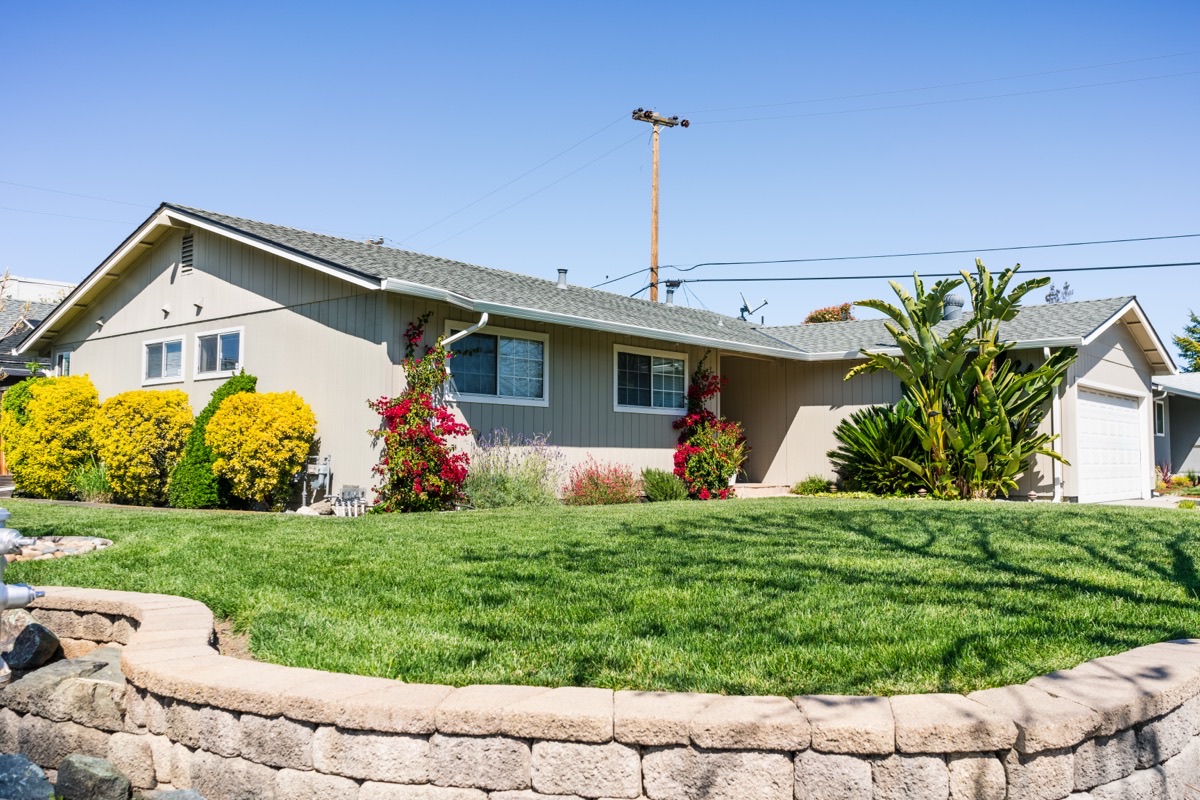
Housing is where living in Fresno truly pays off. As of spring 2026, Zillow pegged the typical home value near 391,328 dollars, while Redfin reported a median sale price around 400,000 dollars over the same window. Both sources point to a stable market, with Zillow noting a slight 0.1 percent yearly gain and Redfin showing a small dip of about 2 percent. For context, those numbers run hundreds of thousands below comparable Bay Area or Los Angeles homes.
Renting offers its own savings. Listing trackers put the average one-bedroom rent near 1,320 dollars in 2026, with figures ranging from roughly 1,285 to 1,365 dollars depending on the source and neighborhood. Larger units and newer north-side complexes sit at the higher end, while older central addresses come cheaper. In contrast, a similar one-bedroom on the coast often doubles the monthly cost.
So which path wins? For buyers planning to stay several years, ownership usually pencils out, because monthly payments on a median home often rival or beat rent once the down payment is in place. Renters, meanwhile, keep flexibility while they learn the city. Still, mortgage rates and insurance shape the math, so run real numbers before committing. Our moving to California guide walks through the relocation basics.
Neighborhoods Overview
Neighborhood choice matters more in Fresno than in many cities, because character shifts quickly across the map. North Fresno and neighboring Clovis offer newer, master-planned homes, manicured streets, and strong schools, which makes them the default shortlist for families. Areas near Woodward Park and River Park blend shopping, trails, and quiet cul-de-sacs.
The Tower District tells a different story. This historic core features 1920s bungalows, theaters, and a walkable, artsy feel with broad appeal to creatives and young professionals. By comparison, central and southwest neighborhoods provide the lowest entry prices, though buyers should research crime, schools, and street upkeep block by block. For instance, two homes a mile apart often differ sharply in feel and value.
Growth continues on the northern and eastern edges, where new construction keeps adding inventory. Sunnyside and the southeast corridor also draw value seekers who want a yard. As a result, newcomers have real range, from polished suburbia to characterful old neighborhoods, all within one affordable metro.
Living in Fresno: Jobs and Major Employers
The economy rests on agriculture, healthcare, education, and government. Fresno sits at the center of one of the most productive farming regions on earth, which supports food processing, logistics, and related trades. Healthcare anchors the private sector, with Community Medical Centers standing as the region’s largest private employer at several thousand workers across its hospitals.
Education and the public sector add ballast. Fresno State, the county government, and the city itself provide stable, year-round jobs to smooth out seasonal farm swings. In addition, remote workers relocate here to stretch coastal salaries against cheaper housing. However, the labor market stays soft by California standards, with the Fresno metro unemployment rate near 8.2 percent in late 2025, per the Bureau of Labor Statistics.
Wages trail the Bay Area and coastal metros, which is the honest trade-off. Still, for many households the lower housing cost closes most of the gap in practice, especially for buyers. Therefore, the value calculation depends heavily on whether your income travels with you or ties to the local market.
Climate, Summer Heat, and Air Quality
Fresno enjoys a sunny climate with more than 270 clear days a year. Summers turn genuinely hot, often topping 100 degrees, so reliable air conditioning becomes essential from June through September. Winters stay mild, with occasional tule fog settling over the valley on cold mornings. For sun lovers who tolerate heat, the long dry season suits year-round outdoor living.
Air quality is the climate’s real caveat. The surrounding mountains trap pollutants, and seasonal wildfire smoke compounds the problem. In its 2026 State of the Air report, the American Lung Association ranked the Fresno-Hanford-Corcoran area among the worst nationally for ozone and year-round particle pollution. As a result, residents with asthma or other respiratory conditions should weigh this carefully.
There is good news, though. The same report noted Fresno recorded its cleanest short-term particle-pollution averages on record for a second straight year, reflecting steady multi-year progress. Meanwhile, many residents manage bad-air days with indoor air filtration and by checking the daily index. In contrast to a decade ago, the trend line is moving the right direction, even if the valley still has work to do.
Schools
School quality varies by district, and it often drives where families settle. Clovis Unified, which serves much of the northeast metro, is the standout. The district has grown into one of California’s largest, with enrollment above 43,000 students in the 2025-2026 year, and Niche grades its testing in the top fifth of the state. Therefore, homes inside Clovis boundaries command a premium and sell quickly.
Fresno Unified is far larger, serving roughly 70,000 K-12 students across the city, with a student-teacher ratio near 19 to 1. Enrollment has slipped lately, mirroring a statewide decline, yet it remains one of California’s biggest districts. Results vary widely by campus, so families typically research individual schools rather than the district as a whole. Charter and magnet options also give parents more choice. For higher education, Fresno State and Fresno City College keep talent and jobs anchored locally.
Lifestyle and Things to Do
Daily life balances city amenities with outdoor escape. The Tower District delivers theaters, restaurants, and nightlife, while Woodward Park and the San Joaquin River bluffs offer green space close to home. Yosemite, Sequoia, and Kings Canyon all sit within a roughly two-hour drive, so weekend adventures become routine rather than rare. For outdoor lovers, the access alone justifies the move.
In town, the highlights run from the Fresno Chaffee Zoo to the Forestiere Underground Gardens, a hand-dug network of rooms and passages built a century ago. The food scene leans farm-to-table, fed by the surrounding orchards and fields, and weekend farmers markets brim with local produce. In addition, Fresno State athletics and a growing downtown brewery and music circuit give residents reasons to stay close to home.
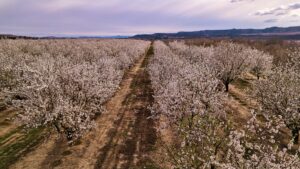
Seasonal traditions also shape the calendar. The Blossom Trail draws crowds each spring as orchards bloom across the county, while fall harvest festivals celebrate the region’s crops. For families and outdoor enthusiasts, the lifestyle stays active, affordable, and tied closely to the land.
Commute and Getting Around
Fresno is a car-first city, and most residents drive everywhere. The good news is short commutes by California standards, since the metro lacks the brutal gridlock of Los Angeles or the Bay Area. For example, crossing town in off-peak hours rarely takes long, and many workers reach their jobs in well under half an hour.
Public transit exists but stays limited. Fresno Area Express runs bus routes across the city, yet most households still rely on a car for daily life. Meanwhile, Highway 99 and Highway 41 connect the metro north and south, and the under-construction high-speed rail line promises future links to other valley cities. Air travelers use Fresno Yosemite International Airport for regional and connecting flights. As a result, getting around is easy if you drive, less so if you do not.
Pros and Cons of Living in Fresno
Pros
- Affordable housing and overall costs
- More than 270 clear days a year
- Close to three national parks
- Central location between LA and SF
- Growing downtown and arts scene
- Strong agriculture and healthcare economy
Cons
- Hot summers above 100 degrees
- Air quality concerns in the valley
- Lower wages than coastal metros
- Fewer beaches and coastal amenities
- Some areas need careful research
Final Verdict
Living in Fresno makes the most sense for buyers who value affordability, sunshine, and outdoor access over coastal proximity. Housing costs a fraction of the Bay Area or Southern California, while three national parks sit within easy reach. Hot summers and air-quality dips are real trade-offs, although many residents find the value well worth it. Weigh your priorities, visit a few neighborhoods, and picture daily life in each season. For budget-minded Californians who love the outdoors, Fresno delivers genuine value.
Frequently Asked Questions
Is Fresno a good place to live?
Fresno suits budget-conscious buyers, families, and outdoor lovers, thanks to affordable housing, abundant sunshine, and proximity to three national parks. However, hot summers and air quality are the main drawbacks to weigh.
Is Fresno an affordable place to live?
Yes. Fresno ranks among California’s more affordable cities, with a median home price near 390,000 dollars, far below coastal markets. Still, utilities and groceries run slightly above the national average, so housing carries most of the savings.
How much does it cost to rent in Fresno?
The average one-bedroom rent sat near 1,320 dollars in 2026, with figures ranging from roughly 1,285 to 1,365 dollars depending on the source and neighborhood. By comparison, a similar unit on the coast often costs much more.
What is Fresno known for?
Fresno is known as the heart of California agriculture, home to Fresno State, the historic Tower District, and a gateway to Yosemite, Sequoia, and Kings Canyon. The surrounding farmland feeds a strong food-processing economy.
What are the best neighborhoods in Fresno?
North Fresno and neighboring Clovis lead for newer homes and strong schools, while the Tower District appeals to buyers who want walkability and character. In contrast, central neighborhoods offer the lowest prices but need careful research.
How hot does Fresno get in summer?
Summer highs frequently top 100 degrees from June through September, so reliable air conditioning is essential. Because of the heat, expect higher energy bills during those months.
Is air quality bad in Fresno?
The valley ranks among the worst nationally for ozone and particle pollution, according to the American Lung Association. However, recent reports show Fresno hitting some of its cleanest particle-pollution levels on record, a sign of steady progress.
What is the job market like in Fresno?
Agriculture, healthcare, education, and government drive employment, with Community Medical Centers as the largest private employer. Still, metro unemployment ran near 8.2 percent in late 2025, and wages trail coastal California.
Do you need a car in Fresno?
For most residents, yes. Fresno is a car-first city with limited transit, though commutes stay shorter than in larger California metros. As a result, daily life is easiest with a personal vehicle.
How far is Fresno from Yosemite?
Yosemite National Park sits roughly two hours away by car, with Sequoia and Kings Canyon equally close. Therefore, weekend trips to the Sierra Nevada become a routine part of living in Fresno.