Quick Facts: The cost of living in Sacramento sits modestly above the national average, yet it stays far below California’s coastal cities. Housing drives the difference, although Sacramento remains one of the more attainable large markets in the state. Groceries, gas, and utilities run higher than the national norm, while the inland location keeps prices in check. For many California buyers, Sacramento offers the best balance of value and lifestyle.
Last updated: June 2026 | 10 min read
In This Guide
- What Shapes Sacramento’s Prices
- Costs at a Glance
- Housing
- Utilities and Summer Cooling
- Transportation and Gas
- Groceries and Daily Costs
- Healthcare Costs
- Childcare
- Taxes and Insurance
- Salary and Living Wage Needed
- Realistic Monthly Budgets
- Sacramento vs the Bay Area
- What It Costs to Live Comfortably
- Final Verdict
- Frequently Asked Questions
What Shapes the Cost of Living in Sacramento
The cost of living in Sacramento runs roughly 22 to 27 percent above the national average, mainly because housing has climbed in recent years. According to BestPlaces, Sacramento scores 127 on its cost index, where 100 marks the national norm. Even so, the capital stays dramatically cheaper than San Francisco, San Jose, or San Diego, which fuels steady migration from the coast. Therefore, buyers and renters stretch their dollars further here while staying within reach of the Bay Area and Lake Tahoe. This guide breaks down each major expense and shows what a comfortable budget looks like.
Two factors shape the numbers below. Your housing choice sets the tone, since rent and mortgage payments dominate most budgets, and where you land within the region matters nearly as much. Midtown and East Sacramento cost more than outlying suburbs like Rancho Cordova or Citrus Heights, so those two variables explain most of the swing residents see. Weigh them before you compare listings. Redfin data from spring 2026 also shows prices easing slightly year over year, which gives patient buyers a little more room to negotiate.
How we sourced this: figures below come from Redfin and Zillow (home prices), RentCafe and Zumper (rents), AAA (fuel), SMUD and PG&E (utilities), BestPlaces and Numbeo (indexes), and the MIT Living Wage Calculator, all pulled in 2026.
Cost of Living in Sacramento at a Glance
| Expense | Typical Cost (2026) | Vs. U.S. Average |
|---|---|---|
| Median home price | ~$495,000 | Higher |
| One-bedroom rent | ~$1,700/mo | Slightly higher |
| Home utilities | ~$180-230/mo | Higher |
| Gas (per gallon) | ~$5.90+ | ~40% higher |
| Groceries (per adult) | ~$400/mo | ~5% higher |
| Overall index | ~120-127 (US=100) | 22-27% higher |
Read the table as a starting point, since your own number swings with neighborhood, commute, and family size. Still, the pattern holds across sources: housing pushes the index up, while everyday goods sit only a little above the national line. The sections below put real figures behind each row so you build a budget around your situation.
Living in California TV
Watch weekly California market updates
Get home-sales trends, mortgage-rate moves, and cost breakdowns from a licensed California Realtor.
Housing: The Main Driver of the Cost of Living in Sacramento
Housing accounts for the largest share of a Sacramento budget, although the figures look gentle next to coastal California. Redfin pegged the median home price near 495,000 dollars in spring 2026, down about 2 percent year over year, while Zillow tracks the typical value around 480,000 dollars for the city and closer to 530,000 dollars countywide. For buyers priced out of the coast, the gap often delivers genuine ownership within reach. Homes also move fast, with many going pending in under two weeks.
Renters see a similar split by size and location. RentCafe data shows a one-bedroom averaging near 1,700 dollars, a two-bedroom around 1,960 dollars, and a three-bedroom near 2,630 dollars in 2026. Other trackers like Zumper and ApartmentAdvisor report figures a touch lower, so the citywide average lands close to 1,795 dollars. Central districts like Midtown and East Sacramento command a premium, whereas suburbs such as Natomas and Elk Grove offer better value per square foot.
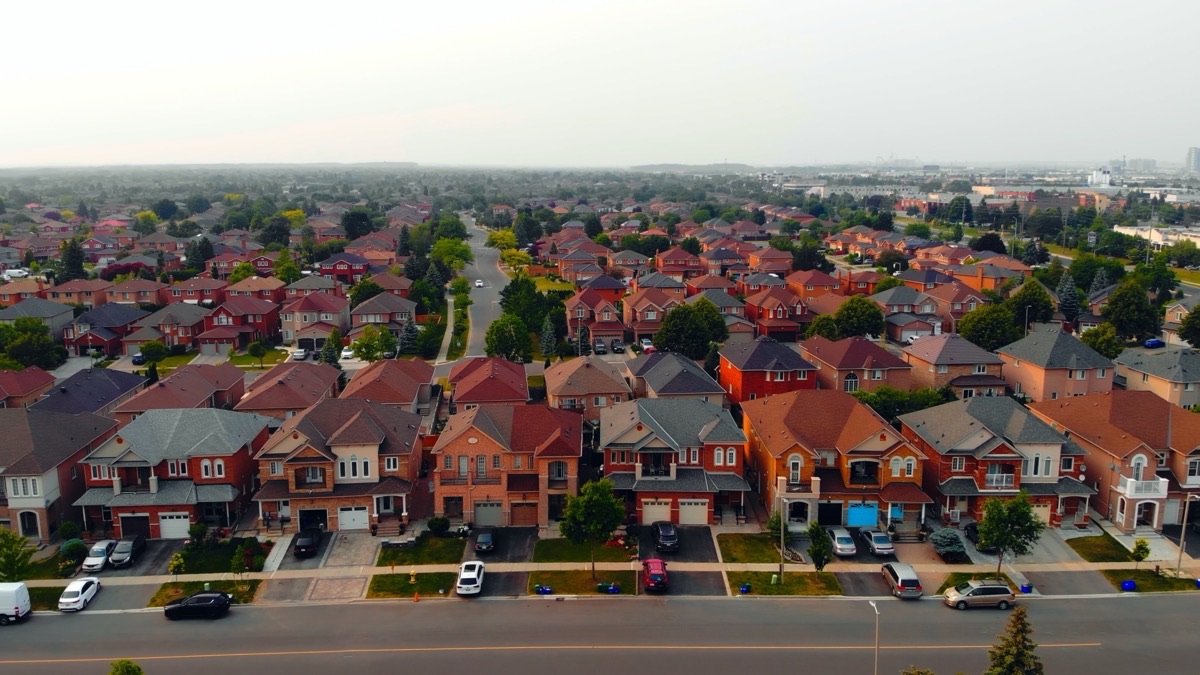
Mortgage math matters as much as the sticker price. On a 495,000 dollar home with 10 percent down and a rate near 6.8 percent, the principal and interest alone run close to 2,900 dollars a month before taxes and insurance. Add property tax and homeowners coverage, and the all-in payment often clears 3,500 dollars. This math pushes many first-time buyers to start in the suburbs and move closer to the core later.
Utilities and Summer Cooling
Utility bills climb in Sacramento, driven largely by hot Central Valley summers. Air conditioning pushes monthly energy costs to roughly 180 to 230 dollars across the year, and triple-digit heat waves stretch them higher in July and August. The Sacramento Municipal Utility District, known as SMUD, supplies electricity to most of the city, and its rates sit well below neighboring PG&E, often by more than half on a comparable bill. A typical SMUD household pays around 130 dollars a month for power, with summer spikes layered on top.
Natural gas comes from PG&E for most homes, and those rates have climbed steeply over the past few years, with combined PG&E bills averaging well over 200 dollars statewide. Water, sewer, and trash through the city add another 80 to 110 dollars depending on household size and lot. Because summer cooling dominates the bill, energy-efficient windows, attic insulation, and shade trees pay off quickly here. Many residents also enroll in SMUD time-of-day plans to shift usage away from costly afternoon peaks.
Transportation and Gas
Sacramento residents rely heavily on cars, and California fuel prices add up fast. AAA data put the statewide average near 5.95 dollars a gallon in mid-2026, far above the national figure, so commute distance directly shapes your budget. The region’s light-rail system and bus network, run by Sacramento Regional Transit, cover the urban core and several suburbs, although many neighborhoods still favor driving. A monthly transit pass runs well under the cost of fueling and insuring a second car.
Beyond fuel, car ownership carries steady fixed costs. The MIT Living Wage Calculator estimates annual transportation spending near 9,065 dollars for a single adult in Sacramento County, which folds in insurance, registration, maintenance, and depreciation. Commuters who drive to the Bay Area feel the pinch most, since a daily round trip burns 15 to 20 dollars in gas alone. Choosing a home near work, transit, or a carpool route is one of the simplest ways to protect a Sacramento budget.
Groceries, Dining, and Daily Costs
Everyday spending in Sacramento sits modestly above the national average. Numbeo and BestPlaces both place groceries around 4 to 5 percent higher than the U.S. norm, so a single adult budgets roughly 400 to 420 dollars a month for food at home. Staples follow predictable lines: a gallon of milk runs near 4.50 dollars, a dozen eggs around 4 dollars, a loaf of bread close to 3.50 dollars, and a pound of chicken breast about 5 dollars. Produce stays reasonable thanks to the surrounding farm belt.
Dining out has grown pricier as the farm-to-fork scene has matured, with casual meals near 18 dollars and a mid-range dinner for two often topping 70 dollars. Entertainment, gym memberships, and personal care follow the same gentle upward trend. On the upside, nearby farms and year-round produce help stretch a grocery budget further than in colder regions. Farmers markets across the city, including the large weekend market downtown, give residents a cheaper path to fresh fruit and vegetables.
Healthcare Costs in Sacramento
Healthcare in Sacramento lands a little above the national average rather than far beyond it. BestPlaces reports medical costs roughly 7 percent higher than the U.S. norm, while strong systems like UC Davis Health, Sutter, Kaiser Permanente, and Dignity Health serve the region. The MIT calculator estimates annual medical spending near 3,846 dollars for a single adult, rising sharply once children enter the picture. A routine doctor visit without insurance runs around 130 to 160 dollars, and a dental cleaning lands near 120 dollars.
Insurance premiums shape the real number most families feel. A typical employer plan still leaves workers covering part of the premium plus copays and deductibles, while Covered California marketplace plans vary widely by age and income. Still, budgeting a realistic monthly figure for premiums, prescriptions, and out-of-pocket costs keeps healthcare from quietly straining an otherwise comfortable plan.
Childcare
Childcare ranks among the heaviest expenses for Sacramento families, often rivaling rent. Center-based infant care averages roughly 1,400 to 1,667 dollars a month, which works out to nearly 20,000 dollars a year for a single child. In-home daycare offers a cheaper path near 1,290 dollars a month, while licensed centers and preschools with structured programs sit at the higher end. Costs ease somewhat as a child ages out of the infant room, yet they stay significant through the preschool years.
The MIT Living Wage Calculator drives the point home, estimating childcare near 28,792 dollars a year for a two-child household in Sacramento County. This single line reshapes an entire budget, especially for families with two kids under five. Sacramento families do pay roughly 15 to 25 percent less than their Bay Area counterparts, which softens the blow compared to coastal metros. Even so, parents should price care before they price housing, since the two together dominate the math.
Taxes and Insurance
Taxes round out the picture and affect higher earners most. California income tax is progressive, running from 1 percent on the lowest bracket up to 12.3 percent at the top, with an extra 1 percent surcharge above one million dollars. Most middle-income Sacramento households land in the 6 to 9.3 percent range on their marginal income. Sales tax in the city sits around 8.75 percent, adding to every taxable purchase, from electronics to restaurant meals.
Property tax stays moderate thanks to Proposition 13, which caps the base rate near 1 percent of assessed value and limits annual increases. On a 495,000 dollar home, the base bill runs roughly 5,000 to 6,000 dollars a year before local bonds and assessments, which often nudge the total higher. Insurance adds another layer, since California homeowners and auto premiums have climbed statewide. Budgeting realistically for property tax, home insurance, and rising auto coverage keeps the full ownership cost from surprising new arrivals.
Salary and Living Wage Needed in Sacramento
So how much income does the cost of living in Sacramento truly require? The MIT Living Wage Calculator estimates a single adult with no children needs about 28.13 dollars an hour, or roughly 58,500 dollars a year before taxes, to cover basic costs in Sacramento County. This figure assumes a modest rental, a paid-off or efficient car, and no major medical surprises. Anyone targeting savings, travel, or a home purchase should aim meaningfully higher.
Family math climbs quickly once children arrive. The same calculator puts a single parent with one child near 48 dollars an hour, while a two-income household with two children needs about 33.63 dollars per adult, or close to 140,000 dollars combined. Childcare and housing drive most of the jump. Because these are bare-bones survival figures rather than comfortable ones, most families treat them as a floor and budget a cushion on top for emergencies and retirement contributions.
Realistic Monthly Budgets
Putting the pieces together helps more than any single index. A single adult renting a one-bedroom might spend about 1,700 dollars on rent, 250 dollars on utilities and internet, 400 dollars on groceries, 350 dollars on transportation and gas, 300 dollars on healthcare, and 600 dollars on dining, fitness, and fun. The total lands near 3,600 to 4,000 dollars a month before savings, which lines up closely with BestPlaces and Numbeo estimates for a single resident.
A family of four faces a heavier load, mostly from housing and childcare. Their typical plan might include 2,800 dollars for a mortgage or larger rental, 350 dollars on utilities, 1,100 dollars on groceries, 600 dollars on two cars, 700 dollars on healthcare, and 1,600 dollars on childcare for one young child. The plan stacks to roughly 7,200 to 8,500 dollars a month, and a second child in care pushes it higher. Trimming the commute and shopping the farmers markets are two reliable ways to ease the total.
Sacramento vs the Bay Area
The contrast with the Bay Area explains why so many residents move inland. Redfin data shows San Francisco’s median home price near 1.6 million dollars in early 2026, roughly three to four times Sacramento’s 495,000 dollar median. With San Francisco prices climbing again in 2026 while Sacramento eases, the gap is widening, not closing. A 90-mile move west therefore swings hundreds of thousands of dollars in purchase price and hundreds more in monthly payment. Rents follow the same pattern, with Bay Area one-bedrooms commonly running 60 to 90 percent above Sacramento figures.
Other costs narrow the gap somewhat but never close it. Gas, groceries, and California income tax hit both regions similarly, since they share state policy and statewide fuel rules. Childcare runs lower in Sacramento, and utilities often cost less thanks to SMUD. As a result, families who keep a Bay Area salary while relocating to Sacramento frequently see the biggest jump in disposable income. This arbitrage, more than anything, keeps Sacramento near the top of inbound migration searches.
What It Costs to Live Comfortably
So what does a comfortable life require here? A single adult renting a one-bedroom generally needs around 4,000 to 4,800 dollars a month to cover housing, utilities, food, transportation, healthcare, and savings. Families of four often land between 7,000 and 9,000 dollars, depending on housing and childcare. These figures assume a steady, middle-class lifestyle, and the buyers who land most comfortably are the ones who budget for summer cooling and the commute before they sign. For a statewide view, our California cost of living breakdown adds context, while our Living in Sacramento guide covers daily life in depth.
Final Verdict
The cost of living in Sacramento lands above the national average, yet it remains one of California’s better values. Housing carries most of the weight, while utilities and gas add steady pressure on top. Buyers who plan around location, commute, and summer energy use keep their budgets comfortable. Meanwhile the central location, river setting, and access to Tahoe and the Bay Area deliver real lifestyle value. For Californians chasing affordability without leaving the state, Sacramento rewards the move.
Frequently Asked Questions
How much money do you need to live comfortably in Sacramento?
A single adult generally needs around 4,000 to 4,800 dollars a month, while a family of four often requires 7,000 to 9,000 dollars. Housing and childcare drive most of the difference, so your number depends heavily on family size.
Is Sacramento cheaper than the Bay Area?
Yes, by a wide margin, especially on housing. Median home prices and rents in Sacramento sit well below San Francisco and San Jose, which drives steady relocation inland from the coast.
What is the average rent in Sacramento?
A one-bedroom apartment typically rents for around 1,700 dollars a month, while two-bedrooms average near 1,960 dollars and central neighborhoods cost more. The citywide average across all sizes lands close to 1,795 dollars.
Are utilities expensive in Sacramento?
Utilities run moderately high, mainly because of summer air conditioning. SMUD electricity rates sit well below PG&E and many California providers, although triple-digit heat pushes bills up from June through September.
Is Sacramento affordable compared to the rest of California?
Sacramento ranks among the more affordable large California metros. Coastal cities cost far more, which is why many residents move here for value. Our best places to live in California guide compares the options.