California mountain towns Quick Facts:
- Topic: The best California mountain towns for full-time living, compared
- Towns covered: Big Bear Lake, Truckee, Mammoth Lakes, Idyllwild, and Julian
- Most affordable: Idyllwild, with a typical home in the high $400,000s
- Most expensive: Truckee, where the typical home runs near $1 million
- Closest to a major metro: Big Bear and Idyllwild near Los Angeles, Julian near San Diego
- Deepest snow: Truckee and Mammoth Lakes, measured in feet each winter
- Plan for: Mountain roads, snow chains, wildfire insurance, and a longer drive to a hospital
- Best for: Buyers trading a city or suburb for a smaller, higher-elevation community
9 min read
In This Guide
- California Mountain Towns: What Full-Time Living Really Means
- California Mountain Towns Compared at a Glance
- Big Bear Lake: Year-Round Recreation Close to Los Angeles
- Truckee: A Full-Service Town in the High Sierra
- Mammoth Lakes: Big Snow in the Eastern Sierra
- Idyllwild: An Arts Town in the San Jacinto Mountains
- Julian: Historic Apple Country Near San Diego
- Choosing the Right Mountain Town for You
- Final Takeaway
- Frequently Asked Questions
California Mountain Towns: What Full-Time Living Really Means
California mountain towns offer a trade that more buyers weigh every year: a smaller, higher, quieter community in exchange for a longer drive, real winters, and a different daily rhythm. The appeal is easy to understand. Pine forests, cooler summers, and a tight-knit community pull people out of the heat and traffic of the coast and the valley.
Full-time living in the mountains differs from a weekend visit. Snow becomes a chore rather than a novelty. Groceries, hospitals, and big-box stores sit farther away. Mountain roads close during storms, and tire chains come out of the trunk for months at a time. Home insurance costs more, because most of these towns sit in wildfire country.
None of that cancels the appeal. It simply means the right town depends on what a buyer wants from the trade. Someone who needs to reach Los Angeles often will not choose the same town as a remote worker chasing deep snow and a true four-season climate.
This guide compares five of the best-known California mountain towns for full-time residents: Big Bear Lake, Truckee, Mammoth Lakes, Idyllwild, and Julian. Each section covers location, climate, housing cost, and the kind of life the town supports. For wider budget context, the California cost of living breakdown helps frame the numbers.
California Mountain Towns Compared at a Glance
| Town | Region and Elevation | Typical Home Value | Best Known For |
|---|---|---|---|
| Big Bear Lake | San Bernardino Mountains, about 6,750 feet | $450,000 to $575,000 | Lake recreation and skiing near Los Angeles |
| Truckee | Sierra Nevada, about 5,900 feet | Around $1 million | A full-service town near Lake Tahoe |
| Mammoth Lakes | Eastern Sierra, about 7,880 feet | Around $800,000 | A major ski resort and huge snowfall |
| Idyllwild | San Jacinto Mountains, about 5,400 feet | High $400,000s | An arts village and a milder climate |
| Julian | San Diego backcountry, about 4,200 feet | High $500,000s to low $600,000s | Historic apple country near San Diego |
Big Bear Lake: Year-Round Recreation Close to Los Angeles
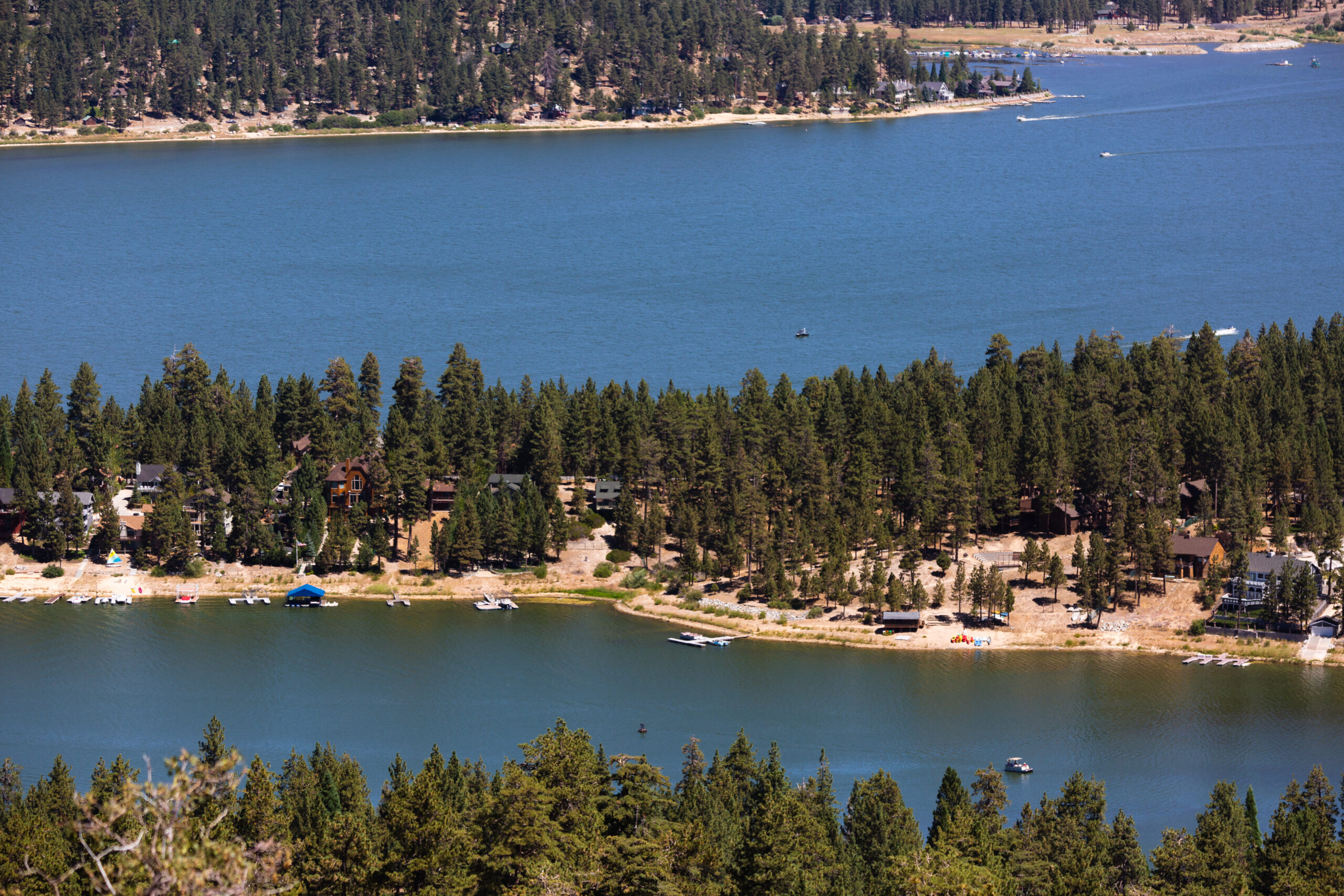
Big Bear Lake sits in the San Bernardino Mountains at roughly 6,750 feet, about two hours from Los Angeles by Highways 18 and 38. That access makes it the most commuter-friendly snow town on this list, though the winding mountain road is never a quick trip.
The town runs on year-round recreation. The lake anchors the summer with boating, fishing, and paddling, while Snow Summit and Bear Mountain anchor the winter with lift-served skiing and snowboarding. Few California mountain towns pack both seasons into one community as completely as Big Bear does.
Housing leans more affordable than the Sierra towns. Big Bear Lake home values generally run from the $450,000s into the high $500,000s, and neighboring Big Bear City sits lower, in the mid-$400,000s. A heavy vacation-rental market shapes the housing stock, so a full-time buyer competes with investors for cabins and chalets.
Big Bear works well for a buyer who wants mountain life without losing reach to Southern California. The wildfire risk is real, as it is across these mountains, so factor insurance and brush clearance into the budget from the start.
Truckee: A Full-Service Town in the High Sierra
Truckee sits in the Sierra Nevada at about 5,900 feet, directly on Interstate 80, roughly thirty minutes from Reno and minutes from Lake Tahoe’s north shore and Donner Lake. The freeway access is unusual for a mountain town and a major reason Truckee functions year-round.
Of the five towns here, Truckee is the most complete community. It has a historic downtown, a hospital, full-size schools, and a large, established population of remote workers and families. Skiing at Palisades Tahoe and Northstar sits close, but the town stands on its own beyond the resorts.
That completeness carries a price. Truckee is the most expensive town on this list, with a typical home value near $1 million. Winters are long, and snowfall arrives in feet rather than inches, which means serious snow removal and a roof built for the load.
Truckee suits a buyer who wants a real town with real services and a four-season climate, and who has the budget to match. It is mountain living without the feeling of living in a remote outpost.
Mammoth Lakes: Big Snow in the Eastern Sierra
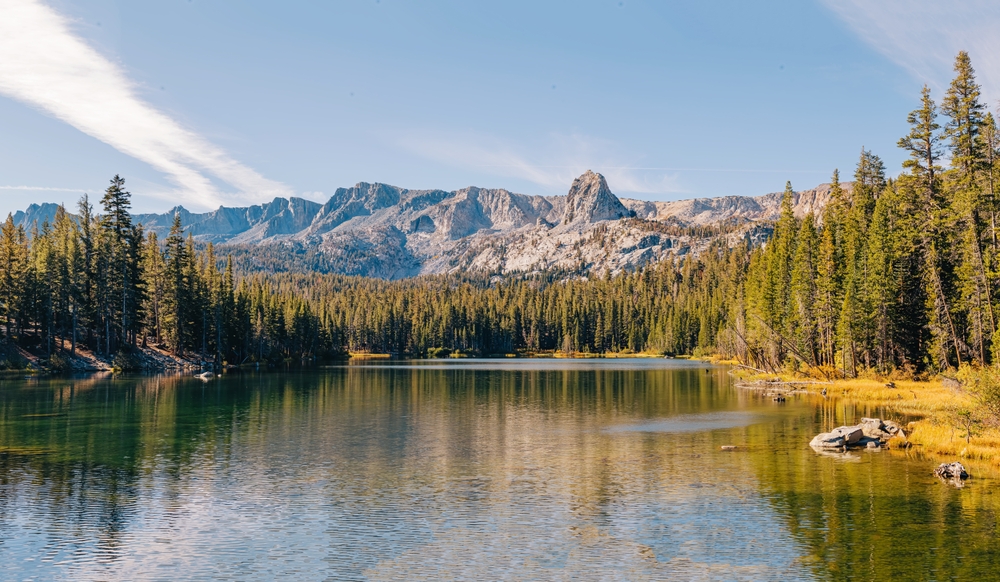
Mammoth Lakes sits in the Eastern Sierra at about 7,880 feet, the highest town in this guide. The town’s ski resort, Mammoth Mountain, ranks among the largest in the country and serves as the economic engine, and the snow it draws is the headline. As a result, the season runs long, and in big years the mountain stays open into summer.
The setting is dramatic. Alpine lakes, granite peaks, and the Eastern Sierra escarpment surround the town. For a buyer who measures a place by its access to the outdoors, few spots in the state compete.
The trade-off is distance. Mammoth Lakes sits five or more hours from Los Angeles, far from any large metro, with one main highway connecting it to the rest of California. A typical home runs around $800,000. Winters are demanding, and a closed mountain pass can reroute a trip by hours.
Mammoth fits a buyer who prizes the mountains themselves above convenience, and who can work remotely or build a life that does not require frequent trips to a city.
Idyllwild: An Arts Town in the San Jacinto Mountains
Idyllwild sits in the San Jacinto Mountains at roughly 5,400 feet, about two hours from Los Angeles and an hour from Palm Springs. Unlike the ski towns on this list, Idyllwild built its identity around the arts, with galleries, live music, a respected arts academy, and a walkable village center.
The climate is gentler than the Sierra. Idyllwild gets four seasons and winter snow, yet the winters are shorter and milder than Truckee or Mammoth. There is no major ski resort, so recreation centers on hiking and rock climbing, with Tahquitz Rock and Suicide Rock drawing climbers from across the region.
Idyllwild is the most affordable town in this guide, with a typical home value in the high $400,000s. The smaller, quieter market means less investor competition than Big Bear sees.
Idyllwild suits a buyer who wants a creative, low-key community, a milder mountain climate, and a manageable drive back to Southern California when city life calls.
Julian: Historic Apple Country Near San Diego
Julian sits in the San Diego backcountry at about 4,200 feet, the lowest elevation in this guide and the closest to a major coastal city. A historic gold-mining town, Julian is now known for apple orchards, cider, and the pie shops that fill its small main street each fall.
The setting is oak woodland and rolling ranch country rather than dense alpine forest. Winters are mild with occasional snow, and summers run warm but cooler and drier than the coast. The pace is rural and quiet, and the town itself is tiny.
Home values generally run from the high $500,000s into the low $600,000s. Julian sits about an hour from San Diego, which makes it the most reachable of these towns for anyone tied to a coastal job or family.
Julian works for a buyer who wants a genuinely rural, small-town life with a historic character, while keeping a major city within a reasonable drive. It is the gentlest entry on this list for anyone unsure about deep-snow living.
Choosing the Right Mountain Town for You
The five towns sort cleanly once a buyer names a priority. Big Bear and Idyllwild are the practical choices for regular trips to Los Angeles, while Julian stands alone for anyone tied to San Diego. A buyer who wants a full-service town with hospitals and schools should look to Truckee. Meanwhile, the biggest mountains and the deepest snow belong to Mammoth Lakes, as long as isolation is acceptable.
Budget sorts them too. Idyllwild is the most affordable, followed by Big Bear, then Julian, then Mammoth Lakes, with Truckee at the top near $1 million. The gap between the cheapest and the most expensive town is wide enough to decide the search on its own.
Three checks protect a mountain purchase. First, visit in winter, because a town that charms in July is a different place under three feet of snow. Second, price the insurance early, since these towns sit in wildfire country and many homes need extra coverage and brush clearance to qualify. The guides on the California FAIR Plan and on defensible space zones cover both. Third, confirm the basics a city buyer takes for granted: whether the home runs on a well and septic system, how snow removal works on the road, and whether internet service supports remote work.
Final Takeaway
The best California mountain town is the one that matches the trade a buyer is willing to make. Every town on this list swaps city convenience for elevation, quiet, and a real winter. The question is which version of that trade fits.
Big Bear Lake pairs lake-and-ski recreation with the shortest reach to Los Angeles. Truckee delivers a complete, full-service town for buyers who can meet its price. Mammoth Lakes offers the most dramatic mountains for buyers who accept the isolation. Idyllwild combines an arts community and a mild climate at the lowest cost. Julian provides a rural, historic small town within an hour of San Diego.
Whatever the choice, the preparation is the same. Visit across seasons, build wildfire insurance and defensible space into the budget, and confirm the practical details of water, road, and connectivity before the offer.
For buyers still mapping the wider search, the guide to the best places to live in California sets these mountain towns against the state’s coastal and valley options, so the final pick reflects the whole picture rather than the view from one weekend.
Frequently Asked Questions
What is the most affordable California mountain town to live in?
Of the towns in this guide, Idyllwild is the most affordable, with a typical home value in the high $400,000s. Big Bear City also runs in the mid-$400,000s. Both sit well below Truckee, where the typical home approaches $1 million.
What is the most expensive California mountain town here?
Truckee is the most expensive town in this guide, with a typical home value near $1 million. Its location on Interstate 80, its proximity to Lake Tahoe, and its full set of town services all push prices above the other four communities.
Which California mountain town is closest to a major city?
Big Bear Lake and Idyllwild both sit about two hours from Los Angeles, and Julian sits about an hour from San Diego. Truckee is roughly thirty minutes from Reno, while Mammoth Lakes is the most remote, more than five hours from Los Angeles.
Do California mountain towns get a lot of snow?
It varies widely. Truckee and Mammoth Lakes receive heavy Sierra snowfall measured in feet each winter. Big Bear and Idyllwild get regular but lighter snow, and Julian, the lowest in elevation, sees only occasional light snow.
Is home insurance expensive in California mountain towns?
Yes. Most California mountain towns sit in designated wildfire areas, which raises premiums and sometimes leads private insurers to decline coverage. Many homeowners rely on the California FAIR Plan, and defensible space work is often required to keep a policy in force.
Can you live in a California mountain town year-round?
Yes. All five towns have full-time residents, schools, and year-round services. Year-round living means planning for snow removal, tire chains, longer drives to hospitals and large stores, and seasonal road closures during major storms.