Selling a home doesn’t always mean you’re ready to hand over the keys immediately. At the same time, buying a home doesn’t always mean you need to move in the moment you close. When timing doesn’t line up perfectly (and it often doesn’t) that’s where a rent-back agreement enters the conversation.
Rent-back agreements can feel unfamiliar or even risky to buyers and sellers who haven’t encountered them before. Sellers may worry about costs or obligations, while buyers often hesitate at the idea of owning a home they can’t occupy right away. Without clear guidance, this arrangement can easily be misunderstood.
The truth is that a rent-back agreement can be a practical, strategic tool when handled correctly. In this article, we’ll break down how a rent-back agreement works, why it’s used, who benefits most from it, and what both sides should carefully consider before agreeing to one.
What a Rent-Back Agreement Really Is
A rent-back agreement allows the seller to remain in the home after closing for a specific period of time while paying rent to the buyer. Ownership transfers to the buyer at closing, but possession is delayed. This arrangement is sometimes also called a lease-back, depending on local terminology.
From a legal standpoint, once closing occurs, the buyer becomes the owner and the seller becomes a tenant. That shift is important because it changes responsibilities, liability, and expectations for both parties. Even though the seller may feel like they are still in “their” home, they are technically renting it.
A rent-back agreement is always temporary. The length can range from a few days to several weeks, depending on what’s negotiated and what local laws or lender guidelines allow. Clear timelines are critical so both parties know exactly when possession changes hands.
Why a Rent-Back Agreement Is Used
The most common reason for a rent-back agreement is timing. Sellers may be waiting for their next home to close, finishing construction on a new build, or coordinating a long-distance move. A rent-back allows them to sell without rushing into temporary housing.
From a buyer’s perspective, agreeing to a rent-back agreement can strengthen an offer. In competitive markets, flexibility often matters just as much as price. Sellers are more likely to accept an offer that accommodates their move-out timeline.
In some cases, buyers don’t need immediate occupancy. Investors, second-home buyers, or buyers with flexible living arrangements may see a rent-back agreement as a low-impact concession that helps secure the property.
Who Benefits Most from a Rent-Back Agreement

Sellers benefit from continuity and reduced stress. Instead of juggling moving trucks, storage units, and short-term rentals, they can stay in their home while finalizing their next step.
Buyers benefit by making their offer more appealing. A rent-back agreement can sometimes replace other concessions, such as price reductions or repair credits, that might be more costly.
Both sides benefit when expectations are clear. When properly structured, a rent-back agreement creates breathing room without derailing the transaction.
Key Terms in a Rent-Back Agreement
A strong rent-back agreement clearly defines rent amount, length of stay, and security deposit. Rent is often based on the buyer’s daily mortgage cost, taxes, and insurance, but it can be negotiated.
Utilities and maintenance responsibilities should also be spelled out. Typically, the seller continues to pay utilities and is responsible for keeping the home in the same condition as when it closed.
Another critical term is the move-out deadline. The agreement should state what happens if the seller overstays, including daily penalties. This protects the buyer and sets firm expectations.
Risks and Pitfalls of a Rent-Back Agreement

For buyers, the biggest risk is liability. Once the sale closes, the buyer owns the home. That means proper insurance coverage is essential, including understanding how landlord policies apply during the rent-back period.
There’s also the risk of damage or delayed possession. While most rent-back agreements go smoothly, buyers need protection if something goes wrong. A security deposit and clear contract language help reduce that risk.
Sellers should be aware that they are tenants during the rent-back period. Failure to follow the agreement could lead to financial penalties or legal consequences, even though the home was previously theirs.
How a Rent-Back Agreement Fits into Negotiation Strategy
A rent-back agreement is often less about rent and more about leverage. Sellers may prioritize flexibility over price, making a rent-back a powerful negotiation tool.
Buyers can use a rent-back agreement strategically to stand out without increasing their offer price. In some cases, flexibility can win a deal even against higher bids.
The key is intentionality. A rent-back agreement should be used thoughtfully, not casually, and always with professional guidance.
Making a Rent-Back Agreement Work Smoothly
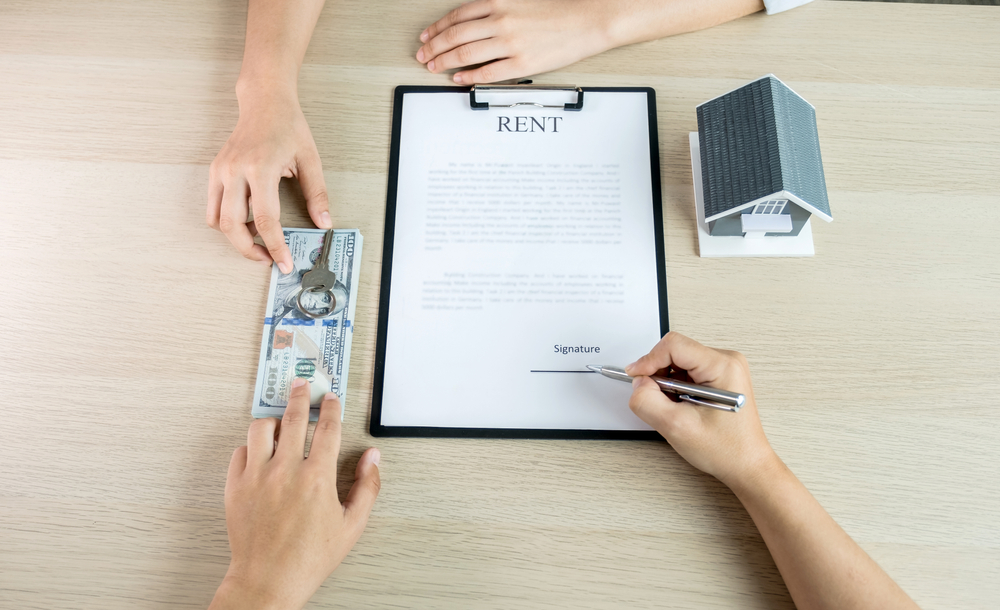
Clear communication is essential. Both parties should fully understand the terms before closing, including insurance coverage, responsibilities, and timelines.
Working with experienced professionals makes a difference. Realtors help structure rent-back agreements that align with local laws and lender requirements, reducing surprises.
When expectations are realistic and clearly documented, a rent-back agreement can provide flexibility without unnecessary risk.
Frequently Asked Questions
Is a rent-back agreement legal?
Yes, rent-back agreements are legal in many areas, but they must comply with state laws and lender guidelines.
Who pays for insurance during a rent-back agreement?
The buyer typically carries homeowner or landlord insurance, while the seller may also maintain renter’s insurance during the rent-back period.
How long can a rent-back agreement last?
The length varies, but many lender guidelines limit rent-back agreements to short-term periods, often 30 to 60 days.
What happens if the seller doesn’t move out on time?
Most rent-back agreements include daily penalties or legal remedies to protect the buyer if the seller overstays.
Should buyers always agree to a rent-back agreement?
No. Whether a rent-back agreement makes sense depends on the buyer’s risk tolerance, timeline, and overall transaction strategy.