There are cities that exist, and then there are cities that are so culturally potent, so economically influential, that their impact far exceeds their geography. San Francisco is unapologetically one of the latter.
Perched on 47 square miles of hills, fog, and waterfront, this city has launched social movements, birthed technological revolutions, and cultivated a distinct identity that attracts dreamers, builders, artists, and entrepreneurs from around the world. It’s a place where Victorian architecture meets cutting-edge innovation, where billion-dollar companies operate alongside family-owned dim sum restaurants that haven’t changed their recipes in decades.
Living in San Francisco is not easy, and anyone who tells you otherwise is either wildly wealthy or willfully naive. The cost of living ranks among the highest in the nation, housing is scarce and expensive, and visible urban challenges like homelessness and property crime remain persistent realities.
Space is at a premium. Privacy can feel like a luxury. And yet, despite these very real tradeoffs, people continue to choose San Francisco, not because it’s comfortable, but because it’s exceptional. The city offers a density of opportunity, talent, and ambition that’s nearly impossible to replicate. Where else can you overhear a conversation about artificial intelligence breakthroughs at a neighborhood coffee shop, stumble upon world-class art galleries in converted warehouses, and walk to dinner at a Michelin-starred restaurant, all before sunset?
What sets San Francisco apart isn’t just its economic dynamism or its cultural cachet, but its sheer walkability and neighborhood diversity. This is a city of distinct micro-communities, each with its own character, architecture, and vibe.
Pacific Heights exudes old-money elegance with its grand mansions and sweeping views. The Mission District pulses with Latin American culture, vibrant murals, and some of the best tacos you’ll find anywhere. The Marina caters to young professionals who value waterfront access and weekend farmers markets. SoMa offers urban density and proximity to tech headquarters. Unlike sprawling cities where neighborhoods bleed together, San Francisco’s geography—defined by hills, water, and a grid that defies logic—creates natural boundaries that preserve each area’s identity.
The city’s relationship with weather is equally distinctive. Forget the California sunshine stereotype. San Francisco is famous for its fog, microclimates, and layered clothing requirements even in July. It’s a city where summer can feel like autumn, where one neighborhood basks in sunshine while another three miles away is shrouded in gray.
For some, this climate is exactly the appeal: no oppressive heat, no humidity, no extreme weather. For others, especially those expecting Southern California warmth, it’s a jarring adjustment. But once you learn to embrace the fog (locals call it Karl), pack a jacket regardless of the season, and appreciate that “coldest winter I ever spent was a summer in San Francisco” is actually true, the weather becomes part of the city’s charm.
So who thrives here? People who can afford it, certainly, but more specifically, people who value cultural richness over square footage, career acceleration over quiet suburban comfort, and access to world-class food, art, and ideas over predictable weather and easy parking.
San Francisco rewards curiosity, ambition, and adaptability. It’s not a city for everyone, but for those it fits, it’s incomparable. This guide will help you understand whether San Francisco’s particular brand of exceptional difficulty aligns with your goals, your budget, and your vision of what makes a place worth calling home.
Quick Snapshot
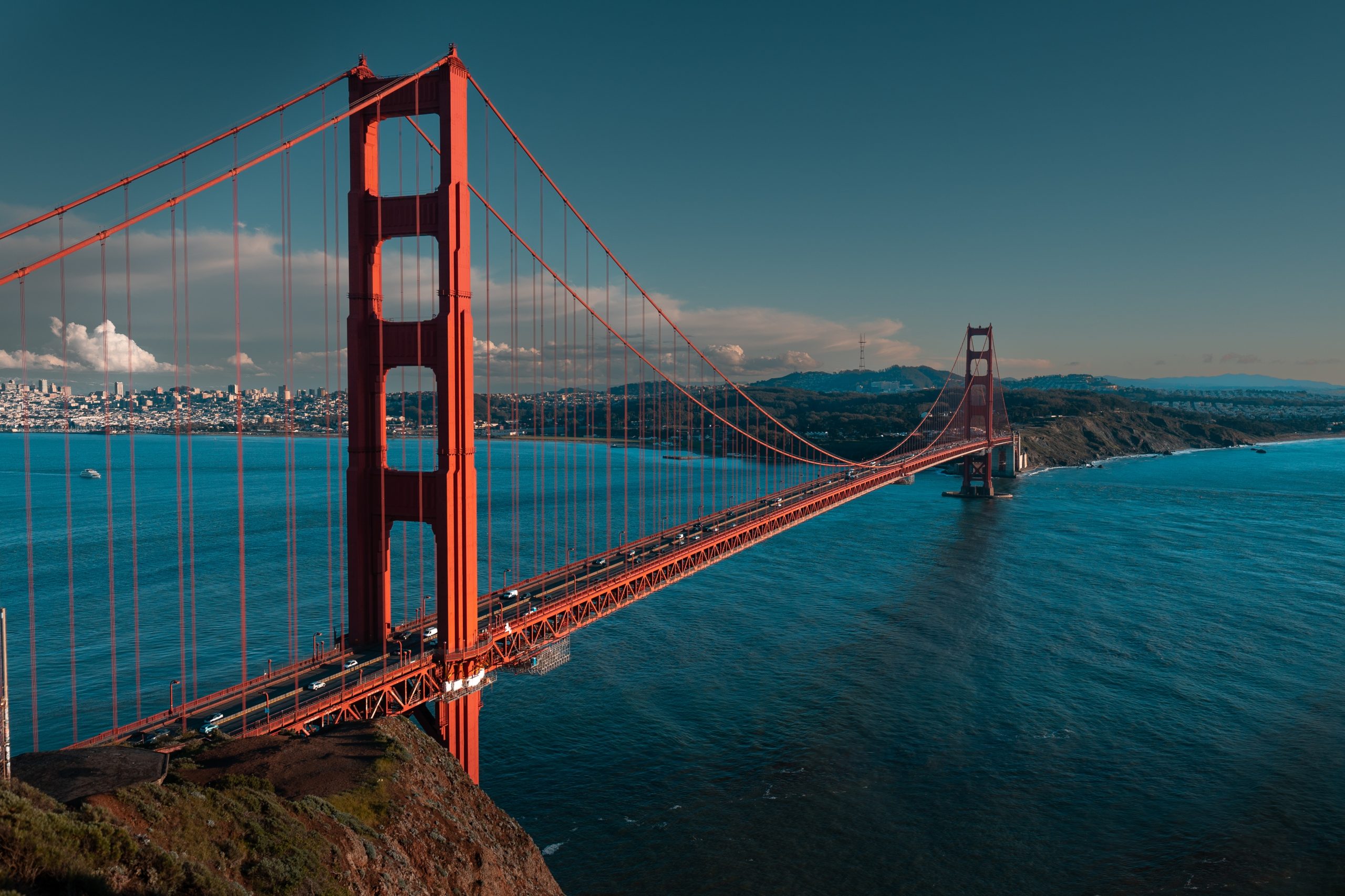
San Francisco, California is one of the most iconic cities in the world, known for its dense urban living, innovation economy, historic neighborhoods, dramatic geography, and cultural influence. While smaller in size than Los Angeles or San Diego, San Francisco carries an outsized global footprint and remains one of the most expensive places to live in the United States.
Population: ~808,000–827,000 residents[1][2]
County: City & County of San Francisco
Median Household Income: ~$136,000–$141,000[3][4]
Median Home Value: ~$1.27M–$1.5M[5][6]
Median Rent: ~$3,065–$3,582/month[7][8]
Average Commute: ~31–34 minutes[9]
Vibe: Dense, urban, tech-driven, walkable, neighborhood-centric
Cost of Living in San Francisco, CA
Housing Costs
Housing is the single biggest financial consideration when moving to San Francisco.
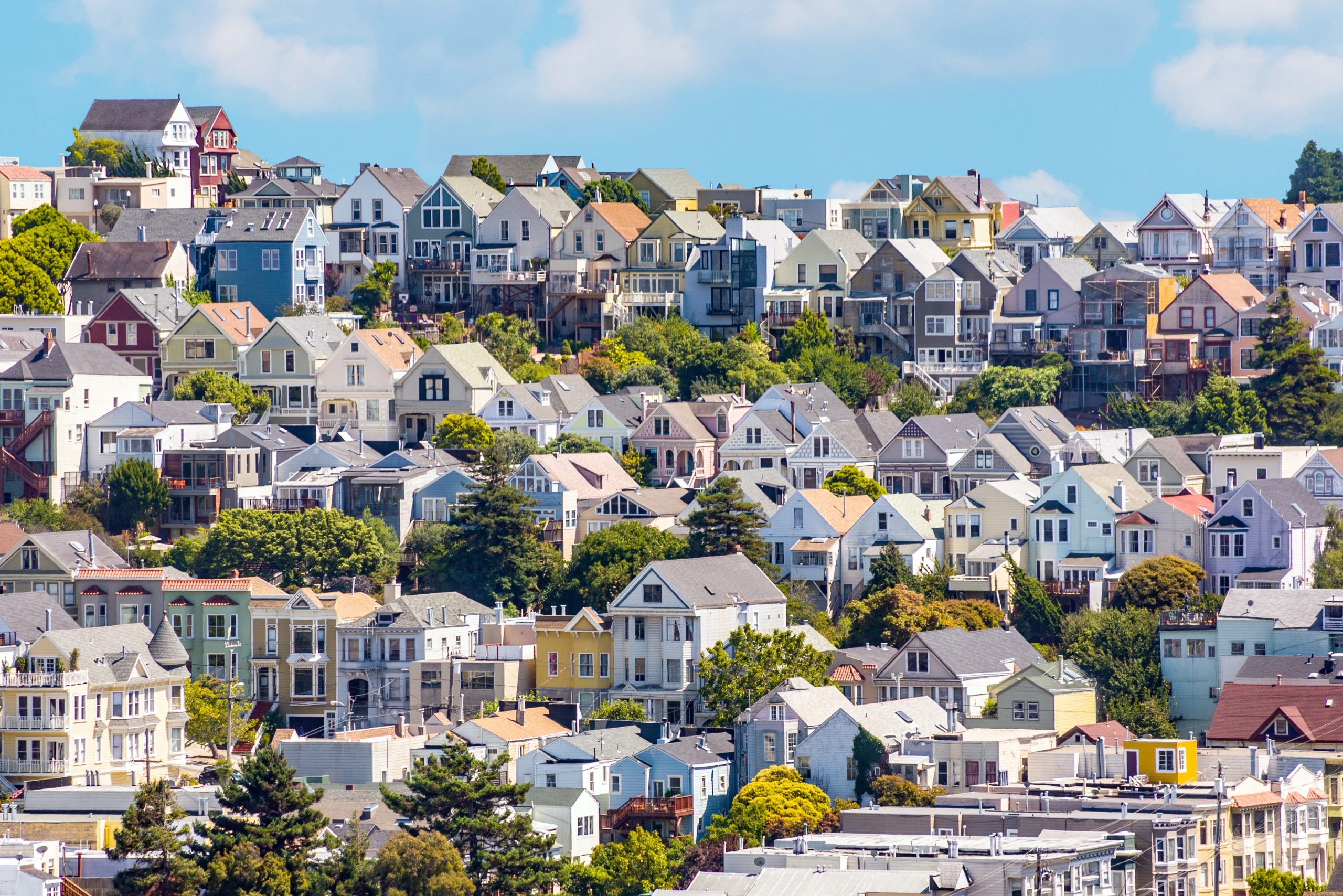
- Home prices: Median home values typically range from $1.27M to $1.5M[5][6], depending on market conditions and neighborhood. Condos can offer lower entry points, while single-family homes command premium pricing.
- Rent: Average rents often fall between $3,065–$3,582/month[7][8], with significant variation based on neighborhood, unit size, and building age.
- Housing stock: A mix of historic Victorians, Edwardians, condos, apartment buildings, and newer high-rise developments.
- Context: Even after recent market corrections, San Francisco remains one of the most expensive housing markets in the country.
Utilities
Utility costs in San Francisco are moderate relative to housing costs, largely due to the city’s mild climate.
- Electricity, water, trash, and internet costs are generally in line with other major California cities.
- Limited need for air conditioning helps keep summer energy costs lower than inland cities.
- Older buildings may have higher heating or maintenance-related utility costs.
Gas & Transportation
Transportation costs vary widely depending on whether you own a car.
- Gas prices follow Bay Area averages, which are consistently among the highest in the U.S.
- Many residents do not own cars, relying instead on public transit, walking, biking, and rideshare.
- Parking can be expensive and limited, especially in dense neighborhoods.
Groceries & Everyday Costs
Grocery prices are well above the national average, driven by labor, rent, and logistics costs.
Dining out is expensive, too, though the city offers a wide range of cuisines, from casual eateries to Michelin-starred restaurants.
Services (childcare, fitness, personal care) often carry premium pricing as well. Be sure to factor these elements into your budget when considering living in San Francisco.
Lifestyle & Quality of Life
Traffic & Commute
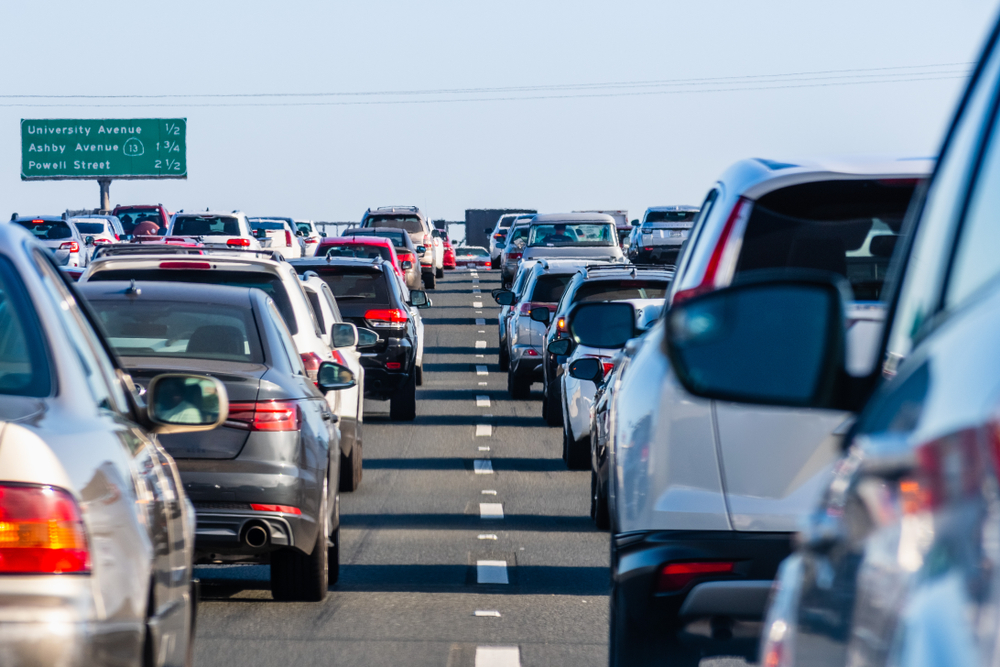
While San Francisco is smaller geographically, commutes can still be time-consuming.
- Average commute times hover around 31–34 minutes[9], influenced by congestion, transit schedules, and geography.
- Public transportation (MUNI, BART, ferries) plays a major role in daily commuting.
- Many residents choose neighborhoods specifically to minimize commute times.
Key takeaway: In San Francisco, where you live in relation to where you work matters enormously.
Neighborhoods & Areas to Know
San Francisco is extremely neighborhood-driven, with each area offering its own distinct identity, housing stock, and lifestyle.
Pacific Heights / Presidio Heights
Pacific Heights and Presidio Heights represent San Francisco’s most prestigious and architecturally stunning residential neighborhoods, where grand Victorian and Edwardian mansions line steep streets offering panoramic views of the Golden Gate Bridge, Alcatraz, and the Bay.
This is old-money San Francisco—a neighborhood of consulates, private schools, and homes that regularly sell for $5 million and up[10]. The tree-lined streets, impeccably maintained gardens, and sense of quiet elegance create an almost suburban tranquility despite being in the heart of the city. Fillmore Street provides the neighborhood’s main commercial corridor, with upscale boutiques, cafes, and restaurants catering to the affluent residents.
Living in Pacific Heights means trading affordability for prestige, space, and some of the most spectacular urban views in America. The neighborhood attracts established professionals, wealthy families, and anyone who prioritizes architectural beauty and a refined residential atmosphere. Schools in the area are generally strong, and the sense of safety and community is pronounced.
However, this exclusivity comes with significant costs—not just in housing prices, but in the lifestyle expectations and social dynamics. The neighborhood can feel insular and less diverse than other parts of the city. For those who can afford it and value traditional elegance over urban grittiness, Pacific Heights offers a San Francisco experience that feels more like a European capital than a tech hub.
Marina / Cow Hollow
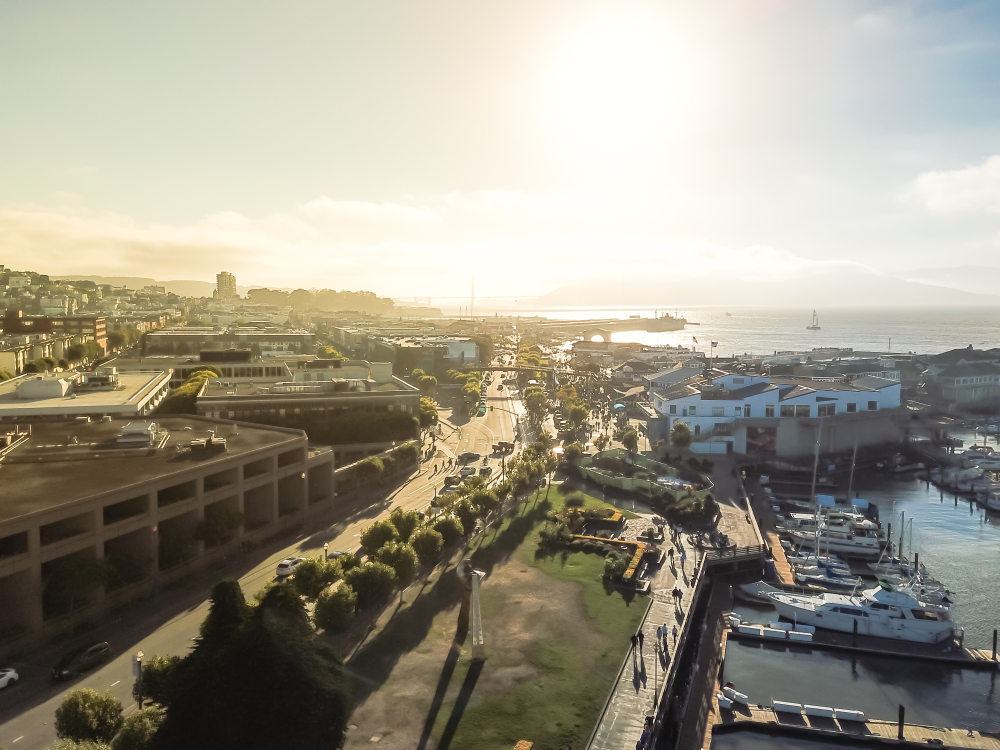
The Marina and Cow Hollow neighborhoods cater to a younger, more social demographic—think professionals in their late 20s to early 40s who want waterfront access, weekend activities, and a vibrant dining and bar scene. The Marina sits along the northern waterfront, offering stunning views of the Golden Gate Bridge, the Palace of Fine Arts, and easy access to the Marina Green and Crissy Field for running, biking, and outdoor recreation. Chestnut Street and Union Street serve as the main commercial corridors, packed with restaurants, bars, boutiques, and weekend brunch spots that fill with groups of friends and young couples.
The neighborhood has a reputation—sometimes affectionately, sometimes critically—as “fratty” or “basic,” attracting recent college graduates, transplants from other states, and those seeking a more conventional social scene. Housing ranges from apartments in converted Victorian buildings to modern condos, with prices high but generally more accessible than Pacific Heights. The Marina’s flat terrain makes it bike-friendly, and its proximity to both downtown and the Presidio provides excellent location advantages.
However, the neighborhood lacks some of the cultural diversity and grit that characterize other parts of San Francisco. It can feel demographically homogeneous and less authentically “San Francisco” to long-term residents. For young professionals seeking an active social life, outdoor recreation, and a relatively straightforward urban experience, the Marina and Cow Hollow deliver exactly what they promise.
Mission District
The Mission District is San Francisco’s cultural heart—a neighborhood where Latin American heritage, street art, nightlife, and tech gentrification collide in ways both creative and contentious. This is where you’ll find the city’s best tacos, burritos, and pupusas, where murals by world-renowned artists cover entire building facades, where Valencia Street’s boutiques and bars coexist with longstanding community organizations and affordable housing advocates. The Mission enjoys some of San Francisco’s warmest and sunniest weather due to its inland location, making it a magnet for outdoor dining, street festivals, and weekend crowds.
The neighborhood’s transformation over the past two decades reflects broader tensions in San Francisco’s evolution. Tech workers have moved in, driven by the area’s central location and vibrant atmosphere, pushing up rents and displacing longtime Latino residents. Dolores Park has become a weekend gathering spot for tech transplants, while community activists work to preserve affordable housing and cultural institutions.
The result is a neighborhood that’s simultaneously one of San Francisco’s most exciting and most conflicted. Housing options range from Victorian apartments to newer condo developments, with prices varying significantly by block. The Mission offers unmatched access to food, nightlife, and culture, but it also experiences higher rates of property crime and visible homelessness than more residential neighborhoods. For those seeking authenticity, diversity, and urban energy—and who can navigate the neighborhood’s complexities with awareness and respect—the Mission remains one of San Francisco’s most compelling places to live.
Noe Valley
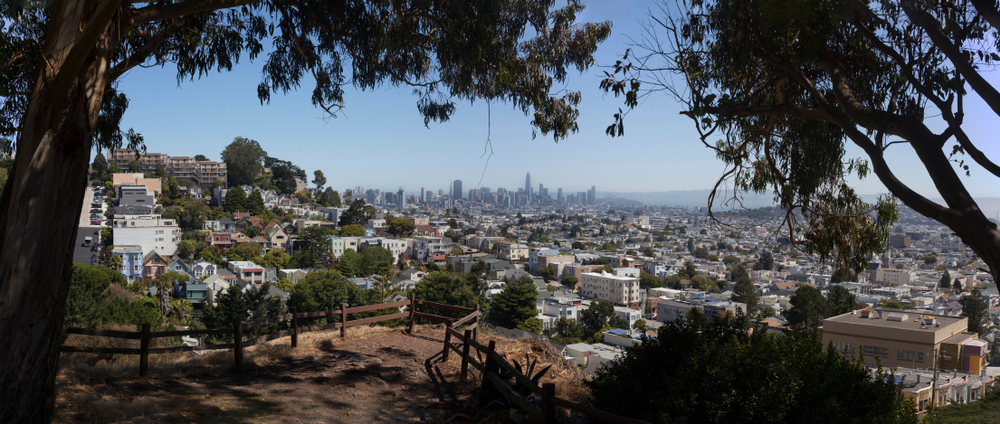
Noe Valley offers a village-like atmosphere within the city, attracting families, professionals, and anyone seeking a more residential, community-oriented experience. Often referred to as “Stroller Valley” due to its popularity with young families, the neighborhood features tree-lined streets, well-maintained Victorian homes, and a main commercial corridor (24th Street) packed with independent shops, cafes, bookstores, and family-friendly restaurants. The microclimate here is generally warmer and sunnier than many parts of San Francisco, adding to the neighborhood’s appeal.
What distinguishes Noe Valley is its relative tranquility and strong community feel. Residents tend to stay long-term, neighborhood schools are well-regarded, and there’s an active community association that organizes farmers markets and local events. The housing stock primarily consists of single-family Victorian and Edwardian homes, along with some apartment buildings, with prices reflecting the neighborhood’s desirability and limited inventory.
While more affordable than Pacific Heights, Noe Valley still commands premium pricing due to its family-friendly reputation and quality of life. The neighborhood’s main drawback is its distance from downtown and limited nightlife—this isn’t where you go for late-night entertainment or urban excitement. However, for families with children, professionals seeking a quieter home base, or anyone who values community over convenience to nightlife, Noe Valley provides a San Francisco experience that feels remarkably grounded and livable.
SoMa (South of Market)
SoMa represents San Francisco’s most dramatic urban transformation, evolving from a former industrial district into the city’s tech and startup epicenter. This is where major tech companies like Salesforce, Uber, and Twitter (now X) have their headquarters, where new high-rise residential towers shoot up seemingly overnight, and where the urban landscape shifts from block to block—luxury condos next to older SROs, Michelin-starred restaurants next to still-vacant lots. The neighborhood lacks the residential charm of Noe Valley or the architectural beauty of Pacific Heights, but it offers something else: proximity to work, urban density, and access to some of the city’s best new restaurants and cultural venues.
Living in SoMa means embracing a fully urban lifestyle. Most housing consists of modern condos and apartment buildings with amenities like gyms, rooftop terraces, and concierge services. The neighborhood attracts tech workers who prioritize location over character, young professionals who want walkable access to offices and nightlife, and empty nesters seeking low-maintenance urban living.
However, SoMa also experiences significant challenges—higher rates of homelessness and property crime, limited green space, and a somewhat sterile, corporate atmosphere in parts of the neighborhood. The eastern edge near the waterfront and ballpark offers more residential appeal, while areas further inland feel more industrial. For those whose work centers on the tech industry and who value convenience and modern amenities over neighborhood character, SoMa offers unmatched access to San Francisco’s economic engine. Just don’t expect Victorian charm or a village feel.
Sunset / Richmond
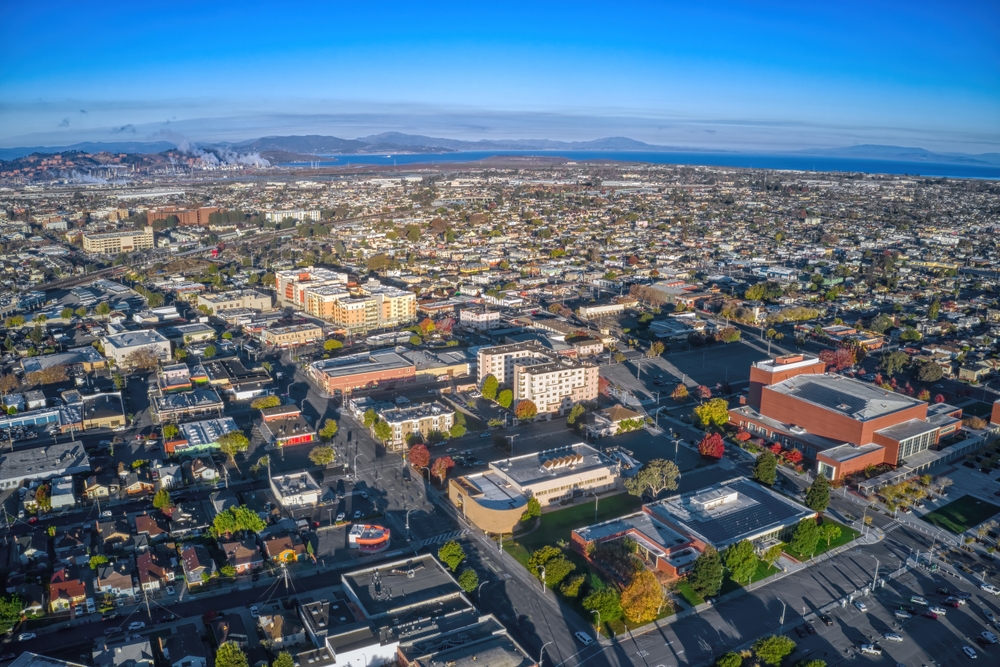
The Sunset and Richmond districts, occupying the western side of San Francisco, offer a completely different experience from the city’s more famous neighborhoods. Often overlooked by newcomers, these residential areas provide more affordable housing, diverse communities, and proximity to Ocean Beach and Golden Gate Park.
The fog is thicker here, the weather cooler, and the vibe decidedly more low-key than downtown or the Mission. Both neighborhoods are heavily residential with commercial corridors (Irving Street in the Inner Sunset, Clement Street in the Richmond) offering excellent ethnic restaurants, grocery stores, and local businesses.
These neighborhoods appeal to families, students, and anyone seeking relative affordability (by San Francisco standards) and a quieter lifestyle. The Richmond has a strong Asian-American population and some of the best Chinese and dim sum restaurants outside of Chinatown. The Sunset skews younger in the Inner Sunset (close to UCSF) and more family-oriented further west. Housing primarily consists of stucco row houses, many built in the decades following the 1906 earthquake, offering more space than you’d find in similar price ranges elsewhere in the city.
The main tradeoffs are weather—expect fog and wind, especially in summer—and commute times to downtown or tech hubs. Public transit exists but is less convenient than in more central neighborhoods. For those willing to sacrifice some convenience and sunshine for more space and community, the Sunset and Richmond districts offer a version of San Francisco that feels more livable and less performative than the city’s more glamorous neighborhoods.
Schools & Education
San Francisco offers a mix of public, charter, and private schools:
- San Francisco Unified School District (SFUSD) serves the city, with a unique assignment system rather than strictly neighborhood-based schools.
- School quality varies widely; many families consider private or parochial options.
- Higher education institutions include University of San Francisco (USF) and San Francisco State University, with UC Berkeley and Stanford nearby.
School research is essential for families considering a move.
Safety & Crime
Safety perceptions in San Francisco vary widely by neighborhood.
- Property crime and quality-of-life issues (car break-ins, theft) are common concerns in some areas.
- Violent crime rates are lower than in many large U.S. cities, but visibility of homelessness and drug-related issues impacts daily experience.
- Residential neighborhoods often feel significantly safer than tourist-heavy or commercial corridors.
Important: Block-by-block research matters more here than citywide averages.
Weather & Climate
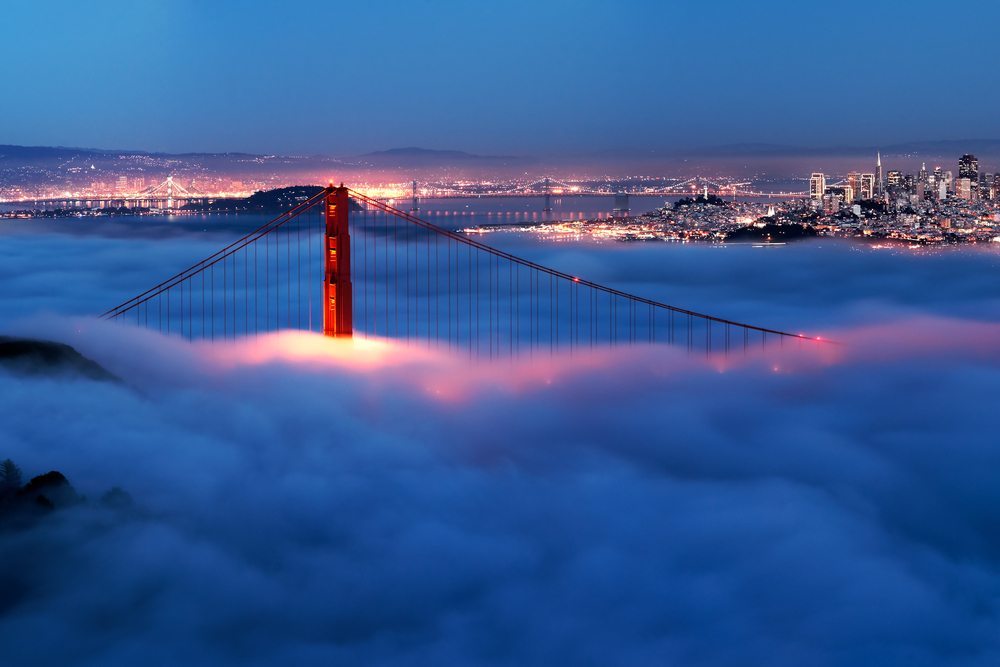
San Francisco has a cool-summer Mediterranean climate, heavily influenced by ocean fog and dramatic microclimates that can make one neighborhood feel like an entirely different season from another just miles away. The city’s famous fog—affectionately nicknamed “Karl” by locals—rolls in from the Pacific, blanketing western neighborhoods while eastern areas bask in sunshine. Summer temperatures typically hover in the 60s, rarely breaking 70 degrees, which surprises visitors expecting California warmth. Winters are mild, with temperatures generally in the 50s, and the city receives most of its limited rainfall between November and March.
The microclimate phenomenon is real and significant. The Marina and Financial District might be sunny and pleasant while the Sunset and Richmond districts remain shrouded in fog. Mission District residents often enjoy the warmest, sunniest weather in the city. This variability means choosing your neighborhood partially depends on your weather preferences. Wind is another constant, especially in exposed areas near the coast or atop hills.
The lack of extreme heat means air conditioning is rarely necessary, keeping energy costs down and making outdoor activities viable year-round. However, the cool temperatures and frequent fog can feel oppressive to those accustomed to warmer climates. Locals joke that summer happens in September and October, when the fog finally lifts and the city experiences its warmest, clearest weather. For those who dislike heat and humidity, San Francisco’s climate is ideal. For sun-seekers expecting California beach weather, it’s a jarring adjustment that requires acceptance and a well-stocked jacket collection.
Work, Economy & Practical Living
Job Market & Major Employers
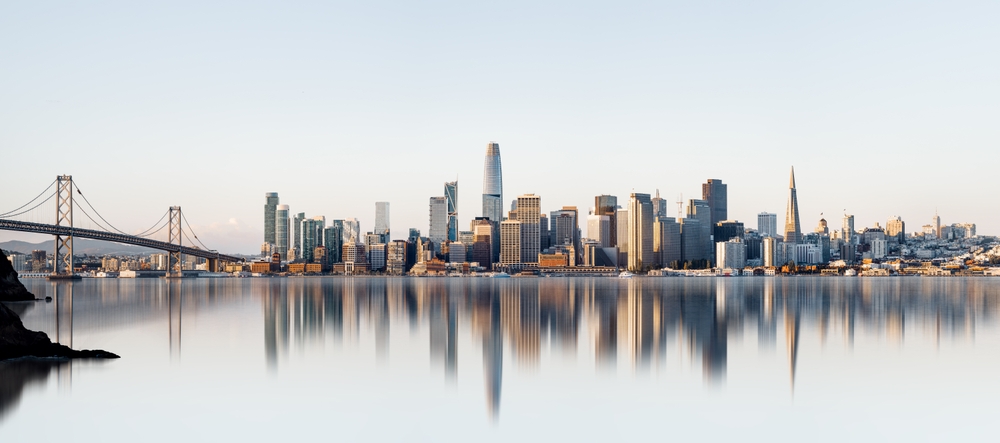
San Francisco remains a global center for:
- Technology & startups
- Finance and venture capital
- Healthcare and biotech
- Tourism and hospitality
- Education and research
While the tech sector has experienced volatility, the city still offers high-paying job opportunities that help offset the high cost of living for many residents.
Healthcare Access
San Francisco offers excellent access to healthcare, including major hospital systems like UCSF Medical Center, Kaiser Permanente, and California Pacific Medical Center, along with numerous specialty clinics and research institutions. Healthcare access is generally considered top-tier.
Taxes & California Realities
Living in San Francisco means navigating California’s tax environment:
- High state income taxes
- Sales tax above national averages
- Property taxes moderated by Proposition 13, but still significant due to high values
For high earners, taxes are a meaningful part of total cost of living calculations.
Lifestyle Perks
Outdoor Recreation & Things to Do
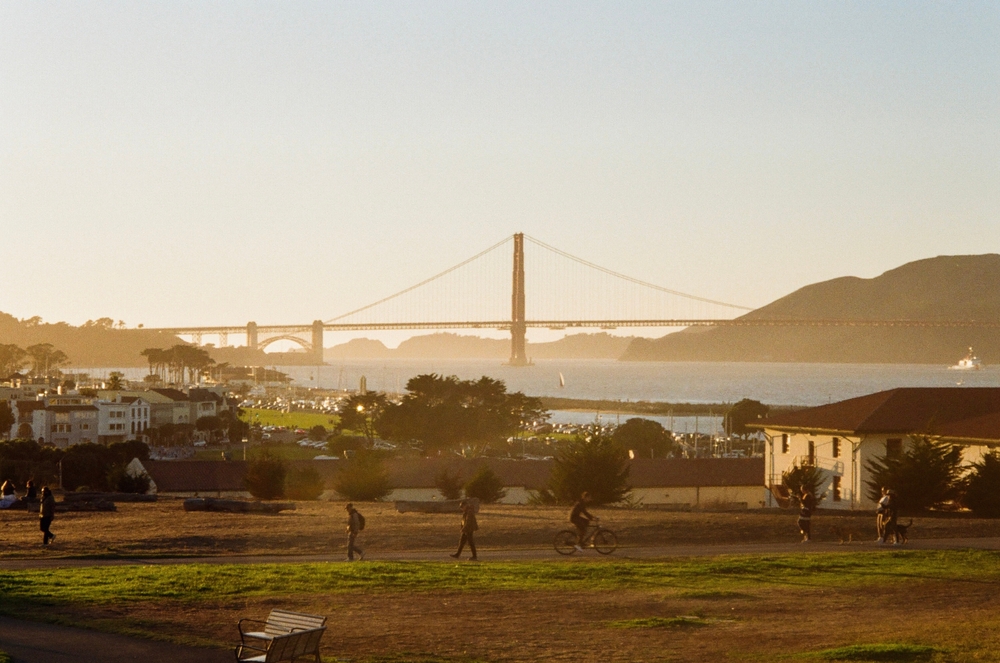
Despite being a dense urban environment, San Francisco offers exceptional access to nature and outdoor recreation that few cities can match. Ocean Beach stretches for miles along the western edge of the city, providing space for surfing, bonfires, and sunset walks. The Presidio—a former military base turned national park—offers hundreds of acres of hiking trails, historic buildings, and stunning views of the Golden Gate Bridge. Golden Gate Park rivals New York’s Central Park in size and amenities, with gardens, museums, lakes, and meadows perfect for picnics, jogging, or simply escaping urban intensity.
The city’s waterfront promenades, from the Embarcadero to Crissy Field, provide paved paths for running, cycling, and walking with Bay views. Within an hour’s drive, residents can access Marin Headlands for hiking with panoramic views, Point Reyes for dramatic coastal landscapes, wine country in Napa and Sonoma, or Lake Tahoe for skiing and mountain recreation.
The city itself is walkable and bikeable in ways that encourage active transportation and exploration. Urban parks dot nearly every neighborhood, and the mild climate means outdoor activities remain viable year-round. For those who prioritize access to nature alongside urban amenities, San Francisco delivers a rare combination that justifies, for many, the high cost and urban challenges.
Dining, Culture & Entertainment
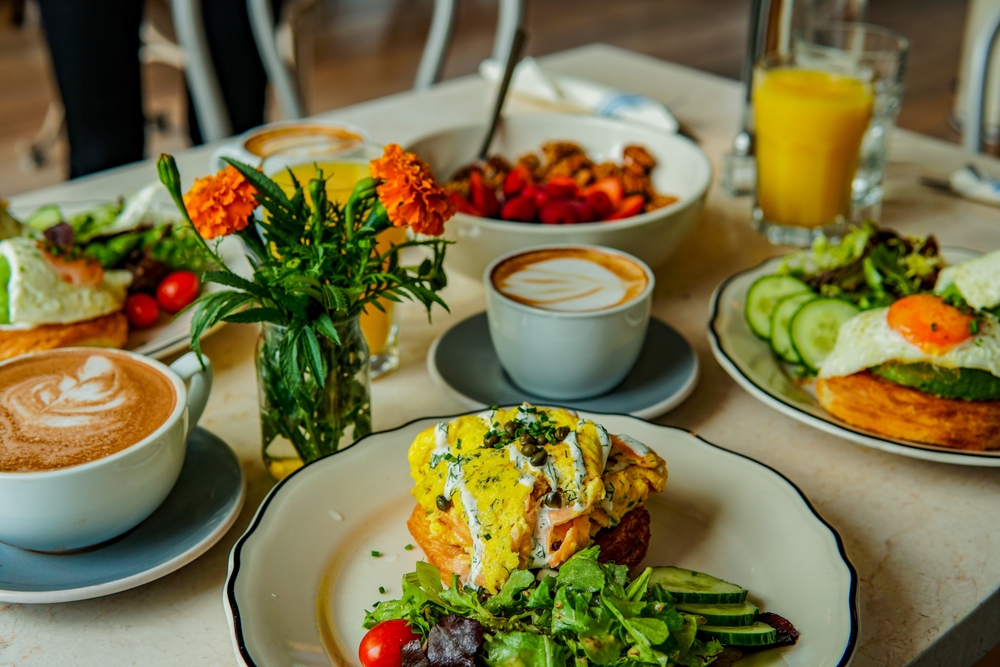
San Francisco stands as one of America’s greatest food cities, with a culinary scene that spans from legendary dim sum restaurants in Chinatown to Michelin three-star temples of gastronomy. The city’s immigrant history and diversity translate directly to its food culture—authentic Mexican taquerias, Vietnamese pho shops, Italian trattorias, Ethiopian restaurants, and innovative fusion concepts all operate at the highest levels.
The Ferry Building Marketplace showcases local artisans, farmers, and specialty food producers, embodying the region’s farm-to-table ethos. Neighborhoods develop their own food identities: the Mission for Mexican and Latin American cuisine, North Beach for Italian, the Richmond for Chinese and Southeast Asian, Hayes Valley for upscale California cooking.
Beyond food, the city’s cultural offerings match or exceed cities many times its size. World-class museums include the San Francisco Museum of Modern Art (SFMOMA), the de Young Museum, and the Asian Art Museum. The symphony, opera, and ballet companies all maintain international reputations. Live music venues range from intimate jazz clubs to historic theaters hosting touring acts.
The city’s history of counterculture, activism, and innovation continues to influence its arts scene, creating an environment where experimental theater, underground music, and avant-garde art thrive alongside more traditional cultural institutions. Festivals celebrating everything from LGBTQ+ pride to ethnic heritage to film and literature occur throughout the year.
The nightlife caters to sophisticated tastes—craft cocktail bars, wine bars, dance clubs, comedy venues—without the aggressive club culture of some cities. For those who value cultural depth, culinary excellence, and arts access, San Francisco provides daily opportunities for engagement and discovery that justify, for many, the financial and practical tradeoffs of living here.
Who San Francisco Is Best For (—And Not For)
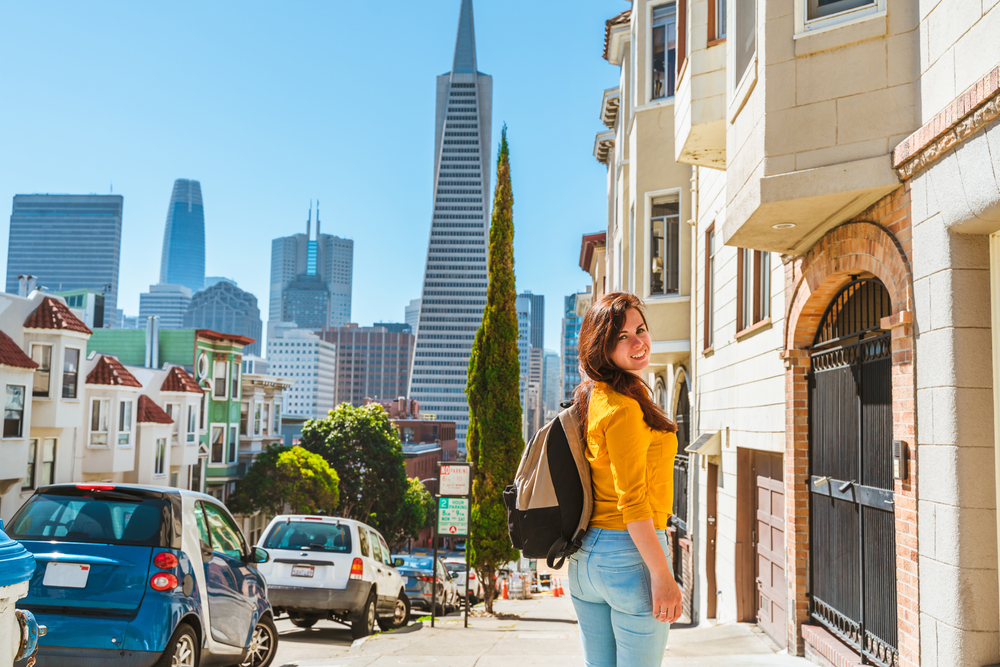
Best for:
- High-income professionals, especially in tech and finance
- People who value walkability and dense urban living
- Those who enjoy culture, food, and innovation-driven environments
- Residents comfortable with compact living spaces
Less suited for:
- Buyers on tight budgets
- People who prefer suburban space or quiet environments
- Those sensitive to visible urban challenges (homelessness, property crime)
Final Thoughts: Is Living in San Francisco Right for You?
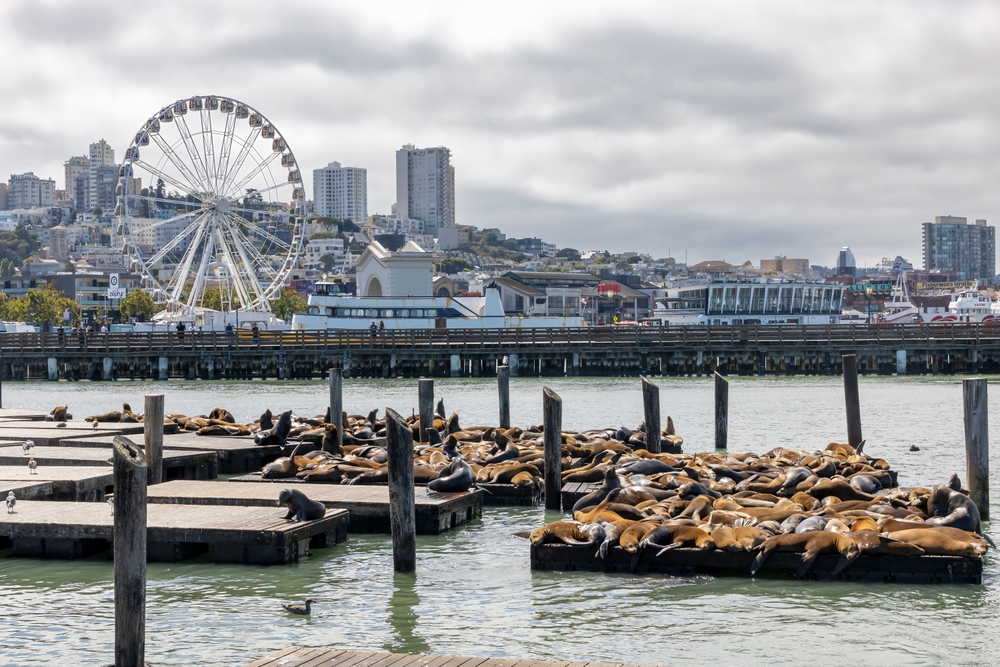
San Francisco is not an easy city—and that statement deserves unpacking because it’s precisely this difficulty that defines both the city’s challenges and its appeal. The cost of living will stretch even comfortable budgets, requiring trade-offs that would seem absurd in most American cities: paying $3,500 for a one-bedroom apartment without parking, spending $1.5 million for a home that needs work, or accepting a longer commute to afford slightly more space.
The visible urban problems—tent encampments, property crime, drug use in certain neighborhoods—are real and persistent, not abstract policy debates but daily realities that affect quality of life. The weather defies California expectations, the housing market feels perpetually out of reach, and the city’s geography conspires to make simple logistics complicated.
And yet people continue choosing San Francisco, not despite these challenges but because of what the city offers in return. This is where transformative companies launch, where billion-dollar ideas germinate over coffee, where your neighbor might be building the next technological breakthrough. The density of talent, ambition, and intellectual capital creates an environment where career trajectories can accelerate in ways that simply don’t happen in more comfortable cities.
The cultural offerings—world-class restaurants, museums, music venues, arts spaces—provide daily enrichment that smaller cities deliver monthly or annually. The walkability means you can accomplish errands, attend social events, and access nature without owning a car. The neighborhood diversity ensures you can find your community, whether that’s young professionals in the Marina, artists in the Mission, families in Noe Valley, or established wealth in Pacific Heights.
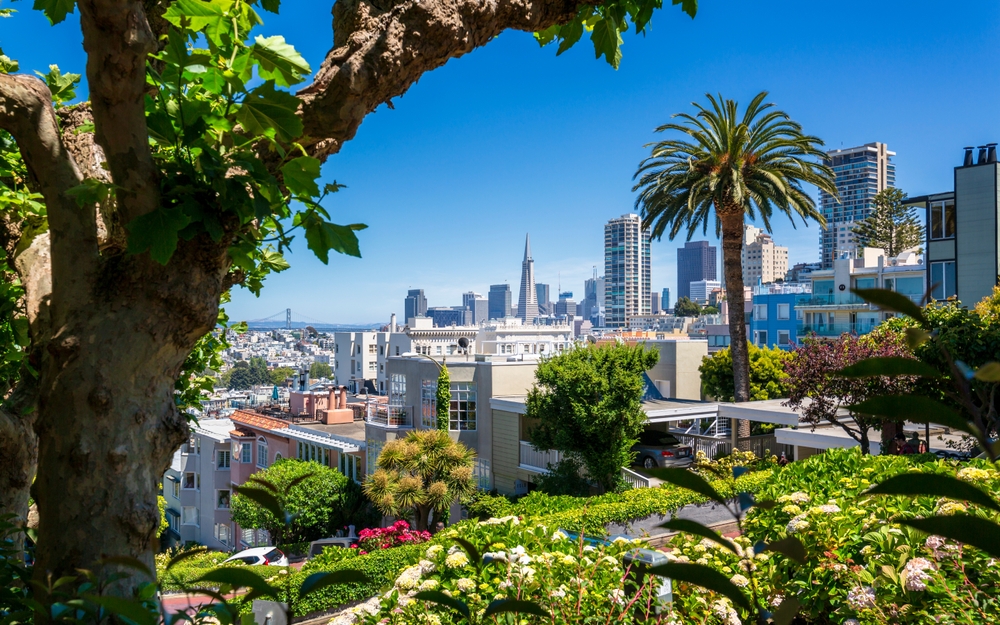
The question isn’t whether San Francisco is objectively “worth it”—that’s unanswerable because it depends entirely on what you value and what you can afford. The better question is whether San Francisco’s particular equation—extraordinary opportunity and culture in exchange for extraordinary cost and urban complexity—aligns with your current life stage and priorities.
For ambitious professionals in their 20s and 30s seeking career acceleration and urban energy, the tradeoffs often make sense. For families with children weighing school quality and space needs, the calculation becomes harder. For retirees or those seeking peace and affordability, San Francisco rarely makes the short list.
If you prioritize career upside in innovation-driven industries, if you thrive in dense, walkable urban environments, if you value cultural depth and culinary excellence, if you’re comfortable with compact living spaces and urban imperfections, and—critically—if you can afford the entry price, San Francisco can still be an incredible place to call home.
The city rewards those who embrace its complexities rather than fighting them, who engage with its neighborhoods rather than viewing them as interchangeable, and who appreciate that the fog, the hills, and the challenges are all part of what makes this 47-square-mile peninsula one of the world’s most influential and distinctive cities. San Francisco isn’t for everyone, but for the right person at the right time, it remains incomparable.
Sources
- Wikipedia. (2025). Demographics of San Francisco. https://en.wikipedia.org/wiki/Demographics_of_San_Francisco
- Federal Reserve Bank of St. Louis (FRED). (2025). Resident Population in San Francisco County/city, CA. https://fred.stlouisfed.org/series/CASANF0POP
- San Francisco Chronicle. (2025). How Bay Area incomes changed in past year. https://www.sfchronicle.com/bayarea/article/household-income-san-francisco-21039350.php
- California Demographics. (2025). San Francisco Demographics. https://www.california-demographics.com/san-francisco-demographics
- Redfin. (2025). San Francisco Housing Market. https://www.redfin.com/city/17151/CA/San-Francisco/housing-market
- Zillow. (2025). San Francisco CA Home Prices & Home Values. https://www.zillow.com/home-values/20330/san-francisco-ca/
- Apartment List. (2025). Average Rent in San Francisco, CA & Rent Price Trends. https://www.apartmentlist.com/rent-report/ca/san-francisco
- RentCafe. (2025). Average Rent in San Francisco, CA: 2025 Rent Prices by Neighborhood. https://www.rentcafe.com/average-rent-market-trends/us/ca/san-francisco/
- U.S. Census Bureau. (2023). Mean Travel Time to Work, San Francisco County, CA. Data USA. https://datausa.io/profile/geo/san-francisco-county-ca
- Redfin. (2025). Pacific Heights San Francisco Real Estate Market. https://www.redfin.com/neighborhood/2366/CA/San-Francisco/Pacific-Heights
Disclaimer
This article has been thoroughly researched and is intended to provide general information and insights related to real estate and utility management. It is for informational and entertainment purposes only and should not be considered professional, financial, or legal advice. Individual circumstances vary, and readers are encouraged to consult with a qualified professional before making decisions regarding home purchases, utility management, or other financial matters.