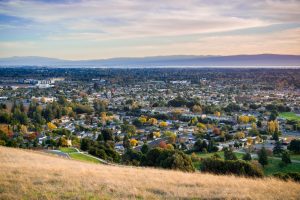
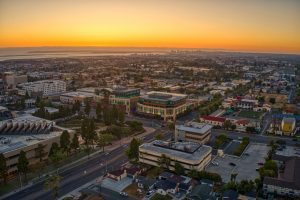
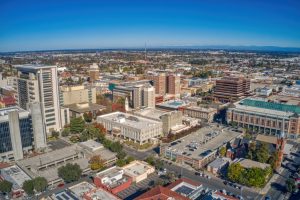
If California were a family, Sacramento would be the sensible middle child, the one who shows up on time, manages the budget responsibly, and somehow makes everything work while the flashier siblings steal the spotlight.
While San Francisco commands attention with its tech billions and Los Angeles dazzles with entertainment glamour, living in Sacramento quietly delivers something increasingly rare in California: genuine affordability paired with legitimate opportunity. This is the state capital, a city of half a million people where you can actually buy a house without inheriting a fortune, where your commute won’t devour two hours of your day, and where “going to the river” means an actual river with public access, not a traffic-choked freeway.
Sacramento’s appeal isn’t complicated; it’s practical. Home prices hover around $465K to $525K[1][2][3], which sounds expensive until you remember that buys you a detached single-family home with a yard, not a converted garage in San Jose. Rent averages $1,583 to $1,995 per month[4][5][6], manageable for professionals in stable careers without requiring multiple roommates or trust fund supplementation. The commute averages just 25-28 minutes[7][8][9], which means you might actually see your family on weeknights. These aren’t flashy selling points, but for anyone drowning in coastal California’s cost-of-living crisis, they represent a lifeline; a way to remain living in California without sacrificing financial stability or quality of life.
But living in Sacramento offers more than just relief from Bay Area prices. This is a city with genuine character, shaped by its role as California’s capital and its agricultural heritage. The state government employs tens of thousands, providing economic stability that cushioned the city during recessions that devastated other metros.
Meanwhile, the farm-to-fork restaurant scene rivals cities twice its size, fueled by proximity to the Central Valley’s agricultural abundance. The American River Parkway offers 32 miles of trails threading through the city, providing recreation that coastal residents pay premium prices to access. Old Sacramento preserves Gold Rush history alongside modern restaurants and entertainment. Midtown pulses with breweries, coffee shops, and locally owned businesses that create actual neighborhood identity rather than franchise monotony.

The city’s geography positions it perfectly for weekend escapes, too. Lake Tahoe sits 90 minutes east, Napa Valley is an hour west, San Francisco is two hours southwest. You can ski in the morning and return home by dinner, or spend Saturday wine tasting without booking a hotel.
This accessibility to California’s natural and cultural attractions, combined with Sacramento’s own amenities, creates a quality of life equation that’s increasingly compelling. Young professionals priced out of the Bay Area arrive and discover they can afford to buy instead of endlessly renting. Families fleeing Los Angeles’s traffic find they can commute efficiently and still attend their kids’ evening activities. Retirees discover they can stretch retirement savings further without leaving California entirely.
Sacramento isn’t perfect, though. Summers are brutally hot, with temperatures regularly exceeding 100°F. The city lacks San Francisco’s walkable density or the beach culture that defines Southern California. Some neighborhoods struggle with higher crime rates, and the city’s historically sprawling development pattern has created suburban areas that feel disconnected from the urban core.
But for those willing to trade coastal fog and Silicon Valley salaries for sunshine, affordability, and livability, Sacramento represents perhaps the best value proposition remaining in California. This guide will walk you through everything you need to know to determine whether Sacramento’s practical advantages and emerging vibrancy align with your priorities, budget, and vision for life in the Golden State.
Quick Snapshot of Living in Sacramento
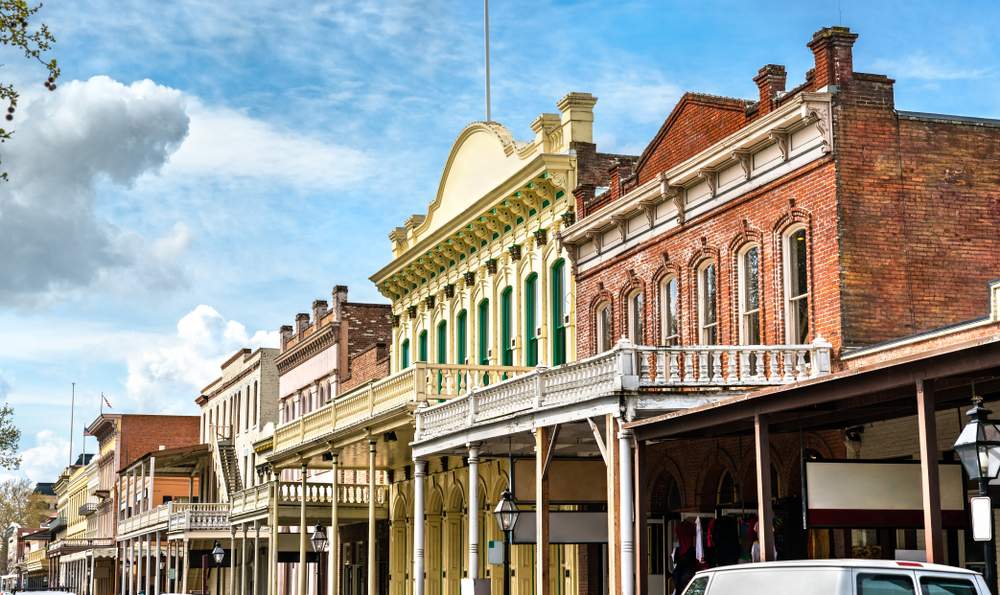
Sacramento, California is the state capital and one of the fastest-growing cities in California for people seeking a more affordable alternative to coastal metros while still maintaining access to jobs, culture, and outdoor recreation. It offers a blend of government stability, healthcare, education, and an increasingly vibrant urban core.
Population: ~525,000–536,000 residents[10][11][12]
Metro Population: ~2.4 million[13]
County: Sacramento County
Median Household Income: ~$83,753–$91,387[7][14]
Median Home Value: ~$465,000–$525,000[1][2][3]
Median Rent: ~$1,583–$1,995/month[4][5][6]
Average Commute: ~25.6–28 minutes[7][8][9]
Vibe: Laid-back, family-friendly, practical, growing
Cost of Living
Housing Costs
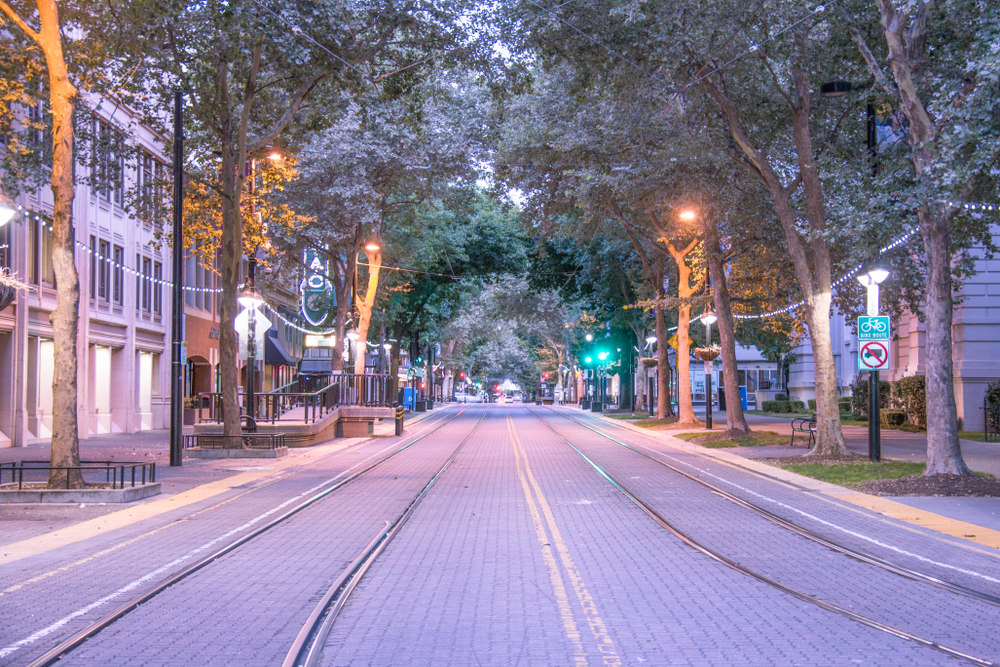
Housing affordability is one of Sacramento’s biggest draws, especially compared to the Bay Area or Southern California. Living in Sacramento means lower home prices and lower rent than other areas of the state:
- Home prices: Median home values generally fall between $465K–$525K[1][2][3], depending on neighborhood and market conditions.
- Rent: Average rents range from $1,583–$1,995/month[4][5][6], with apartments on the lower end and single-family rentals higher.
- Housing types: Single-family homes dominate, with apartments, townhomes, and newer infill developments in central areas.
- Context: Sacramento consistently ranks as one of the most affordable major cities in California while still offering strong employment opportunities.
Utilities
Utility costs in Sacramento are moderate and often more predictable than coastal or mountain regions.
- Hot summers increase air-conditioning usage, which can drive electricity costs higher in peak months.
- Winter heating costs are typically manageable.
- Overall utility costs are generally lower than Bay Area cities but slightly higher than some Southern California coastal areas.
Gas & Transportation
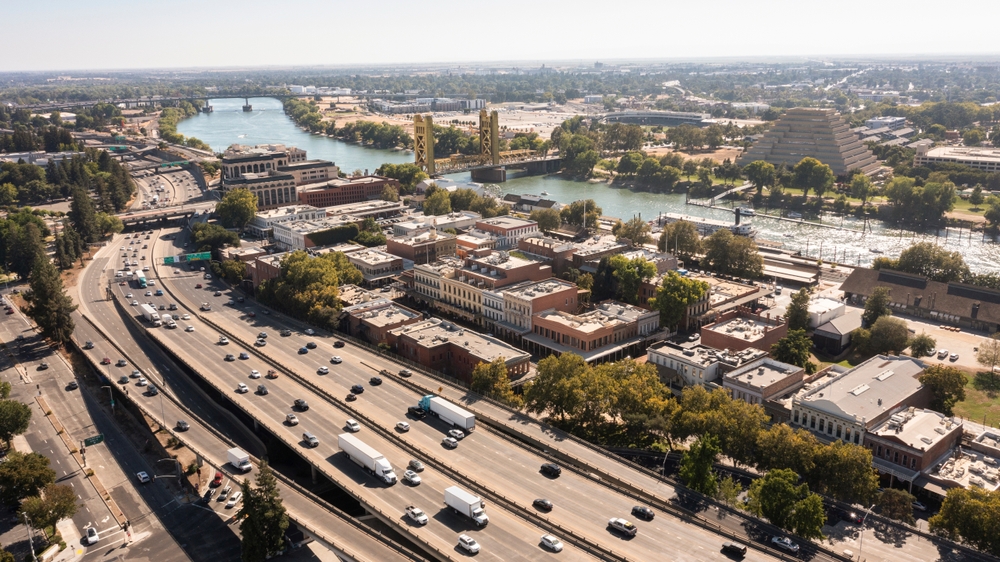
Transportation costs are lower than coastal metros but still above the national average.
- Gas prices tend to sit below Bay Area averages, though still higher than most U.S. cities.
- Sacramento is car-friendly, with wide roads and relatively manageable congestion.
- Light rail and bus systems exist, but most residents rely on driving.
Groceries & Everyday Costs
Grocery prices are slightly above the national average, but noticeably lower than San Francisco or Los Angeles.
Dining out is more affordable, with a strong mix of casual eateries, farm-to-fork restaurants, and local favorites.
Overall day-to-day expenses feel more manageable than in coastal California cities.
Lifestyle & Quality of Life
Traffic & Commute
Sacramento traffic is noticeably lighter than major California metros. Still, living in Sacramento means you’ll likely have a commute to look forward to each morning and evening.
- Average commute times hover around 25.6–28 minutes[7][8][9], with predictable rush hours.
- Freeway access includes I-5, I-80, Highway 50, and Highway 99, making regional travel straightforward.
- Many residents appreciate the reduced daily stress compared to Bay Area commuting.
Living in Sacramento: Neighborhoods & Areas to Know
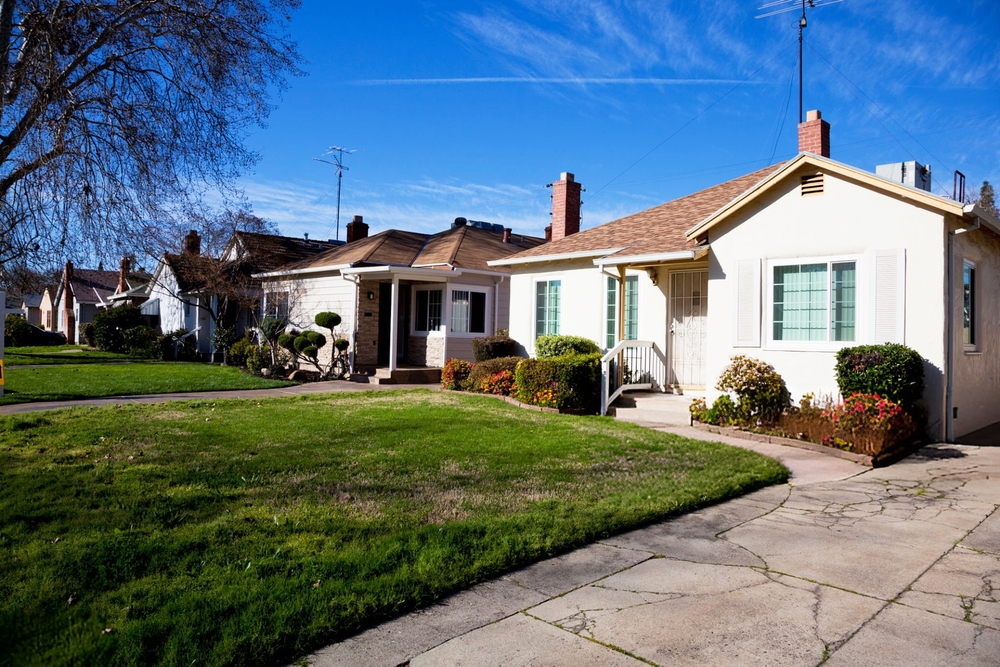
Sacramento offers a wide range of neighborhood options, each with distinct character and appeal.
East Sacramento
East Sacramento represents the city’s most established and desirable residential neighborhood, where tree-lined streets, historic Craftsman homes, and strong community identity create an atmosphere that feels more like a small town than part of California’s capital. The neighborhood radiates outward from the Fabulous Forties, a collection of streets featuring some of Sacramento’s most architecturally significant homes from the 1920s and 1930s. McKinley Park anchors the community, providing a gathering space for farmers markets, outdoor concerts, and neighborhood events that draw residents from across the area.
The housing stock in East Sacramento primarily consists of well-maintained single-family homes with front porches, mature trees, and actual yards, features increasingly rare in urban California. Home prices here sit at the higher end of Sacramento’s range, typically between $600K-$900K depending on size and condition, but still dramatically more affordable than comparable neighborhoods in the Bay Area. The neighborhood attracts established professionals, families who prioritize good schools and walkability, and empty nesters seeking community and character.
McKinley Village, a newer development on the neighborhood’s edge, offers modern townhomes and condos that provide entry points for younger buyers. The commercial corridors along Folsom Boulevard and Alhambra Boulevard offer local restaurants, coffee shops, and services within walking or biking distance. Schools in the area are generally strong, contributing to the neighborhood’s family-friendly reputation. For those seeking traditional neighborhood living with architectural charm and community engagement, East Sacramento delivers Sacramento’s most refined residential experience.
Midtown
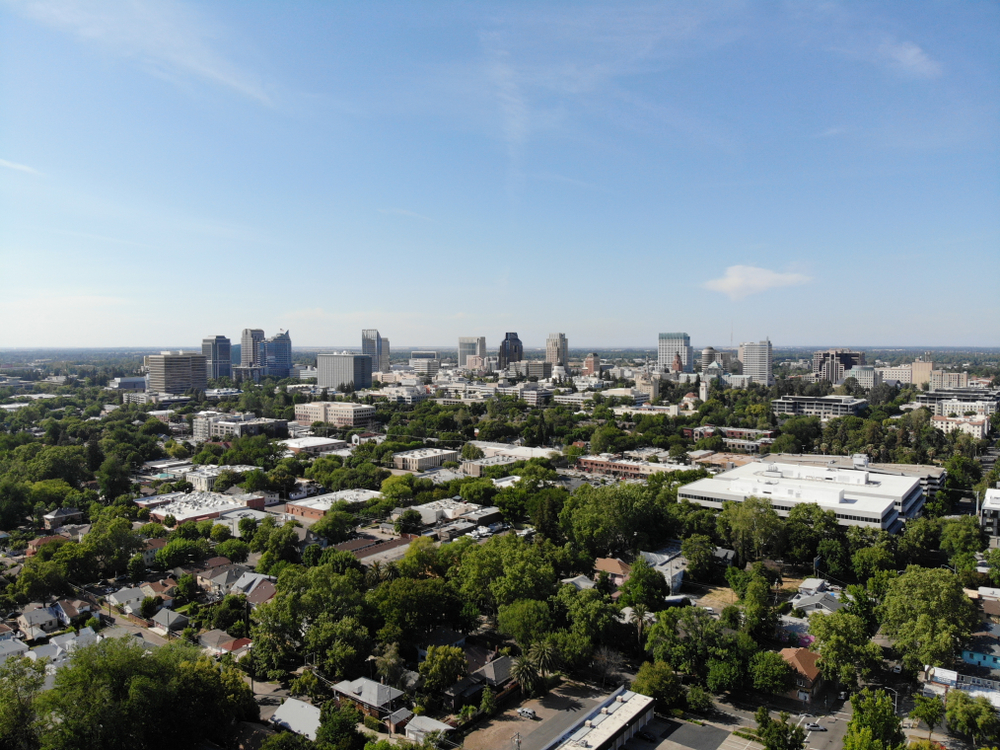
Midtown Sacramento embodies urban energy and creative culture, attracting young professionals, artists, and anyone seeking walkable city living with nightlife, restaurants, and arts venues. The neighborhood operates on a grid system with tree-canopied streets, historic buildings housing modern businesses, and a density that’s rare in otherwise sprawling Sacramento. This is where you’ll find the city’s best concentration of independently owned restaurants, craft breweries, coffee roasters, and cocktail bars, along with art galleries, live music venues, and the Crocker Art Museum, one of the oldest art museums in the western United States.
Housing in Midtown consists primarily of apartment buildings, converted Victorians, and newer condo developments, with single-family homes less common and pricier. Rent for a one-bedroom apartment typically ranges from $1,600-$2,400 depending on building age and amenities, while condos sell in the $400K-$600K range. The neighborhood attracts a decidedly younger demographic than East Sacramento; think 25-40 year-olds who prioritize proximity to social venues over yard space.
Second Saturday Art Walk draws thousands monthly, transforming the neighborhood into an open-air gallery and street party. The vibrant nightlife and restaurant scene means this isn’t the quietest residential area, and parking can be challenging, particularly on weekend evenings. However, the walkability and bike-friendliness mean many residents happily forgo cars. For those who want to be at the center of Sacramento’s cultural and social life, who value independent businesses over chains, and who enjoy urban living with actual pedestrian activity, Midtown offers Sacramento’s most dynamic neighborhood experience.
Land Park
Land Park provides family-oriented residential living with excellent access to one of Sacramento’s premier parks and the Sacramento Zoo. The neighborhood takes its name from William Land Park, a 166-acre green space offering sports fields, playgrounds, picnic areas, Fairytale Town (a children’s theme park), and ample room for weekend recreation. The residential streets surrounding the park feature well-maintained homes from the 1920s-1950s, predominantly single-family houses with yards, garages, and front porches that encourage neighborly interaction.
Home prices in Land Park typically range from $500K-$700K, positioning it as more affordable than East Sacramento while maintaining strong neighborhood character and desirability. The area attracts families with young children, drawn by the combination of good schools, park access, and safe streets suitable for bike riding and walking to school.
The neighborhood has an active community association that organizes events and maintains the area’s residential quality. Proximity to downtown Sacramento—just a few minutes’ drive—provides work access without urban intensity. The neighborhood’s tree-lined streets, architectural consistency, and community feel create an environment that many residents describe as “timeless” Sacramento; neither cutting-edge nor dated, but solidly comfortable.
The main trade-off compared to newer suburban developments is older housing stock that may require updates and maintenance, though many appreciate the character and craftsmanship of these mid-century homes. For families seeking space, community, and proximity to excellent park amenities without East Sacramento’s premium pricing, Land Park delivers reliable suburban-style living within city limits.
Natomas
Natomas represents Sacramento’s newer suburban development, offering contemporary homes, master-planned communities, and proximity to Sacramento International Airport. Located north of downtown across the American River, Natomas developed primarily from the 1990s forward, creating neighborhoods of relatively new construction with modern layouts, attached garages, and homeowners association amenities like pools and parks. The area includes both North Natomas and South Natomas, with North Natomas featuring newer development and South Natomas closer to downtown.
Housing in Natomas spans from townhomes starting around $400K to single-family homes in the $500K-$650K range, offering more square footage and newer construction than older neighborhoods closer to downtown. The area attracts first-time homebuyers, young families, and anyone prioritizing modern homes over historic character.
Natomas Boulevard serves as the main commercial corridor, lined with chain restaurants, shopping centers, and big-box retailers, which is convenient but lacks the local character of Midtown or East Sacramento. Schools vary in quality, with some highly rated and others less so, requiring careful research by families. The neighborhood’s proximity to the airport means convenient travel but also occasional aircraft noise. Arena Boulevard connects to Golden 1 Center downtown, making evening events accessible.
The main criticism of Natomas is its somewhat sterile, suburban feel with wide streets, limited walkability, and a landscape that can feel interchangeable with suburban developments anywhere. However, for buyers seeking newer construction, lower maintenance, and a family-friendly suburban environment without leaving Sacramento, Natomas provides exactly that at relatively accessible prices.
Pocket / Greenhaven

Pocket and Greenhaven neighborhoods, located south of downtown along the Sacramento River, offer quiet residential living with water access and a distinctly suburban feel despite being within city limits. These adjacent neighborhoods developed primarily in the 1960s-1970s, creating residential streets of ranch-style and two-story homes with mature landscaping and established community identity. The Sacramento River provides the western boundary, with parks and bike paths offering direct water access for kayaking, fishing, and river walks.
Home prices in Pocket-Greenhaven typically range from $450K-$600K, positioning these neighborhoods as more affordable options while maintaining single-family home living and good schools. The area attracts families, retirees, and professionals seeking quiet residential streets away from urban intensity. The Pocket-Greenhaven Community Association actively engages residents through events, neighborhood watches, and advocacy for area improvements.
The Riverwalk Shopping Center and other commercial developments provide convenient shopping and dining without traveling downtown. Garcia Bend Park offers extensive river access and recreation opportunities. The neighborhoods’ insularity surrounded by the river and freeways creates both a sense of community and potential inconvenience, as getting anywhere requires driving through limited access points. Traffic on connecting streets can be frustrating during peak hours.
However, for those who prioritize safe, quiet neighborhoods with good schools, river access, and a strong sense of community, Pocket-Greenhaven delivers suburban comfort within Sacramento city limits at prices well below East Sacramento or Land Park.
Living in Sacramento: Schools & Education
Sacramento has a mix of educational options:
- Multiple school districts serve the region, with quality varying by neighborhood.
- Charter and private schools are available.
- Higher education includes California State University, Sacramento (Sac State)[15] and proximity to UC Davis, one of the top public universities in the state.
Families often choose neighborhoods specifically based on school performance.
Living in Sacramento: Safety & Crime
Safety in Sacramento varies by area:
- Some neighborhoods report higher crime rates, while many residential areas are considered safe and family-friendly.
- Suburban pockets and established neighborhoods tend to have lower crime than parts of the urban core.
- As with most cities, neighborhood-level research is key.
Living in Sacramento: Weather & Climate
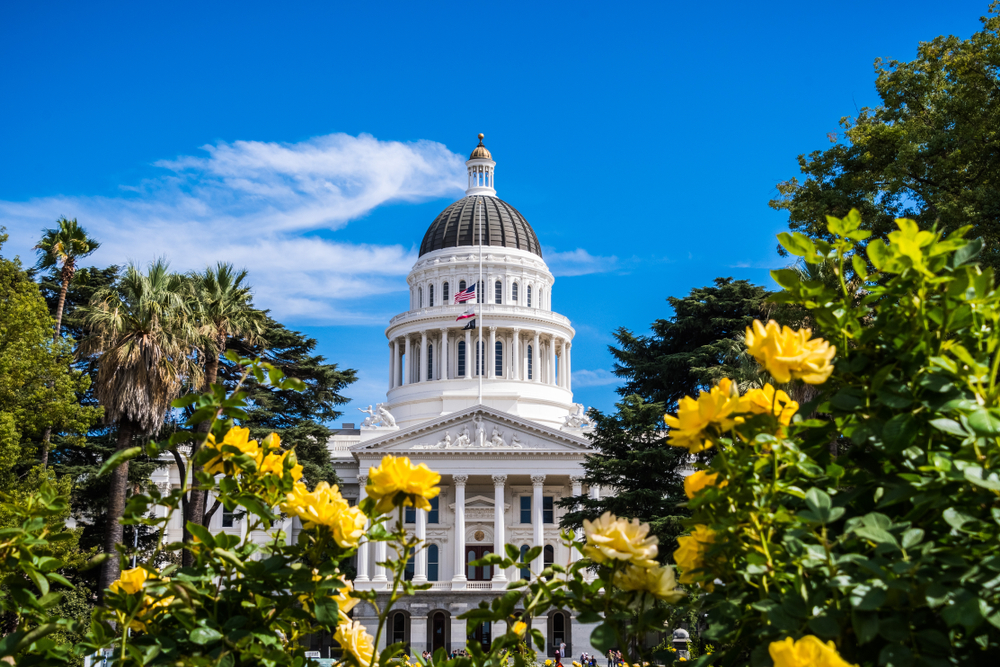
Sacramento experiences a hot-summer Mediterranean climate that defines much of the region’s lifestyle and represents one of the biggest adjustments for newcomers from coastal California. Summers are intensely hot and dry, with temperatures regularly reaching the mid-90s and frequently exceeding 100°F from June through September.
The Central Valley location means no coastal fog to moderate temperatures, no ocean breezes to provide relief, just relentless sunshine and heat that makes air conditioning a necessity rather than a luxury. Residents adapt by scheduling outdoor activities for early morning or evening, seeking shade during peak afternoon hours, and embracing indoor recreation during the hottest months.
Winters provide relief from the heat, with mild temperatures typically ranging from the low 50s to mid-60s during the day and occasionally dipping into the 30s at night. The region receives most of its limited annual rainfall between November and March, though total precipitation remains modest compared to other parts of California. Occasional tule fog—dense ground fog that forms in the Central Valley—can create hazardous driving conditions and flights delays in winter months.
Spring and fall offer Sacramento’s most pleasant weather, with comfortable temperatures, blooming trees, and conditions ideal for outdoor recreation. The lack of humidity year-round means even hot days feel less oppressive than similar temperatures in humid climates, and cool evenings provide relief after scorching summer days.
For those who love sunshine, hate fog and cold, and can tolerate intense summer heat, Sacramento’s climate delivers abundant clear skies and predictable weather patterns. For those accustomed to coastal California’s mild, fog-moderated temperatures, the summer heat represents a significant lifestyle adjustment that shouldn’t be underestimated.
Work, Economy & Practical Living

Job Market & Major Employers
Sacramento’s economy is anchored by stability, which is exactly what you want when living in California:
- State government (largest employer)
- Healthcare systems and hospitals
- Education and universities (including Sac State[15])
- Technology, logistics, and professional services
The presence of government jobs provides economic resilience during downturns.
Healthcare Access
Sacramento has strong healthcare infrastructure:
- Multiple hospitals, specialty clinics, and regional medical centers
- Easy access to advanced care through UC Davis Health
Healthcare access is considered solid and reliable across the metro area.
Taxes & California Realities
Sacramento residents face the same statewide realities:
- California income tax
- Sales tax above national average
- Property taxes governed by Proposition 13, keeping long-term ownership more stable
While taxes are unavoidable, the lower housing costs help balance the overall financial picture.
Lifestyle Perks of Living in Sacramento

Outdoor Recreation & Things to Do
Sacramento is exceptionally well-positioned for outdoor enthusiasts and anyone seeking easy access to California’s diverse recreational opportunities. The American River Parkway threads through the city for 32 miles, offering paved bike paths, hiking trails, river access for kayaking and rafting, and countless entry points for daily recreation. This isn’t a small urban greenbelt; it’s a substantial natural corridor that provides genuine escape without leaving city limits.
Folsom Lake, just 25 miles east, offers boating, swimming, and hiking with substantial shoreline and mountain views. The Sacramento River provides additional water access for fishing, paddleboarding, and riverside walks.
Beyond local recreation, Sacramento’s central location makes it an ideal base for weekend adventures throughout California and beyond. Lake Tahoe sits about 90 minutes east, providing world-class skiing in winter and alpine hiking, kayaking, and beach access in summer. You can leave Sacramento after breakfast and be on Tahoe ski slopes by mid-morning!
Napa and Sonoma wine country lie an hour west, offering countless wineries, restaurants, and scenic drives. San Francisco is two hours southwest, providing culture, coastline, and urban attractions without the commitment of living there. The Sierra Nevada foothills, dotted with Gold Rush towns, hiking trails, and apple orchards, begin just 30 minutes east. These are just a few benefits of living in Sacramento.
Point Reyes National Seashore, Yosemite National Park (3-4 hours), and the Northern California coast all sit within day-trip or weekend range. This accessibility to mountains, ocean, wine country, and major cities creates lifestyle flexibility that’s hard to match. Sacramento residents regularly ski, surf, wine taste, and city-explore without booking hotels or extensive planning.
Dining, Culture & Entertainment
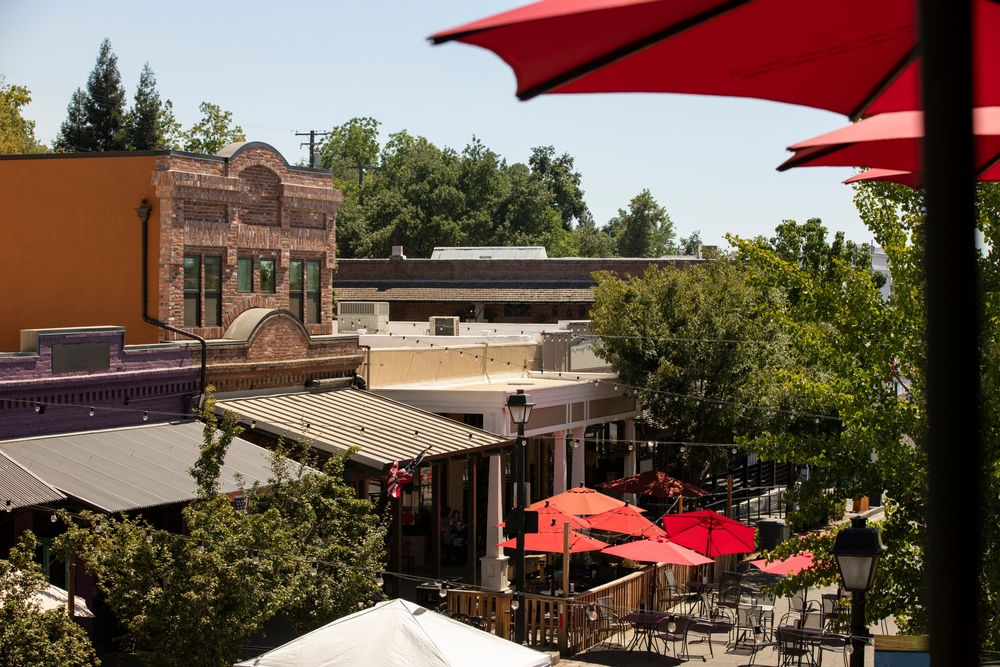
Sacramento has cultivated an impressive farm-to-fork food scene that punches well above the city’s size and reputation, fueled by direct access to Central Valley agriculture and a growing community of talented chefs. The term “farm-to-fork” isn’t marketing hyperbole here; restaurants genuinely source from nearby farms, orchards, and ranches, creating menus that change with seasons and showcase regional bounty.
Midtown Sacramento serves as the culinary epicenter, with dozens of independently owned restaurants offering everything from elevated California cuisine to authentic ethnic food reflecting the region’s diversity. The city hosts numerous food festivals, including the annual Farm-to-Fork Festival that transforms Capitol Mall into a massive celebration of local food and agriculture.
Beyond restaurants, Sacramento offers legitimate cultural amenities that rival cities twice its size. The Crocker Art Museum houses an internationally recognized collection and hosts traveling exhibitions. The B Street Theatre, Sacramento Theatre Company, and numerous smaller venues provide year-round theater.
The region’s craft brewery scene has exploded, with dozens of breweries creating distinct beer culture in Midtown and surrounding neighborhoods. Old Sacramento preserves Gold Rush-era buildings along the waterfront, offering historical context alongside modern restaurants and entertainment.
The Golden 1 Center hosts the Sacramento Kings NBA games along with major concerts and events, bringing big-name entertainment downtown. The city hosts Second Saturday Art Walk monthly, transforming Midtown into an open gallery and street festival. The California State Fair arrives each summer, too, offering agricultural exhibits, concerts, and carnival rides. While Sacramento doesn’t match San Francisco’s cultural depth or Los Angeles’s entertainment options, it provides genuine arts, dining, and cultural experiences that keep residents engaged without requiring constant trips to the coast.
Who Living in Sacramento Is Best For (—And Not For)
Best for:
- Families seeking affordability and space
- Professionals wanting California jobs without coastal prices
- Government, healthcare, and education workers
- People who enjoy outdoor recreation and a slower pace
Less suited for:
- Those who dislike hot summers
- People seeking a dense, nightlife-heavy urban environment
- Individuals who want immediate beach access
Final Thoughts: Is Living in Sacramento Right for You?

Sacramento offers one of the best value propositions remaining in California, but that practical appeal comes with honest tradeoffs that deserve clear-eyed consideration. This isn’t Los Angeles glamour or San Francisco innovation; it’s the state capital where things simply work better than in more celebrated California cities.
You can buy a house without generational wealth, commute without losing hours daily, and access outdoor recreation without fighting crowds or driving for hours. The question isn’t whether Sacramento offers value—it clearly does—but whether that value aligns with what you actually want from your California experience.
The city’s strengths are straightforward and substantial. Housing affordability, by California standards, means families can buy homes with yards, build equity, and achieve financial stability that’s increasingly impossible in coastal metros. The job market, anchored by government employment, provides recession-resistant opportunities with benefits and reasonable work-life balance.
The location delivers weekend access to mountains, wine country, and San Francisco without the daily commitment of living in those places. The emerging food scene, outdoor recreation, and growing cultural amenities create lifestyle quality that’s genuine rather than aspirational. For young professionals priced out of the Bay Area, families seeking space and stability, or anyone tired of sacrificing financial health for coastal location, Sacramento represents a rational, livable alternative that doesn’t require leaving California entirely.
However, Sacramento’s practical nature means it lacks some of the excitement and cultural richness that define California’s most celebrated cities. The summer heat is genuinely oppressive, not just uncomfortable. Expect 100°F+ days for weeks on end, transforming outdoor activities and requiring lifestyle adaptation.
The city’s sprawling development pattern means many neighborhoods lack walkability and urban density, requiring cars for most activities. While Midtown offers urban energy, much of Sacramento feels suburban and car-dependent. The cultural and entertainment options, though growing, don’t approach San Francisco’s depth or diversity.
There’s also no ocean access, no beach culture, no coastal fog. Some neighborhoods struggle with higher crime rates that require careful research. The city’s practical, government-oriented identity sometimes translates to a certain… blandness… that won’t satisfy those seeking cutting-edge culture or social dynamism.
The fundamental question is what you prioritize. If you value homeownership over renting indefinitely, reasonable commutes over career prestige, outdoor recreation access over urban walkability, and financial stability over cultural excitement, Sacramento delivers in ways that coastal California increasingly cannot. If you’re building a family, establishing career stability, or simply exhausted by the financial treadmill of expensive metros, Sacramento offers breathing room and quality of life that justifies the tradeoffs.
But if you need ocean proximity, crave dense urban living, want cutting-edge cultural scenes, or absolutely cannot tolerate intense heat, you’ll find Sacramento’s practical advantages insufficient compensation for what it lacks. Sacramento isn’t trying to be San Francisco or Los Angeles; it’s offering something different, something more livable and less glamorous, and for the right person or family, that difference represents exactly what California living should be.
Sources
- Redfin. (2025). Sacramento Housing Market. https://www.redfin.com/city/16409/CA/Sacramento/housing-market
- Zillow. (2025). Sacramento CA Home Prices & Home Values. https://www.zillow.com/home-values/20288/sacramento-ca/
- The Railyards. (2025). Moving to Sacramento? 2025 Sacramento Housing Market. https://railyards.com/news-and-blog/moving-to-sacramento-2025-sacramento-housing-market/
- Apartments.com. (2025). Average Rent in Sacramento, CA. https://www.apartments.com/rent-market-trends/sacramento-ca/
- Zillow Rental Manager. (2025). Average Rental Price in Sacramento, CA. https://www.zillow.com/rental-manager/market-trends/sacramento-ca/
- RentCafe. (2025). Average Rent in Sacramento, CA: 2025 Rent Prices by Neighborhood. https://www.rentcafe.com/average-rent-market-trends/us/ca/sacramento/
- U.S. Census Bureau. (2023). Sacramento, CA. Data USA. https://datausa.io/profile/geo/sacramento-ca
- U.S. Census Bureau. (2023). Sacramento County, CA. Data USA. https://datausa.io/profile/geo/sacramento-county-ca
- Stacker. (2022). Sacramento has the #44 worst average commute. https://stacker.com/stories/california/sacramento/sacramento-has-44-worst-average-commute
- World Population Review. (2025). Sacramento, California Population 2025. https://worldpopulationreview.com/us-cities/california/sacramento
- California Demographics. (2025). Sacramento Demographics. https://www.california-demographics.com/sacramento-demographics
- U.S. Census Bureau. (2023). Sacramento, CA Population. Data USA. https://datausa.io/profile/geo/sacramento-ca
- Wikipedia. (2025). Sacramento, California. https://en.wikipedia.org/wiki/Sacramento,_California
- Apartment List. (2025). Cost of Living in Sacramento, CA. https://www.apartmentlist.com/renter-life/cost-of-living-in-sacramento
- California State University, Sacramento. (2025). About Sacramento State. https://www.csus.edu/
Disclaimer
This article has been thoroughly researched and is intended to provide general information and insights related to real estate and utility management. It is for informational and entertainment purposes only and should not be considered professional, financial, or legal advice. Individual circumstances vary, and readers are encouraged to consult with a qualified professional before making decisions regarding home purchases, utility management, or other financial matters.