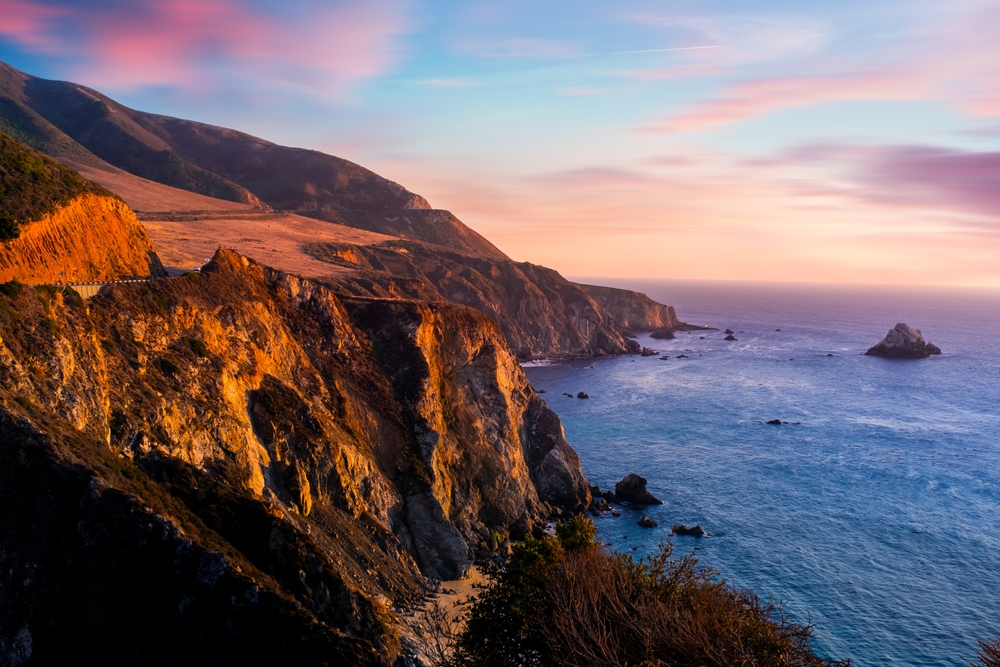
I’ve lived in California since 1997. I’ve lived in Orange County, San Diego, Sacramento, and Benicia in the East Bay. I’ve paid California taxes, sat in California traffic, breathed California wildfire smoke, and watched the cost of everything climb year after year. And I’m still here. That should tell you something. If you are asking what is it like living in California, this is the lived version.
“What is it like living in California?” is one of the most searched lifestyle questions in the country. The answers tend to fall into two categories: people who treat the state like paradise and people who say everyone is leaving. Neither version is accurate. The reality is somewhere in between, and it depends heavily on where in California you live, what you earn, and what you value. This is a living in California honest review.
I grew up in upstate New York and went to college in Daytona Beach, Florida. I moved to Southern California in 1997, and the adjustment was immediate. The scale of everything was different: the freeways, the distances, the cost, the diversity. Nearly three decades later, I’ve settled in Orange County, spent about a year each in San Diego, Sacramento, and Benicia near San Francisco, and traveled the state extensively. This is not a tourist’s impression or a six-month transplant take. It’s what I’ve learned from living here long enough to see the good, the bad, and the parts that are more complicated than a bullet-point list allows.
Here’s the honest version.
The Weather: Yes, It’s as Good as They Say

The single most cited reason people move to California is the weather, and the single most cited reason people stay is also the weather. It is the one thing about living here that consistently delivers on the promise.
In Orange County, where I’ve spent most of my time, you get 280-plus days of sunshine per year. Winters barely register. You wear a light jacket in January and shorts by February. Coming from upstate New York, where winters meant months of gray skies, ice, and layering up before you walked to the mailbox, the adjustment was real. I spent my first December here confused that people were at the beach on Christmas Day. Even after going to Florida for college, the consistency of the California climate was on another level.

Northern California is a different story. San Francisco is cooler and foggier than most people expect. Mark Twain reportedly said the coldest winter he ever spent was a summer in San Francisco, and while the attribution is disputed, the sentiment is correct. When I lived in Benicia, summer mornings started in the low 60s with fog rolling through the Carquinez Strait. By afternoon, it could be 85°F. Sacramento, on the other hand, is blazing hot from June through September, regularly hitting 105°F or higher. The state has extreme climate variation within a two-hour drive.
The lifestyle impact is hard to overstate. You eat outside year-round. You hike in December. You go to the beach in October. The outdoors are not seasonal here. They are the daily default. Restaurants have patios because they need them, not as a novelty. People plan their weekends around being outside because the weather almost never says no.
The downside of good weather is that when it does rain, the state falls apart. Drivers forget how wet roads work. Mudslides close highways. Flash floods hit burn scar areas from previous wildfires. The infrastructure is designed for dry conditions, and anything else feels like an emergency. Two days of rain, and the news leads with storm coverage.
The Outdoors: The Best Backyard in America
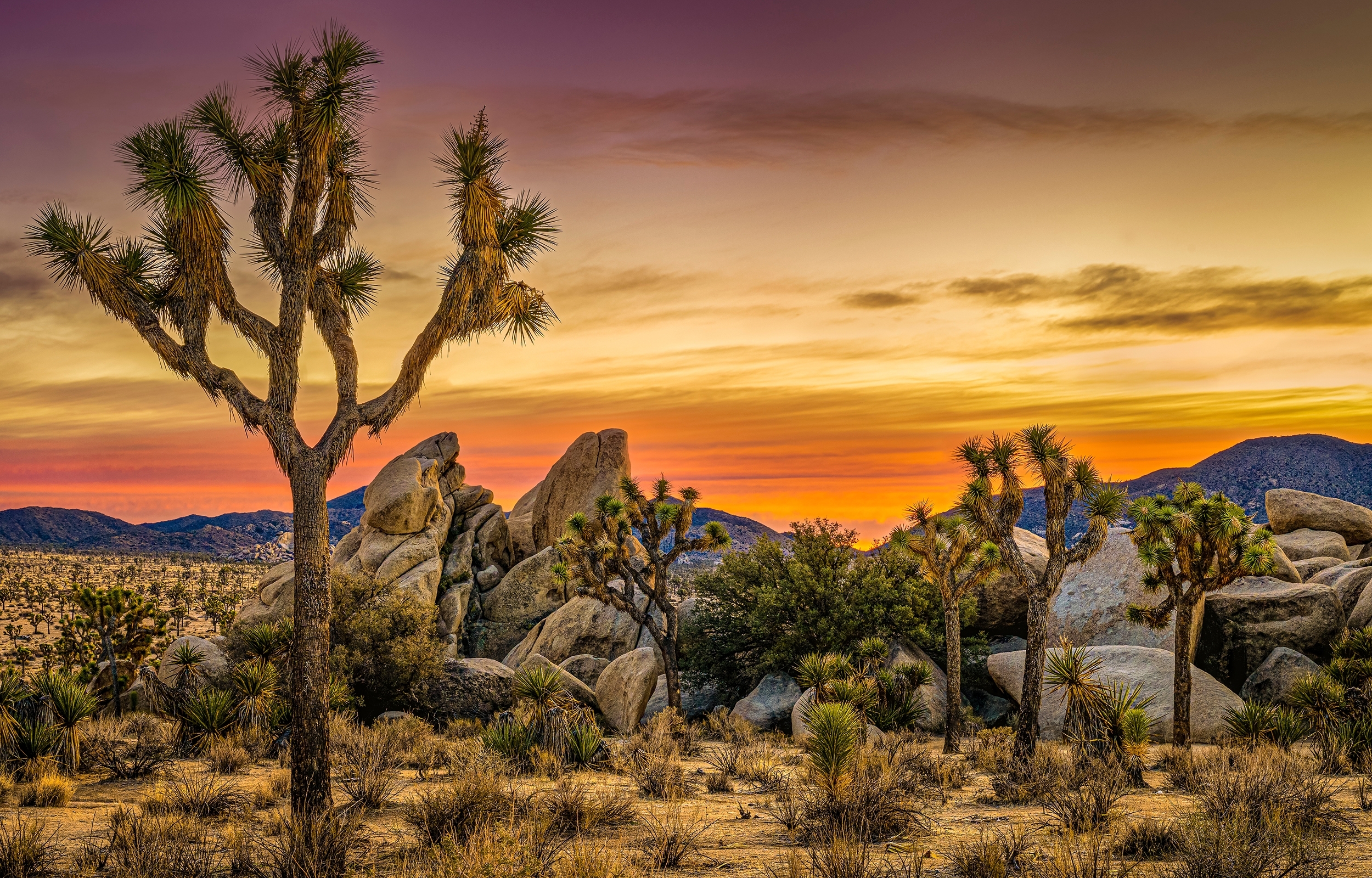
California has nine national parks, more than any other state. It has over 280 state parks. You are never more than an hour from something worth hiking, surfing, skiing, or camping. That access is one of the defining features of living here, and it’s something that’s hard to appreciate until you’ve experienced it across seasons and regions.
The range of terrain is staggering. A four-hour drive from Orange County takes you to Joshua Tree, Big Bear, the Central Coast, or the Mexican border. When I lived in San Diego, the beach was 15 minutes away, and Joshua Tree was two hours east. A four-hour drive from San Francisco takes you to Lake Tahoe, Yosemite, Mendocino, or Monterey. When I lived in Sacramento, Tahoe was under two hours away. I could leave after breakfast and be standing at the edge of the lake before lunch. From Benicia, Muir Woods was 45 minutes. Point Reyes was 90 minutes. Wine country was 25 minutes.
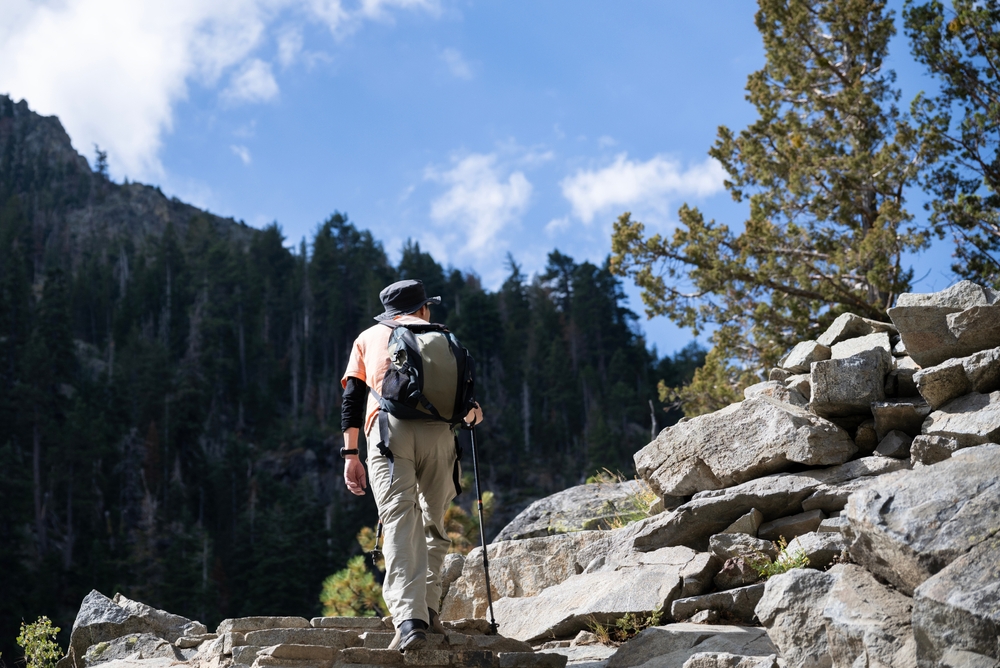
There is no off-season. You ski in January, surf in March, hike in October, and camp in June. The calendar does not restrict your outdoor life the way it does in most of the country. I’ve gone to the beach on Thanksgiving and hiked in shorts on New Year’s Day. That kind of year-round access changes how you live. It stops being something you plan and starts being something you assume.
Californians integrate the outdoors into their daily routines in ways that feel unusual to people from other states. Morning surf sessions before work. Lunchtime hikes in the foothills. Weekend camping trips that require minimal planning because the weather cooperates 90 percent of the time. It’s not a hobby here. It’s a lifestyle baseline. This is a core part of the California lifestyle.
The cost of outdoor access is also lower than people assume. Most state beaches charge $10 to $15 for parking. The America the Beautiful annual national park pass is $80 and covers every national park in the country. You don’t need expensive gear or memberships to enjoy the outdoors in California. You need a pair of shoes and a willingness to drive. For a deeper look at specific options, check out our guides to the 25 best hikes in California and the 15 best beaches in the state.
The Food and Diversity: The Part Nobody Talks About Enough
California is the most ethnically diverse state in the country. About 27 percent of the population is foreign-born. Over 200 languages are spoken across the state. Those are statistics, but you feel them in your daily life, in the grocery stores, the restaurants, the festivals, and the neighborhoods. Growing up in upstate New York, diversity meant something different. Moving to Southern California and experiencing that range of cultures firsthand, in the food, the languages on the street, and the way neighborhoods have their own distinct identities, was one of the biggest adjustments and one of the best parts of living here.
The food scene reflects that diversity at every price point. Los Angeles has the deepest and most diverse food culture in the country: Mexican, Korean, Thai, Ethiopian, Armenian, Japanese, Salvadoran, and Filipino, often within the same few blocks. San Francisco is farm-to-table and seafood. Sacramento earned its designation as the farm-to-fork capital of America, and the quality of produce-driven restaurants there surprised me when I lived in the city. San Diego, where I also lived for about a year, does fish tacos and craft beer better than anywhere. And Orange County, where I live now, has one of the best Vietnamese food corridors in the country along Bolsa Avenue in Westminster and Garden Grove. The pho alone is worth the cost of living.
The taco test is a legitimate quality-of-life metric in California. Birria in LA. Fish tacos in San Diego. Street tacos in OC. Taqueros in the Central Valley. You eat well here at every income level, and the variety is something you stop noticing until you travel to a state where your dinner options are a chain restaurant or a different chain restaurant.
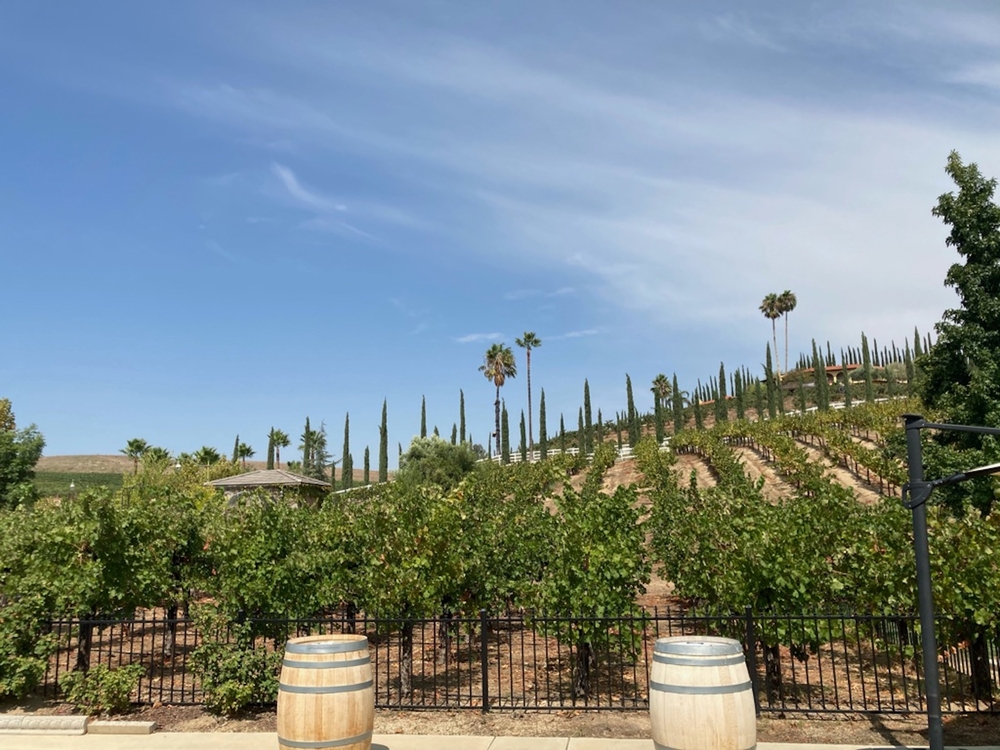
California also produces over 80 percent of U.S. wine. The specialty coffee culture in San Francisco and Los Angeles is as developed as any city in the world. Farmers markets run year-round in most metro areas. When I lived in Sacramento, the Sunday market under the W-X freeway was one of the largest certified farmers markets in the state, and I went nearly every week. For a full overview of the wine scene, check out our California Wine Country guide.
The Cost: The Part That Makes People Leave
This is the section that requires the most honesty. California is expensive. The question is not whether it’s expensive. The question is whether it’s worth what you get in return. If you are weighing pros and cons living in California, this is where the decision usually gets made.
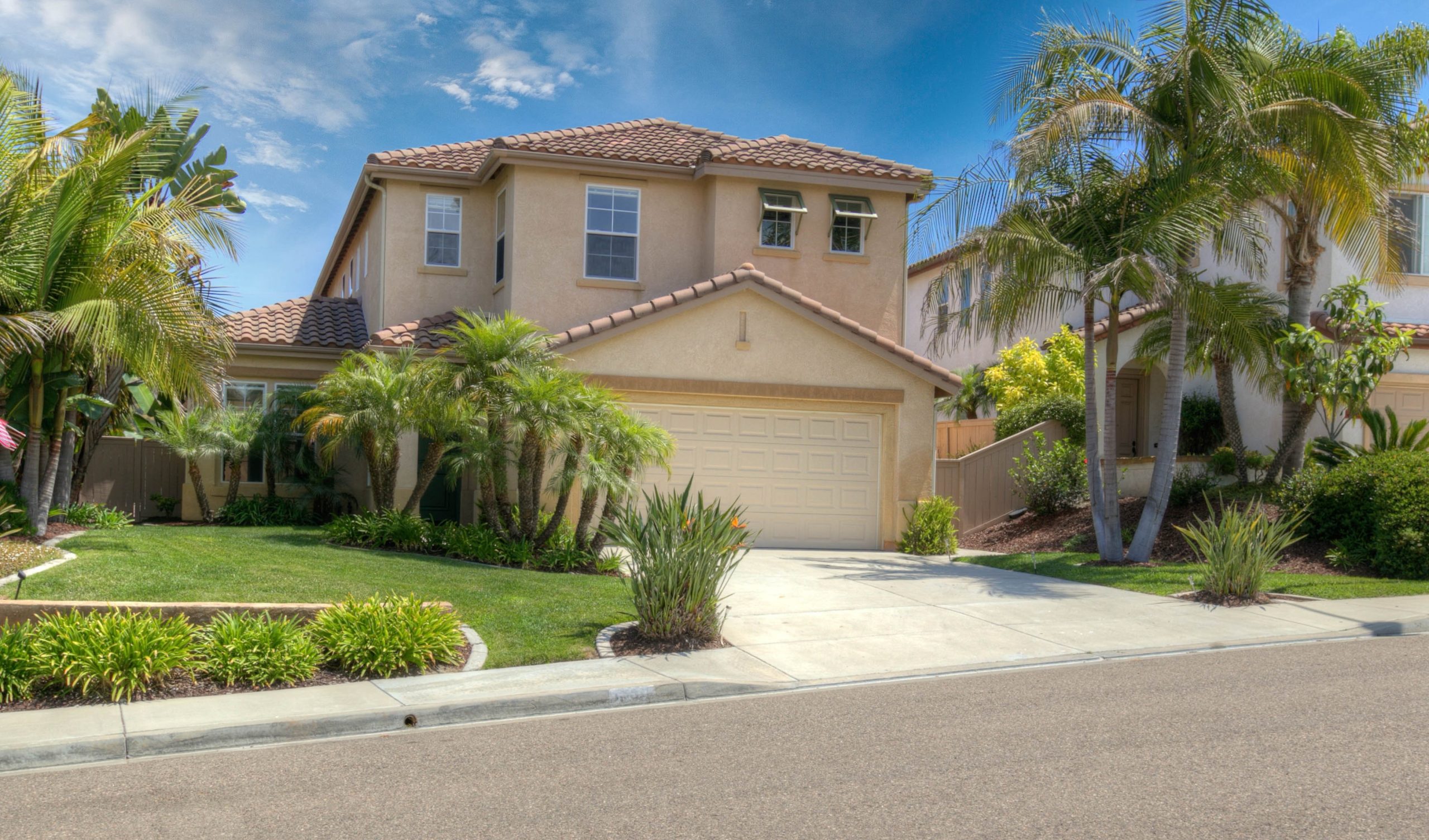
Housing is the biggest line item. The median home price statewide is roughly $800,000 or higher, depending on the source and the month. In Orange County, it’s over $1 million. In San Francisco, it’s higher. In Sacramento, it sits around $500,000 to $550,000, which felt shockingly affordable when I moved there from OC. Rent for a one-bedroom apartment in Irvine runs $2,400 to $2,800 per month. In Sacramento, the same apartment was $1,500 to $1,800 when I lived there. That difference adds up to $10,000 to $12,000 per year in savings on rent alone.
Taxes compound the problem. California has the highest state income tax rate in the country at 13.3 percent for the top bracket. Sales tax averages 8.68 percent statewide. Property tax, thanks to Proposition 13, is moderate at about a 1.1 percent effective rate, but that only helps if you already own. If you’re buying now, you’re paying the assessed value at today’s prices, which means the monthly payment is still enormous even with a low tax rate.
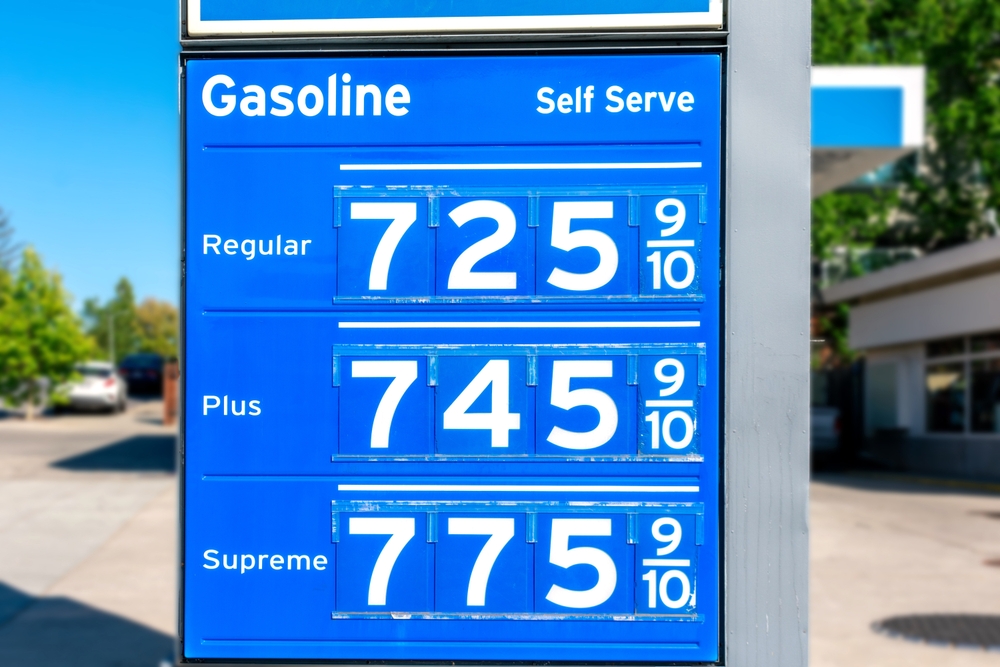
Gas runs $1 to $2 more per gallon than the national average. Groceries are 10 to 20 percent higher. Dining out costs 15 to 25 percent more than the national median. None of these numbers are abstract when you’re paying them every week.
The trade-off is real, though. People who stay in California are making a conscious calculation. The weather, the outdoors, the food, the career opportunities, and the lifestyle offset the cost. For some people, the math works. For others, it does not. Neither group is wrong. For a detailed city-by-city breakdown, check out our Cost of Living in California guide, and for more affordable options, see our list of the most affordable cities in the state.
The exodus narrative is worth addressing directly. Yes, people are leaving California. Net domestic migration has been negative for several years. But people are also arriving. The net loss is concentrated among lower-income households priced out of housing, while higher-income earners and remote workers continue to move in. The full picture is more complicated than any single headline suggests.
The Traffic: It’s Worse Than You Think
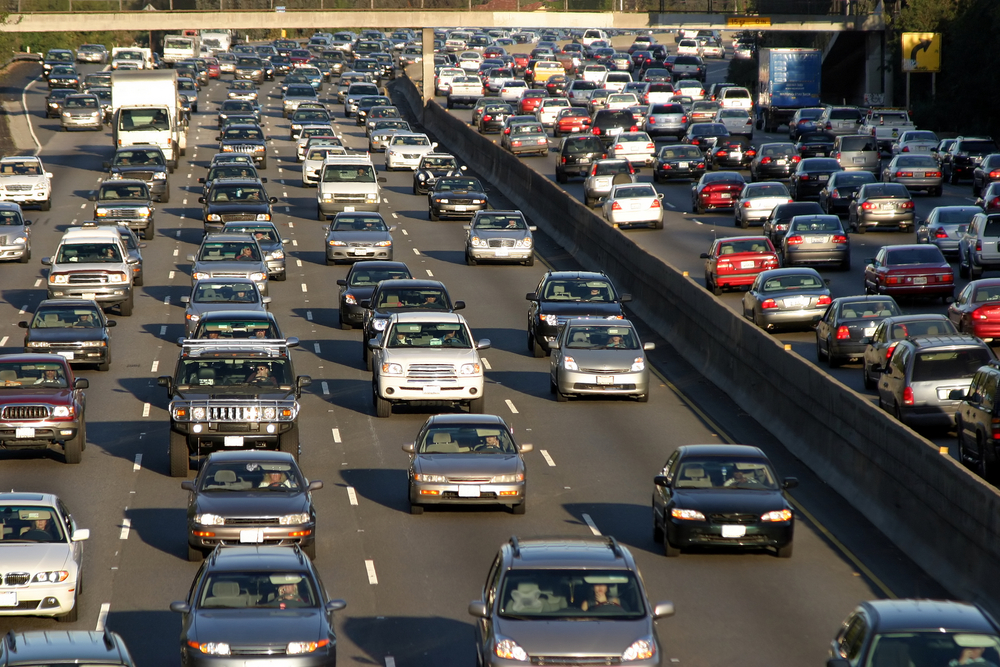
If you live in a California metro area, traffic is a daily reality that shapes where you live, where you work, and when you do anything.
In Orange County and Los Angeles, the 405, 5, 91, and 10 are among the most congested freeways in the country. A 20-mile commute during rush hour can take 90 minutes. That is not an exaggeration. I’ve sat on the 91 freeway from Anaheim to Riverside for over an hour on a Tuesday evening, watching the estimated arrival time on my GPS climb instead of drop. You learn to plan your entire life around traffic windows. Leave before 6:30 AM or after 9:30 AM. Avoid the 405 southbound between 4 and 7 PM. Take surface streets through Costa Mesa instead of the freeway during construction season, which is always.
The Bay Area has its own version. The Bay Bridge backs up every weekday morning and evening. The 101 corridor through Marin and Sonoma crawls during commute hours. When I lived in Benicia, the Benicia Bridge and the I-680/I-80 interchange were daily bottlenecks. The drive to San Francisco was 30 minutes without traffic and 75 minutes with it. You learn which direction to avoid at which hour.
Sacramento was a relief. A 15-mile commute there took 20 to 25 minutes, even during rush hour. That alone is a significant quality-of-life improvement, and it’s one reason people are increasingly choosing Sacramento over the Bay Area. The trade-off is that Sacramento lacks the coastal access and cultural density of SF, but the daily commute stress is dramatically lower.
The pandemic shifted traffic patterns. Remote work reduced peak congestion in some corridors, but it also redistributed it. Friday afternoons toward the mountains or coast are now worse than ever because more people have flexible schedules. The traffic did not go away. It moved.
The Fires and Natural Disasters: The New Normal

If you live in California long enough, wildfire smoke becomes a season. October is fire month the way June is beach month. You check the Air Quality Index on your phone the way you check the weather forecast. You learn what “spare the air” days mean. You know where your N95 masks are.
California’s fire season now runs roughly from June through November. Major fires in 2017, 2018, 2020, 2021, and 2025 have burned millions of acres and displaced tens of thousands of people. During bad fire years, the sky turns orange across the entire state. Ash falls on your car, your patio, your kids’ playground. Air quality drops to hazardous levels for days or weeks at a time. Schools close. Outdoor activities stop. You stay inside and run an air purifier and wait.
The insurance crisis is the financial dimension of the fire problem. Major insurers, including State Farm and Allstate, have stopped writing new homeowner policies in high-risk areas of California or pulled out of the state entirely. The California FAIR Plan, the state’s insurer of last resort, has become the only option for many homeowners in fire-adjacent zones. Premiums have doubled or tripled in some areas over the past five years. If you’re buying a home in California, your insurance cost is now a major factor in the affordability calculation, and it’s getting worse.
Earthquakes are the other natural disaster Californians live with. Most are minor, the kind you feel for three seconds and then forget. The last major earthquake in Southern California was Northridge in 1994. Earthquake preparedness is something residents learn about but rarely think about day-to-day. You bolt your water heater, keep an emergency kit, and accept the risk.
During high-wind events, utilities conduct Public Safety Power Shutoffs (PSPS) to prevent downed power lines from starting fires. PG&E in Northern California and SCE in Southern California both shut off power to entire neighborhoods for 24 to 72 hours at a time. Generators and battery backup systems are increasingly common in fire-prone areas. It is a new infrastructure reality that did not exist 15 years ago.
The emotional weight of fire season is the part that most “pros and cons” articles skip. It is stressful. You pack a go-bag every fall. You memorize evacuation routes. You watch a ridgeline and measure how fast the smoke is moving. You text your neighbors to ask if they’ve seen the alert. This is a real and recurring cost of living here, and it deserves more than a bullet point.
The Politics and Regulations: The Polarizing Part
California is a Democratic supermajority state. That political reality shapes tax policy, environmental regulation, business regulation, housing policy, and social policy. Whether those outcomes are positive or negative depends entirely on your perspective, and this article is not going to tell you which way to lean.
What the political environment means in daily life: stricter emissions standards make cars cost more. The statewide minimum wage is $16 per hour, higher in some cities. Aggressive housing mandates, including new ADU (accessory dwelling unit) laws, are changing what neighborhoods look like. Environmental regulations affect construction timelines and development costs. These policies have real consequences that you feel whether you voted for them or not.
The business environment is complicated. California ranks near the bottom for business-friendliness in most national surveys. High taxes, complex regulations, and expensive labor drive some companies out of the state. At the same time, California has the largest economy of any U.S. state and the fifth largest in the world. The tech industry, entertainment, agriculture, tourism, and trade all generate enormous economic output despite the regulatory burden. Both things are true.
Most Californians do not think about politics daily. They think about their commute, their rent, and where to eat on Saturday. The political environment is a factor in the quality-of-life equation, but for the majority of residents, it is rarely the deciding factor in whether to stay or leave. Cost of living and career opportunity weigh more heavily in most people’s decisions.
Why People Stay: The Intangible Part

After the cost, the traffic, the fires, and the taxes, there is still something about California that keeps people here. It’s harder to put into a spreadsheet than a rent payment, but it’s real.
California has a forward-facing energy. New restaurants open constantly. New businesses launch. New ideas circulate. The state attracts people who want to build things, and that concentration of ambition creates a momentum you feel in the culture. It’s in the conversations at coffee shops, the density of creative work happening in every metro, and the general assumption that things will keep moving forward. Not every state has that.
The variety is unmatched. Within a few hours of wherever you live, you have access to every climate, every cuisine, every outdoor activity, and every type of community. You want mountains, coast, desert, farmland, wine country, urban nightlife, or small-town quiet. It’s all here, and it’s all within a single tank of gas. When I’ve traveled to other states and considered what it would mean to leave, the variety is the thing I come back to. No other state offers the same range.
There is also a tolerance for reinvention in California that is harder to find elsewhere. People come here to start over. New career, new identity, new life. There is less social pressure to follow a fixed path, less judgment for changing direction, and more room to figure it out as you go. That openness is embedded in the culture, and it’s one of the reasons the state attracts the people it does.
The weekend getaway culture is a pressure valve that makes the hard parts tolerable. When the daily grind gets heavy, you leave. Joshua Tree on Friday, home by Sunday. Napa on Saturday afternoon, back by dinner. Half Moon Bay for a Tuesday morning off. The proximity of escapes is what keeps the weekly routine from wearing you down entirely.
And then there’s the honest admission: some people stay because leaving is harder than staying. Their family is here. Their job is here. Their kids are in school. The roots go deep, and pulling them up means starting over in a place that might cost less but offers less, too. That inertia is real, and it’s worth acknowledging alongside the more romantic reasons people give for staying.
So, Is It Worth It?
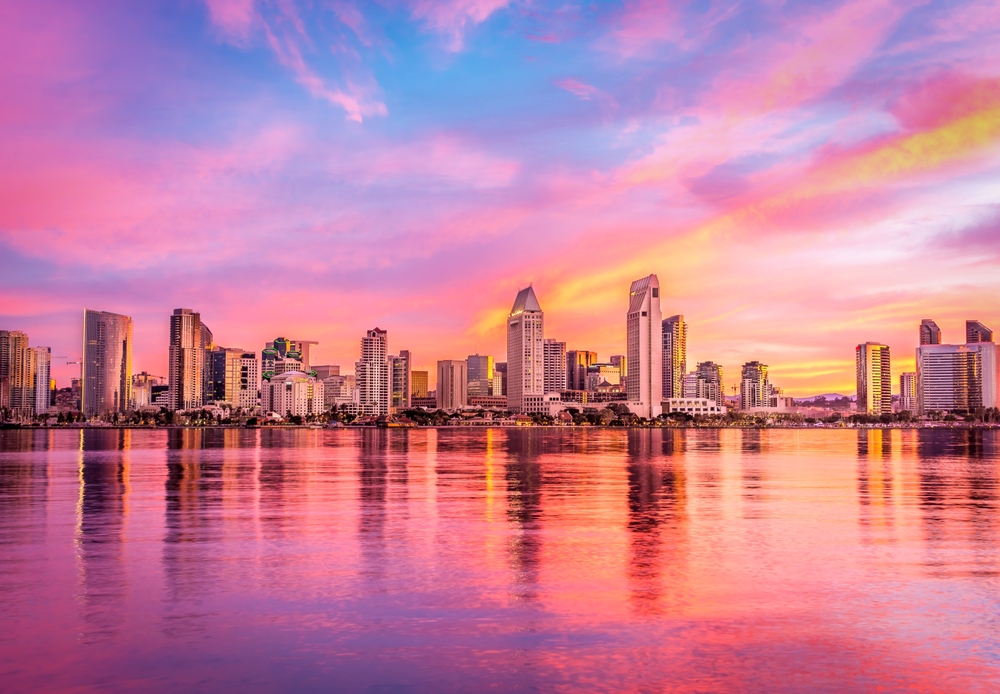
Living in California is simultaneously one of the best and most expensive decisions you can make. Both things are true at the same time, and anyone who tells you otherwise is selling something or hasn’t lived here long enough. People ask what is it like living in California because the trade-offs are real.
The calculation is personal. If you value weather, outdoor access, food diversity, cultural energy, and career opportunity enough to pay a premium for them, California works. If you prioritize affordability, lower taxes, less traffic, and a slower pace, other states will serve you better. Neither choice is wrong. The mistake is pretending one side of the equation doesn’t exist. If you are asking is California worth it, this is the lens that answers it.
If the coastal metros are too expensive, the state is bigger than most people realize. Sacramento, Riverside, Bakersfield, and the Central Valley offer California weather and outdoor access at a fraction of the Bay Area or OC price. You don’t have to live in San Francisco or Los Angeles to live in California. For a closer look at where the dollar stretches further, check out our city guides.
I’ve been here 28 years. I moved from the East Coast to Orange County at a time when the state felt larger and cheaper than it does now. I’ve watched rents double, freeways get slower, fire seasons get longer, and the cost of groceries climb to levels that still surprise me at checkout. I’ve also watched the state produce some of the best food, most beautiful landscapes, and most interesting people I’ve encountered anywhere. California is imperfect, expensive, and occasionally on fire. It is also home. That’s the honest answer.
If you’re considering a move, start with our Ultimate Guide to Moving to California for the logistics, or our Cost of Living in California Breakdown for the numbers. And if you’re already here and need a weekend away from it all, we’ve got you covered. For readers comparing pros and cons living in California, this is where the day-to-day details matter most.