Hearing the word “foreclosure” can be intimidating, especially for first-time homebuyers. The thought of a home being taken away by a lender conjures up images of financial trouble and legal complications. But understanding what foreclosure actually means—and how the process works—can help you make smarter decisions, whether you’re buying, selling, or just learning about real estate.
This article breaks down foreclosure in plain English. We’ll explain what it is, the different stages of the process, how it affects both buyers and sellers, and practical tips to protect yourself. Knowing this information allows you to approach the housing market with confidence and make informed choices when encountering distressed properties.
What Is Foreclosure?
Foreclosure is the legal process a lender uses to recover a property when the homeowner fails to make mortgage payments. Essentially, the home is collateral for the loan, and if payments aren’t made, the lender has the right to reclaim the property to recover the money it lent. This is often the last step after attempts to resolve missed payments, such as loan modifications or payment plans, have failed.
Foreclosure laws vary by state, but the process typically starts with the lender issuing a notice of default or pre-foreclosure. This gives the homeowner a period to catch up on payments or negotiate alternatives. If the homeowner cannot resolve the situation, the lender can move forward with legal proceedings, eventually selling the home at auction or through a bank-owned sale.
While foreclosure can be stressful for homeowners, it also affects the broader housing market. For buyers, foreclosures can present opportunities to purchase homes at below-market prices, but they often come with additional considerations and potential risks.
The Foreclosure Timeline
Understanding the foreclosure timeline helps both buyers and sellers navigate the process. Most foreclosures begin with a period of missed payments, followed by a notice of default. During this stage, homeowners may negotiate with their lender to avoid foreclosure through options like repayment plans, loan modifications, or short sales.
Pre-foreclosure is the period after the notice of default, giving the homeowner a chance to sell the property or pay off the missed amounts. If the issue isn’t resolved, the lender may proceed with a foreclosure sale, often conducted at a public auction. Once the property is sold, it can become a bank-owned home, also called real estate owned (REO), which may then be listed for sale to new buyers.
The timeline and legal requirements vary by state, so it’s important to be aware of local rules. Buyers interested in foreclosures should research these timelines to understand how quickly they can make an offer and what contingencies might be necessary.
Buying a Foreclosure: Risks and Opportunities
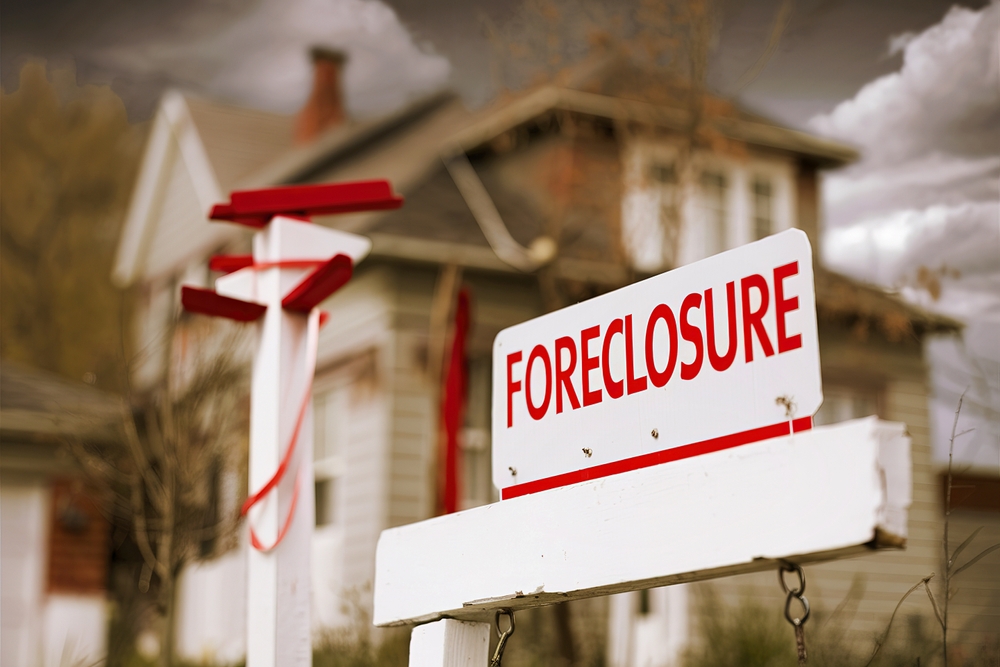
Foreclosed homes can offer buyers attractive pricing, but they are rarely sold in perfect condition. Many foreclosures are sold “as-is,” which means buyers may inherit repairs, liens, or other complications. This makes due diligence—inspecting the property, reviewing title history, and checking for unpaid taxes or liens—especially important.
Short sales, a related concept, occur when a homeowner sells their property for less than the mortgage balance with lender approval. Short sales can also be a way to acquire properties below market value, but they often involve long approval processes and additional paperwork, so patience is essential.
Working with an experienced Realtor is crucial when buying foreclosures. They can guide you through inspections, auctions, and negotiations, helping you navigate the unique challenges these transactions present.
Impact on Homeowners
Foreclosure can have significant consequences for homeowners, including long-term credit impact, difficulty qualifying for future loans, and the emotional stress of losing a home. However, it’s not always inevitable. Homeowners facing financial hardship should communicate with their lender early, explore loan modification options, or consider selling the property before foreclosure is finalized.
Understanding the foreclosure process empowers homeowners to make informed decisions. Being proactive can prevent the situation from escalating and may provide alternatives that protect both credit and equity.
Tips for Buyers and Sellers

For buyers, always conduct thorough due diligence before purchasing a foreclosed property. This includes property inspections, title searches, and understanding local foreclosure laws. Be prepared for competitive bidding and the possibility of repairs.
For sellers or homeowners at risk, maintain open communication with your lender. Explore alternatives such as short sales or loan modifications to avoid foreclosure. Consulting a Realtor or financial advisor experienced with distressed properties can provide guidance and options.
Foreclosures can be challenging, but with knowledge, preparation, and professional guidance, both buyers and sellers can navigate the process successfully and make informed real estate decisions.
Frequently Asked Questions
What is the difference between foreclosure and short sale?
Foreclosure occurs when a lender reclaims a property due to missed payments, while a short sale is when a homeowner sells their property for less than the mortgage balance with lender approval.
Can homeowners stop a foreclosure?
Yes, homeowners may stop foreclosure by paying past-due amounts, negotiating a loan modification, or selling the property through a short sale before the foreclosure is finalized.
How does foreclosure affect credit?
Foreclosure can significantly lower a homeowner’s credit score and remain on the credit report for up to seven years, making it harder to qualify for new loans.
Are foreclosed homes a good deal for buyers?
They can be, but foreclosures often come “as-is” and may require repairs or have liens. Due diligence and working with a knowledgeable Realtor are essential.
What is the pre-foreclosure period?
Pre-foreclosure is the period after a notice of default where the homeowner can attempt to sell the property, catch up on payments, or negotiate alternatives with the lender.