The real estate market has been anything but predictable these last few years, and many Americans are wondering when meaningful change will finally arrive. Now, economists say a major shift is coming—something they’re calling the housing reset. While this won’t be a dramatic crash or a quick price rollback, it could mark the beginning of a long-term return to balance. For buyers, sellers, homeowners, and investors, understanding what’s ahead is crucial to making smart decisions.
What makes the housing reset so important is that it reflects a shift in the fundamentals: income growth, mortgage trends, inventory patterns, and even how Americans are choosing to live.
If the projections hold true, 2026 may be remembered as the year the pendulum finally began to swing back toward affordability. But that shift won’t look the same for everyone. In this article, we’ll unpack the data, highlight what matters, and help you prepare for the road ahead.
Table of Contents
- Mortgage Rates and the Early Signals of a Housing Reset
- Affordability Improvements and the Pace of the Housing Reset
- Why Home Sales Will Rise During the Housing Reset
- Rising Rents and the Rental Market’s Role in the Housing Reset
- How High Housing Costs Are Reshaping Households
- How Policymakers Are Responding to the Housing Reset
- Refinancing and Remodeling Trends During the Housing Reset
- The Housing Reset and Regional Markets to Watch
- Climate Migration’s Influence on the Housing Reset
- Industry Shifts: MLS Consolidation in the Housing Reset
- AI as the Next Major Force in the Housing Reset
- What This Means for You Moving Forward
- FAQ
Mortgage Rates and the Early Signals of a Housing Reset
One of the biggest catalysts behind the housing reset is the shift in mortgage rates. After years of volatility, experts predict rates will ease into the low-6 percent range in 2026. While that’s not the dramatic drop many buyers are hoping for, it’s still meaningful. A few tenths of a percent can make a noticeable difference in monthly payments, and it opens the door for more people to reenter the market.
The Federal Reserve is expected to begin cutting interest rates as the labor market cools, but these rate cuts will be measured. This is why the housing reset is described as gradual rather than abrupt. Even if rates briefly dip below 6 percent, these moments are likely to be short-lived. The bond market will keep long-term rates, including mortgages, from falling too far too fast.
For now, buyers should view 2026 as a transitional period. It won’t feel like the ultra-low rates of the pandemic era, but it will provide enough relief to begin shifting momentum. In my own experience working with clients, even small reductions in rates can reignite enthusiasm and allow more buyers to consider homeownership.
Affordability Improvements and the Pace of the Housing Reset
The core of the housing reset lies in one encouraging trend: wages are projected to grow faster than home prices in 2026. This has not happened consistently since the aftermath of the Great Recession. Even though home prices are expected to rise slightly—about 1 percent—wage growth should outpace that increase, creating slow but steady affordability improvement.
However, affordability improving does not mean homes will suddenly feel inexpensive. Many households will still struggle, especially first-time buyers and young families. The gap between earnings and home prices is wide and will take years to close. The housing reset is a marathon, not a sprint.
What makes this period different from past slowdowns is the strength of homeowners’ equity. Many current owners have low mortgage delinquency risks, allowing them to wait out the market instead of selling at a discount. That’s why prices likely won’t fall sharply—even with cooler demand.
Why Home Sales Will Rise During the Housing Reset
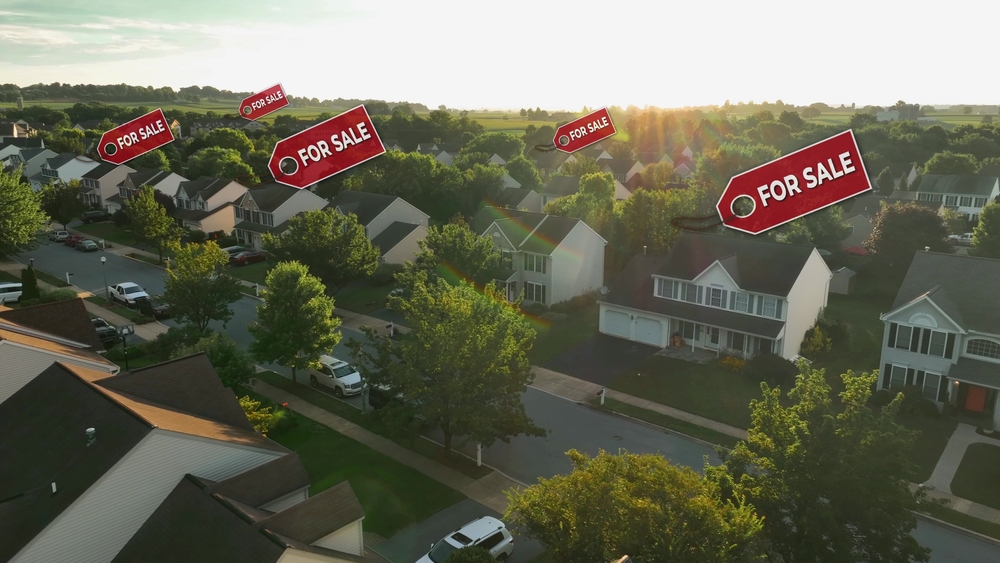
Home sales are projected to rise about 3 percent in 2026. That’s not explosive growth, but it reflects the slow upward trend expected during the housing reset. This moderate increase will come from marginally improved affordability paired with slightly lower mortgage rates.
The spring buying season of 2026 is expected to be stronger than the previous year, mainly because rates will be lower than the 6.8 percent range seen in early 2025. Still, many would-be buyers remain cautious. Concerns about job stability—especially with AI reshaping some white-collar roles—may keep some buyers on the sidelines.
As a Realtor, I see this dynamic play out often. The difference between participating in the market and sitting out frequently comes down not only to interest rates but to overall confidence. When people feel their jobs and incomes are secure, they’re more willing to move forward even in a tight market.
Rising Rents and the Rental Market’s Role in the Housing Reset
Rents are expected to rise 2 to 3 percent in 2026 as rental demand strengthens and new apartment construction slows. This tightening supply, paired with high homebuying costs, means more people will stay renters longer, reinforcing the housing reset’s gradual nature.
Many renters who hope to buy are finding that saving for a down payment is more difficult when rents consume larger portions of their income. This trend affects younger adults in particular. Areas like South Florida and Southern California may see slightly slower rental demand due to immigration enforcement changes, but nationwide, upward pressure on rent remains.
For investors, the rental market trends offer potential opportunities. As more Americans delay buying, well-maintained rentals in stable markets will likely remain in high demand.
How High Housing Costs Are Reshaping Households

One striking effect of the housing reset is how it’s changing the way Americans live. With affordability still strained, more young adults are moving back home, more families are combining households, and more friends are teaming up to purchase homes together.
Gen Z and millennial homeownership rates have plateaued, and many younger buyers are finding it necessary—and sometimes practical—to live with parents or roommates longer than expected. This doesn’t have to be a negative; multigenerational living has benefits, and many homeowners are renovating to make these arrangements more comfortable.
Falling fertility rates are also part of the equation, with high housing costs contributing to smaller family planning. As someone who tours homes frequently, I’m seeing more properties designed or remodeled with guest suites and flexible living spaces to support extended family members.
How Policymakers Are Responding to the Housing Reset
One fascinating outcome of the affordability crisis is that policymakers across party lines are beginning to agree on solutions. From zoning reform to incentives for manufactured housing, the housing reset may finally push housing policy forward in meaningful ways.
The YIMBY movement has gained bipartisan traction, and bills designed to expand housing supply—such as the Yes in My Backyard Act and the Build More Housing Near Transit Act—are gaining federal and state-level attention. President Trump may even declare a national housing emergency to spark additional change.
While government initiatives alone won’t fix affordability quickly, they can help lay groundwork for the long-term stability that the housing reset aims to bring.
Refinancing and Remodeling Trends During the Housing Reset

As mortgage rates settle into the low-6 percent range, refinancing will become attractive again for many homeowners. Nearly 20 percent of homeowners currently have mortgages above 6 percent, meaning millions could benefit from refinancing in 2026.
Home equity is another major factor. With the typical homeowner holding around $181,000 in untapped equity, many will turn to HELOCs and cash-out refinances to fund renovations. This trend aligns with a growing preference for upgrading existing homes rather than moving.
In my own work, I’ve seen a noticeable rise in clients choosing to remodel kitchens, add ADUs, or expand multigenerational spaces. These upgrades often provide more value and flexibility than uprooting in a high-cost environment.
The Housing Reset and Regional Markets to Watch
The housing reset won’t impact every region equally. Markets near New York City, along with many in the Midwest and Great Lakes region, are poised to heat up due to affordability, climate safety, and career opportunities. Cities like Cleveland, Minneapolis, Madison, and St. Louis may see stronger demand.
Meanwhile, many pandemic boomtowns—such as Nashville, Austin, and parts of South Florida—are cooling due to insurance costs, natural disaster risks, and workers returning to office hubs. Some sellers in these areas may even face losses if they purchased at peak prices.
For buyers, regional research will be essential. The housing reset will reward those who look beyond headline markets and keep long-term value in mind.
Climate Migration’s Influence on the Housing Reset

Climate risk is pushing more Americans to make strategic decisions about where to live. But instead of cross-country moves, many are shifting within the same metro areas—from high-risk neighborhoods to safer ones. This hyperlocal migration is expected to increase in 2026.
Examples include Los Angeles residents leaving hillside fire zones in favor of flatter coastal areas. Insurance premiums are also influencing decisions, with skyrocketing rates making some homes financially impractical to maintain.
This pattern could create inequality if vulnerable communities lack the financial means to relocate. The housing reset will amplify these challenges, making resilience and insurance key considerations for future buyers.
Industry Shifts: MLS Consolidation in the Housing Reset
The real estate industry itself is changing during the housing reset. The National Association of Realtors is expected to step back from creating standardized rules for MLS systems, allowing local MLSs more autonomy.
This shift will likely drive consolidation as smaller MLSs merge with larger networks. The outcome could be clearer rules, cleaner data, and better experiences for brokers and consumers.
As an agent, I welcome anything that increases efficiency. Better MLS tools and data transparency make the process smoother for buyers and sellers alike.
AI as the Next Major Force in the Housing Reset

Artificial intelligence is about to reshape real estate in powerful ways. During the housing reset, AI will begin functioning as a real estate matchmaker—pairing buyers with homes that match their lifestyle, budgets, and preferences.
Instead of browsing by zip code, buyers will describe their ideal features and let algorithms tailor options. AI will also help agents time their outreach, match clients to listings, and streamline communication.
High-end buyers may especially benefit, with AI helping identify homes equipped with wellness features such as water purification, meditation rooms, or advanced filtration systems.
What This Means for You Moving Forward
The housing reset is not a single event—it’s an unfolding process. For buyers, it means watching wage growth, mortgage rates, and inventory patterns. For sellers, it means understanding that pricing power may not be as strong as during the pandemic boom. For homeowners, it may be the perfect time to refinance or remodel.
No matter where you fall, staying informed will help you navigate the next several years more confidently. The market may move slowly, but the decisions you make during the housing reset can have long-lasting financial impacts.
If you’re unsure how these trends apply to your situation, talking through the details with a trusted real estate professional can provide clarity and direction.
FAQ

What is the housing reset?
The housing reset refers to a multiyear period beginning around 2026 when rising wages, moderating prices, and shifting inventory will slowly rebalance the housing market.
Will home prices drop during the housing reset?
Prices are projected to rise slightly rather than fall, mainly because homeowners have strong equity positions and are not forced to sell at discounted prices.
How will mortgage rates change in 2026?
Rates are expected to average in the low-6 percent range, offering some relief compared to recent years but not a return to pandemic-level lows.
Will it be easier to buy a home in 2026?
Affordability should improve modestly as wages rise faster than home prices, but many buyers—especially younger households—will still face challenges.
How will renters be affected by the housing reset?
Rents are expected to rise as apartment construction slows, making saving for a down payment more difficult for some renters.
Which markets will benefit most from the housing reset?
Affordable regions with climate stability, such as the Great Lakes and Midwest, are likely to see stronger demand.