The housing market entered winter with a sense of cautious optimism. Mortgage rates had eased, buyer confidence appeared to be returning, and closed sales were finally showing real momentum after a long stretch of uncertainty. Then December arrived, and the data told a more complicated story.
Contract activity pulled back sharply, raising new questions about where the market is heading next. This slowdown wasn’t driven by a single factor, and it doesn’t necessarily signal trouble ahead, but it does reveal how sensitive today’s market has become. By looking closely at pending sales, we can better understand what’s happening now and what buyers, sellers, and investors should be watching as the year unfolds.
What the Latest Pending Sales Numbers Are Really Telling Us
According to the National Association of Realtors, pending sales fell 9.3% in December compared to the previous month and were down 3% year over year. Because pending sales track contract signings rather than closings, they act as a forward-looking indicator, offering an early signal of where closed transactions may land in the months ahead.
This pullback was surprising because it interrupted several months of steady improvement. Existing-home sales actually rose in December, climbing to their strongest pace in nearly three years. On the surface, that creates a contradiction: more homes were closing, yet fewer buyers were committing to new purchases.
From my perspective, this disconnect highlights a market that’s moving in phases rather than in a straight line. Buyers who locked in homes earlier in the fall moved through to closing, while new buyers hesitated as conditions shifted. Pending sales often reveal these pauses before they show up anywhere else.
Why Inventory Is Pressuring Pending Sales Despite Lower Rates
Mortgage rates averaged around 6.19% in December, a noticeable improvement from earlier highs. Lower rates helped stabilize monthly payments and brought many buyers back off the sidelines. Normally, that kind of rate movement supports stronger pending sales.
Inventory, however, told a different story. The number of existing homes for sale dropped 18% from November to December, erasing several months of gradual gains and returning inventory to some of the lowest levels seen in 2025. Buyers tend to hesitate when options feel limited, even if financing conditions improve.
I see this play out regularly in real-world transactions. Buyers want flexibility and choice. When inventory tightens, enthusiasm fades, not because buyers disappear, but because they’re waiting for the right home. In this environment, pending sales can slow even while overall demand remains intact.
Seasonal Factors That Commonly Impact Pending Sales
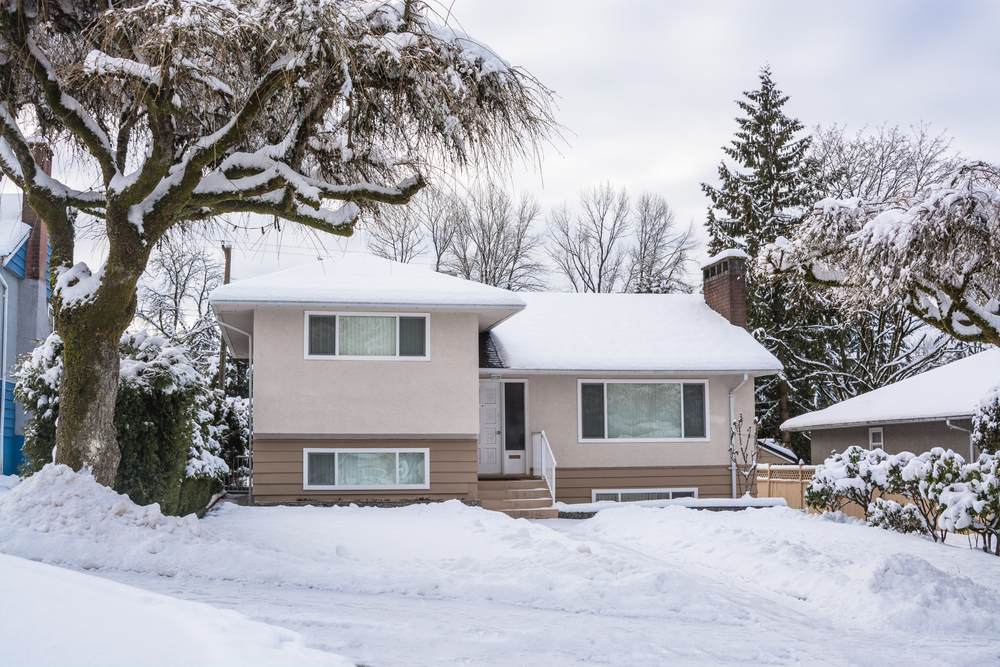
December is one of the most difficult months to interpret housing data. Holidays, travel schedules, and time away from work naturally slow decision-making. Even motivated buyers often pause contract activity until the calendar flips.
Weather added another layer this year. Colder and snowier conditions in the Midwest and Northeast reduced in-person showings, while unusual weather patterns in parts of the West created their own disruptions. These factors don’t eliminate demand, but they can delay it, pushing pending sales into later months.
Historically, early-year data often rebounds as listings increase in February and March. That’s why short-term drops in pending sales don’t always translate into long-term weakness. Context matters, especially during winter.
Markets Where Pending Sales Are Defying the National Trend
While national pending sales declined, several metro areas posted strong annual gains. Markets like Louisville, San Antonio, Charlotte, Phoenix, and Miami saw meaningful increases in contract activity compared to last year, according to Realtor.com data.
These regions tend to benefit from job growth, population inflows, or relative affordability. Even during seasonal slowdowns, buyers remain active because the fundamentals support long-term demand. Pending sales in these areas reinforce how localized real estate truly is.
For anyone watching the market from a distance, this contrast is important. National headlines often miss what’s happening on the ground. Local data, especially pending sales, provides far more useful insight for decision-making.
What Slowing Pending Sales Mean for Buyers and Sellers Right Now
For buyers, softer pending sales may signal opportunity rather than risk. Less competition during the winter months can create room for negotiation, especially if inventory begins to rebuild as expected in early spring.
Sellers, on the other hand, should view this pause as a reminder that pricing and presentation matter more than ever. Buyers are active, but selective. Homes that align with market expectations continue to sell, even when pending sales soften.
Investors should focus on timing and location. Short-term fluctuations in pending sales don’t erase long-term trends, but they do affect entry points. Understanding where demand is holding up—and why—can make a meaningful difference.
Reading the Market Beyond the Headlines
The recent dip in pending sales doesn’t suggest a market in retreat. Instead, it reflects a housing environment that’s highly responsive to inventory levels, seasonal behavior, and buyer psychology.
As more homes typically come to market in late winter, contract activity often follows. If inventory expands while rates remain relatively stable, pending sales could rebound quickly. If inventory stays tight, expect uneven results that vary sharply by region.
The key is staying informed and grounded in data rather than emotion. Pending sales provide one of the clearest early signals of where the market may be heading next.
Frequently Asked Questions

What are pending sales in real estate?
Pending sales measure homes that have gone under contract but have not yet closed. They are tracked by the National Association of Realtors and act as a forward-looking indicator of market activity.
Why did pending sales fall even though mortgage rates dropped?
Lower rates helped buyers close existing deals, but inventory declined sharply. Fewer homes for sale reduced buyer confidence and slowed new contract signings.
Do falling pending sales mean prices will drop?
Not necessarily. Pending sales reflect activity, not pricing. Prices depend on supply, demand, and local market conditions.
Are pending sales more important than closed sales?
They serve different purposes. Closed sales show what already happened, while pending sales offer insight into what may happen next.
When should buyers pay the most attention to pending sales?
Pending sales are especially useful during periods of change, such as shifts in mortgage rates, inventory levels, or seasonal transitions.