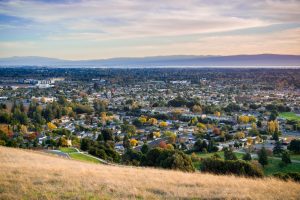
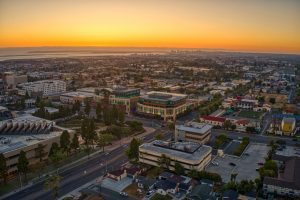
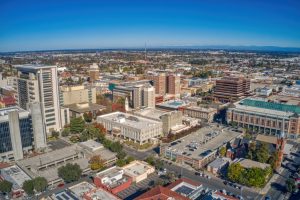
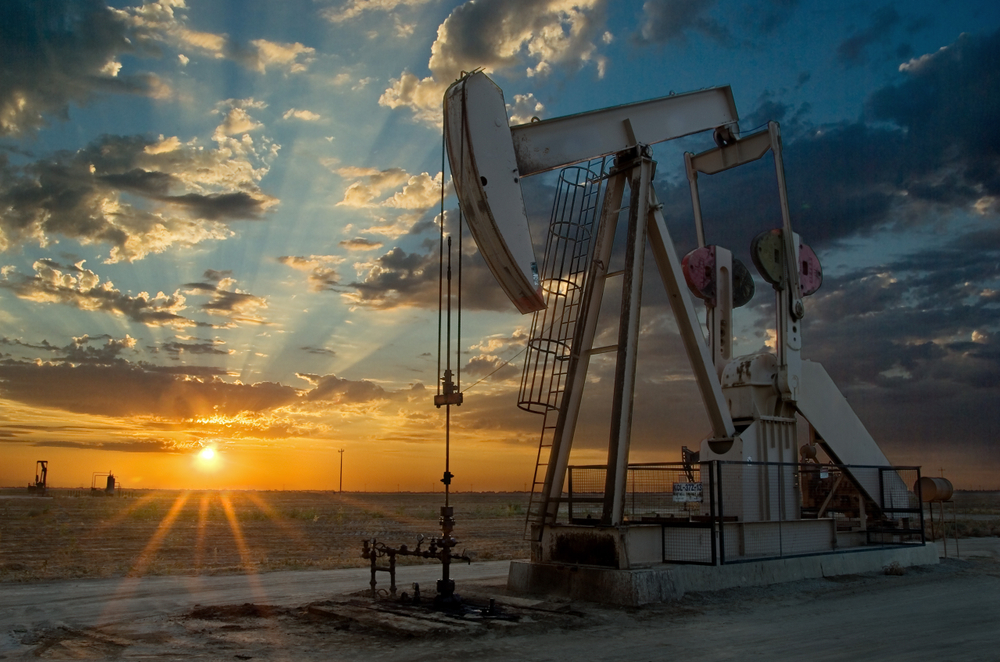
Living in Bakersfield doesn’t pretend to be something it’s not, and in a state obsessed with image and aspiration, that honesty is remarkably refreshing. This is California’s working-class heartland, a Central Valley city where oil derricks dot the landscape, where agricultural production drives the economy, and where people still actually afford to buy homes without inheriting trust funds or selling equity in billion-dollar startups. Living in California is often viewed as glamorous; Bakersfield simply is not that!
Yet, while coastal Californians pay $1.5 million for fixer-uppers and Instagram influencers debate which neighborhood has the best kombucha selection, Bakersfield residents buy spacious houses for $410K-$425K[1][2][3], commute 21 minutes to work[4][5][6], and save money that would otherwise evaporate into rent or mortgage payments elsewhere. It’s not glamorous; it’s practical, and for many Californians drowning in housing costs, practical beats glamorous every time.
The financial equation is straightforward and compelling enough to justify serious consideration. Median home prices hover around $410K-$425K[1][2][3], or less than half what comparable square footage costs in Sacramento, a quarter of San Francisco prices, and dramatically below Los Angeles or San Diego averages.
Rent ranges from $1,201 to $1,850 per month[7][8][9][10] depending on unit size, affordable on middle-class salaries without requiring roommates or side hustles. The median household income sits around $77,397[11], which stretches considerably further here than in coastal metros where six figures barely covers basics. For families watching their savings evaporate into rent elsewhere, or professionals tired of financial treadmills that never lead to homeownership, Bakersfield offers something increasingly rare: a realistic path to building equity and financial stability while remaining in California.
But Bakersfield requires honest acknowledgment of what you’re trading for that affordability. The summer heat isn’t just warm; it’s brutal, with temperatures regularly exceeding 100°F for weeks on end, transforming outdoor activities and requiring constant air conditioning that drives utility bills up.
The city lacks cultural amenities and diversity that define coastal California; fewer restaurants, less nightlife, limited arts scene, and demographics that skew more conservative and homogeneous. The landscape is flat, hot, and brown, without ocean breezes or mountain vistas to soften the Central Valley’s harsh geography. Air quality struggles, particularly in winter when inversions trap pollution. Some neighborhoods experience higher crime rates. The city’s industrial character—oil production, agriculture, logistics—creates a working-class atmosphere that won’t appeal to everyone, particularly those seeking sophisticated urban environments or polished suburban perfection.
Yet Bakersfield’s positioning and economy provide advantages beyond just low housing costs. The city sits strategically at the southern end of the San Joaquin Valley, with Highway 58 connecting westward to the Central Coast (San Luis Obispo, Morro Bay) and eastward toward Tehachapi and the Mojave Desert. Los Angeles lies 100 miles south, close enough for weekend trips but far enough to avoid daily commute insanity.
Sequoia National Park and the Southern Sierra are accessible for mountain recreation. Lake Isabella provides water sports and camping. The Kern River Parkway offers local outdoor space. The job market, anchored by oil and gas production, agriculture, healthcare, and logistics, provides blue-collar and mid-level professional opportunities with recession-resistant stability. California State University, Bakersfield adds educational access and employer diversity.
Bakersfield works for specific people in specific situations. Young families priced out of coastal metros discover they can buy homes with yards instead of endlessly renting apartments. Workers in oil, agriculture, healthcare, or logistics find stable employment with wages that actually cover living expenses. Retirees seeking affordable California living without leaving the state entirely stretch retirement savings further. People willing to tolerate heat and isolation in exchange for financial breathing room build wealth impossible elsewhere.
This guide will walk you through everything you need to know to determine whether Bakersfield’s practical advantages outweigh its very real limitations, and whether this no-frills Central Valley city aligns with your priorities, budget, and vision for California living.
Quick Snapshot of Living in Bakersfield
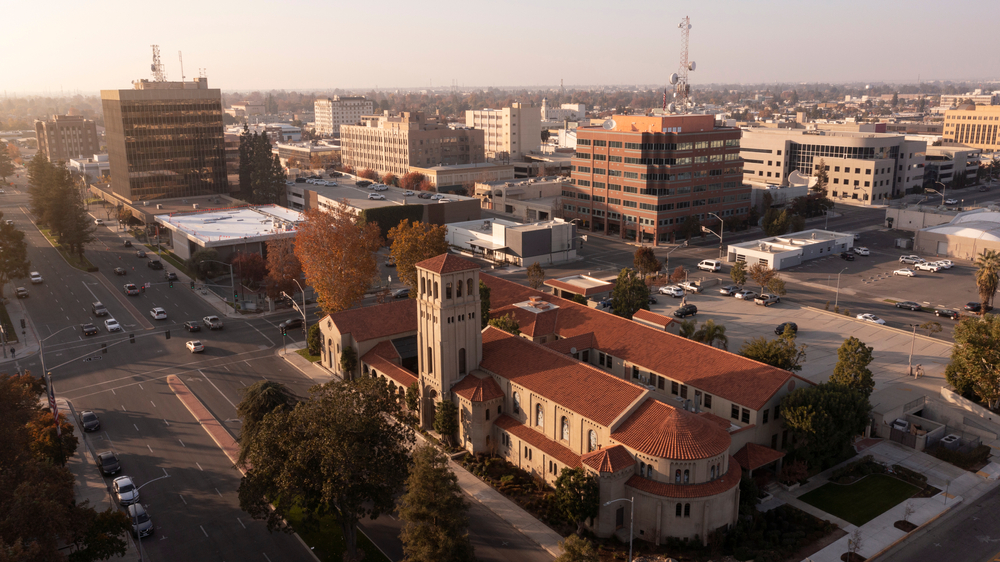
Bakersfield, California, is a Central Valley city known for its affordability, energy industry roots, agriculture, and wide-open space. For many people priced out of coastal California, Bakersfield represents one of the most realistic paths to homeownership while staying in the state.
Population: ~408,000–417,000 residents[11][12][13]
County: Kern County
Median Household Income: ~$77,397[11]
Median Home Value: ~$410,000–$425,000[1][2][3]
Median Rent: ~$1,201–$1,850/month[7][8][9][10]
Average Commute: ~21 minutes[4][5][6]
Vibe: Practical, working-class, family-oriented, no-frills
Cost of Living
Housing Costs in Bakersfield
Housing affordability is the city’s biggest draw, which is why so many people are interested in living in Bakersfield.
- Home prices: Median home values generally range between $410K–$425K[1][2][3], making Bakersfield one of the most affordable cities of its size in California.
- Rent: Average rents typically fall between $1,201–$1,850/month[7][8][9][10], depending on unit type and neighborhood.
- Housing types: Predominantly single-family homes, newer subdivisions, ranch-style houses, and some apartment complexes.
- Context: Bakersfield allows many residents to buy homes that would be completely out of reach in coastal California.
Utilities
Utility costs in this area are higher than in many coastal cities, primarily due to the climate. This is an important consideration to make regarding living in Bakersfield.
- Hot summers drive significant air-conditioning usage, increasing electricity bills.
- Water usage can also be higher, especially for homes with yards.
- Overall utility costs are still considered reasonable relative to income and housing savings.
Gas & Transportation
Transportation costs are lower than coastal California but still above the national average.
- Gas prices are typically lower than Los Angeles, Bay Area, and San Diego averages.
- Bakersfield is highly car-dependent, with limited public transit use.
- Commutes are shorter and less stressful than major metro areas.
Groceries & Everyday Costs
Grocery costs are close to the national average and noticeably cheaper than coastal California cities, making living in Bakersfield attractive from an everyday cost standpoint.
Dining out is more affordable, with a strong presence of local restaurants and family-owned establishments.
Everyday services (childcare, auto repair, trades) tend to be less expensive.
Lifestyle & Quality of Life
Traffic & Commute
Traffic is one of Bakersfield’s underrated advantages. That’s not something you can say about living in California’s other major cities.
- Average commute times hover around 21 minutes[4][5][6], well below California metro averages.
- Roads are wide, congestion is manageable, and daily driving is relatively stress-free.
- The city layout is straightforward and easy to navigate.
Neighborhoods & Areas to Know for Living in Bakersfield
Bakersfield offers a range of residential options, each with distinct characteristics and appeal.
Northwest Bakersfield
Northwest Bakersfield represents the city’s primary growth area, featuring newer subdivisions, master-planned communities, and modern infrastructure that attracts families and first-time homebuyers. This area has developed significantly over the past two decades, transforming from agricultural land into residential neighborhoods with contemporary homes, wide streets, and newer schools.
The housing stock predominantly consists of single-family homes built from the 1990s forward, with floor plans featuring open concepts, attached garages, and yards suitable for families. Home prices typically range from $380K-$450K, positioning Northwest Bakersfield as accessible for middle-class buyers.
The area appeals to young families seeking newer construction, good schools, and a suburban atmosphere. Shopping centers, chain restaurants, and big-box retailers line major corridors like Allen Road and Calloway Drive, providing convenient access to everyday services. Schools vary in quality, with some highly rated and others less so, requiring research by families thinking about living in Bakersfield.
The neighborhood’s newness means mature trees are limited and community identity is still forming—it feels more like suburban development anywhere rather than distinctive Bakersfield character. However, for buyers prioritizing modern homes, lower maintenance, family-friendly environments, and move-in-ready properties, Northwest Bakersfield delivers exactly that at prices well below older established neighborhoods in coastal California.
Southwest Bakersfield
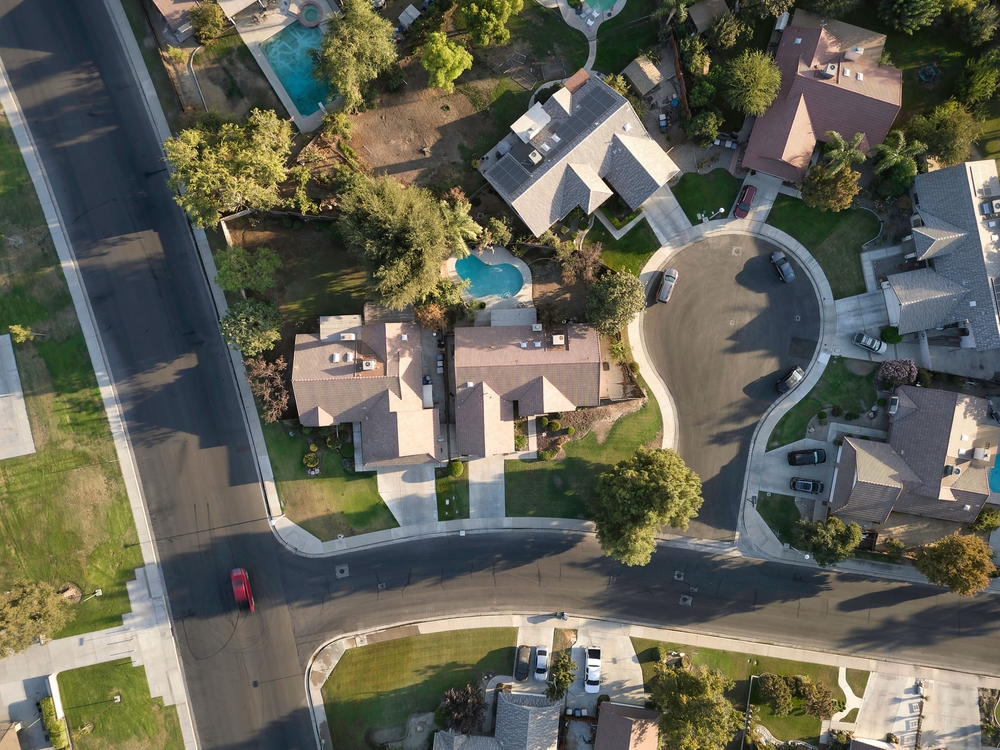
Southwest Bakersfield offers growing suburban neighborhoods with shopping access and relative affordability, attracting diverse residents seeking newer housing without Northwest Bakersfield’s premium pricing. The area has experienced steady development, with residential communities spreading west and south from central Bakersfield.
Housing consists primarily of single-family homes built from the 1980s through present day, offering variety in age, style, and price points. Homes typically range from $350K-$420K, slightly more affordable than Northwest areas, while maintaining suburban character and newer construction than older central neighborhoods.
Southwest Bakersfield attracts working-class families, young professionals, and first-time buyers seeking space and affordability. The area benefits from proximity to major shopping centers along California Avenue and Ming Avenue, providing grocery stores, restaurants, and services within short drives. Schools in Southwest Bakersfield vary in performance, with parents carefully researching specific school boundaries before purchasing.
The neighborhood lacks walkability—residents drive for most activities—and community identity remains less defined than in established areas. However, the combination of affordable housing, newer construction, and convenient shopping access makes Southwest Bakersfield a practical choice for budget-conscious buyers seeking suburban living.
Olde Stockdale / Stockdale Estates
Olde Stockdale and Stockdale Estates represent Bakersfield’s more established and upscale neighborhoods, featuring larger homes, mature landscaping, and a sense of permanence that newer subdivisions lack. Located in northwest Bakersfield but predating recent development, these neighborhoods were built primarily from the 1970s through 1990s, creating residential streets with character that newer areas haven’t yet achieved.
The housing stock for living in Bakersfield’s more upscale area includes ranch-style homes, two-story houses with traditional floor plans, and properties on larger lots than typical newer construction. Home prices range from $450K-$600K+, reflecting the desirability of space, established neighborhoods, and perceived prestige.
The area attracts established professionals, families seeking good schools and community stability, and residents who value mature neighborhoods over cutting-edge modern construction. Schools in the Stockdale area generally rank among Bakersfield’s best, contributing to the neighborhood’s family-friendly reputation. The established nature means mature trees, defined community identity, and neighbors who’ve lived here for years or decades.
However, older housing stock may require updates and maintenance compared to newer construction. For those seeking Bakersfield’s most established residential experience, who prioritize space and community over modern finishes, Olde Stockdale and Stockdale Estates deliver the closest approximation to traditional suburban comfort.
East Bakersfield
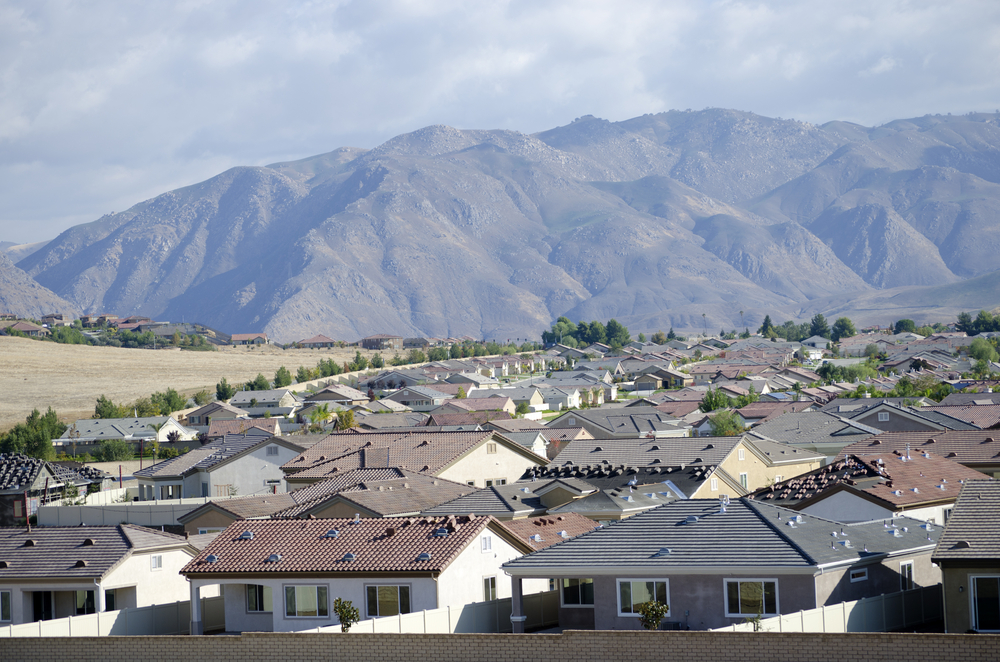
East Bakersfield offers the most affordable housing in the city, attracting working-class families, first-time buyers, and anyone prioritizing low entry costs over newer construction or prestige neighborhoods. This area represents Bakersfield’s oldest residential development, with housing stock dating from early-to-mid 20th century through the 1970s and 1980s.
The neighborhoods feature smaller, older homes—many ranch-style or modest post-war construction—on established lots with mature landscaping. Home prices typically range from $280K-$360K, significantly below the city median and dramatically more accessible than newer western neighborhoods. This area makes living in Bakersfield extremely affordable.
East Bakersfield’s character is decidedly working-class and industrial, with mixed residential and industrial zones that create a grittier atmosphere than western suburbs. The area experiences higher crime rates than other parts of Bakersfield, requiring careful neighborhood research and realistic expectations about safety and property values. Schools generally perform below district averages, pushing families toward private or charter options.
However, for buyers operating on tight budgets who need homeownership over perfect conditions, East Bakersfield provides entry points impossible elsewhere. The area also includes pockets of long-term residents and community stability that newcomers might overlook. For those willing to accept East Bakersfield’s challenges in exchange for genuine affordability—who can navigate urban realities and see potential rather than just problems—this area delivers the most accessible path to California homeownership.
Living in Bakersfield: Schools & Education
Education quality in Bakersfield varies by district and neighborhood.
- Multiple school districts serve the city and surrounding areas.
- Charter and private schools are options for families seeking alternatives.
- California State University, Bakersfield (CSUB)[14] provides higher education and local employment.
Families often choose neighborhoods based on specific school performance.
Living in Bakersfield: Safety & Crime
Crime is an important consideration in Bakersfield.
- Some areas report higher crime rates, particularly property crime.
- Other neighborhoods are quieter and more family-oriented.
Key takeaway: Bakersfield requires neighborhood-by-neighborhood evaluation rather than citywide assumptions.
Weather & Climate
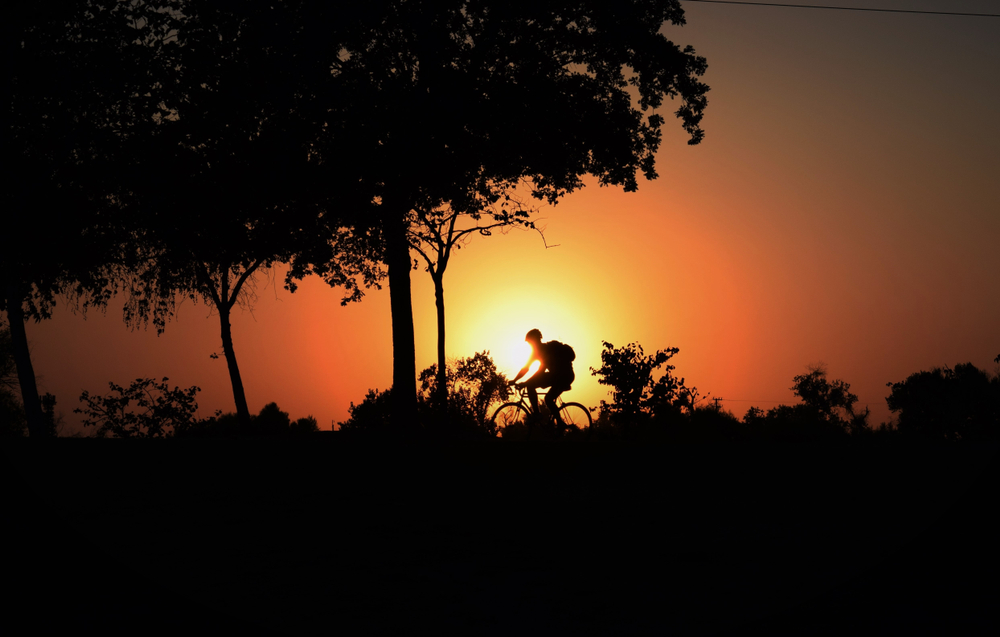
Bakersfield experiences a hot, dry Mediterranean climate with significant seasonal variation that defines daily life and represents the single biggest lifestyle adjustment for newcomers from coastal California. Summers are intensely hot and relentless, with temperatures regularly exceeding 100°F from June through September, often reaching 105-110°F during peak heat waves.
The Central Valley location means no coastal fog to moderate temperatures, no ocean breezes to provide relief, and no escape from sunshine that beats down with intensity that makes afternoon outdoor activities genuinely dangerous rather than merely uncomfortable. Residents adapt by scheduling errands for early morning, staying indoors during peak afternoon hours, and accepting that air conditioning isn’t a luxury—it’s a survival necessity that runs constantly and drives electricity bills significantly higher than coastal areas.
Winters provide relief from summer’s oppression, with mild daytime temperatures typically ranging from the mid-50s to mid-60s and cool nights that occasionally dip to freezing. The region receives minimal rainfall concentrated between November and March, though total annual precipitation remains modest. Winter also brings tule fog—dense ground fog that can reduce visibility to near-zero and create hazardous driving conditions and flight delays.
Spring and fall offer Bakersfield’s most pleasant weather, with comfortable temperatures in the 70s and 80s, blooming trees, and conditions ideal for outdoor recreation before summer heat returns. The lack of humidity year-round means even scorching days feel slightly less oppressive than similar temperatures in humid climates, and evenings cool down enough to provide some relief. For those who love sunshine, hate fog and cold, and can tolerate extreme heat for several months, Bakersfield’s climate delivers abundant clear skies and predictable weather.
For those accustomed to coastal California’s mild, fog-moderated temperatures, the summer heat represents a profound lifestyle adjustment that shouldn’t be minimized—this is genuinely difficult weather that affects daily activities, utility costs, and overall quality of life for a substantial portion of the year. It’s certainly an important aspect to consider when thinking about living in Bakersfield.
Work, Economy & Practical Living
Job Market & Major Employers
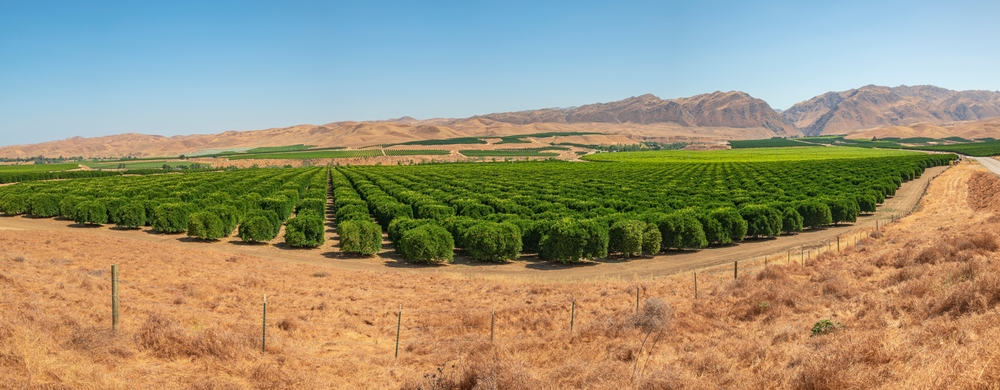
Bakersfield’s economy is anchored by:
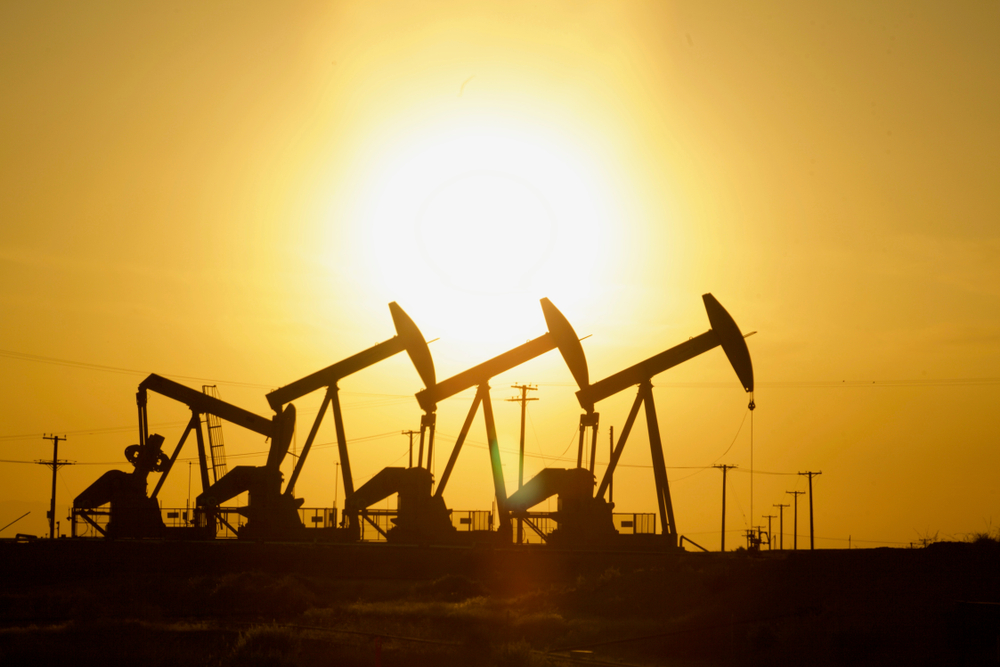
- Energy and oil production (Chevron, Aera Energy)
- Agriculture and food processing
- Healthcare and education (including CSUB[14])
- Logistics and distribution
Jobs tend to be more blue-collar and industrial compared to coastal California, though professional roles exist.
Living in Bakersfield: Healthcare Access
Bakersfield offers solid healthcare access:
- Multiple hospitals and regional medical centers
- Specialty care availability has improved in recent years
- Some residents travel to Los Angeles for highly specialized treatment
Taxes & California Realities
Despite lower housing costs, Bakersfield residents still face:
- California state income taxes
- Sales tax rates above national average
- Property taxes governed by Proposition 13, helping long-term owners maintain stability
Lower home prices help offset California’s tax burden.
Lifestyle Perks of Living in Bakersfield

Outdoor Recreation & Things to Do
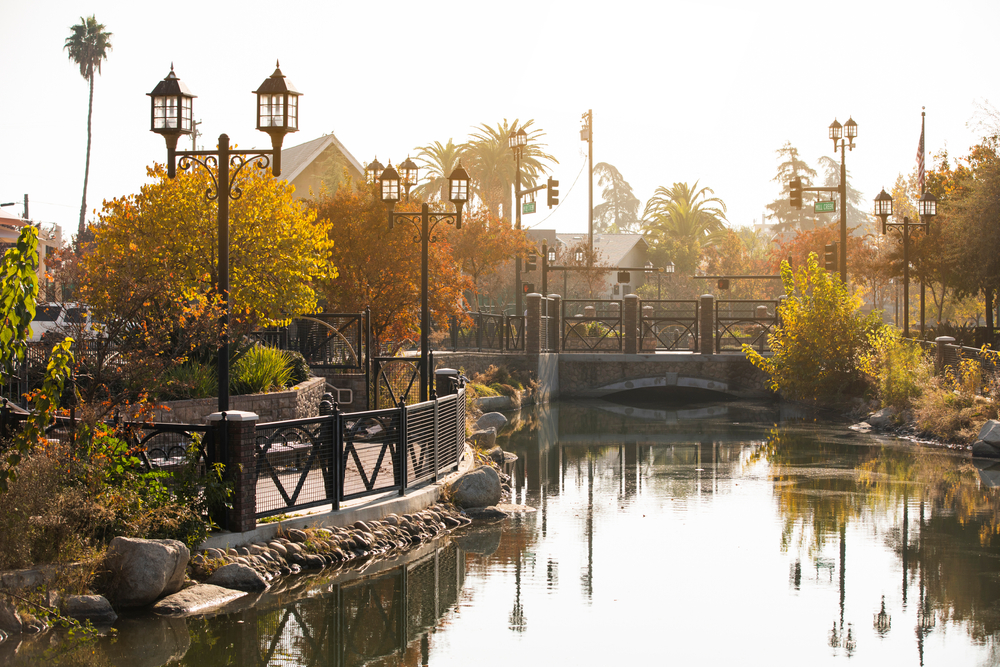
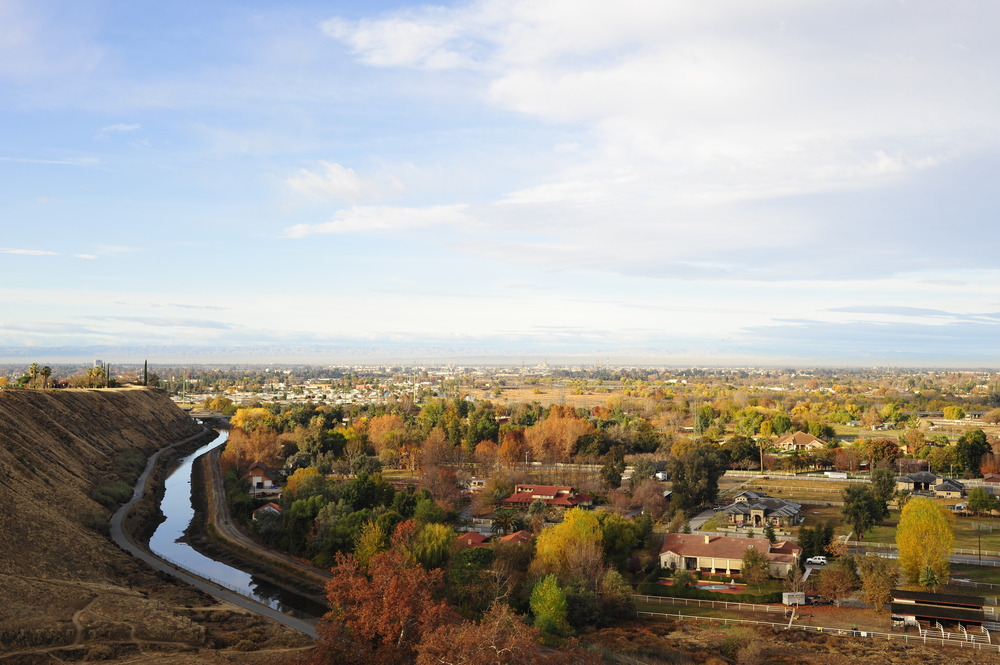
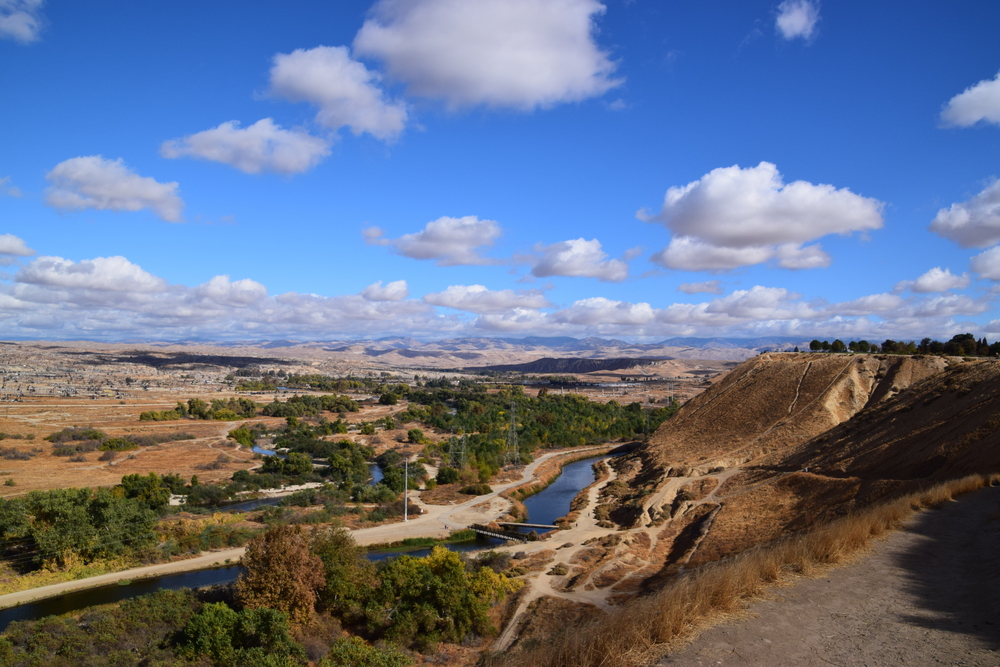
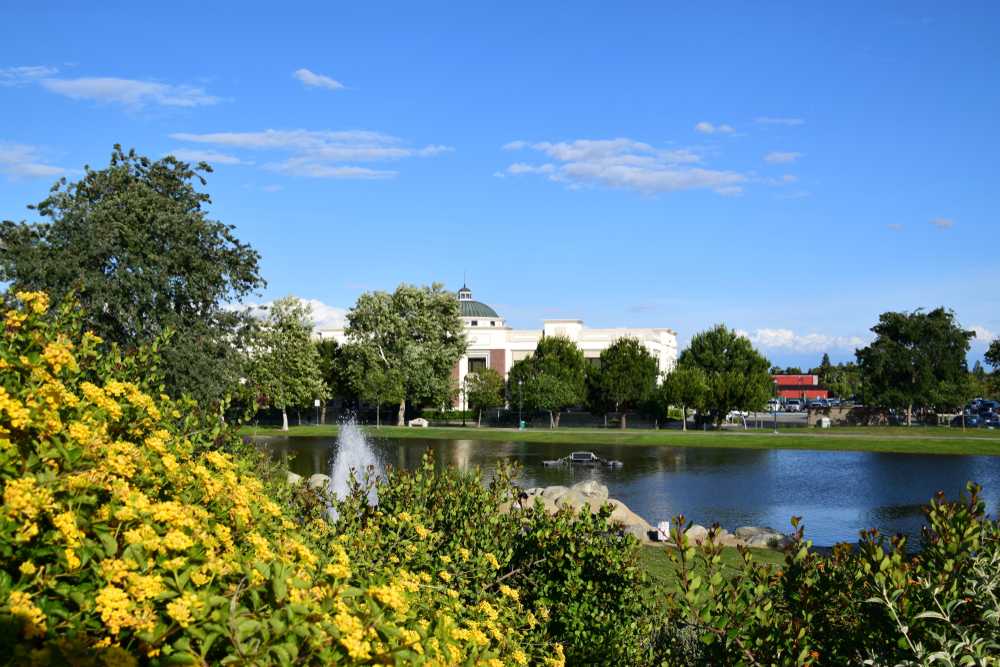
Bakersfield’s location provides access to diverse outdoor recreation opportunities that compensate, for many residents, for the city’s lack of urban amenities. The Kern River Parkway (shown above) threads through the city, offering bike paths, walking trails, and river access for fishing and seasonal kayaking.
While the city itself is flat and hot, the surrounding geography provides weekend escape options. Sequoia and Kings Canyon National Parks sit about two hours northeast, offering giant sequoia groves, mountain hiking, and alpine scenery that feels worlds away from Central Valley heat. Lake Isabella, 45 minutes east in the foothills, provides boating, fishing, camping, and water sports with a mountain backdrop.
The Central Coast lies 90 minutes west via Highway 58, making San Luis Obispo, Morro Bay, and Pismo Beach accessible for weekend beach trips without requiring overnight stays. The Southern Sierra foothills offer hiking, mountain biking, and seasonal wildflower displays. The Tehachapi Mountains provide cooler temperatures and wind farms creating striking landscapes. Carrizo Plain National Monument, a couple hours northwest, showcases springtime wildflower super-blooms.
While Bakersfield itself offers limited outdoor recreation beyond the river parkway, its positioning as a base camp for regional exploration creates flexibility—residents regularly access mountains, beaches, national parks, and desert landscapes all within two-hour drives. For those who value weekend adventure access over daily urban walkability, who can tolerate Bakersfield’s limitations in exchange for proximity to California’s natural diversity, the city’s location delivers genuine value.
Dining, Culture & Entertainment

Bakersfield’s dining and culture scene operates at a fundamentally different scale than coastal California cities, with expectations requiring calibration accordingly. The city is known for its “Bakersfield Sound”—a country music style developed here in the 1950s and 1960s by Buck Owens and Merle Haggard that influenced American country music. The Buck Owens’ Crystal Palace offers live music, dining, and a museum celebrating this heritage. Local honky-tonks and music venues maintain the city’s country music roots, though the scene is smaller and less diverse than in major cities.
The dining landscape includes Mexican restaurants (both chains and family-owned establishments), Basque restaurants reflecting the region’s agricultural heritage, steakhouses, and typical American casual dining. The farm-to-fork movement hasn’t penetrated Bakersfield the way it has Sacramento or the Bay Area—food is more practical than artisanal, more affordable than ambitious. Chain restaurants dominate commercial corridors. Independent restaurants exist but lack the diversity and sophistication of coastal cities.
The Fox Theater downtown hosts concerts and events in a restored historic venue. The Bakersfield Museum of Art and local galleries provide cultural offerings, though at a scale reflecting the city’s size and character. Shopping centers, movie theaters, and entertainment venues serve everyday needs adequately, but won’t satisfy those seeking cutting-edge culture, diverse international cuisine, or sophisticated nightlife.
Living in Bakersfield delivers functional rather than exceptional cultural amenities—enough for everyday living but not destination-worthy, practical rather than inspired, working-class rather than cosmopolitan. For those whose entertainment priorities center on outdoor recreation, family activities, and straightforward dining rather than culinary exploration or urban cultural scenes, Bakersfield’s offerings suffice. For those accustomed to coastal California’s restaurant diversity and cultural depth, Bakersfield will feel limited.
Who Bakersfield Is Best For (—And Not For)
Best for:
- Buyers prioritizing affordability and homeownership
- Families seeking space and lower housing costs
- Workers in energy, agriculture, logistics, or healthcare
- People comfortable with hot summers and car-centric living
Less suited for:
- Those seeking walkable urban environments
- People sensitive to extreme summer heat
- Residents wanting coastal weather or nightlife-heavy cities
Final Thoughts: Is Living in Bakersfield Right for You?
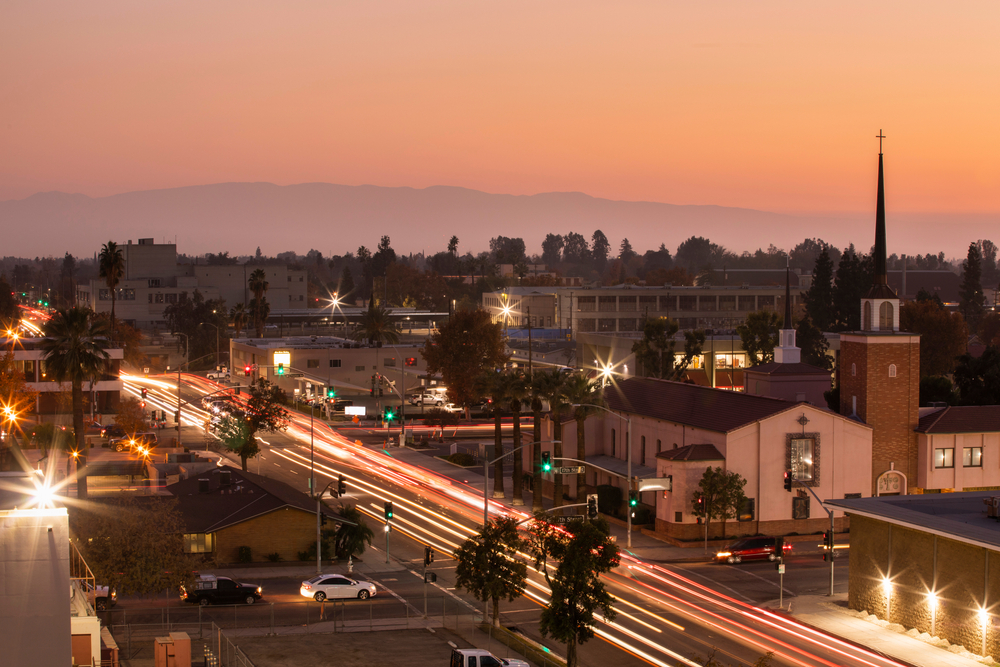
Bakersfield isn’t flashy—and it doesn’t try to be. What it offers instead is financial breathing room in a state where that’s increasingly rare, and for many Californians drowning in housing costs, that practical advantage outweighs any number of cultural amenities or aesthetic considerations.
The fundamental question isn’t whether Bakersfield is “good” or “bad”—it’s whether the city’s particular tradeoffs align with your current priorities, life stage, and financial situation. This requires honest self-assessment about what you actually need versus what you think you want, and whether California residency matters enough to accept significant lifestyle compromises.
The case for Bakersfield is straightforward and substantial. Housing affordability provides realistic paths to homeownership and equity building that remain impossible in coastal metros—you can buy an actual house with a yard, build wealth through property ownership, and achieve financial stability without inherited money or tech salaries. The job market, while blue-collar and industrial, provides stable employment with recession-resistant sectors like energy and agriculture.
The short commutes and manageable traffic reduce daily stress that grinds down residents of larger metros. The location enables weekend access to mountains, beaches, and national parks without requiring you to live in expensive tourist areas. For families watching savings evaporate into rent elsewhere, for workers in compatible industries, for anyone prioritizing financial health over urban sophistication, Bakersfield delivers genuine value that justifies serious consideration.
However, Bakersfield demands brutal honesty about what you’re accepting in exchange for affordability. The summer heat isn’t just uncomfortable—it’s genuinely oppressive, affecting daily activities, utility costs, and quality of life for months on end. The cultural limitations are real and significant—fewer restaurant choices, limited nightlife, smaller arts scene, and less diversity. The landscape is flat, hot, and industrial, without natural beauty to compensate for urban shortcomings. Air quality struggles. Some neighborhoods experience higher crime. The city lacks walkability, requiring cars for everything.
The working-class, conservative character won’t suit everyone, particularly those accustomed to coastal California’s progressive, sophisticated atmosphere. These aren’t minor inconveniences—they’re fundamental characteristics that define daily life and won’t change regardless of your attitude or adaptation efforts.
The determining factor is what you prioritize and what you can tolerate. If homeownership matters more than restaurant diversity, if financial stability outweighs cultural sophistication, if you value space and affordability over walkability and nightlife, if you can handle extreme heat and isolation in exchange for building equity, Bakersfield makes rational sense. If you’re raising a family and need yard space and good schools at accessible prices, if you work in compatible industries, if weekend adventure access matters more than daily urban amenities, Bakersfield delivers practical value.
But if you need cultural stimulation, diverse dining, moderate weather, walkable neighborhoods, or sophisticated urban environments, no amount of affordability compensates for what Bakersfield lacks. The city rewards people who value simplicity, affordability, and straightforward living—and who understand that in California, where housing costs have become genuinely insane, sometimes the smartest choice is the unglamorous one that actually works financially.
Bakersfield isn’t trying to compete with San Francisco or Los Angeles—it’s offering something different, something more accessible, and for the right person or family, that difference represents exactly what California living should provide: a realistic path to stability and homeownership without leaving the state entirely.
Sources
- Redfin. (2025). Bakersfield Housing Market. https://www.redfin.com/city/953/CA/Bakersfield/housing-market
- Houzeo. (2025). Bakersfield, CA Housing Market: What to Expect in 2025? https://www.houzeo.com/housing-market/california/bakersfield
- KGET 17 News. (2025). Bakersfield’s housing market continues to increase in supply, demand, prices: report. https://www.kget.com/news/local-news/bakersfield-housing-market-continues-to-increase-in-supply-demand-prices-may-2025-report/
- U.S. Census Bureau. (2023). Bakersfield, CA. Data USA. https://datausa.io/profile/geo/bakersfield-ca
- Census Reporter. (2023). Bakersfield, CA Profile. http://censusreporter.org/profiles/16000US0603526-bakersfield-ca/
- Stacker. (2022). Bakersfield has an average commute of 21 minutes. https://www.bakersfieldcity.us/240/Pick-Bakersfield
- Apartments.com. (2025). Average Rent in Bakersfield, CA. https://www.apartments.com/rent-market-trends/bakersfield-ca/
- RentCafe. (2025). Average Rent in Bakersfield, CA: 2025 Rent Prices by Neighborhood. https://www.rentcafe.com/average-rent-market-trends/us/ca/kern-county/bakersfield/
- Zillow Rental Manager. (2023). Average Rental Price in Bakersfield, CA. https://www.zillow.com/rental-manager/market-trends/bakersfield-ca/
- Point2Homes. (2025). Average rent in Bakersfield | Rental Housing Market 2025. https://www.point2homes.com/US/Average-Rent/CA/Kern-County/Bakersfield.html
- U.S. Census Bureau. (2023). Bakersfield, CA Population and Demographics. Data USA. https://datausa.io/profile/geo/bakersfield-ca
- California Demographics. (2025). Bakersfield Demographics. https://www.california-demographics.com/bakersfield-demographics
- City-Data.com. (2024). Bakersfield, California Profile. https://www.city-data.com/city/Bakersfield-California.html
- California State University, Bakersfield. (2025). About CSUB. https://www.csub.edu/
Disclaimer
This article has been thoroughly researched and is intended to provide general information and insights related to real estate and utility management. It is for informational and entertainment purposes only and should not be considered professional, financial, or legal advice. Individual circumstances vary, and readers are encouraged to consult with a qualified professional before making decisions regarding home purchases, utility management, or other financial matters.