Buying a home is exciting, but it can also feel like stepping into a world of unfamiliar terms and paperwork. Two of the most important concepts to understand are deeds and titles. While they’re closely related, confusing them can lead to unnecessary stress or even legal complications. Understanding the difference gives you confidence and control as a homeowner.
This article is designed to help first-time buyers—and anyone looking to understand real estate—grasp the basics of deeds and titles. We’ll explore what each one means, how they interact, and why both are essential to protect your investment. With real-world examples and practical insights, you’ll walk away feeling more informed and prepared for your next property transaction.
What is a Title?
The title is the legal concept that represents ownership of a property. It isn’t a physical document you hold in your hands, but rather the legal recognition that you have the rights to use, sell, or transfer a property. Think of it as the “idea” of ownership, confirmed by the legal system. When you hold the title, you are the recognized owner of the home.
Understanding the title is crucial because it determines who has the legal right to the property. Even if someone else physically occupies the home or claims to have purchased it, the title establishes your legal ownership. When lenders or buyers ask for a title search during a transaction, they are verifying that no one else has claims, liens, or disputes that could affect the property.
Title issues can arise from unpaid taxes, unresolved estates, or errors in public records. That’s why many buyers purchase title insurance—to protect against potential legal challenges that could affect the title. The title ensures that your ownership rights are secure, giving you peace of mind that the property truly belongs to you.
What is a Deed?
While the title is the concept of ownership, the deed is the physical, legal document that transfers that ownership from one person to another. When you buy a home, the deed is signed and recorded to officially show that the title now belongs to you. Think of the deed as the “receipt” that proves you received the ownership rights represented by the title.
There are different types of deeds, and knowing which one applies in your situation is important. A warranty deed guarantees that the property is free from past claims or liens, giving the buyer maximum protection. A quitclaim deed, on the other hand, transfers whatever ownership interest the seller has without any guarantees. First-time buyers often encounter warranty deeds because they provide security and peace of mind during a property transfer.
Recording the deed with the county is a critical step. Without it, the transfer may not be recognized legally, and your ownership could be questioned. The deed is your proof in public records, showing that the title has officially passed to you. Together, the deed and title create a complete picture of property ownership.
Why Understanding Both Matters
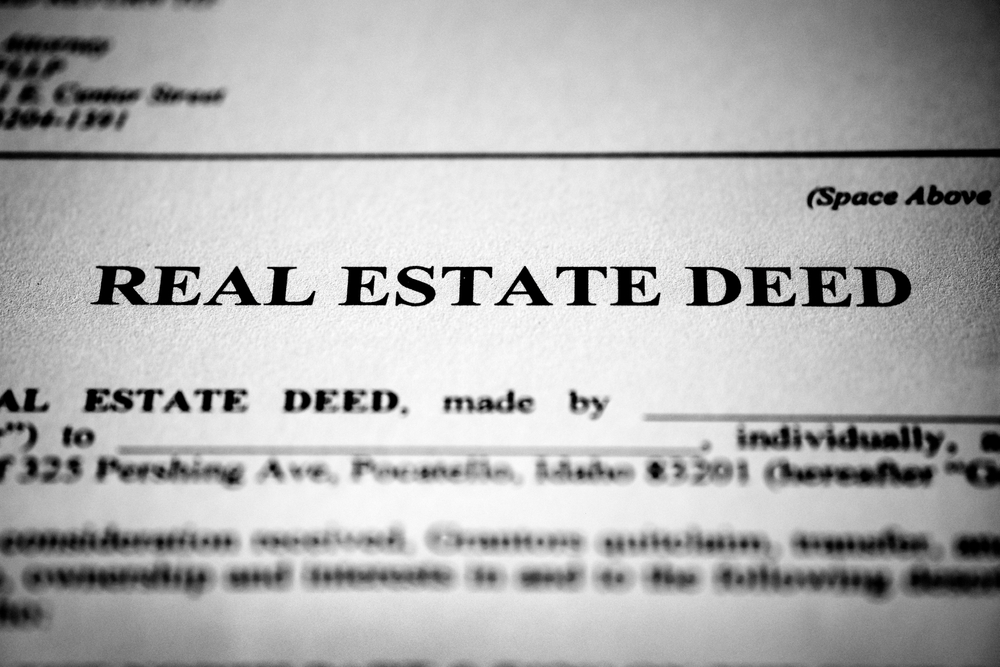
Many first-time buyers assume that signing the deed is enough. However, the real protection comes from understanding both the deed and the title. The title establishes your legal rights, and the deed confirms the transfer of those rights. Without both, ownership isn’t fully secured.
For example, you might receive a deed for a property that has a title defect, such as an undisclosed lien. Even with the deed in hand, the title issue could put your ownership at risk. Conversely, a clean title without a recorded deed doesn’t provide proof that the ownership has officially transferred. Understanding both concepts ensures you are fully protected when purchasing or selling property.
This knowledge also helps you understand the importance of title insurance. A title policy protects against undiscovered claims or issues that could arise after the sale, while the deed documents your legal rights. Working with a Realtor and a title company ensures that both are handled correctly, reducing the chance of future disputes.
Practical Examples
Imagine you are buying your first home. The seller provides a warranty deed, which is recorded with the county, transferring the title to you. Before closing, your Realtor orders a title search to confirm there are no liens or other claims. You also purchase title insurance for additional protection. In this scenario, the deed documents the transfer, the title establishes your legal ownership, and the insurance safeguards your rights. It’s a coordinated system designed to protect buyers and sellers alike.
Another example is receiving a property from a family member. The transfer may occur via a quitclaim deed. While the title may pass, you won’t have the same guarantees about past claims or liens as you would with a warranty deed. Knowing the difference allows you to make informed decisions and, if necessary, take additional steps to protect your ownership.
Next Steps and Practical Advice

When buying or selling property, always ask your Realtor to explain how the title and deed are being handled. Confirm that the deed is recorded properly and that the title is clear of claims or liens. If you’re unsure, consider purchasing title insurance to protect against potential issues. Understanding these documents empowers you to make more informed decisions, avoid surprises, and safeguard your investment.
Even experienced homeowners benefit from understanding deeds and titles, especially when refinancing, selling, or transferring property. Knowledge is your best tool for navigating real estate transactions confidently. And if you have questions or experiences with deeds and titles, leave a comment—we love hearing from readers and helping you understand the process.
Frequently Asked Questions
What is the difference between a deed and a title?
The title represents the legal concept of ownership, while the deed is the physical document that transfers ownership from one party to another.
Do I need a deed to prove ownership?
Yes. While the title establishes your ownership rights, the deed is the recorded document that officially shows the transfer has occurred.
What is a warranty deed?
A warranty deed guarantees that the property is free from past claims or liens. It is commonly used in real estate transactions to provide the buyer with maximum protection.
What is a quitclaim deed?
A quitclaim deed transfers whatever ownership interest the seller has, without guaranteeing the property is free of past claims. It is often used in family transfers or gifts.
Why is title insurance important?
Title insurance protects against hidden defects or claims that could arise after the sale, ensuring that your ownership rights are secure even if an issue is discovered later.