Quick Facts:Southern California stretches over 200 miles of coastline from Malibu to the Mexican border. Water temperatures range from 60 to 72 degrees between June and October. Most public beaches are free to access, with parking running $5 to $20 at popular spots during summer. The best months for beach visits are July through October, when the marine layer clears and water is warmest. This guide covers 10 of the best beaches across Los Angeles, Orange County, and San Diego counties.
In This Article
Southern California has over 200 miles of coastline stretching from Malibu to the Mexican border. With that much beach to choose from, picking the right one for your day trip or weekend getaway matters more than you might think. Water clarity, wave size, parking availability, crowd levels, and nearby amenities vary widely from beach to beach.
This guide covers the 10 best beaches in Southern California based on water quality, accessibility, activities, and overall experience. Each entry includes practical details like parking costs, crowd patterns, and what to expect when you show up. Whether you are looking for world-class surfing, family-friendly sand, or a quiet cove for snorkeling, one of these beaches fits what you need.
Beach Comparison Chart
| Beach | Location | Best For | Parking Cost |
|---|---|---|---|
| Santa Monica | L.A. County | Biking, pier, families | $2/hr meters |
| Huntington Beach | Orange County | Surfing, bonfires | $15-20/day |
| Laguna Beach | Orange County | Snorkeling, tidepools | Metered lots |
| Coronado | San Diego | Families, relaxing | Free street |
| Zuma Beach | Malibu | Space, clean water | $5-14/day |
| La Jolla Cove | San Diego | Diving, snorkeling | Metered |
| Manhattan Beach | L.A. County | Volleyball, walking | Free street |
| Venice Beach | L.A. County | People-watching | $5-20/day |
| Crystal Cove | Orange County | Hiking, seclusion | $15/day |
| Carlsbad | San Diego | Camping, surfing | $15/day |
1. Santa Monica State Beach

Santa Monica State Beach stretches 3.5 miles along the Pacific Coast and draws over 8 million visitors each year. The wide, flat sand is ideal for volleyball, jogging, and sunbathing, while the iconic Santa Monica Pier offers a Ferris wheel, an aquarium, and street performers.
Parking fills up fast on summer weekends, so arrive before 9 a.m. or use the Metro Expo Line, which drops you two blocks from the sand. Water temperatures hover between 60 and 70 degrees from June through September. Lifeguards staff the beach year-round, and restrooms, showers, and rental shops line the boardwalk.
For families, the south end near the pier has calmer water and easy access to food vendors. Surfers should head north toward Will Rogers State Beach, where the swells pick up. The bike path connecting Santa Monica to Venice Beach is one of the most popular cycling routes in Southern California.
2. Huntington City Beach (Surf City USA)
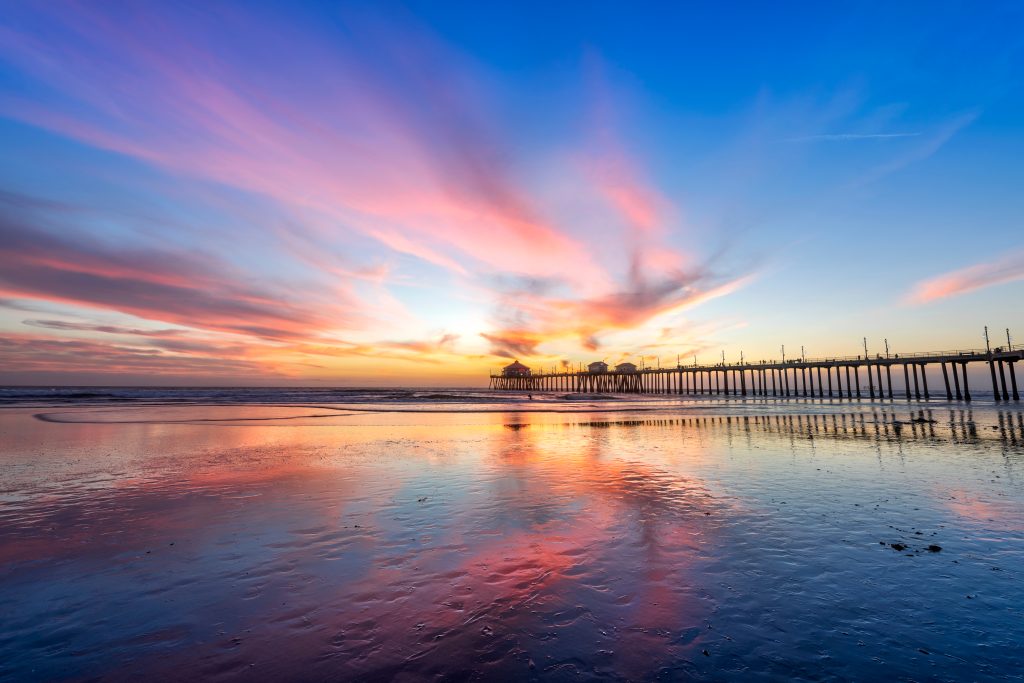
Huntington Beach earned its “Surf City USA” title for good reason. The consistent south and southwest swells produce rideable waves almost 300 days per year. The annual U.S. Open of Surfing, held each July, brings 500,000 spectators to the 3.5-mile stretch of sand surrounding the pier.
Beyond surfing, Huntington City Beach is a top spot for beach bonfires. Fire rings are available on a first-come, first-served basis and fill quickly on Friday evenings. The downtown area sits one block from the sand, packed with restaurants, surf shops, and bars along Main Street and Pacific Coast Highway.
Parking meters along PCH run about $2 per hour. The city lot near the pier charges a flat rate of $15 on weekdays and $20 on weekends during summer. Bring your own firewood for the fire pits since vendors at the beach charge a premium.
3. Laguna Beach (Thousand Steps & Victoria Beach)
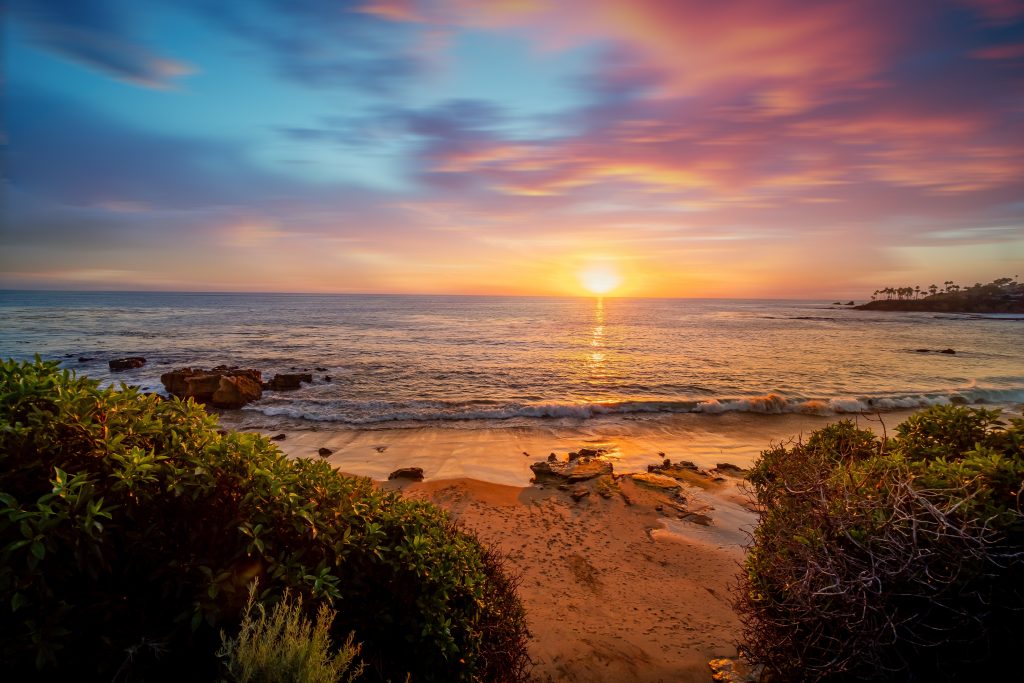
Laguna Beach is home to more than 30 individual coves and beaches packed into 7 miles of coastline. The rocky terrain and clear water make it one of the best snorkeling and tidepooling destinations in Southern California. Water visibility regularly reaches 15 to 20 feet during summer months.
Thousand Steps Beach (the actual staircase is about 220 steps) sits in a sheltered cove with coarse sand and dramatic rock formations. Victoria Beach features the Pirate Tower, a 60-foot concrete structure built in 1926 that has become one of the most photographed landmarks on the Orange County coast.
Street parking is extremely limited. The city operates paid lots near Main Beach, but they fill by mid-morning on summer weekends. Consider parking at the Laguna Beach transit center and taking the free trolley that runs from late June through early September.
4. Coronado Beach

Coronado Beach sits on a narrow peninsula across the bay from downtown San Diego. The sand here contains mica flecks, which give it a subtle sparkle in direct sunlight. Travel + Leisure and Dr. Beach have both ranked it among the top 10 beaches in the United States multiple times.
The beach runs about 1.5 miles and backs up to the historic Hotel del Coronado, built in 1888. You do not need to be a hotel guest to use the beach. Public access points line Ocean Boulevard, and free street parking is available in the residential neighborhoods nearby.
Water temperatures in San Diego tend to be a few degrees warmer than L.A. County beaches. The gentle slope and relatively calm surf make Coronado a strong pick for families with young children. Dogs are allowed off-leash on North Beach, north of the dog run fence.
5. Zuma Beach

Zuma Beach is one of the largest and cleanest beaches in Malibu, spanning nearly 2 miles of wide, flat sand. Unlike the smaller pocket beaches along PCH, Zuma has plenty of room to spread out, even on busy summer days. The beach consistently earns high marks in water quality testing from Heal the Bay.
Surfing here ranges from beginner-friendly to intermediate depending on the swell direction. Bodyboarding is popular along the southern end. The paid parking lot holds about 2,000 cars and charges $5 to $14 depending on the season. Free roadside parking along Westward Beach Road fills early.
Zuma sits about 30 miles north of Santa Monica on PCH. The drive is scenic, but weekend traffic can stretch it to well over an hour. Bring your own food since there are no restaurants within walking distance. Restrooms and outdoor showers are spaced along the entire length of the beach.
6. La Jolla Cove

La Jolla Cove is a small, sheltered inlet surrounded by sandstone cliffs. The water is part of the La Jolla Underwater Park Ecological Reserve, which means fishing and collecting are prohibited. The result is some of the clearest water in San Diego County and a thriving population of garibaldi, leopard sharks, and sea lions.
Snorkeling and scuba diving are the main draws here. From June through September, visibility often exceeds 20 feet, and kayak tours launch from the adjacent beach. The cove is small, so the sand fills up fast. For more space, walk north to La Jolla Shores, a wider beach better suited for laying out.
Parking is metered along Coast Boulevard and Prospect Street. Expect to circle for 15 to 20 minutes on summer weekends. The surrounding village has dozens of restaurants and galleries within a 10-minute walk from the beach.
7. Manhattan Beach

Manhattan Beach is one of the South Bay’s premier beach towns, known for pristine sand, consistent waves, and a walkable downtown. The Strand, a paved path running along the beachfront, connects Manhattan Beach to Hermosa and Redondo beaches for a 7-mile continuous coastal walk.
The Manhattan Beach Pier extends 928 feet into the Pacific and houses the Roundhouse Marine Studies Lab at its end, open to the public for free. Volleyball culture runs deep here. The AVP Pro Beach Volleyball Tour holds a major event on this sand every August.
Street parking is free but competitive. The city lot on Highland Avenue charges a flat daily rate. Downtown Manhattan Beach on Manhattan Beach Boulevard has coffee shops, boutiques, and restaurants within a two-block walk from the sand.
8. Venice Beach
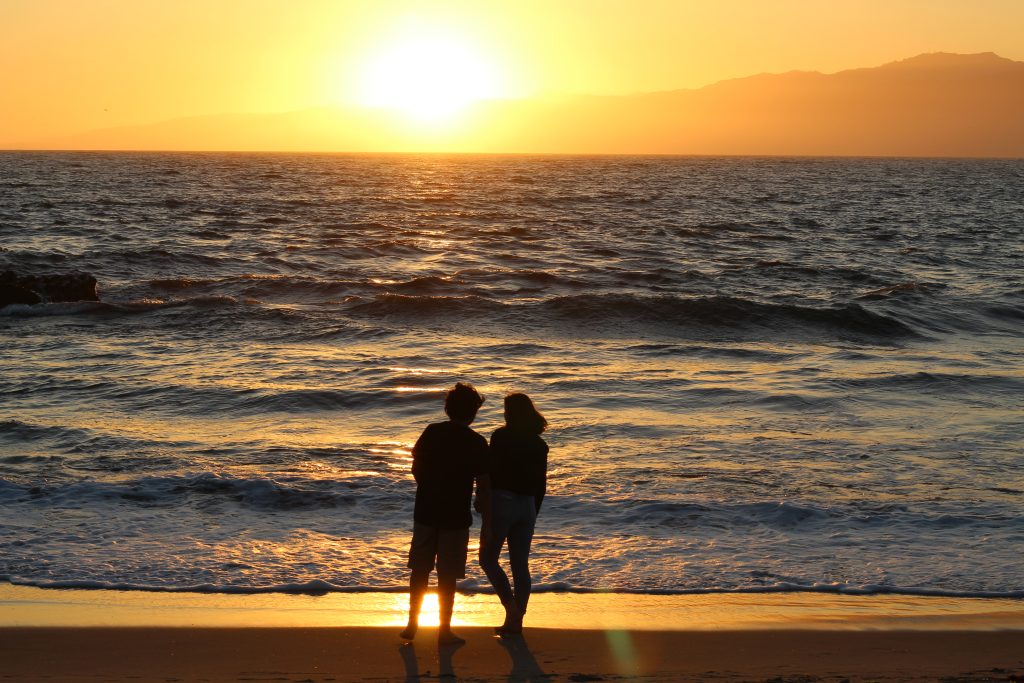
Venice Beach is equal parts beach and spectacle. The 2.5-mile boardwalk (officially Ocean Front Walk) features street performers, murals, Muscle Beach outdoor gym, skate parks, and dozens of vendors. If you want a classic Southern California people-watching experience, Venice delivers.
The beach itself is wide and flat with decent swimming conditions. Lifeguards are posted year-round. The surf break near the Venice Pier works best on south swells and is good for beginners and intermediate surfers.
Parking along the boardwalk runs $5 to $20 depending on proximity and time of year. Side streets in the residential area offer free 2-hour parking. Keep valuables locked in your car or leave them at home, as car break-ins in beach parking areas are common across L.A.
9. Crystal Cove State Park

Crystal Cove State Park covers 2,400 acres of backcountry and 3.2 miles of coastline between Laguna Beach and Newport Beach. The beaches here feel less developed than anywhere else in Orange County, with no boardwalks, no vendors, and no loudspeakers. What you get instead is clean sand, tidepool-rich rocky areas, and access to hiking trails that climb into the coastal hills.
The Historic District, a cluster of 46 vintage beach cottages built between the 1930s and 1950s, sits on the bluff above the beach. Some of these cottages are available to rent overnight through the state park reservation system and book out months in advance.
Day-use parking costs $15 per car. The lot at Los Trancos fills first, followed by Reef Point and Pelican Point. Arrive before 10 a.m. on summer weekends to guarantee a spot. The underwater park off the coast is a designated marine protected area and a popular spot for diving.
10. Carlsbad State Beach

Carlsbad State Beach is a long, narrow stretch of sand backed by low bluffs in northern San Diego County. The beach is less crowded than most San Diego options and draws a mix of surfers, swimmers, and campers. The adjacent South Carlsbad State Beach Campground has 220 campsites on the bluff overlooking the ocean, making it one of the few places in Southern California where you fall asleep to the sound of waves.
The surf here is consistent and works well for intermediate surfers. Warm Water Jetty, at the south end, is a popular longboard spot. The beach town of Carlsbad sits within walking distance and offers restaurants, the Carlsbad Village shopping district, and easy access to LEGOLAND for families.
Parking at the state beach lot costs $15 per vehicle. Street parking is available along Carlsbad Boulevard. The Coaster commuter train stops in Carlsbad Village, which is about a 15-minute walk to the sand.
Tips for Planning Your Southern California Beach Day
Timing makes a big difference at Southern California beaches. The marine layer (locally called “May Gray” and “June Gloom”) keeps mornings overcast along the coast from mid-May through late June. Skies typically clear by noon. July through October offers the warmest water temperatures and the most consistent sunshine.
Parking is the biggest headache at most of these beaches. Arriving before 9 a.m. on summer weekends is the single best piece of advice for anyone visiting a Southern California beach for the first time. Alternatively, rideshare apps and public transit eliminate the problem entirely at beaches like Santa Monica and Huntington Beach.
Water quality varies by location and recent weather. After heavy rain (which is rare from May through October), avoid swimming for at least 72 hours due to urban runoff. Check Heal the Bay’s Beach Report Card at healthebay.org for current water quality grades before you go.
Sunscreen is non-negotiable. The UV index in Southern California regularly hits 9 or 10 during summer afternoons, even when it feels breezy near the water. Apply SPF 30 or higher every two hours, and bring a hat or canopy for extended days on the sand.
Southern California’s coastline is one of the most diverse and accessible in the country. Each of these 10 beaches offers something distinct, from the boardwalk energy of Venice to the marine reserve at La Jolla Cove to the undeveloped stretches of Crystal Cove. Pick the beach that matches what you are looking for, check the parking situation, and go early. The water is waiting.
Frequently Asked Questions
What is the best beach in Southern California for families?
Coronado Beach in San Diego is the top pick for families. The gentle surf, wide sand, nearby restaurants, and free parking in residential streets make it easy to spend a full day with kids.
Which Southern California beach has the clearest water?
La Jolla Cove consistently has the clearest water, with visibility reaching 20 feet or more during summer months. The marine reserve protects the underwater ecosystem, keeping conditions pristine.
When is the best time to visit Southern California beaches?
July through October is the sweet spot. Water temperatures peak in August and September (68-72 degrees), the marine layer has burned off, and the days are long. September and October have smaller crowds and warmer water than July.
Are Southern California beaches free?
The beaches themselves are free and open to the public. Parking is where costs come in. Expect to pay $5 to $20 for parking at most popular beaches during summer. Some residential streets near beaches offer free parking with time limits.
What should I bring to a Southern California beach?
Pack sunscreen (SPF 30+), a beach chair or blanket, plenty of water, snacks, a hat, and sunglasses. A pop-up canopy or umbrella is worth the effort if you plan to stay more than a couple of hours. A waterproof phone pouch costs under $10 and saves a lot of stress.