Chula Vista—Spanish for “beautiful view”—delivers exactly what its name promises: a Southern California lifestyle where San Diego Bay meets rolling foothills, where nearly 279,000 residents[1][2] build lives in the second-largest city in San Diego County.
This isn’t the tourist-trap beaches of La Jolla or the tech-driven sprawl of North County. Chula Vista offers something more grounded: genuine neighborhoods, Latino cultural richness, and San Diego access at prices that don’t require venture capital exits or inherited wealth. With median home values around $803K-$820K[3][4][5] and rent averaging $2,122-$2,178[6][7], Chula Vista positions itself as the practical choice for families and professionals seeking Southern California living without complete financial devastation.
The financial equation merits immediate attention because it defines Chula Vista’s core appeal. Housing costs approximately 50-60% above national averages[8], which is expensive by most American standards, but dramatically more accessible than coastal San Diego neighborhoods where similar homes approach $1.5M+. The median household income of $105,173[1][2] stretches considerably further here than in downtown San Diego or La Jolla, where comparable salaries barely cover rent. For buyers, especially, Chula Vista provides realistic paths to homeownership and equity building that remain elusive in more celebrated San Diego communities.

But Chula Vista’s value extends beyond just affordable housing. The city delivers a genuine quality of life through geography, connectivity, and culture. The San Diego Trolley Blue Line connects Chula Vista directly to downtown San Diego[9], making car-free commutes realistic for some residents. The average commute time of 29.5 minutes[10] beats many Southern California metros. The city’s position between bay and mountains creates microclimates and recreation variety: marinas and waterfront in the west, hiking trails and open space in the east. The heavily Latino population (60%+)[1] creates authentic cultural richness reflected in food, festivals, and community character.
The Mediterranean coastal climate delivers consistent sunshine and mild temperatures year-round, supporting outdoor lifestyles that coastal premiums promise but Chula Vista delivers affordably. Schools vary significantly in quality, requiring research, but options exist for families prioritizing education. The city’s ongoing development, particularly around the bayfront, signals continued investment and growth. For professionals working in San Diego’s biotech, military, or healthcare sectors, Chula Vista provides convenient access without downtown housing costs.
Yet Chula Vista demands honest acknowledgment alongside its advantages. The city lacks the walkability and urban density of downtown San Diego or the beach culture of coastal communities. Some neighborhoods remain works in progress, with varying levels of services and infrastructure. School quality varies significantly across districts, pushing families toward careful research.
Additionally, the cost of living, while lower than coastal San Diego, still exceeds most American metros substantially. The border proximity creates unique dynamics: cultural richness but also border traffic considerations. This guide will walk you through everything you need to know to determine whether Chula Vista’s Southern California lifestyle at accessible prices aligns with your priorities, budget, and vision for life in San Diego County.
Quick Snapshot of Living in Chula Vista

Chula Vista is a dynamic and rapidly growing city in San Diego County, nestled between San Diego Bay and the rolling foothills to the east. It’s the second-largest city in the San Diego metro area and ranks among California’s largest cities, offering a mix of coastal proximity, family-friendly neighborhoods, and diverse lifestyle options.
Population: ~275,000–279,000 residents[1][2][11]
Median Household Income: ~$105,173[1][2]
Median Home Value: ~$803,000–$820,000[3][4][5]
Median Rent: ~$2,122–$2,178/month[6][7]
Average Commute: ~29.5 minutes[10]
Cost of Living: ~50–60% higher than U.S. average[8]
Vibe: Coastal-adjacent, family-oriented, diverse, growing
Cost of Living in Chula Vista
Housing Costs
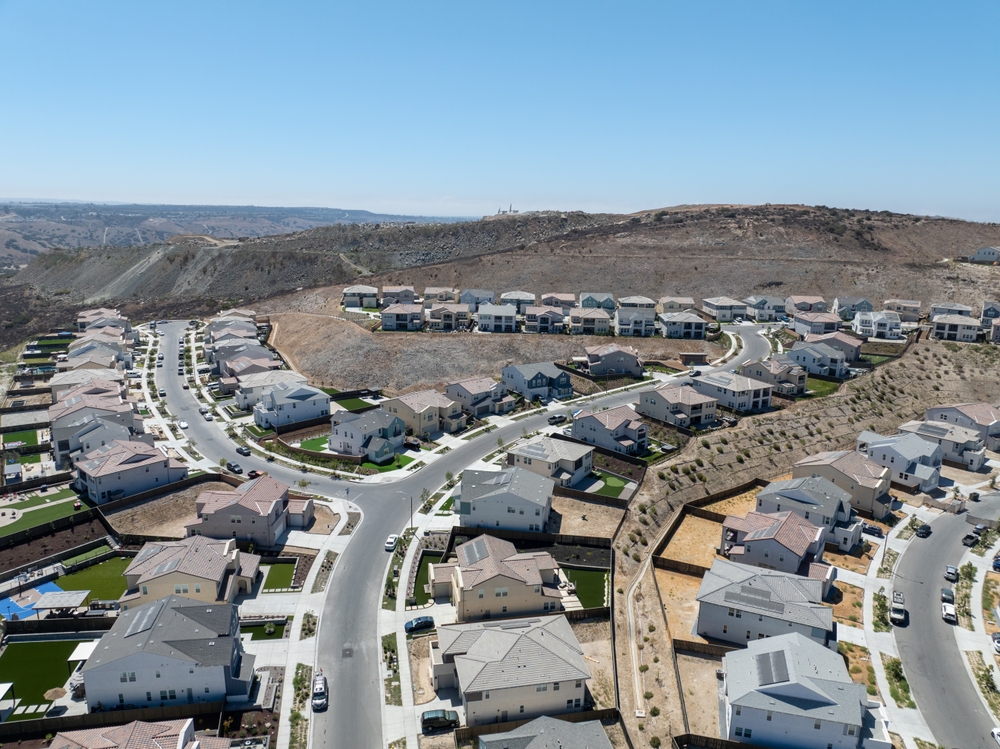
Housing remains the largest driver of Chula Vista’s cost of living, though it offers relative value compared to coastal San Diego neighborhoods.
- Buying: Median home prices range from $803K–$820K[3][4][5], with single-family homes, condos, and townhomes spanning various price points. Homes typically sell within 18-34 days[3][4], faster than U.S. averages.
- Renting: Median gross rent sits around $2,122–$2,178/month[6][7] according to recent data, with variations by neighborhood and unit size.
Utilities
Utilities in Chula Vista align with typical Southern California costs: moderately higher than national averages due to electricity and water pricing in the region. The mild climate reduces heating and cooling demands compared to inland areas.
Gas & Transportation
Commuting and transportation costs trend above national averages due to California’s consistently high fuel prices. Daily commuters benefit from proximity to San Diego and access to transit options, including the San Diego Trolley Blue Line[9] via stations like H Street and E Street, connecting to broader regional transit.
Groceries & Everyday Costs
Everyday items, including food, groceries, dining out, and transport, cost notably more than U.S. averages[8], which is typical of California’s broader cost environment. However, Chula Vista’s diverse markets and restaurant scene provide options across price points.
Living in Chula Vista: Lifestyle & Quality of Life
Traffic & Commute
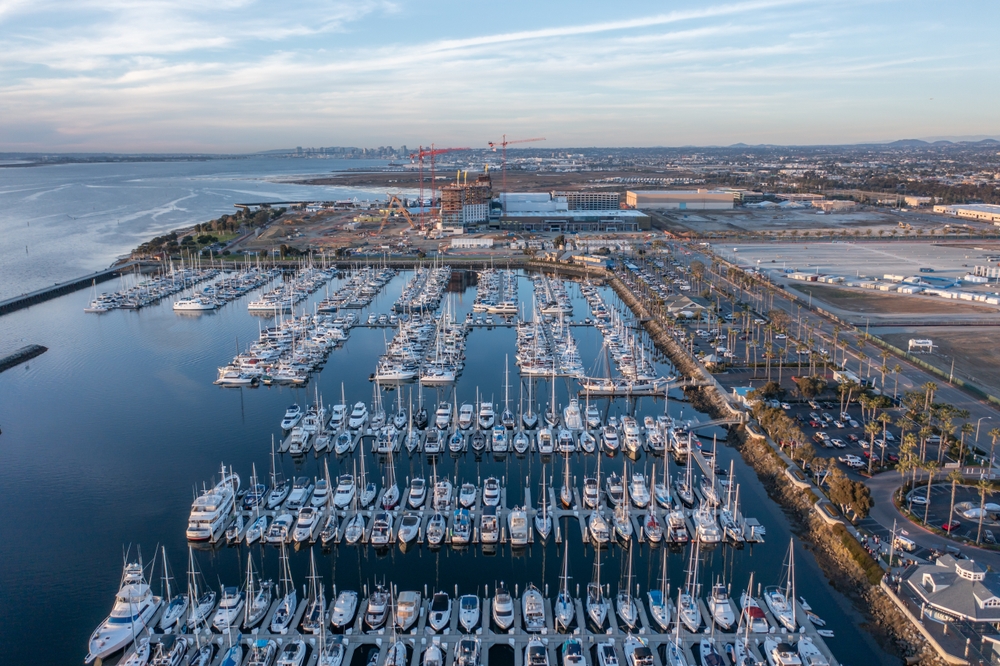
Chula Vista’s average commute time sits at about 29.5 minutes[10], or slightly above metro averages but manageable for Southern California. Most residents drive, though transit options like the San Diego Trolley Blue Line[9] and bus routes help reduce car reliance for some.
Neighborhoods & Areas to Know
Chula Vista encompasses a wide range of neighborhoods, each with a distinct character and housing options.
Downtown Chula Vista
Downtown Chula Vista represents the city’s historic core, currently experiencing revitalization that’s transforming it into a vibrant urban center. Third Avenue serves as the main commercial corridor, featuring locally owned restaurants, shops, and cultural venues that create genuine street life rare in suburban San Diego County. The area includes historic buildings being converted to mixed-use developments, new residential construction, and improving public spaces that signal ongoing investment and growth.
Home prices in downtown typically range around mid-$700Ks[12], more accessible than many San Diego neighborhoods, while offering urban conveniences and walkability. The housing stock mixes historic single-family homes, newer condos and townhomes, and apartment buildings catering to diverse residents. The downtown appeals to young professionals, empty nesters seeking walkable urban living, and anyone prioritizing proximity to restaurants, arts venues, and the Trolley station over suburban space.
The Chula Vista Center mall and commercial districts provide shopping and services within short drives or bus rides. OnStage Playhouse and various galleries contribute cultural programming.
However, downtown still experiences typical urban challenges: variable block-by-block conditions, ongoing construction and development, and a character that’s evolving rather than fully established. For those seeking authentic urban living in South Bay at accessible prices, who appreciate being part of a neighborhood in transformation, downtown Chula Vista offers compelling value and genuine city energy.
Otay Ranch

Otay Ranch exemplifies master-planned community development done at scale, offering family-oriented amenities, newer homes, and structured suburban living in eastern Chula Vista. This expansive development includes multiple villages, each with its own parks, schools, shopping, and community centers, creating self-contained neighborhoods that attract families prioritizing safety, modern infrastructure, and comprehensive services. The area features wide streets, abundant parks, community pools, and HOA-maintained common spaces that deliver a polished suburban experience.
Home prices in Otay Ranch vary by village and home size, typically ranging from $750K-$1M+, reflecting the premium for newer construction and master-planned amenities. The housing stock consists predominantly of single-family homes built from the 1990s forward, featuring contemporary floor plans, attached garages, and yards sized appropriately for the density. Schools in Otay Ranch generally rank among Chula Vista’s better options, significantly influencing the area’s appeal to families with children.
Shopping centers, including Otay Ranch Town Center, provide extensive retail, dining, and services without leaving the community. Olympic Training Center proximity adds recreational resources. The main trade-offs are HOA fees (typically $100-300+ monthly), distance from central San Diego and beaches (20-30 minutes), and a somewhat homogeneous suburban character lacking the cultural diversity and grit of older Chula Vista neighborhoods. However, for families seeking modern homes, excellent schools, comprehensive amenities, and structured suburban safety, Otay Ranch delivers exactly that experience at prices still accessible compared to North County alternatives.
Eastlake
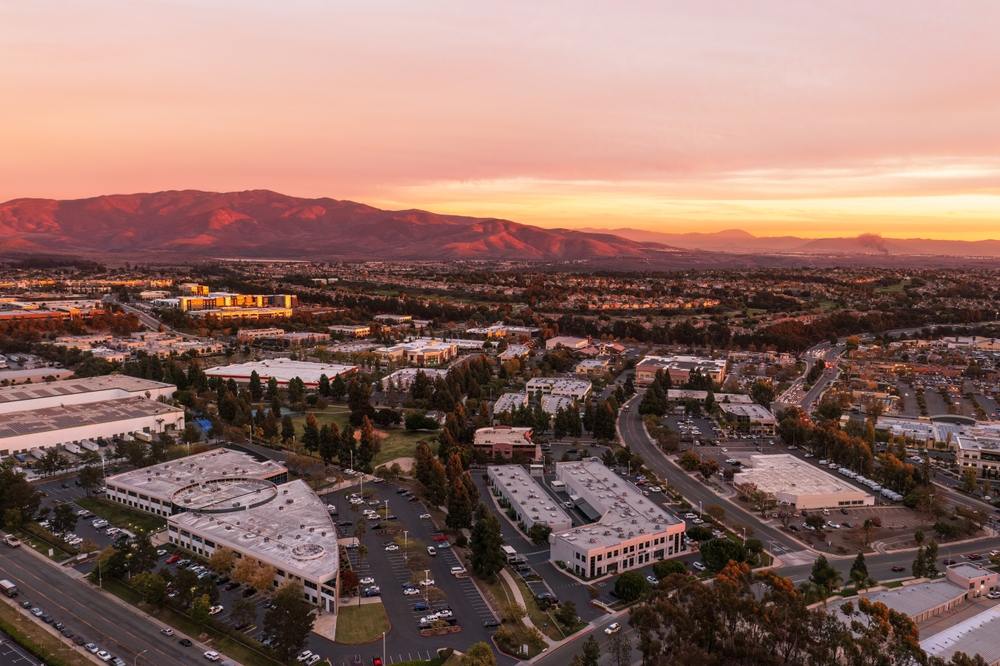
Eastlake offers another highly regarded master-planned community in eastern Chula Vista, distinguished by its scenic setting, extensive trail systems, and strong community identity. Developed around natural features including Eastlake Greens golf courses and numerous parks, the neighborhood creates a resort-like atmosphere while maintaining family-friendly suburban character. The community includes multiple villages—Eastlake I, II, III, Vistas, Woods—each with distinct housing styles and price points while sharing overall quality and amenities.
Home prices in Eastlake typically range from $800K-$1M+, positioning it as one of Chula Vista’s more expensive areas but still accessible compared to coastal San Diego. The housing stock features diverse architectural styles from Mediterranean to Craftsman, predominantly built in the 1990s and 2000s, with ongoing development in newer phases. Schools consistently rank highly, making Eastlake particularly attractive to families prioritizing education. The 15+ miles of trails connecting parks and neighborhoods encourage outdoor activity and create genuine community connectivity.
Eastlake Country Club provides golf and social venues for members. Shopping and dining at Eastlake Village Center and nearby commercial corridors supply daily needs. The community’s extensive amenities and well-maintained infrastructure justify premium pricing for families and professionals seeking comprehensive suburban living. Main drawbacks include HOA fees, commute times to central San Diego (25-35 minutes depending on traffic), and relative distance from beaches and urban culture. For those valuing resort-like amenities, trail access, strong schools, and an established community over urban convenience, Eastlake represents Chula Vista’s most polished master-planned option.
North Chula Vista
North Chula Vista encompasses older, more established neighborhoods offering smaller home price points and authentic community character distinct from master-planned developments. Areas near Hilltop Drive, around Southwestern College, and the western neighborhoods provide housing diversity from modest single-family homes built in the mid-20th century to apartments and condos offering entry points into Chula Vista homeownership. This section of the city feels more urban and dense than eastern developments, with established trees, varied architecture, and working-class character.
Home prices in North Chula Vista typically range around mid-$600Ks[12], significantly more accessible than Otay Ranch or Eastlake while maintaining proximity to San Diego Bay, Trolley access, and shorter commutes to downtown San Diego. The housing stock age means lower purchase prices but potentially higher maintenance and renovation costs. Schools vary in quality more than in master-planned areas, requiring family research. The neighborhoods attract working-class families, first-time buyers, and residents prioritizing location and affordability over newer construction or structured amenities.
The area benefits from established infrastructure, proximity to shopping and services along major corridors, and shorter distances to employment centers and beaches compared to eastern Chula Vista. Southwestern College provides community college access and cultural programming. The Chula Vista Marina and waterfront areas sit closer to North Chula Vista than to eastern developments. For buyers seeking authentic neighborhoods, shorter commutes, and accessible pricing within Chula Vista, who value character and location over master-planned perfection, North Chula Vista delivers practical value that’s increasingly rare in San Diego County.
Living in Chula Vista: Schools & Education

Chula Vista is served primarily by the Sweetwater Union High School District[13] for secondary schools and Chula Vista Elementary School District[14] for primary education, both offering various programs and community engagement opportunities. School quality varies significantly across the city, with master-planned communities generally offering stronger-performing schools. Public schools are complemented by charter and private options, giving families a choice based on performance and environment.
Safety & Community
Chula Vista provides neighborhood-level resources for residents evaluating community safety. The Chula Vista Police Department offers crime mapping and reporting dashboards[15], allowing prospective movers to research specific areas of interest. Like most large cities, safety varies by neighborhood, with master-planned communities and residential areas typically experiencing lower incident rates. The city’s focus on community policing and neighborhood engagement contributes to the overall quality of life.
Living in Chula Vista: Weather & Climate

Chula Vista enjoys a Mediterranean coastal climate characteristic of the San Diego region, offering one of the most appealing weather patterns in the United States. Summers are warm and mild with average highs typically in the mid-70s to low-80s°F, significantly cooler than inland areas but warmer than immediate oceanfront locations. The bay and foothills create microclimates: western neighborhoods near the bay experience more marine influence and cooler temperatures, while eastern areas enjoy slightly warmer, sunnier conditions.
Winters remain mild with daytime temperatures generally in the 60s and occasional cool nights rarely dropping below 45°F. The region receives minimal rainfall concentrated between November and March, with dry conditions dominating the rest of the year. Unlike coastal San Diego neighborhoods that experience persistent marine layer and fog, Chula Vista typically sees more sunshine while still benefiting from coastal temperature moderation. This consistent weather pattern supports year-round outdoor activities like hiking, biking, water sports, and community events without seasonal limitations.
The lack of extreme weather means minimal heating and cooling costs compared to other regions, contributing to livability despite high housing costs. The reliable climate represents a significant quality-of-life advantage for residents who value outdoor living, predictable weather planning, and year-round recreation. For those seeking California sunshine without desert heat or coastal fog, Chula Vista delivers an ideal balance that justifies, for many, the premium over other American metros.
Work, Economy & Practical Living

Job Market & Employment
Chula Vista sits within commuting distance of major San Diego job centers, including downtown San Diego, healthcare districts, education institutions, and tech hubs. The city itself hosts growing employment in retail, healthcare, education, and services industries that support the residential population. The U.S. Navy presence throughout San Diego County creates military-related employment opportunities. Proximity via Trolley to downtown San Diego expands job access significantly.
Healthcare Access
Residents have access to comprehensive healthcare through multiple facilities, including Sharp Chula Vista Medical Center, Scripps Mercy Hospital Chula Vista, and numerous specialty clinics throughout the city. The broader San Diego healthcare network, including UC San Diego Health and other major medical centers, sits within reasonable drives, providing world-class specialty care when needed.
Taxes & California Realities
Like all California cities, Chula Vista residents contend with state income tax (high compared to most states), sales tax typically above national averages, and property tax moderated by Proposition 13 but influenced by rising home values. These costs are important components of any long-term relocation budget.
Lifestyle Perks of Living in Chula Vista

Outdoor Recreation & Things to Do
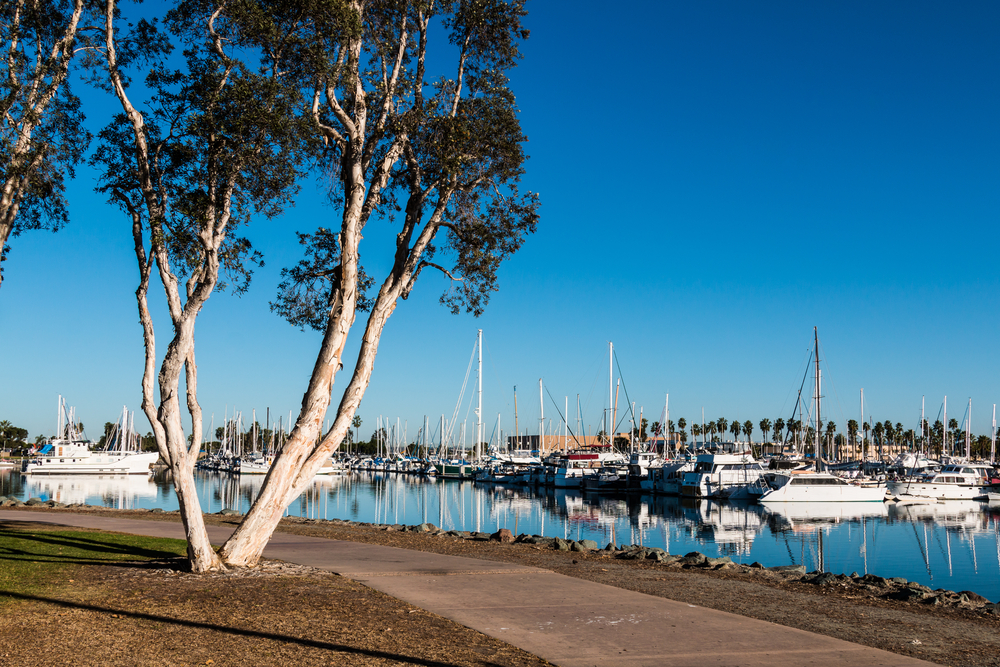
Chula Vista offers exceptional access to outdoor recreation that spans water sports, hiking, and regional exploration. The Chula Vista Bayfront and marina areas provide boating, kayaking, and waterfront walks with bay views and wildlife observation opportunities. The Chula Vista Nature Center (Living Coast Discovery Center) offers educational programming and coastal habitat experiences. Parks and trails throughout the city, particularly extensive trail systems in Eastlake and Otay Ranch, provide daily recreation without leaving residential neighborhoods.
The city’s positioning between San Diego Bay and the foothills creates a variety of recreational opportunities within short drives. San Diego’s beaches sit 15-20 minutes west, offering surfing, swimming, and coastal activities. The Otay Mountain Wilderness and surrounding areas provide hiking, mountain biking, and nature experiences just minutes east of the city. Balboa Park, Mission Bay, and Coronado all sit within 20-30 minutes, expanding recreation options substantially. The consistent climate means outdoor activities remain viable year-round, supporting active lifestyles that coastal premiums promise but Chula Vista delivers affordably.
Dining, Culture & Entertainment
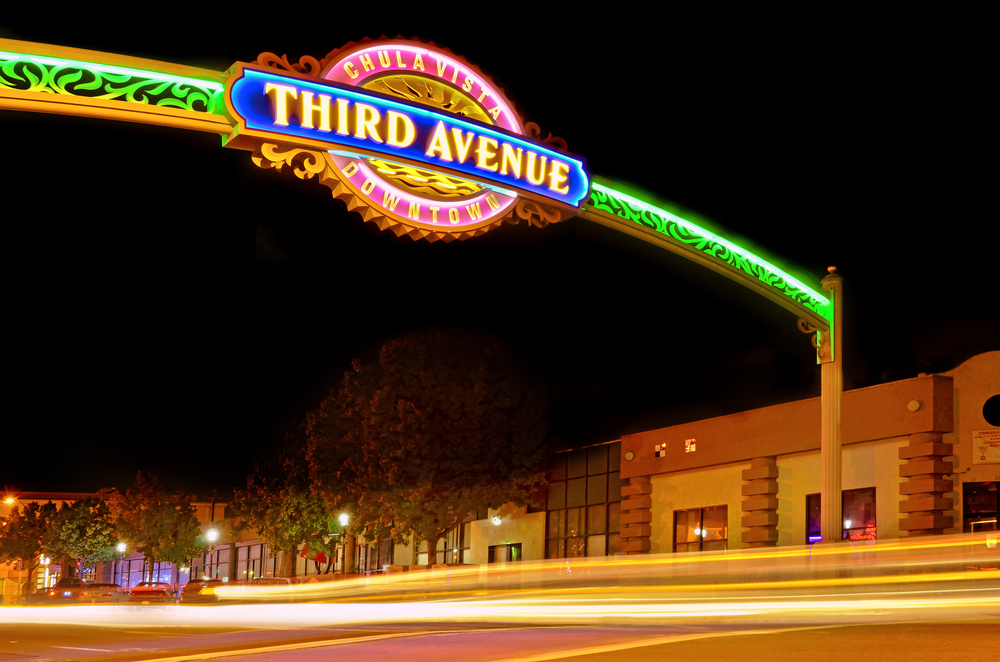
Chula Vista has developed a rapidly diversifying food scene reflecting its cultural demographics and growing population. The city’s heavily Latino population creates authentic Mexican restaurants, taco shops, and Latin American cuisines operating at high levels throughout neighborhoods. Third Avenue downtown features locally owned restaurants, breweries, and cafes, creating genuine dining districts. Asian cuisines, particularly Filipino restaurants, reflect the region’s diverse demographics. The food scene emphasizes authenticity and value over Instagrammable aesthetics, providing substance that longtime residents appreciate.
Cultural venues include OnStage Playhouse, which offers community theater productions, and the Chula Vista Elite Athlete Training Center, which draws Olympic hopefuls and international competitions. Waterfront festivals and community events occur throughout the year, celebrating the city’s diversity and culture. While Chula Vista’s entertainment options don’t match downtown San Diego’s depth, the proximity means residents easily access Balboa Park museums, Gaslamp Quarter nightlife, Petco Park sports events, and broader San Diego cultural venues within 20-30 minutes. This combination of local culture and dining plus regional access creates lifestyle richness that balances suburban comfort with urban amenities.
Who Chula Vista Is Best For (—And Not For)
Best for:
- People wanting coastal-adjacent Southern California living without full coastal pricing
- Families seeking access to quality schools and outdoor spaces
- Commuters leveraging San Diego Trolley connections
- Residents seeking diverse, growing communities with Latino cultural richness
Less suited for:
- Buyers seeking ultra-low housing costs far below California norms
- People requiring heavy public transit reliance (driving still dominant)
- Those wanting dense downtown urban environments or immediate beach access
Final Thoughts: Is Living in Chula Vista Right for You?
Chula Vista offers a well-rounded Southern California lifestyle that combines coastal proximity, family-oriented neighborhoods, and access to San Diego metropolitan opportunities at prices that don’t require tech wealth or generational money. The city’s housing market, while competitive, reflects genuine value compared with coastal San Diego neighborhoods where similar homes command 30-50% premiums. The question isn’t whether Chula Vista is objectively “good” or “bad”; it’s whether the city’s particular value proposition aligns with your current priorities, life stage, and financial situation.
The case for Chula Vista is substantial and grounded in livability and access. The median household income of $105,173[1][2] actually covers housing costs without requiring dual six-figure incomes or endless roommates. The $803K-820K median home price[3][4][5] provides realistic paths to homeownership and equity building while maintaining San Diego County residency and access.
Furthermore, the 29.5-minute average commute[10] beats most Southern California metros, preserving time for family and life. The Mediterranean climate delivers year-round outdoor living that’s California’s signature promise. The Trolley connection[9] provides car-free commute options rare in Southern California sprawl. The city’s diversity—60% Latino population[1]—creates authentic cultural richness reflected in food, festivals, and community character.
The neighborhoods offer genuine variety for different life stages and priorities. Master-planned communities like Otay Ranch and Eastlake deliver comprehensive suburban living with excellent schools, extensive amenities, and structured safety that families with children prioritize.
Downtown and North Chula Vista provide more accessible pricing, urban character, and shorter commutes for professionals and first-time buyers. The bayfront development signals ongoing investment and growth. The city’s schools, while varying in quality, include strong options that support family relocation when researched carefully. The proximity to San Diego’s employment centers in the biotech, military, healthcare, and tourism spaces creates job access without requiring downtown living costs.
However, Chula Vista demands realistic expectations alongside its advantages. The cost of living, while lower than coastal San Diego, still exceeds national averages by 50-60%[8]. This remains expensive for most American budgets. The city lacks the walkability and urban density of downtown San Diego or the beach culture defining La Jolla and Del Mar.
School quality varies significantly, requiring extensive family research and potentially private school investment. Some neighborhoods remain works in progress with variable services and infrastructure. The border proximity creates unique considerations like cultural richness, but also border traffic and related dynamics. The master-planned communities, while offering amenities and schools, come with HOA fees and a homogeneous character that won’t suit everyone.
If you prioritize Southern California coastal-adjacent living at achievable prices, if you’re raising a family and need good schools with space and amenities, if you work in San Diego and want homeownership without financial destruction, if you appreciate cultural diversity and authentic communities over demographic uniformity, Chula Vista delivers genuine value. The city rewards strategic planning: choosing neighborhoods based on schools and commute patterns, leveraging Trolley access when possible, and engaging with the community’s cultural richness rather than expecting coastal San Diego transplants.
For the right person or family, Chula Vista isn’t settling; it’s choosing livability and homeownership over location prestige, and that choice increasingly makes sense in a region where coastal housing has become genuinely unattainable for most working families. The “beautiful view” isn’t just geography; it’s the view forward toward equity, community, and Southern California living that actually works financially.
Sources
- California Demographics. (2025). Chula Vista Demographics. https://www.california-demographics.com/chula-vista-demographics
- World Population Review. (2025). Chula Vista, California Population 2025. https://worldpopulationreview.com/us-cities/california/chula-vista
- Zillow. (2026). Chula Vista, CA Housing Market. https://www.zillow.com/home-values/51405/chula-vista-ca/
- Redfin. (2025). Chula Vista Housing Market. https://www.redfin.com/city/3494/CA/Chula-Vista/housing-market
- Property Focus. (2025). Chula Vista Housing Market Overview & Trends. https://www.propertyfocus.com/trends/city/ca/chula-vista
- U.S. Census Bureau. (2023). Chula Vista, CA. Data USA. https://datausa.io/profile/geo/chula-vista-ca/
- Point2Homes. (2025). Chula Vista, CA Demographics. https://www.point2homes.com/US/Neighborhood/CA/Chula-Vista-Demographics.html
- Apartments.com. (2025). Cost of Living in Chula Vista, CA. https://www.apartments.com/chula-vista-ca/
- San Diego Metropolitan Transit System. (2025). Blue Line Trolley. https://www.sdmts.com/
- Census Reporter. (2023). Chula Vista, CA Profile. https://censusreporter.org/profiles/16000US0613392-chula-vista-ca/
- Wikipedia. (2025). Chula Vista, California. https://en.wikipedia.org/wiki/Chula_Vista,_California
- Movoto. (2025). Chula Vista, CA Market Trends. https://www.movoto.com/chula-vista-ca/market-trends/
- Sweetwater Union High School District. (2025). District Information. https://www.sweetwaterschools.org/
- Chula Vista Elementary School District. (2025). District Information. https://www.cvesd.org/
- Chula Vista Police Department. (2025). Crime Mapping and Statistics. https://www.chulavistaca.gov/departments/police-department
Disclaimer
This article has been thoroughly researched and is intended to provide general information and insights related to real estate and utility management. It is for informational and entertainment purposes only and should not be considered professional, financial, or legal advice. Individual circumstances vary, and readers are encouraged to consult with a qualified professional before making decisions regarding home purchases, utility management, or other financial matters.