Santa Ana refuses to play the Orange County game, and that’s precisely why it matters. While neighboring Irvine polishes its master-planned perfection and Newport Beach flexes its coastal wealth, Santa Ana operates on a different frequency entirely.
This is Orange County’s real city, the county seat where actual density exists, where authentic culture thrives, where neighborhoods developed organically over decades rather than emerging fully formed from planning documents. Santa Ana doesn’t apologize for being urban, working-class, or Latino-majority. It offers something increasingly rare in Orange County: genuine character at prices that don’t require generational wealth or dual tech incomes.
The financial equation deserves immediate attention because it’s Santa Ana’s most compelling argument for consideration. Median home prices sit around $753K-$813K[1][2][3]—still substantial by national standards, but dramatically more accessible than Irvine’s $1.4M median or Newport Beach’s stratospheric pricing.
Rent averages $2,241-$2,722 per month[4][5][6][7] depending on unit size and data source, offering breathing room compared to coastal Orange County’s $3,000+ baseline for comparable spaces. For buyers especially, Santa Ana provides a realistic path to Orange County homeownership, with actual houses featuring yards and character that master-planned communities simply cannot replicate at any price.
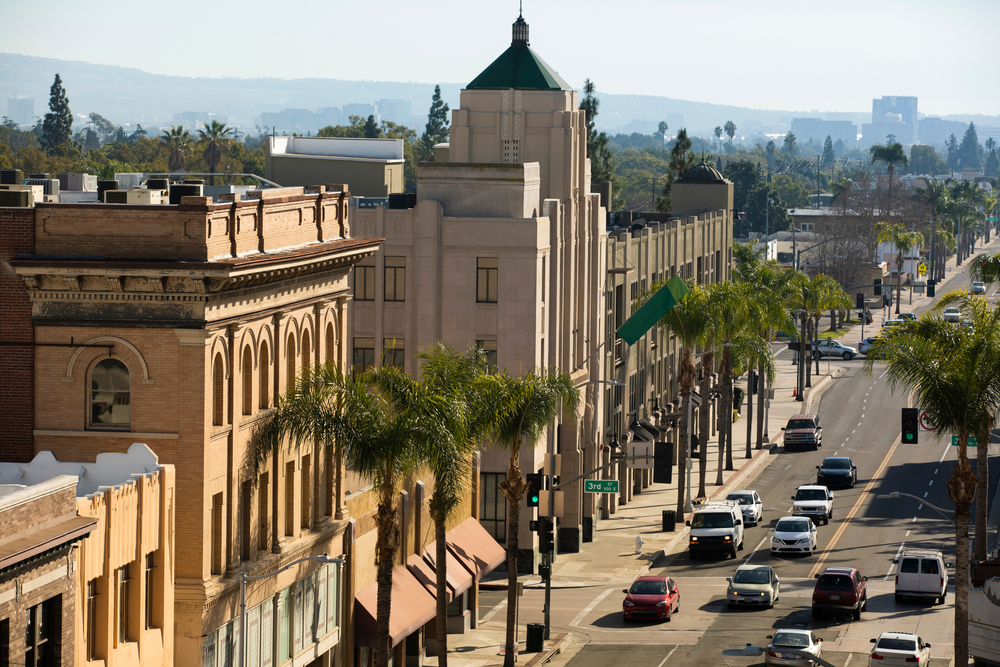
But Santa Ana’s appeal extends beyond just being “cheaper Irvine.” The city’s downtown pulses with authentic energy: arts districts, locally owned restaurants, historic buildings converted to lofts and galleries. The Artists Village transforms industrial spaces into creative hubs that attract actual artists rather than just Instagram aesthetes.
The food scene reflects the city’s heavily Latino population, delivering some of Orange County’s best Mexican food alongside Vietnamese, Salvadoran, and diverse ethnic cuisine operating at high levels. The Bowers Museum houses world-class art collections. The Santa Ana Regional Transportation Center connects Amtrak, Metrolink, and OCTA buses, providing genuine transit access rare in car-dependent Southern California.
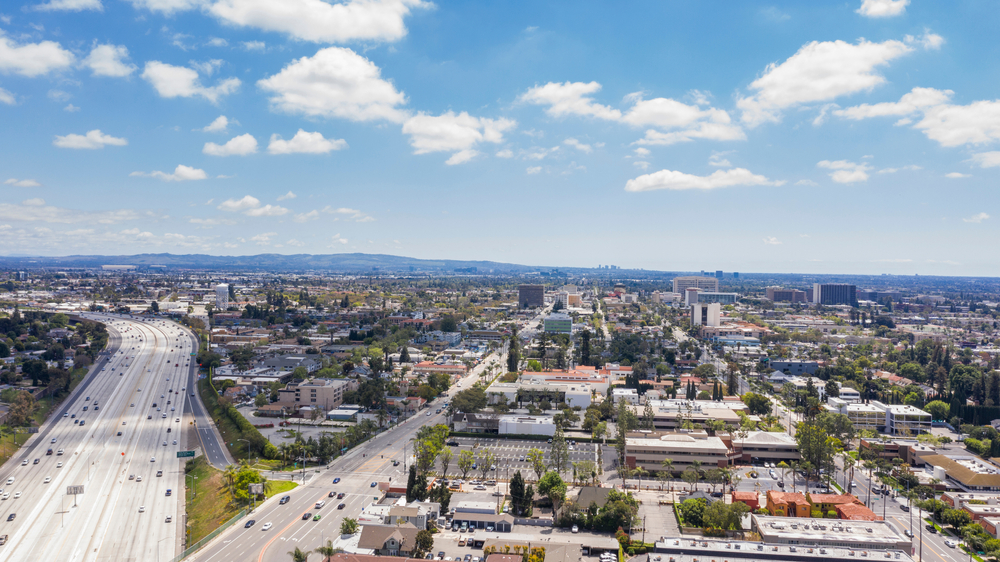
Location amplifies Santa Ana’s value. You’re central to Orange County’s job centers: Irvine’s tech and corporate campus just minutes south, Costa Mesa’s retail and business district adjacent, and Anaheim’s tourism economy nearby. The average commute time of 24.8 minutes[8] beats most Southern California metros. Beaches sit 15-20 minutes west without requiring beach-city housing premiums. John Wayne Airport provides convenient air travel. Freeways (I-5, 405, 55) connect regionally without the isolation of peripheral developments.
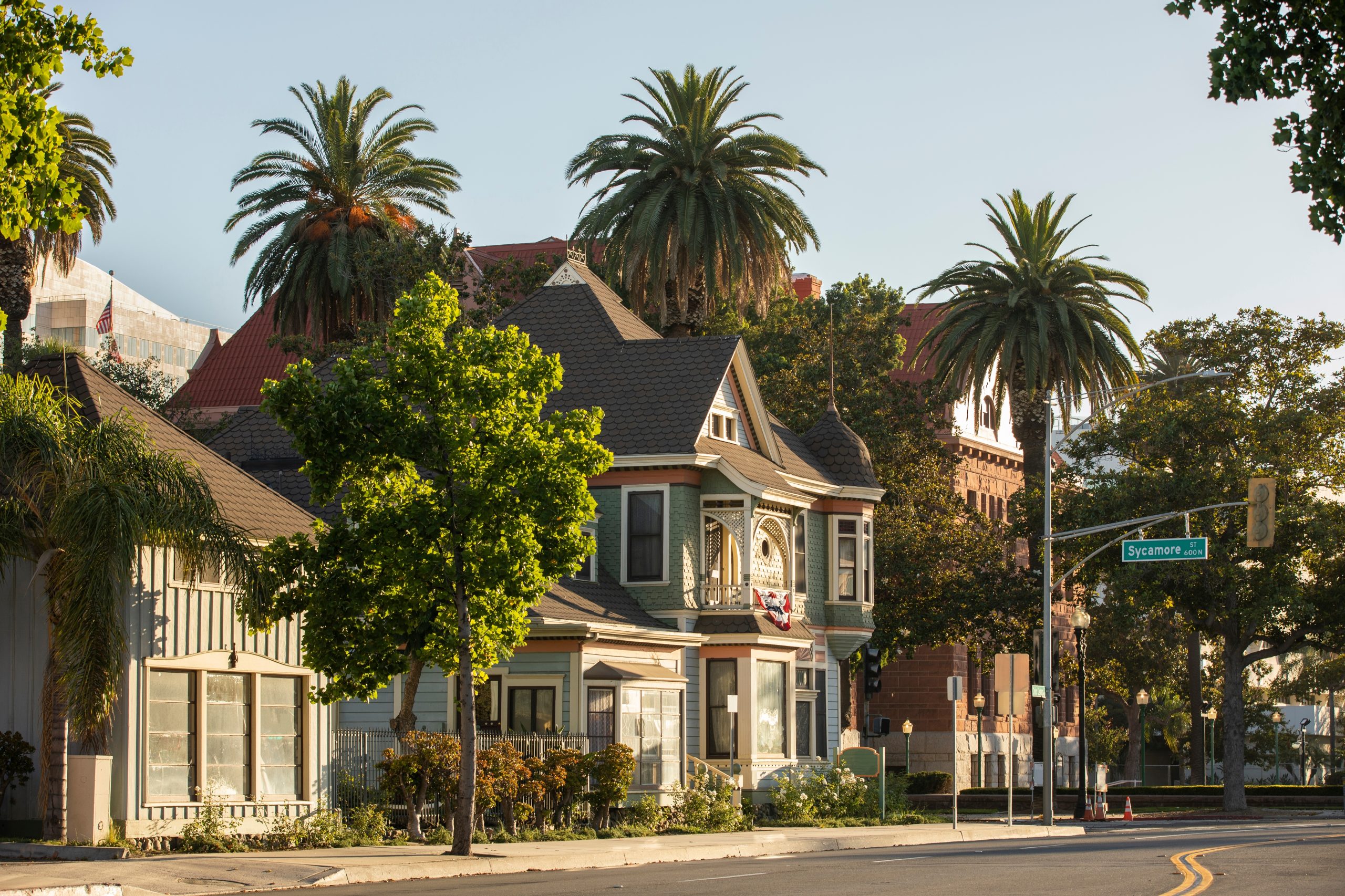
Yet Santa Ana demands honest acknowledgment of its challenges and complexities. Safety varies dramatically by neighborhood, with some areas experiencing property crime rates that require urban awareness and research. The city’s density and age mean parking can be challenging, building maintenance varies, and some neighborhoods lack the polished infrastructure of newer communities.
Schools vary significantly in quality district-wide, pushing families toward careful research or private options. The working-class, urban character won’t suit everyone, particularly those seeking quiet suburban uniformity. Some areas struggle with visible poverty and urban challenges that master-planned communities engineer away. The city’s authenticity—its greatest strength for some—represents a dealbreaker for others expecting Orange County perfection.
This guide will walk you through everything you need to know to determine whether Santa Ana’s combination of affordability, location, culture, and authenticity aligns with your priorities. For those willing to engage with a real city rather than a planned community, who value character over uniformity, and who need Orange County access without Orange County pricing, Santa Ana delivers an increasingly rare opportunity in Southern California.
Quick Snapshot
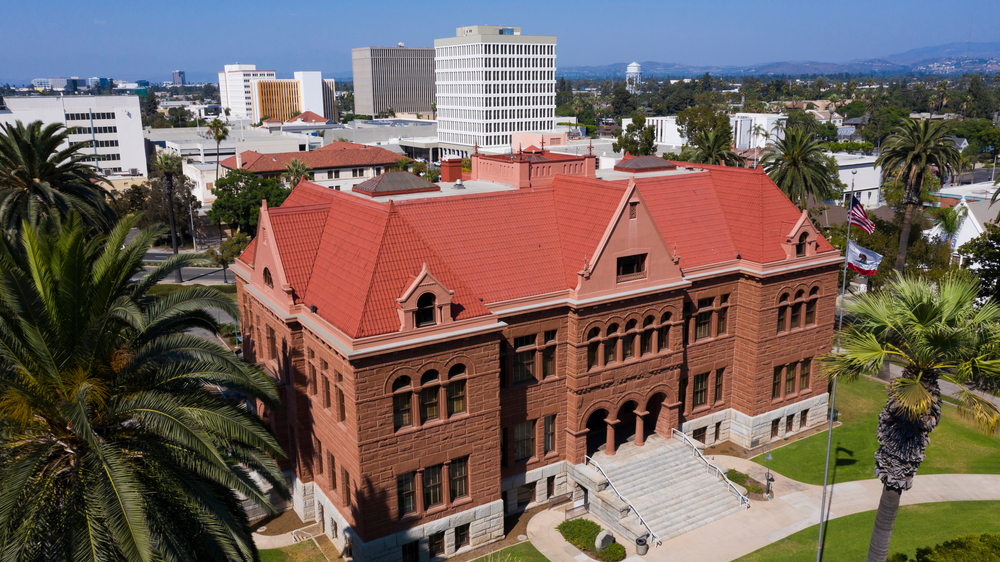
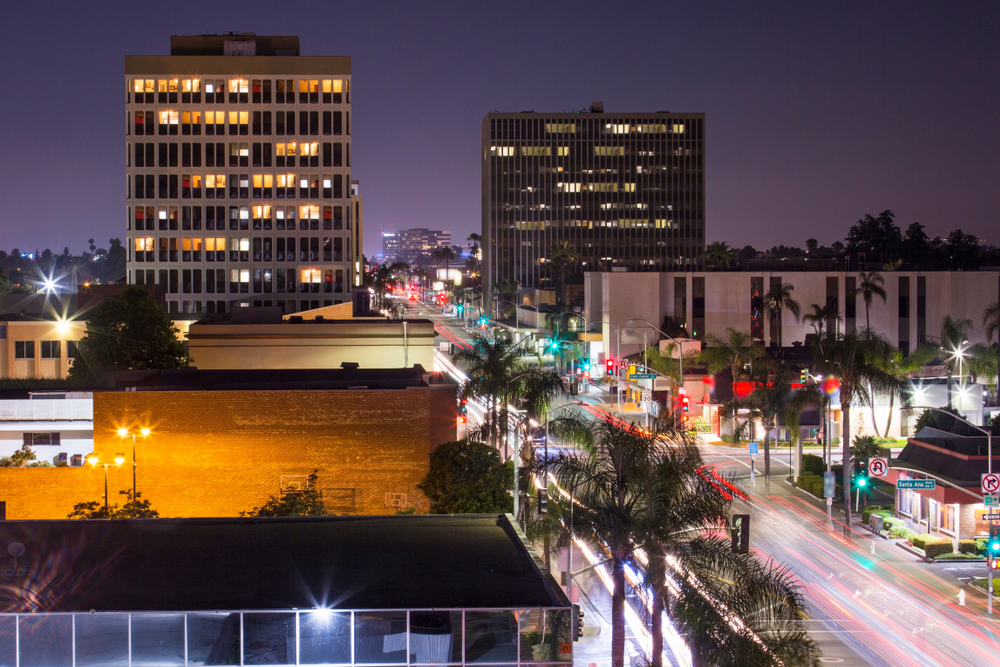
Santa Ana is the county seat of Orange County and one of the most culturally rich, densely populated cities in Southern California. It’s not a master-planned “bubble” like Irvine—it’s a true city with older neighborhoods, a busy downtown, and a strong community identity. Many people consider Santa Ana because it can offer better housing value than some nearby OC cities, while keeping you close to major job centers.
Population: ~310,500–316,200 residents[9][10][11]
Median Household Income: ~$88,354[12]
Median Home Value: ~$753,000–$813,000[1][2][3]
Median Rent: ~$2,241–$2,722/month[4][5][6][7]
Average Commute: ~24.8 minutes[8]
Vibe: Urban, diverse, cultural, working-class roots
Cost of Living
Housing Costs
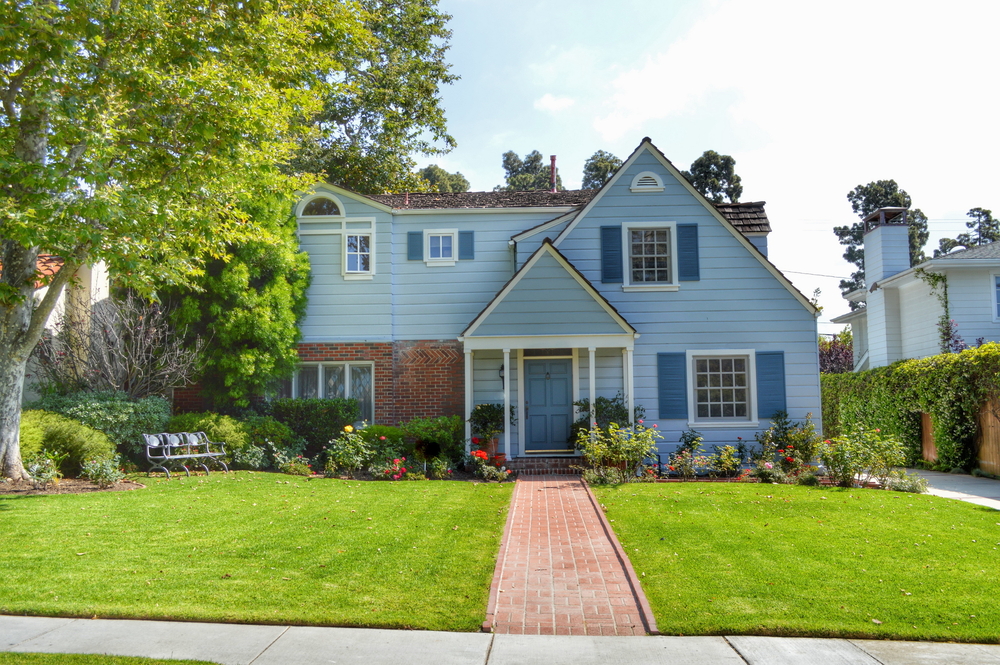
For most people moving to Santa Ana, housing will be the biggest budget line item, and it’s where Santa Ana often looks most attractive compared with other “central OC” cities.
- Buying: Median home values range from $753K–$813K[1][2][3], with variations by source and timing.
- Renting: Average rents fall between $2,241–$2,722/month[4][5][6][7] across all unit types, with significant variation by bedroom count and neighborhood.
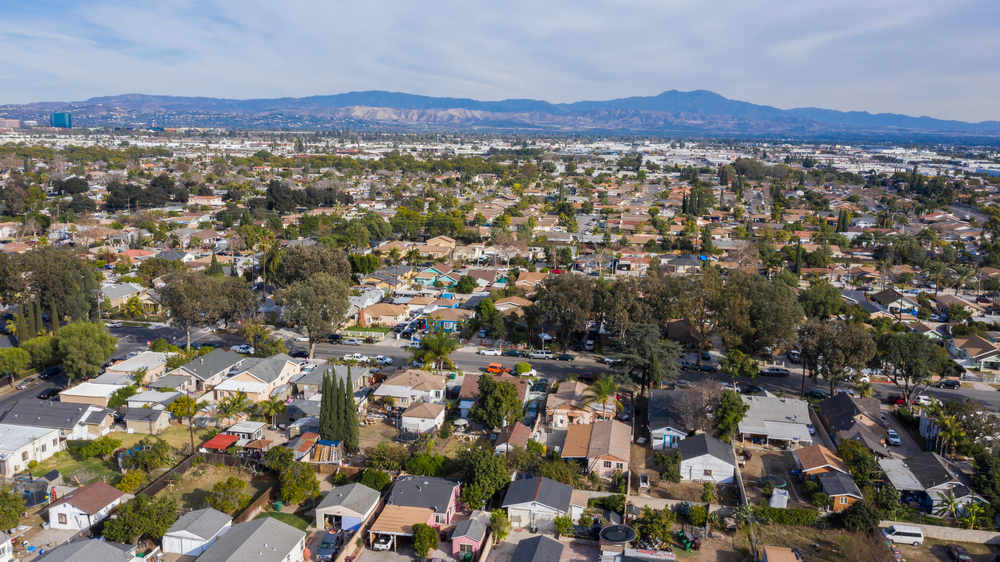
- Housing stock: Mix of historic neighborhoods with older homes (often lots of charm, sometimes more maintenance), apartments/duplexes, and pockets of newer development near downtown and along major corridors.
Utilities
Utility costs can vary significantly depending on whether you’re in an older home or newer apartment, and how much air conditioning you run in late summer.
Santa Ana offers Municipal Utility Services (MUS) billing that includes water consumption, refuse, sanitation, sewer service charges, and a utility users’ tax[13]. Most Santa Ana households receive electricity from Southern California Edison (SCE)[14], with natural gas provided by SoCalGas[15].
Budget reality: Utility costs can swing meaningfully based on building insulation/age, summer cooling habits, and whether you’re in a single-family home with irrigation.
Gas & Transportation
Gas prices in California remain among the highest in the nation. As of January 14, 2026, AAA listed California’s statewide average for regular gas at $4.210[16]. Local prices in Orange County can run above or below the state average depending on neighborhood and station competition.
Groceries & Everyday Costs
Expect grocery and dining costs to be higher than the U.S. average because you’re in Orange County. Santa Ana often offers more budget-friendly options than coastal OC cities due to more local markets, strong competition, and a huge range of family-owned restaurants.
Lifestyle & Quality of Life

Traffic & Commute
Santa Ana’s location is a big part of its appeal: you’re near major job centers and freeway access is strong, but congestion is real during peak times.
The Census lists Santa Ana’s mean travel time to work at 24.8 minutes[8]. That’s an “average of averages,” but it helps set expectations: Santa Ana can be commutable without being a “forever commute,” especially if you work in central OC.
Public Transit & Regional Connectivity
Santa Ana has a major regional advantage: a real transportation hub. The Santa Ana Regional Transportation Center (SARTC) combines Amtrak, Metrolink, OCTA buses, and other transportation services in one location[17].
If your lifestyle can support even partial transit use (train + bus), it can reduce the pain of gas costs and parking.
Neighborhoods & Areas to Know
Santa Ana is neighborhood-driven, and the lived experience can change significantly from one area to another.
Floral Park / Park Santiago
Floral Park and Park Santiago represent Santa Ana’s most established and architecturally significant residential neighborhoods, featuring Spanish Colonial Revival and Period Revival homes from the 1920s-1940s that create a distinct historic character.
Floral Park, in particular, is known for its mature trees, wide streets, and well-maintained properties that attract professionals, families, and anyone seeking traditional neighborhood charm. The area feels remarkably suburban despite being minutes from downtown, with residents who’ve lived here for decades alongside newcomers drawn by the neighborhood’s character.
Home prices in Floral Park typically range from $900K-$1.3M+, reflecting the desirability of historic homes, strong community identity, and perceived prestige within Santa Ana. Park Santiago offers slightly more accessible pricing while maintaining similar architectural appeal and neighborhood quality. Both areas feature active homeowners’ associations that organize events, maintain standards, and preserve the neighborhoods’ historic character. Schools in the area generally rank among Santa Ana’s better options, contributing to family appeal.
The main trade-offs are cost—these are Santa Ana’s most expensive residential areas—and older housing stock that may require ongoing maintenance and updates. However, for buyers seeking character, established community, and traditional neighborhood living within Santa Ana city limits, Floral Park and Park Santiago deliver the city’s most refined residential experience.
Downtown Santa Ana
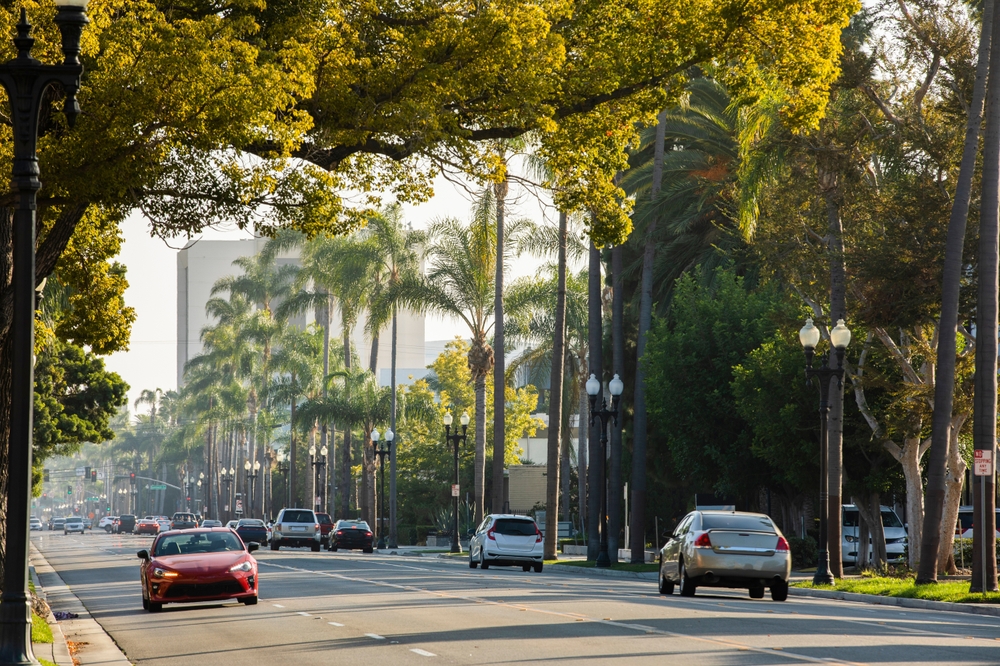
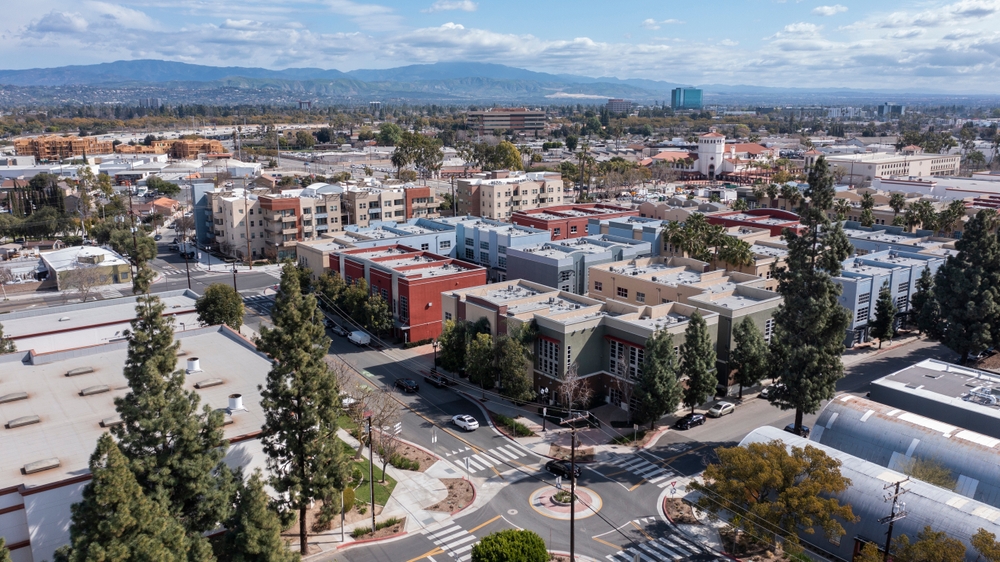
Downtown Santa Ana embodies urban Orange County living, offering arts, restaurants, nightlife, and historic loft-style buildings that attract young professionals, artists, and anyone seeking walkable city living. The area has transformed significantly over the past two decades, evolving from a somewhat neglected urban core into a genuine cultural district. The Artists Village anchors the downtown arts scene, with galleries, studios, performance spaces, and monthly art walks drawing crowds and creating community.
Housing downtown consists primarily of converted lofts in historic buildings, newer mixed-use developments, and apartment complexes, with limited single-family homes. Rent typically ranges from $1,900-$3,200 depending on unit size, building age, and amenities. Condos and lofts sell in the $400K-$700K range. The neighborhood attracts diverse residents—artists, young professionals working in Orange County, empty nesters seeking urban living, and creatives drawn by the authentic culture.
Fourth Street serves as a main corridor with restaurants, bars, coffee shops, and local businesses, creating pedestrian activity rare in car-dependent Orange County. The Bowers Museum, Santa Ana Zoo, and various cultural venues provide entertainment and educational options within walking distance. However, downtown also experiences urban challenges—property crime, homelessness visibility, and variable safety depending on specific blocks and times. Parking can be challenging. Some areas feel rough or underdeveloped.
For those seeking authentic urban living in Orange County, who value arts and culture over polished suburban comfort, and who can navigate urban realities with awareness, downtown Santa Ana offers a unique Orange County experience that simply doesn’t exist elsewhere in the county.
South Coast Metro Edge
The South Coast Metro edge of Santa Ana, bordering Costa Mesa and adjacent to South Coast Plaza, offers a dramatically different experience from the rest of the city: newer construction, abundant apartments, proximity to upscale shopping, and corporate offices. This area developed more recently than central Santa Ana, creating residential complexes that cater to young professionals working at nearby businesses. The neighborhood feels more like Costa Mesa than traditional Santa Ana, with less cultural character but more modern amenities and infrastructure.
Housing consists almost entirely of apartment complexes and some condos, with prices reflecting proximity to South Coast Plaza and major employers. Rent typically ranges from $2,400-$3,500+ for one-bedrooms, depending on building amenities and exact location. The area attracts young professionals, particularly those working at nearby corporate campuses in Costa Mesa or Irvine, who prioritize commute convenience and modern living over neighborhood character.
The main advantages are location: excellent freeway access, walkable distance to South Coast Plaza, proximity to restaurants and entertainment, and newer construction with modern amenities like pools, gyms, and parking structures. The primary drawbacks are higher costs than most of Santa Ana, limited diversity in housing types (almost entirely apartments), and a somewhat sterile atmosphere compared to more established neighborhoods. The area can feel transient, with less community identity than other parts of Santa Ana.
For professionals seeking convenience to South Coast Metro employment and shopping, who don’t mind apartment living and can afford above-average Santa Ana rents, this edge neighborhood provides a practical option that splits the difference between Santa Ana affordability and Costa Mesa convenience.
Schools & Education
Santa Ana is served by Santa Ana Unified School District (SAUSD), and school performance varies significantly by individual school. The California School Dashboard provides district summary pages[18] with state indicators and reporting.
In Santa Ana, you should evaluate specific schools, not just the city or district label. Cross-reference the Dashboard, school boundary locations, and commute practicality.
Safety & Crime
Safety is one of the biggest deciding factors for prospective movers, and it varies greatly in Santa Ana. The City of Santa Ana publishes Uniform Crime Reporting (UCR) statistics[19] that include counts of key crime metrics and comparisons to prior periods. The Santa Ana Police Department also publishes year-end reviews[20] providing broader context.
Avoid labeling the whole city as “safe/unsafe.” Encourage neighborhood-level evaluation using official sources to track trends over time.
Weather & Climate
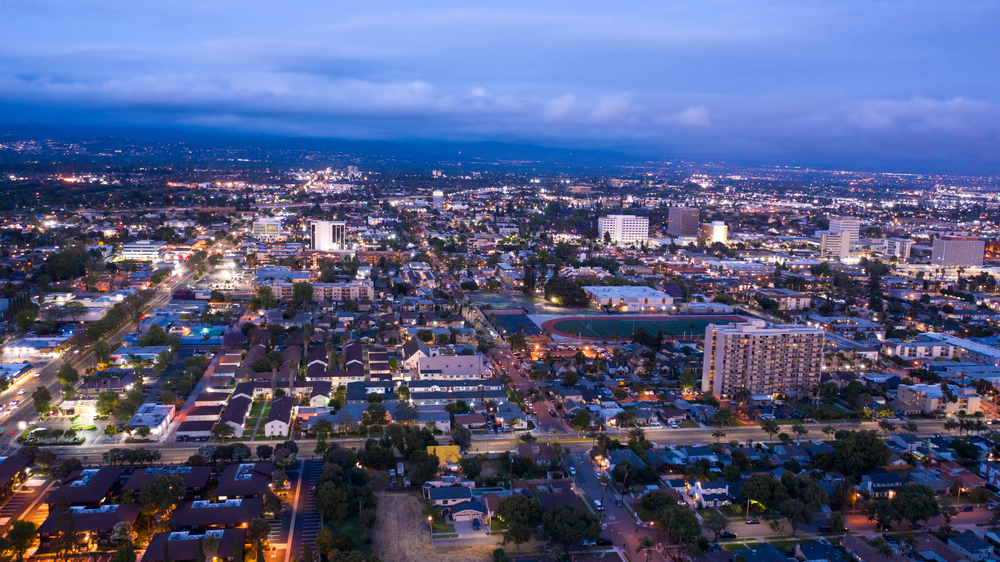
Santa Ana enjoys a warm, Mediterranean-leaning Southern California climate that’s typically hotter than the beach cities but still mild compared with inland desert areas. Summer temperatures regularly reach the 80s and low 90s, warmer than coastal areas but far more comfortable than the Inland Empire or desert regions. The lack of coastal fog means more consistent sunshine, though the marine layer occasionally reaches inland neighborhoods in early morning hours.
Winters are mild with daytime temperatures typically in the 60s and 70s, rarely requiring heavy heating. The region receives minimal rainfall concentrated between November and March, with dry conditions dominating the rest of the year. The Santa Ana winds—hot, dry winds that blow from the interior toward the coast, typically in fall and winter—can create uncomfortable conditions and increase wildfire risk in surrounding areas, though the city itself rarely experiences direct fire threats.
The climate supports year-round outdoor activities, from neighborhood walks to sports leagues to regional recreation. The consistent warmth means air conditioning is necessary in summer, but heating demands remain modest in winter. For those seeking reliable sunshine without oppressive heat, who can tolerate warm summers without coastal breezes, Santa Ana’s climate delivers Southern California weather at its most consistent and manageable.
Work, Economy & Practical Living
Job Access
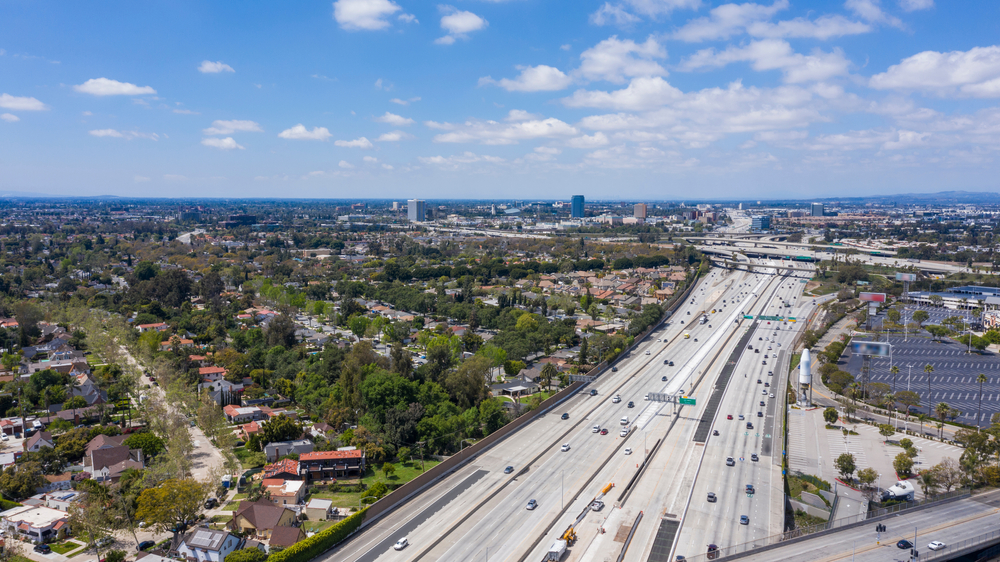
Santa Ana is positioned well for Orange County employment. Many residents commute to nearby hubs like:
- Irvine (business + tech + corporate)
- Costa Mesa (retail/corporate)
- Anaheim (tourism, sports, convention economy)
- North OC and parts of LA County, depending on role
Even when people don’t work in Santa Ana, they choose it for access and relative housing value.
Healthcare Access
Santa Ana sits in a dense OC healthcare network with hospitals, urgent care centers, and specialists across central Orange County. Proximity to major medical corridors and ease of access to care during various traffic windows provide strong healthcare availability.
Taxes & California Realities
The California Department of Tax and Fee Administration (CDTFA) publishes official city and county sales tax rates[21]. Sales tax affects daily life spending—restaurants, shopping, services—and is especially noticeable if relocating from a lower-tax state.
Lifestyle Perks

Food, Culture, and Things to Do
Santa Ana has a reputation for being one of the most culturally “alive” places in Orange County, especially around downtown. The strong local restaurant scene reflects the city’s diversity, with exceptional Mexican cuisine, Vietnamese pho shops, Salvadoran pupuserias, and innovative farm-to-table restaurants operating at high levels. The food scene feels authentic rather than manufactured, with family-owned establishments that have served communities for decades alongside newer ventures pushing culinary boundaries.
The arts and community events distinguish Santa Ana from more corporate Orange County cities. The Artists Village hosts monthly art walks, gallery openings, and performances that create genuine community gatherings rather than tourist attractions. The Bowers Museum houses world-class collections of art and cultural artifacts. Downtown’s Fourth Street corridor pulses with bars, live music venues, and independent businesses. The city hosts cultural festivals celebrating its diverse communities throughout the year.
This cultural richness creates a less “manufactured” feeling than some master-planned cities, attracting residents who value authenticity over polish and diversity over demographic uniformity.
Central OC Launch Point
Santa Ana functions as a practical home base for Orange County living. Beaches are a short drive west—Huntington, Newport, Laguna—without paying beach-city housing premiums. Quick freeway access connects to employment centers, shopping districts, and regional attractions. The train hub advantages through SARTC provide genuine transit options rare in car-dependent Southern California.
The positioning means you can access Orange County’s amenities—beaches, Disneyland, South Coast Plaza, hiking in the Santa Ana Mountains—while maintaining housing costs well below coastal areas. For those willing to drive 15-20 minutes for beach access rather than living beachfront, Santa Ana’s central location delivers excellent value and convenience.
Who Santa Ana Is Best For (—And Not For)
Best for:
- People who want central OC access without paying Irvine/Newport pricing
- Buyers who value character neighborhoods and older homes
- Renters who want urban convenience and commute flexibility
- Anyone who wants proximity to a major transportation hub
Less ideal for:
- People seeking a quiet, master-planned environment
- Those who want an extremely uniform neighborhood feel citywide
- Anyone unwilling to do neighborhood-level research on schools and safety
Final Thoughts: Is Living in Santa Ana Right for You?
Santa Ana can be one of the smartest plays in Orange County if your priorities are location, access, culture, and relative value. It’s not trying to be Irvine, and that’s exactly why many people choose it deliberately rather than settling for it reluctantly. The city rewards those who engage with its complexity rather than expecting suburban simplicity, who appreciate authentic urban character over master-planned perfection, and who understand that “most affordable in Orange County” still means expensive by national standards but genuinely accessible compared to coastal alternatives.
The case for Santa Ana is substantial and multifaceted. Housing affordability provides realistic paths to Orange County homeownership: actual houses with yards and character, not just condos or endless renting. The median income of $88,354[12] stretches considerably further here than in Irvine or coastal cities. The cultural richness—Latino heritage, arts scene, diverse food—creates a genuine community rather than demographic monotony.
The central location means beach access without beach prices, job center proximity without extreme commutes, and transit options through SARTC that actually work for some lifestyles. The neighborhoods offer variety—historic Floral Park elegance, downtown urban energy, South Coast Metro convenience—allowing residents to find their fit rather than accepting one-size-fits-all development.
However, Santa Ana demands clear-eyed acknowledgment of its challenges and your capacity to navigate them. Safety varies dramatically by neighborhood, with property crime rates in some areas requiring urban awareness that exhausts some residents. Schools vary significantly in quality, pushing families toward extensive research or private options that add costs.
The city’s age and density mean parking challenges, variable building maintenance, and infrastructure that shows wear compared to newer developments. Some areas experience visible poverty and urban struggles that master-planned communities engineer away. The working-class, urban character—authenticity to some, roughness to others—won’t suit everyone seeking Orange County perfection.
The fundamental question is what you prioritize and what you can accept. If you value cultural diversity over demographic uniformity, character neighborhoods over master-planned conformity, and Orange County access at achievable prices over coastal living at any cost, Santa Ana delivers in ways few Orange County cities can match. If you need Orange County employment and want homeownership without inheriting wealth, if you appreciate authentic urban living over suburban simulation, if you’re comfortable doing neighborhood research rather than trusting brand-name development, Santa Ana offers genuine opportunity.
But if you need perfect safety and uniform quality, if urban challenges feel overwhelming, if you’re expecting flawless infrastructure and services, you’ll find Santa Ana’s practical advantages insufficient compensation for its very real complexities. Santa Ana rewards those who approach it strategically; choosing neighborhoods based on commute and lifestyle, validating schools using state data rather than assumptions, using published crime statistics for reality-based safety views, and budgeting transportation honestly, given California gas prices. For those willing to do that homework, Santa Ana can be not just an affordable Orange County option, but genuinely the right choice.
Sources
- Redfin. (2025). Santa Ana Housing Market. https://www.redfin.com/city/17650/CA/Santa-Ana/housing-market
- Zillow. (2026). Santa Ana CA Home Prices & Home Values. https://www.zillow.com/home-values/47568/santa-ana-ca/
- Property Focus. (2025). Santa Ana Housing Market Overview & Trends in 2025. https://www.propertyfocus.com/trends/city/ca/santa-ana
- RentCafe. (2025). Average Rent in Santa Ana, CA: 2025 Rent Prices by Neighborhood. https://www.rentcafe.com/average-rent-market-trends/us/ca/santa-ana/
- Zillow Rental Manager. (2024). Average Rental Price in Santa Ana, CA. https://www.zillow.com/rental-manager/market-trends/santa-ana-ca/
- Apartments.com. (2025). Average Rent in Santa Ana, CA. https://www.apartments.com/rent-market-trends/santa-ana-ca/
- Point2Homes. (2025). Average rent in Santa Ana | Rental Housing Market 2025. https://www.point2homes.com/US/Average-Rent/CA/Santa-Ana.html
- U.S. Census Bureau. (2023). Santa Ana, CA. Data USA. https://datausa.io/profile/geo/santa-ana-ca
- California Demographics. (2025). Santa Ana Demographics. https://www.california-demographics.com/santa-ana-demographics
- Neilsberg. (2024). Santa Ana, CA Population by Year. https://www.neilsberg.com/insights/santa-ana-ca-population-by-year/
- World Population Review. (2025). Santa Ana, California Population 2025. https://worldpopulationreview.com/us-cities/california/santa-ana
- U.S. Census Bureau. (2023). Santa Ana, CA Population and Demographics. Data USA. https://datausa.io/profile/geo/santa-ana-ca
- City of Santa Ana. (2025). Municipal Utility Services. https://www.santa-ana.org/residents/
- Southern California Edison. (2026). Customer Bill Impact Information. https://www.sce.com/
- SoCalGas. (2025). Rate Schedules and Tariff Information. https://www.socalgas.com/
- AAA. (2026). California Gas Prices. https://gasprices.aaa.com/
- Metrolink. (2025). Santa Ana Station Information. https://metrolinktrains.com/rider-info/general-info/stations/santa-ana/
- California School Dashboard. (2025). Santa Ana Unified School District. https://www.caschooldashboard.org/reports/30736780000000/2024
- City of Santa Ana. (2024). Uniform Crime Reporting Statistics. https://www.santa-ana.org/uniform-crime-reporting-statistics/
- Santa Ana Police Department. (2023). 2023 Year-End Review. https://www.santa-ana.org/documents/2023-year-end-review/
- California Department of Tax and Fee Administration. (2026). City and County Sales and Use Tax Rates. https://www.cdtfa.ca.gov/taxes-and-fees/rates.aspx
Disclaimer
This article has been thoroughly researched and is intended to provide general information and insights related to real estate and utility management. It is for informational and entertainment purposes only and should not be considered professional, financial, or legal advice. Individual circumstances vary, and readers are encouraged to consult with a qualified professional before making decisions regarding home purchases, utility management, or other financial matters.