Picture this: you’re sipping your morning coffee at a sidewalk café, the salt air drifting in from the Pacific just blocks away, while sailboats glide across the harbor and the distant rumble of container ships reminds you that this isn’t just another sleepy beach town. Instead, this is a working city with soul. Welcome to Long Beach, California, a coastal gem that somehow manages to be both refreshingly unpretentious and thoroughly sophisticated, all at once.
Long Beach is where Southern California sheds its glossy veneer and gets real. This isn’t the manicured perfection of Newport Beach or the see-and-be-seen energy of Santa Monica. Instead, Long Beach offers something increasingly rare in coastal California: authenticity.
With nearly half a million residents, it’s the seventh-largest city in California, yet it maintains distinct neighborhood identities that give it an almost small-town feel in places. You’ll find craftsman bungalows alongside modern condos, taco trucks next to farm-to-table restaurants, and a genuine diversity that reflects the real California, not just the Instagram version.
What makes Long Beach particularly compelling right now is its positioning as the “value play” of coastal Southern California. While it’s far from cheap by national standards, it offers ocean access and urban amenities at prices that won’t completely demolish your financial future. Median home prices hover around $800K–$875K[3][4]—still eye-watering, but significantly less than comparable coastal communities just up the coast. For renters, the city provides more breathing room than much of LA County, with options that don’t require winning the lottery to afford.
Beyond the economics, Long Beach simply works as a place to live. It’s bike-friendly in ways that most of LA isn’t. The beach is actually accessible and enjoyable, not just a backdrop for traffic. The city has cultivated a thriving arts scene, a legitimately excellent food culture that spans from hole-in-the-wall gems to upscale dining, and neighborhoods with genuine character. You can walk to dinner, bike to the beach, and still make it to Downtown LA or Orange County for work without losing your mind in traffic—most days, anyway.
Whether you’re a young professional looking for coastal living that won’t require three roommates, a family seeking good schools and beach access, or someone ready to trade the frantic pace of central LA for something slightly more human-scaled, Long Beach deserves serious consideration. This guide will walk you through everything you need to know to decide if this coastal city should be your next home.
Quick Snapshot of Living in Long Beach, CA
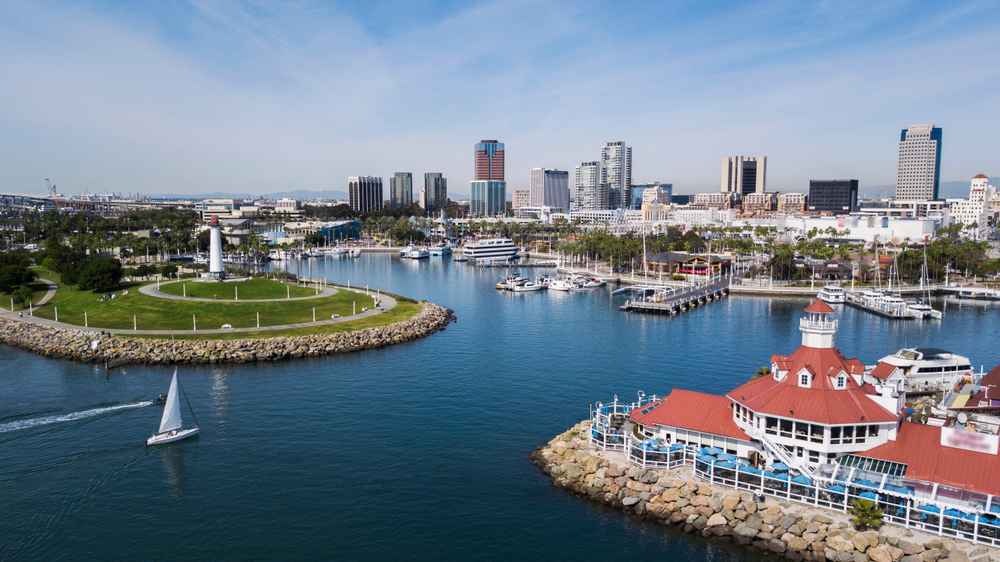
Long Beach is a large coastal city in Los Angeles County that blends beach living, urban density, and a strong working-class and creative culture. It’s often seen as a more approachable, slightly more affordable alternative to parts of Los Angeles while still offering ocean access, walkable neighborhoods, and a major port economy.
Population: ~450,000 residents[1]
Median Household Income: ~$83,969[2]
Median Home Value: ~$800,000–$875,000[3][4]
Median Rent: ~$2,095–$2,666/month[5][6]
Average Commute: ~30 minutes[7]
County: Los Angeles County
Vibe: Coastal-urban, diverse, active, more laid-back than central LA
Cost of Living in Long Beach
Housing Costs
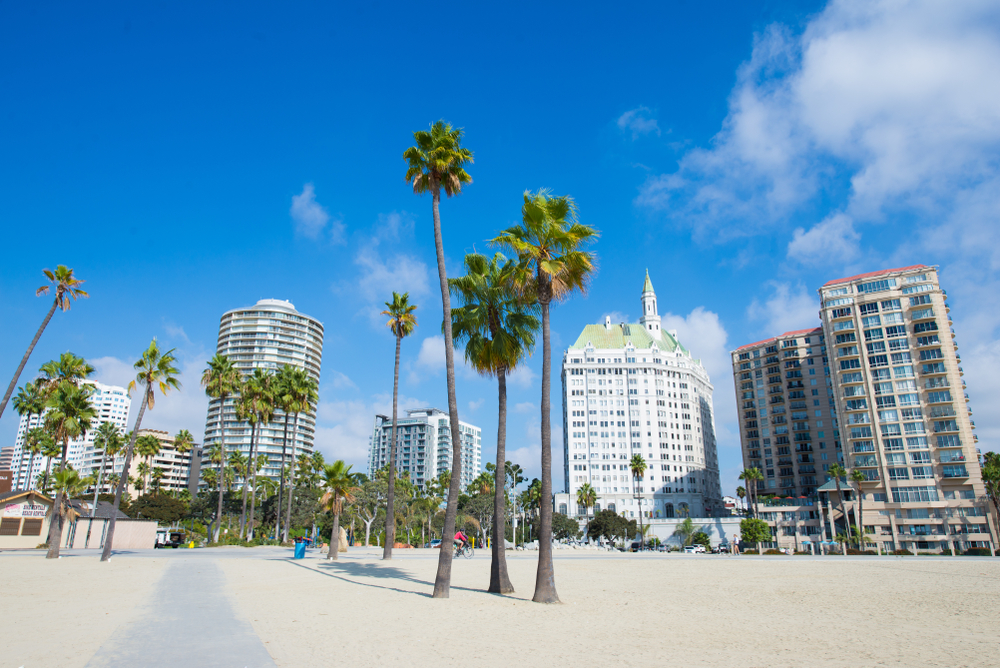
Housing is the largest expense for most Long Beach residents, though it is generally less expensive than many coastal LA neighborhoods.
- Home prices: Median home values typically range between $800K–$875K[3][4], with condos and smaller homes offering lower entry points.
- Rent: Average rents sit around $2,095–$2,666/month[5][6], depending on neighborhood, proximity to the water, and building age.
- Housing types: Apartments, condos, Craftsman homes, mid-century houses, and newer coastal developments.
- Context: Long Beach remains expensive by national standards, but often feels like better value compared to Santa Monica, Venice, or West LA.
Utilities
Utilities in Long Beach trend slightly above the national average, but often come in lower than inland Southern California cities due to milder coastal temperatures. Still, living in California typically means paying more for utilities:
- Electricity, gas, water, trash, and internet typically scale with household size and building efficiency.
- Coastal weather reduces the need for constant A/C compared to inland LA County.
Gas & Transportation
Transportation costs are a major consideration if you’re considering living in Long Beach:
- Gas prices track Los Angeles County averages, which are among the highest in the U.S.
- Long Beach is car-centric, but more bike- and transit-friendly than many LA suburbs.
- Many residents commute to Downtown LA, South Bay, Orange County, or work locally at the Port, healthcare facilities, or universities.
Groceries & Everyday Costs
Grocery costs are above the national average, but residents benefit from a wide range of options: major chains, local markets, ethnic grocery stores, and farmers markets.
Dining out spans from affordable local spots to upscale waterfront restaurants. However, by foregoing dining out and eating in, you can significantly reduce your cost of living in Long Beach.
Lifestyle & Quality of Life
Traffic & Commute
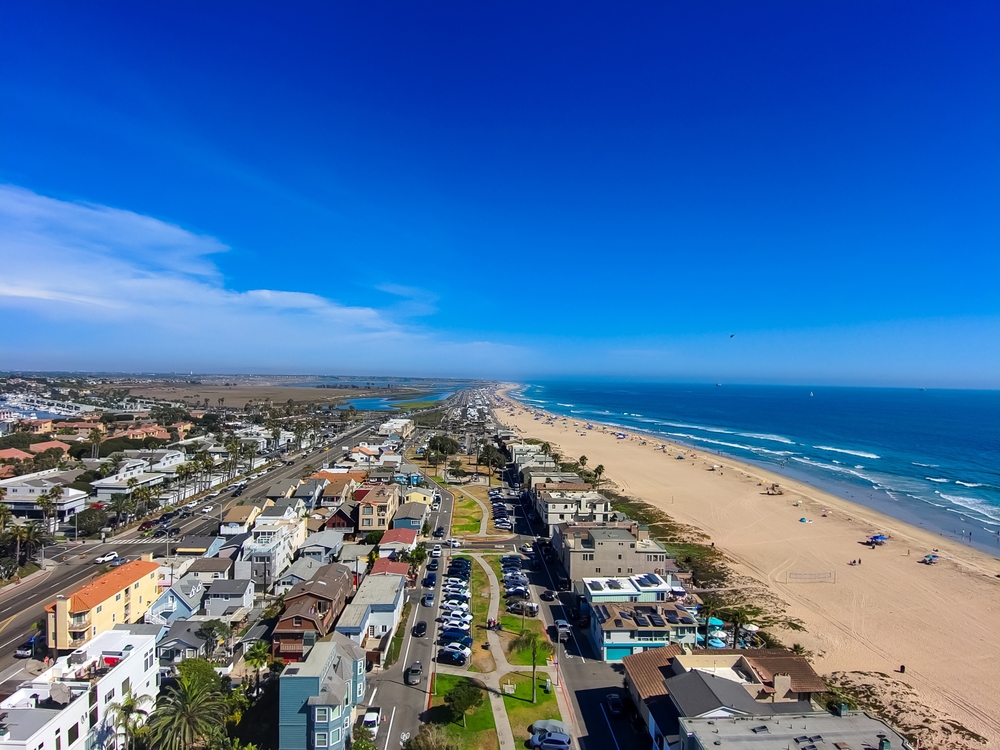
Traffic exists — this is still LA County — but Long Beach often feels less chaotic than central LA.
- Major routes include I-405, I-710, and Pacific Coast Highway (PCH).
- Average commute times hover around 30 minutes[7], with longer drives during peak hours.
- Long Beach Transit and Metro connections provide alternatives to driving for some commuters.
Neighborhoods & Areas to Know
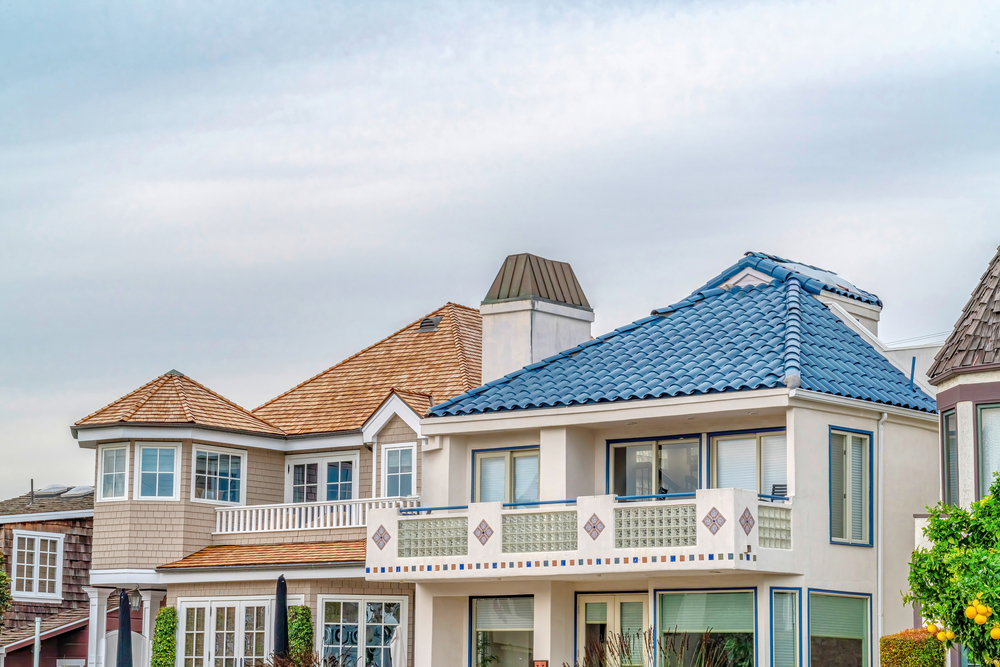
Living in Long Beach is highly neighborhood-driven, and choosing the right one matters significantly for your daily experience. Let’s explore some of the city’s best neighborhoods…
Belmont Shore / Belmont Heights
Belmont Shore and Belmont Heights represent the quintessential Long Beach beach lifestyle, offering a rare combination of true walkability and coastal living that’s hard to find elsewhere in Southern California.
The Shore, as locals call it, centers around Second Street—a vibrant corridor packed with restaurants, bars, boutiques, and cafes that buzzes with activity from morning coffee runs to late-night bar crowds. This is where you’ll find residents walking to dinner, biking to the beach, and bumping into neighbors at the farmers market. The beach itself is wide, clean, and actually enjoyable, with a paved path perfect for running, cycling, or simply watching the sunset.
Belmont Heights, just north of the Shore, offers a slightly quieter residential character while maintaining walkable access to Second Street’s amenities. The housing stock here is diverse—charming craftsman bungalows, Spanish-style homes, and modern condos—with prices reflecting the desirability of the location. Parking can be challenging, especially during summer weekends, and rent and home prices tend to be on the higher end for Long Beach.
The area attracts young professionals, small families, and anyone who prioritizes walkability and beach access. The neighborhood has a strong community feel, with active local organizations and events. If you want to live somewhere you can leave your car parked most weekends and walk to everything you need, Belmont Shore is worth the premium.
Bixby Knolls
Bixby Knolls offers a completely different flavor from the beach neighborhoods, presenting a more traditional suburban feel with tree-lined streets, well-maintained single-family homes, and a strong sense of community pride.
Located in the northern part of Long Beach, Bixby Knolls centers around Atlantic Avenue, which has transformed in recent years into a charming shopping and dining district. The neighborhood is known for excellent schools, which makes it particularly attractive to families, and the housing stock skews toward larger, more traditional homes with actual yards—a rarity in much of Long Beach.
The Bixby Knolls vibe is decidedly more residential and family-oriented than coastal Long Beach. You’ll find block parties, active neighborhood associations, and residents who’ve lived here for decades. The architecture is appealing, with many homes dating from the 1920s through the 1950s, offering character without the maintenance headaches of truly old properties.
Home prices here are generally more accessible than beachfront areas, though the neighborhood has been appreciating steadily as more people discover its charms. The tradeoff is distance from the beach—you’re looking at a 10-15 minute drive—and a slightly more car-dependent lifestyle. However, for families seeking good schools, safe streets, and a true neighborhood feel, Bixby Knolls consistently ranks as one of Long Beach’s most desirable areas.
Downtown Long Beach

Downtown Long Beach embodies urban coastal living, offering high-rise condos, a legitimate nightlife scene, and walkable access to the waterfront, convention center, and Aquarium of the Pacific. This is Long Beach at its most cosmopolitan, where the city’s working port, entertainment venues, and residential towers converge.
Pine Avenue serves as the main artery, lined with restaurants, bars, and shops, while the waterfront promenade offers stunning views and recreational opportunities. The neighborhood attracts young professionals, empty nesters, and anyone seeking the energy of city living combined with ocean proximity. This is living in Long Beach at its best!
The condo market dominates downtown, with numerous high-rise buildings offering amenities like pools, gyms, and security. Prices vary widely depending on the building, views, and finishes, but generally offer better value per square foot than single-family homes in beach neighborhoods. The downtown lifestyle is decidedly urban—you’ll deal with more foot traffic, occasional homelessness visibility, and the general bustle of a city center.
However, you’re also steps from world-class dining, cultural events, and entertainment. The area is continuously evolving, with new developments and improved infrastructure gradually transforming formerly industrial areas into mixed-use spaces. For those who thrive on urban energy and want to be at the center of the action, downtown Long Beach delivers.
Naples / Peninsula
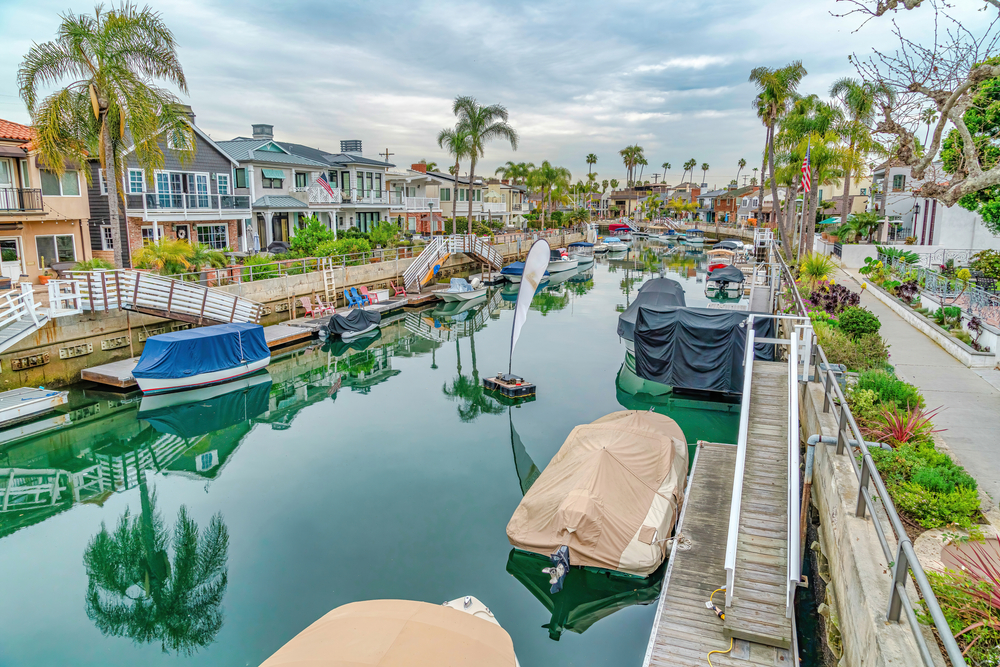
Naples and the Peninsula represent Long Beach’s most exclusive and unique neighborhoods, offering a lifestyle centered around waterfront living, boating, and coastal elegance. This area is famous for its canal system—reminiscent of Venice, Italy—with homes that have private boat docks and direct water access. The Peninsula stretches along a narrow strip of land separating Alamitos Bay from the ocean, offering both bay and ocean views from many properties. This is where you’ll find Long Beach’s highest-end real estate, with homes regularly selling well above the city’s median.
The lifestyle here is distinctly water-oriented. Residents kayak to restaurants, dock their boats at home, and enjoy some of the most spectacular views in Southern California. The neighborhoods are meticulously maintained, quiet, and safe, with a strong sense of community among residents. The annual Naples holiday boat parade is a beloved tradition that draws visitors from across the region.
However, this exclusivity comes with significant costs—not just in purchase price or rent, but in the lifestyle itself. These are neighborhoods for those who want to embrace the water, who value tranquility and natural beauty, and who can afford the premium that comes with such unique geography. Access is limited, with only a few bridges connecting to the mainland, which can be both an advantage (less through traffic) and an inconvenience during busy times.
East Long Beach
East Long Beach offers a more suburban, residential character that appeals to families and those seeking quieter, more spacious living while remaining within Long Beach city limits. This area is more car-dependent than coastal neighborhoods, with wider streets, larger lots, and a generally more spread-out feel.
The housing stock includes many well-maintained single-family homes from the mid-20th century, often with yards and garages—features that are increasingly rare in other parts of Long Beach. The neighborhood is ethnically diverse and home to many long-term residents who appreciate the area’s stability and relative affordability.
East Long Beach has excellent access to major freeways, making commutes to Orange County or other parts of LA County more manageable. The area includes several shopping centers, schools, and parks, providing most daily necessities within a reasonable distance. While it lacks the walkability and beach proximity of western neighborhoods, it compensates with more space, often lower prices, and a genuinely neighborly atmosphere.
Crime rates are generally lower here than in some other parts of Long Beach, contributing to its appeal among families. For those who prioritize yard space, good schools, and a quieter environment over beach access and urban amenities, East Long Beach offers solid value and quality of life.
Schools & Education
Long Beach offers a mix of educational options:
- Long Beach Unified School District (LBUSD) serves the city, with performance varying by neighborhood and individual school.
- Charter and private schools are also available.
- California State University, Long Beach (CSULB) is a major employer and educational anchor[8], giving the city a strong college-town influence in certain areas.
You should research specific school boundaries, as quality can vary significantly.
Safety & Crime
Crime in Long Beach is higher than smaller suburban cities but comparable to many large urban areas[9][10].
- Some neighborhoods experience higher crime rates, while others are considered very safe.
- Coastal and residential areas generally report lower crime than some inland or industrial zones.
- Key takeaway: Neighborhood-level research is critical when evaluating Long Beach for safety.
Weather & Climate
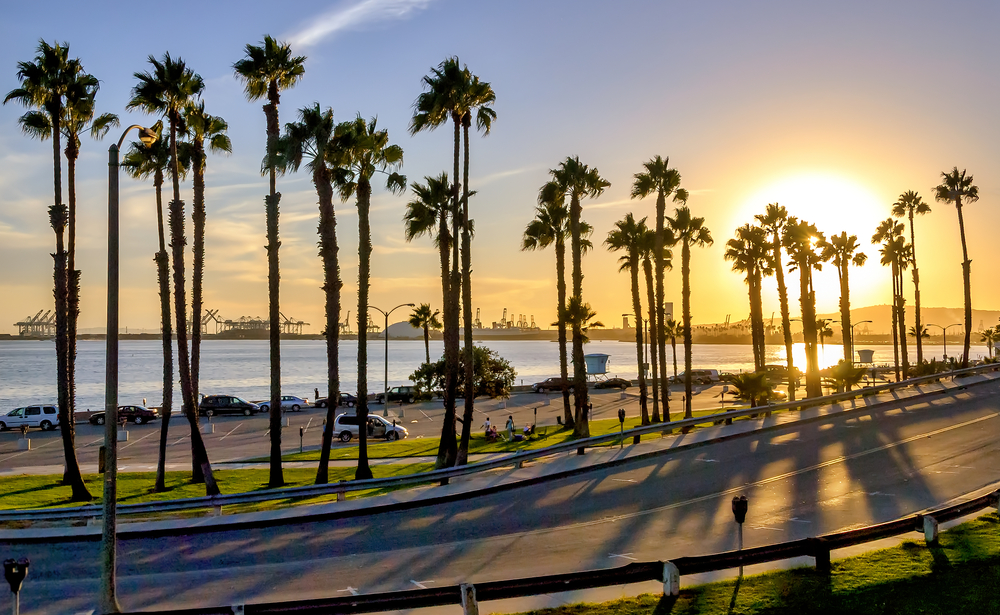
Long Beach benefits from one of California’s most enviable coastal Mediterranean climates, offering year-round mild temperatures that make outdoor living not just possible but genuinely enjoyable throughout all seasons. Summer days typically hover in the comfortable mid-70s to low-80s, significantly cooler than inland Los Angeles County areas that can reach triple digits.
The marine layer—that characteristic coastal fog—often blankets the city in the early morning before burning off to reveal sunny afternoons. This natural air conditioning means residents rely far less on energy-intensive cooling systems compared to their inland neighbors, a benefit that shows up in both utility bills and overall comfort.
Winters are equally mild, with daytime temperatures typically in the 60s and rarely dropping below the 50s at night. The city receives minimal rainfall, concentrated mostly between November and March, and even then, rainy days are relatively few. This consistent weather pattern supports an active, outdoor-oriented lifestyle where beach walks, bike rides, and al fresco dining are viable options essentially any day of the year.
The coastal breezes keep the air fresh and the temperatures moderate, though they can occasionally feel brisk on summer evenings. For those fleeing harsh winters or oppressive summer heat elsewhere, Long Beach’s climate alone can justify the higher cost of living.
Work, Economy & Practical Living

Job Market & Major Employers
Long Beach has a diverse economic base:
- Port of Long Beach (one of the busiest ports in the world)[11]
- Healthcare and education (CSULB[8], medical centers)
- Aerospace, logistics, manufacturing
- Tourism, hospitality, and city services
Many residents also commute to Los Angeles or Orange County for work.
Healthcare Access
Residents have access to multiple hospitals, urgent care centers, and specialty providers throughout Long Beach and the surrounding LA metro area.
Healthcare access is considered strong and convenient for most neighborhoods.
Taxes & California Realities
As part of California and Los Angeles County, Long Beach residents deal with:
- High state income taxes
- Sales tax rates near the top of California ranges
- Property taxes moderated by Proposition 13, but still significant due to high home values
These costs should be factored into any relocation budget.
Lifestyle Perks
Outdoor Recreation & Things to Do
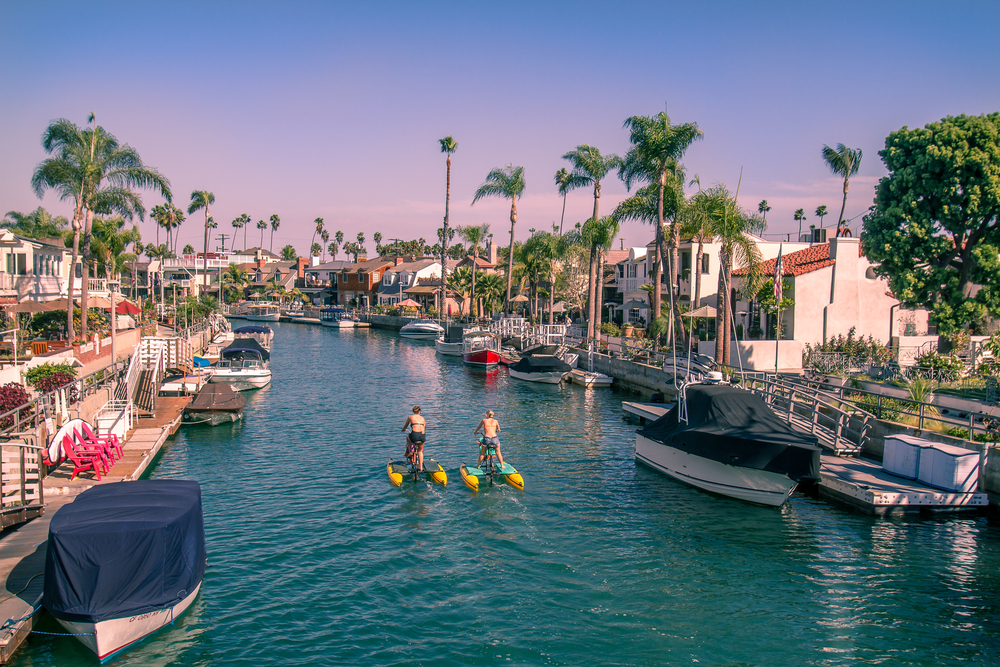
Long Beach’s greatest asset might be how seamlessly it integrates outdoor recreation into daily life. The beach itself is clean, accessible, and genuinely enjoyable—not just something residents drive past on their way to work. A network of bike paths connects much of the city, including the scenic beach path that stretches for miles along the coastline, perfect for morning runs, evening bike rides, or casual strolls.
The waterfront supports an active water sports community, with kayaking, paddleboarding, and sailing opportunities readily available through rental shops and clubs. Alamitos Bay and the marinas provide calmer waters ideal for beginners, while the open ocean beckons more experienced water enthusiasts.
Parks and green spaces are scattered throughout the city, from small neighborhood playgrounds to larger regional parks offering sports fields, picnic areas, and open space. The city’s relatively flat terrain and bike-friendly infrastructure make cycling a legitimate transportation option, not just recreation.
Long Beach’s location also serves as an excellent jumping-off point for exploring the broader region—you’re within easy reach of both Los Angeles attractions and Orange County beaches, hiking trails in the nearby hills, and even weekend trips to destinations like Catalina Island. For residents who prioritize an active, outdoor-oriented lifestyle, Long Beach delivers accessibility and variety that’s hard to match in other major urban areas.
Dining, Culture & Entertainment
Long Beach has cultivated a dining scene that punches well above its weight, offering everything from exceptional hole-in-the-wall ethnic restaurants to upscale waterfront establishments that rival anything in LA. The city’s diversity translates directly to its food culture—you’ll find authentic Cambodian cuisine, outstanding Mexican food, fresh seafood, farm-to-table California cooking, and innovative fusion concepts all within city limits. Second Street in Belmont Shore, Retro Row along Fourth Street, and downtown’s Pine Avenue each offer distinct dining and entertainment districts with their own character and appeal.
The arts and culture scene is thriving and accessible, with the Museum of Latin American Art, the Long Beach Museum of Art, and numerous galleries showcasing local and international artists. The Aquarium of the Pacific draws visitors from across the region and serves as a world-class educational resource. Live music venues range from intimate clubs to larger concert halls, and the city hosts numerous festivals throughout the year celebrating everything from jazz to LGBTQ+ pride to various cultural heritages.
The nightlife offers options without the intensity or pretension of Hollywood or West LA—you can find a craft cocktail bar, a dive bar, a dance club, or a quiet wine bar depending on your mood. For a city of its size, Long Beach provides remarkable cultural variety and entertainment options that keep residents engaged without requiring constant trips into Los Angeles.
Who Long Beach Is Best For (—And Not For)

Best for:
- People who want coastal living without full West LA pricing
- Professionals commuting within LA or OC
- Creative, active, and diverse communities
- Those who enjoy walkable neighborhoods and outdoor living
Less suited for:
- Buyers on very tight housing budgets
- People who want ultra-quiet suburban environments
- Those highly sensitive to urban density or traffic
Final Thoughts: Is Living in Long Beach Right for You?

Long Beach occupies a unique position in the Southern California landscape—it’s neither trying to be Los Angeles nor aspiring to the manicured perfection of Orange County’s coastal enclaves. Instead, it has carved out an identity that’s refreshingly authentic, blending working-class roots with creative energy, beach culture with urban amenities, and diversity with community. This is a real city where real people live real lives, not a curated lifestyle destination or an exclusive enclave. That authenticity is exactly what draws many residents and what keeps them here even as housing costs continue to climb.
The question of whether Long Beach is right for you ultimately comes down to what you value most in a home. If you’re seeking coastal living but refuse to sacrifice urban convenience, walkability, or cultural diversity, Long Beach deserves serious consideration. And if you want to be part of a community that feels genuinely diverse and creative rather than demographically homogeneous, you’ll find kindred spirits here.
If you appreciate neighborhoods with real character and history rather than master-planned developments, Long Beach offers that in abundance. The city rewards those who take time to explore, to find their neighborhood fit, and to engage with the community.
However, Long Beach isn’t for everyone. If you’re operating on a truly tight budget, the reality is that coastal California—even at its “most affordable”—remains expensive by national standards.
For perfect quiet and zero urban issues, you’ll find some of that here but not everywhere. If you absolutely cannot tolerate any traffic or the occasional inconveniences of city living, you might be happier in a smaller coastal town. But if you can accept these tradeoffs in exchange for what Long Beach offers—ocean access, urban energy, diverse culture, and a more grounded cost of living than comparable coastal cities—you might just find that this city delivers exactly what you’re looking for in a Southern California home.
Sources
- U.S. Census Bureau. (2023). Long Beach city, California Population. Data USA. https://datausa.io/profile/geo/long-beach-ca
- U.S. Census Bureau. (2023). Median Household Income, Long Beach, CA. Data USA. https://datausa.io/profile/geo/long-beach-ca
- Redfin. (2025). Long Beach Housing Market. https://www.redfin.com/city/10940/CA/Long-Beach/housing-market
- Zillow. (2025). Long Beach CA Home Prices & Home Values. https://www.zillow.com/home-values/46298/long-beach-ca/
- Zillow Rental Manager. (2025). Average Rental Price in Long Beach, CA. https://www.zillow.com/rental-manager/market-trends/long-beach-ca/
- RentCafe. (2025). Average Rent in Long Beach, CA: 2025 Rent Prices by Neighborhood. https://www.rentcafe.com/average-rent-market-trends/us/ca/long-beach/
- U.S. Census Bureau. (2023). Mean Travel Time to Work, Long Beach, CA. Data USA. https://datausa.io/profile/geo/long-beach-ca
- California State University, Long Beach. (2025). About CSULB. https://www.csulb.edu/
- NeighborhoodScout. (2025). Long Beach, CA Crime Rates and Statistics. https://www.neighborhoodscout.com/ca/long-beach/crime
- CrimeGrade. (2025). The Safest and Most Dangerous Places in Long Beach, CA. https://crimegrade.org/safest-places-in-long-beach-ca/
- Port of Long Beach. (2025). About the Port. https://polb.com/
Disclaimer
This article has been thoroughly researched and is intended to provide general information and insights related to real estate and utility management. It is for informational and entertainment purposes only and should not be considered professional, financial, or legal advice. Individual circumstances vary, and readers are encouraged to consult with a qualified professional before making decisions regarding home purchases, utility management, or other financial matters.