Last updated: March 8, 2026
So you’ve decided to sell your home? Before you go running and smacking down a “For Sale” sign into your front lawn, let’s talk about something that could put extra money in your pocket – home staging.
Home staging works on the same principle as dressing well for a job interview. First impressions matter, and in today’s competitive market, buyers make up their minds within seconds of walking through your front door.
Studies show that properly staged homes not only sell faster but also sell for more money. According to the National Association of Realtors, staged homes often sell for 1% to 10% more than non-staged homes. Staged homes also tend to attract more offers, which puts you in a stronger negotiating position.
You don’t need a big budget to make your home more appealing to buyers. With a few strategic tweaks, you can highlight its best features, minimize distractions, and create an inviting space that buyers can see themselves living in. The goal is to make your home irresistible – a place where buyers walk in and instantly feel, “This is the one!”
So, if you want to sell faster and for top dollar, here are eight home staging tips that can make all the difference.
Quick Facts: Home Staging
- Average ROI of staging: Staged homes sell for 5% to 23% more than non-staged homes (source: Real Estate Staging Association, 2024)
- Time on market: Staged homes sell 73% faster on average compared to non-staged properties (source: RESA)
- Average staging cost: $1,500 to $4,000 for a typical home; occupied staging consultations start around $300 to $600 (source: HomeAdvisor, 2025)
- Top rooms to stage: Living room (91%), primary bedroom (83%), and kitchen (68%) are the three rooms that benefit most (source: NAR 2025 Profile of Home Staging)
- Buyer behavior: 81% of buyers’ agents say staging makes it easier for buyers to visualize the property as their future home (source: NAR)
1. Declutter and Depersonalize
Let’s be real – nobody wants to see your collection of ceramic cats or a fridge covered in vacation magnets from the last ten years. While those things might hold sentimental value for you, to potential buyers, they’re just visual clutter that makes it harder for them to picture themselves living in your home. The goal here is to create a blank canvas, where buyers can imagine their own lives unfolding – not feel like they’ve just stepped into someone else’s.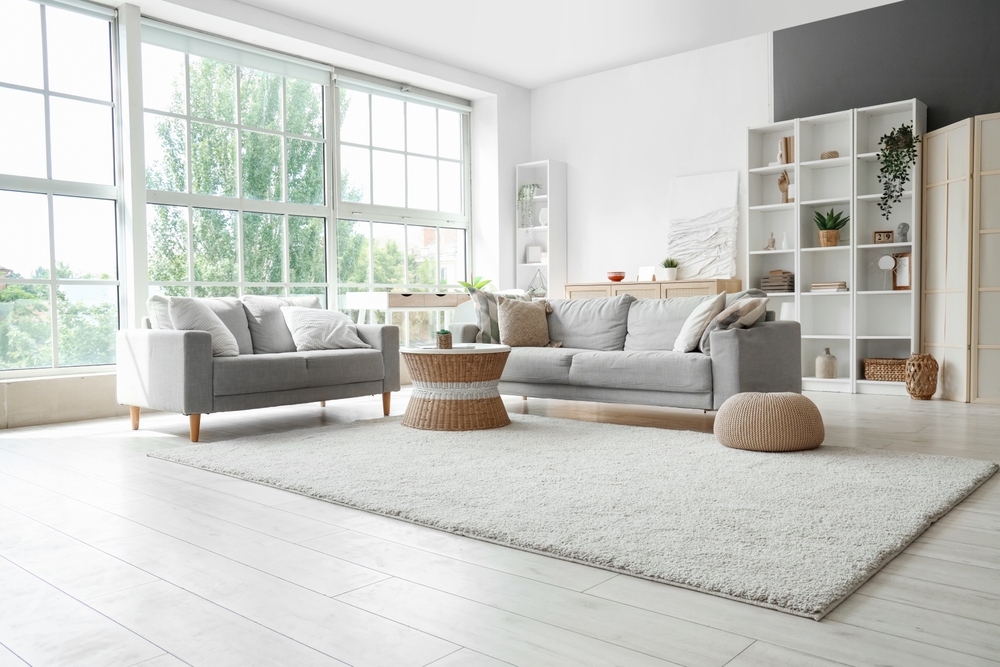
Start with Decluttering
Take a step back and assess every room with fresh eyes. If something doesn’t serve a purpose or add to the space, pack it up. That means:
✔ Removing excess furniture that makes rooms feel cramped.
✔ Taking down personal photos and memorabilia.
✔ Packing away collectibles, knick-knacks, and anything too taste-specific.
Clutter doesn’t just distract – it makes rooms feel smaller, darker, and more chaotic. You want buyers to walk in and experience a sense of space and flow, not be overwhelmed by personal belongings. If you don’t have enough storage at home, consider renting a small storage unit for the duration of your home sale. It’s a worthwhile investment that keeps your home looking clean, open, and appealing.
Create Clean, Minimal Surfaces
Even the little things can make a big difference. Kitchen countertops, bookshelves, coffee tables, and bathroom vanities should all be cleared of everyday clutter. That means:✔ No piles of mail or keys on the kitchen counter.
✔ No overflowing bookshelves or excessive decorations.
✔ No half-used toiletries or random personal items in the bathroom.
Instead, keep surfaces clean and intentional. A few well-placed decorative items – like a vase with fresh flowers, a stylish coffee table book, or a neatly folded stack of towels – can enhance the space without overwhelming it. Remember, in staging, less is more.
By decluttering and depersonalizing, you’re not just tidying up – you’re creating an inviting, universally appealing home that lets buyers focus on what really matters: the space itself.
2. Deep Clean Every Nook and Cranny
You might not notice the dust under your couch or the fingerprints on your fridge, but buyers will. A spotless home signals to buyers that the property has been well maintained. That confidence translates directly into stronger offers.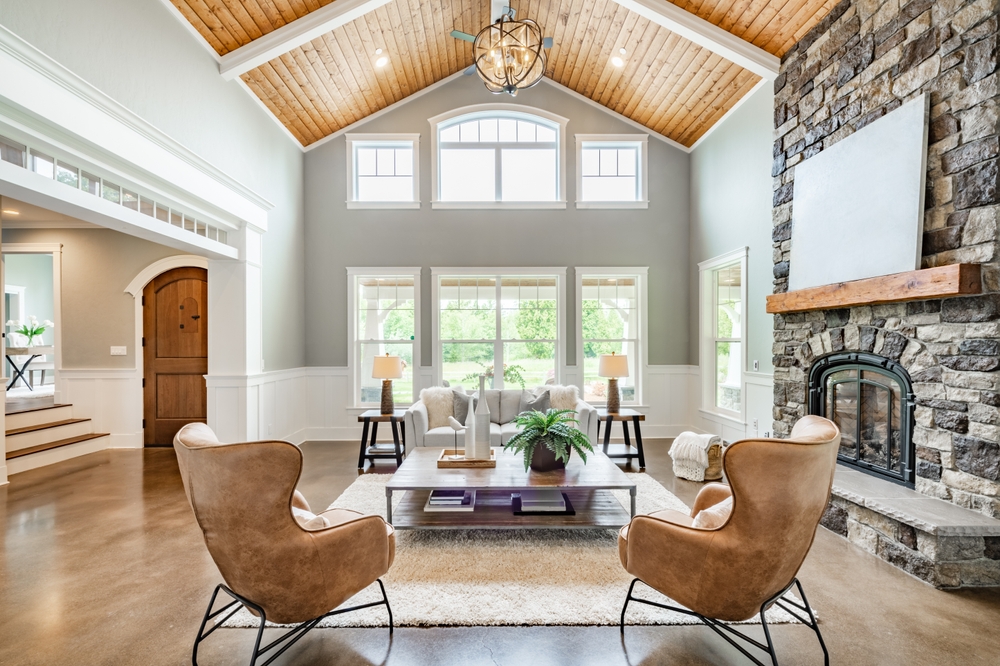
Go Beyond Your Typical Weekly Cleaning
This isn’t just your average Saturday morning tidy-up. Now is the time for a top-to-bottom deep clean. That means:
✔ Wipe down baseboards, walls, and light switches (you’d be surprised how much grime builds up!).
✔ Scrub bathrooms until they shine – no water spots, mold, or soap scum in sight.
✔ Shampoo carpets and mop floors to eliminate stains and odors.
✔ Polish windows and mirrors to maximize brightness and reflect more light.
✔ Clean light fixtures and ceiling fans, because yes, buyers will notice the dust.
And don’t forget the kitchen and appliances – buyers love to peek inside ovens, refrigerators, and even dishwashers. A sparkling-clean kitchen can go a long way in making them feel like they’re stepping into a well-maintained, move-in-ready home.
Eliminate Odors (Especially If You Have Pets!)
If you have pets, you’ve probably gone nose-blind to their everyday smells – but buyers won’t be. The last thing you want is for a potential buyer to walk in and immediately be greeted by the unmistakable scent of “wet dog” or lingering litter box odors.
Here’s how to keep your home smelling fresh:
✔ Open windows for natural ventilation before showings.
✔ Use baking soda on carpets to absorb odors before vacuuming.
✔ Wash all pet beds, blankets, and fabric furniture covers.
✔ Consider an odor-neutralizing air purifier to remove stubborn pet smells.
Consider Hiring a Professional Cleaning Service
If this all sounds overwhelming (deep cleaning an entire house takes serious time and effort), it might be worth hiring a professional cleaning service. A deep-cleaning session costs anywhere from $200 to $500, but the investment is worth it when buyers walk in and say, “Wow, this place feels brand new!”
A spotless home not only looks better – it reassures buyers that they’re making the right choice. Whether you do it yourself or hire a service, a thorough cleaning is one of the highest-ROI staging investments you’ll make.
3. Light it Up!
Buyers consistently rank bright, airy spaces at the top of their wish lists. Dark rooms feel cramped and uninviting. Well-lit spaces feel larger and more welcoming. Good lighting transforms a room, making it feel more spacious and modern. 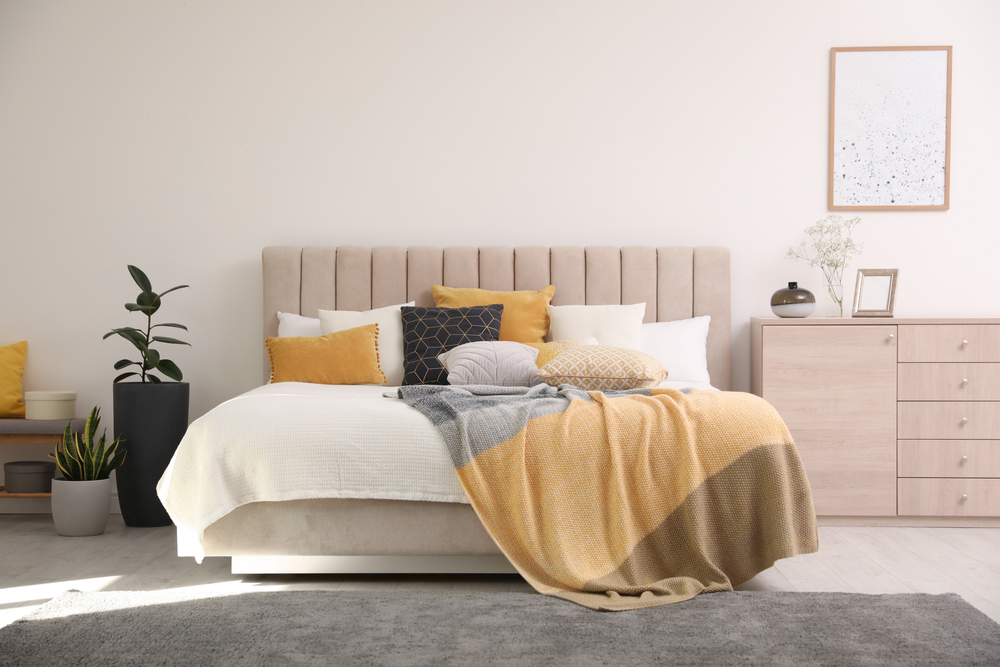
Maximize Natural Light
Natural sunlight streaming into a room instantly warms up the space and makes it feel more inviting. But you’d be surprised how many sellers unintentionally block out natural light without even realizing it. Here’s how to let the sunshine in:
✔ Pull back heavy curtains or replace them with sheer drapes to allow in more daylight.
✔ Open blinds and shades before every showing to create a bright, open feel.
✔ Clean windows inside and out to remove dirt, dust, and streaks – dirty windows can dull the light.
If privacy is a concern but you still want maximum light flow, consider using frosted window film on select windows instead of heavy curtains. This lets in natural light while keeping prying eyes out.
Fix Dark or Dimly Lit Areas
Not every home is blessed with floor-to-ceiling windows, and that’s okay – strategic lighting can work wonders. If a room feels dark, add lamps or install brighter bulbs to create a warm and welcoming atmosphere.
✔ Swap out old, yellowish bulbs for bright white LED bulbs – they instantly make a space feel cleaner and more modern.
✔ Consider using floor lamps or table lamps in dim corners to eliminate shadows and brighten up the space.
✔ Under-cabinet lighting in the kitchen can make a big impact, highlighting workspaces and making the kitchen feel high-end.
A simple bulb upgrade can be one of the cheapest, yet most dramatic improvements you can make to your home’s staging.
Use Mirrors to Enhance Light and Space
Mirrors aren’t just for checking your outfit before you leave – they can actually make a room feel bigger and brighter. A well-placed mirror can bounce light around the room, giving the illusion of a larger, more open space.
✔ Position a mirror across from a window to reflect natural light and double its impact.
✔ Use a large mirror in small rooms, like an entryway or a narrow hallway, to create the illusion of more space.
✔ In the living room or dining area, a stylish mirror can act as both functional decor and a way to brighten the room.
Lighting is one of those details that buyers may not even consciously notice, but they will feel it – and that feeling can mean the difference between an offer and a pass. So let the light shine in, brighten up those dark corners, and make your home feel as spacious and inviting as possible.
4. Neutralize Your Color Palette
Your deep red accent wall may be your pride and joy, but not everyone shares your taste. Bold or dark colors can be visually overwhelming, and buyers might struggle to picture how their own furniture and decor would fit in. The goal is to create a space that feels open, fresh, and easy to personalize, which is why neutral, light-colored walls are the way to go.
If your home features bold colors like deep blues, bright yellows, or rich reds, it’s worth considering a fresh coat of paint in softer, more universally appealing shades. Soft grays, warm whites, and light beiges are great options because they create a blank slate that allows buyers to imagine their own style taking shape. These colors also reflect more natural light, making rooms feel bigger and more inviting.
Repainting may seem like a hassle, but it’s one of the most cost-effective updates you can make before selling. A fresh coat of neutral paint not only modernizes a space but also helps buyers see the full potential of the home without distractions.
A neutral palette lets buyers focus on the space itself rather than your color choices.
5. Boost Your Curb Appeal
First impressions happen before a buyer even steps through the front door. In fact, a study by the National Association of Realtors found that the majority of homebuyers will view a property online before visiting in person – and if the exterior looks neglected, they may just keep on driving. No amount of high-end kitchen upgrades or spa-like bathrooms will matter if your curb appeal screams “Run while you still can!”
You don’t need a professional landscaper or thousands of dollars to make a great first impression. Small, affordable upgrades can have a huge impact on how buyers perceive your home.
Simple Ways to Boost Curb Appeal:
✔ Paint the front door a fresh, inviting color. A bold yet classy shade – like navy blue, deep red, or even a sophisticated black – can make your entrance pop. According to a Zillow study, homes with black or charcoal-colored front doors sold for an average of $6,000 more than expected. Not bad for a $30 can of paint. 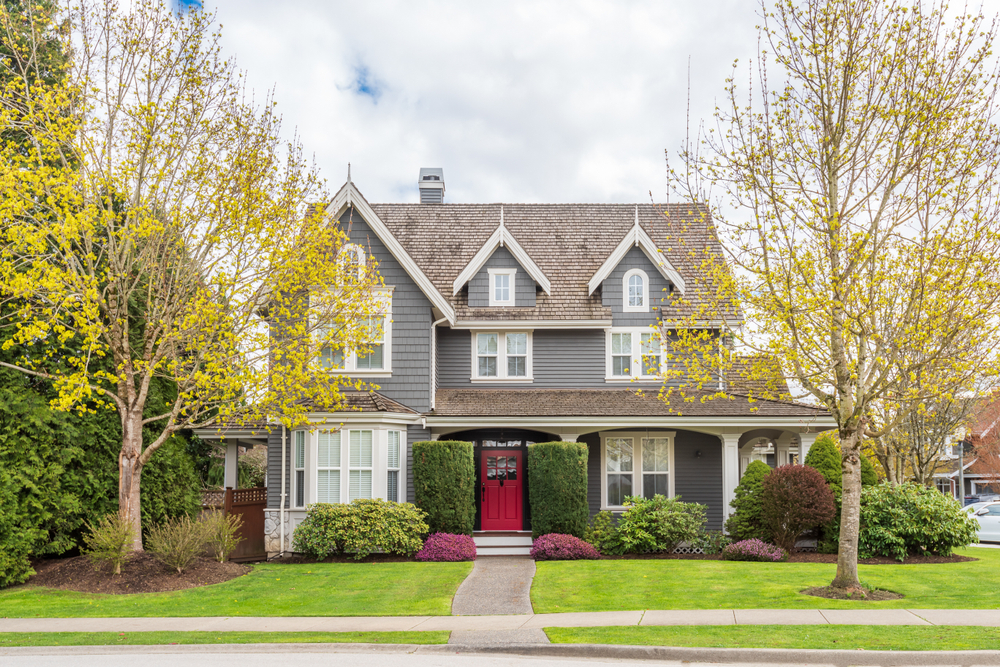
✔ Add potted plants or seasonal flowers near the entrance. A few strategically placed planters with colorful flowers or lush greenery instantly make a home feel warm and inviting. Bonus points if you add symmetrical arrangements – our brains love balance, and so do buyers.
✔ Keep the lawn trimmed and remove any dead plants or weeds. Overgrown grass, weeds, and dried-up flower beds make a home look like it’s been abandoned. A tidy yard shows buyers that the home has been well-maintained and is move-in ready.
✔ Replace old house numbers or update outdoor lighting. Faded, outdated house numbers and rusty light fixtures may not seem like a big deal, but these small details add up. Modern, easy-to-read numbers and sleek outdoor lighting can make your home look polished and well cared for.
Curb Appeal Psychology: Why It Matters
Curb appeal isn’t just about looking good – it’s about creating an emotional connection with buyers. Studies show that buyers form an opinion about a home within the first 7-10 seconds of seeing it. That means by the time they step onto your porch, they’ve already decided whether they’re excited to see what’s inside or mentally lowering their offer.
A welcoming, well-kept exterior puts buyers in a positive mindset before they even step inside. A neglected exterior, on the other hand, primes buyers to look for problems everywhere else.
You want buyers to feel good about your home from the moment they pull up to the curb. A little effort on curb appeal can increase perceived value, attract more interest, and even lead to higher offers. A small investment in curb appeal pays off in buyer confidence and stronger offers.
6. Highlight Your Home’s Best Features
Every home has a standout feature. Maybe it’s a stunning fireplace, towering ceilings, or beautiful hardwood floors. The key is to draw attention to these assets rather than let them fade into the background.
Think about it like this: If you’re selling a sports car, you wouldn’t park it in a dimly lit garage with a tarp over it. You’d shine it up, park it in the sun, and let people admire its sleek lines and roaring engine. Your home deserves the same kind of treatment – buyers should instantly notice what makes it great.
How to Showcase Your Home’s Best Features:
✔ Fireplace? Make it a focal point. Instead of letting it blend in, dress up the mantle with stylish decor – think elegant candles, a simple mirror, or a piece of tasteful artwork. Avoid clutter, though; the goal is to enhance the fireplace, not overwhelm it.
✔ Large windows? Let the light in. Natural light is one of the most sought-after features in a home. If you have gorgeous windows, ditch the heavy drapes and opt for sheer curtains or even no curtains at all. Clean the glass until it sparkles and let that sunshine flood the space. Bonus: Bright rooms feel bigger and more inviting. 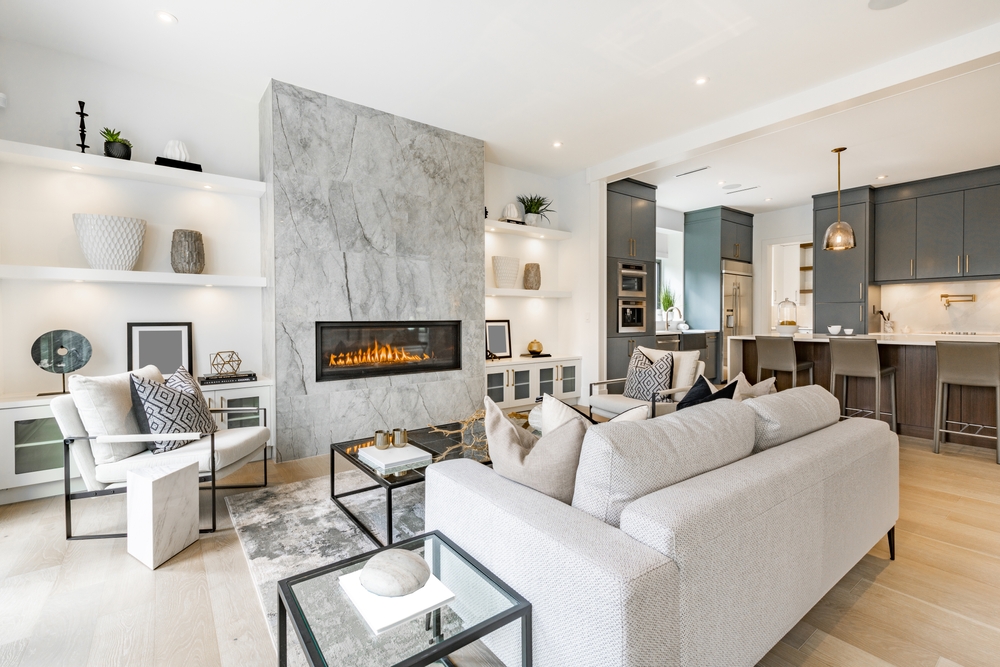
✔ Open floor plan? Make the layout work for you. Arrange furniture to enhance the flow of the space rather than block it. If you have a spacious living area, avoid pushing furniture up against the walls – it actually makes the room feel smaller. Instead, create cozy conversation areas that highlight the openness of the layout.
✔ Hardwood floors? Show them off. If your home has beautiful wood floors, don’t hide them under oversized rugs. Give them a good polish and let buyers admire their natural beauty. Hardwood floors are a huge selling point, and buyers love seeing them in pristine condition.
✔ Built-ins or architectural details? Accentuate them. If your home has built-in bookshelves, elegant crown molding, or a charming bay window, make sure they stand out. Use subtle decor to enhance, not distract – a few well-placed books or a cozy window seat can make all the difference.
The Power of Small Tweaks
These simple changes can dramatically affect how buyers perceive your home’s value. The more they notice and appreciate the standout features, the more they’ll feel like they’re getting something special.
Buyers tour many homes with similar square footage, bedroom counts, and layouts. If they remember your home for a standout fireplace, beautiful windows, or inviting floor plan, that memory drives their decision when it’s time to make an offer.
So take a step back, look at your home through a buyer’s eyes, and make sure those unique features steal the show.
7. Accessorize Smartly (But Don’t Overdo It!)
Your almost there… Just a couple more points to this staging article! Once you’ve decluttered and deep-cleaned, it’s time for the finishing touches – the little details that make a home feel warm, stylish, and inviting. Think of it like stepping into a well-designed hotel lobby – everything looks effortlessly chic, welcoming, and curated to perfection. That’s exactly the vibe you want buyers to experience the moment they walk in.
The right accessories can elevate your home’s appearance, making it feel more luxurious and move-in ready. But the key here is balance – you want just the right amount of decor to create a cozy, polished look without overwhelming the space.
Small, Strategic Touches That Make a Big Impact
✔ Fresh flowers or a bowl of lemons in the kitchen. A simple vase of fresh flowers on the dining table or a bowl of bright lemons on the kitchen counter adds a pop of color and freshness without feeling overdone. Bonus: Citrus is known for giving off a naturally pleasant scent, which can make your home feel even more inviting. 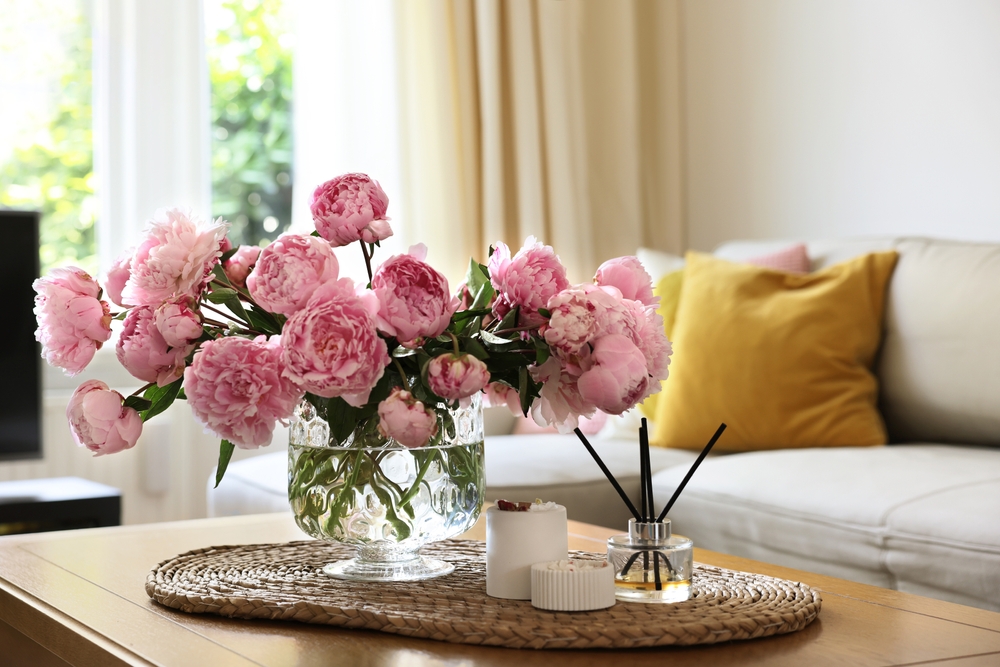
✔ Fluffy white towels in the bathroom. There’s a reason luxury hotels always have crisp, white towels – they instantly make a bathroom feel clean and spa-like. Swap out old, mismatched towels for a set of plush, neatly folded white ones. If you want to take it up a notch, add a small tray with rolled hand towels, a stylish soap dispenser, and a few scented candles.
✔ Throw pillows and blankets in soft, neutral tones. Whether it’s the living room or a bedroom, a few well-placed throw pillows and a cozy blanket draped over a chair or sofa can make a space feel more inviting. Stick with neutral tones and soft textures to create a look that’s universally appealing.
✔ Minimal but meaningful artwork. If your walls are bare, consider adding a few simple, tasteful pieces of artwork – think abstract paintings, nature prints, or neutral-toned framed photographs. Just avoid anything too personal, like family portraits or overly bold statement pieces that might not match every buyer’s taste.
✔ Mirrors to enhance space and light. As mentioned earlier, mirrors are a great way to make rooms feel larger and brighter. A well-placed mirror in an entryway or above a console table can reflect light and create depth, making the space feel more open.
✔ Books and decorative accents on coffee tables or shelves. A few stylish coffee table books, a small sculpture, or a decorative bowl can add personality to a space without cluttering it. Aim for an intentional, magazine-worthy arrangement rather than just placing random objects everywhere.
Avoid the “HomeGoods Explosion” Look
This is a tricky one and easy to slip into! While accessorizing is important, it’s very easy to go overboard. Over-accessorizing can make a home feel too busy, too personal, or even smaller. The last thing you want is for buyers to feel like they’ve stepped into a crowded showroom instead of a welcoming home.
✔ Stick to a few statement pieces per room. Don’t feel the need to fill every shelf or surface with decor – empty space is actually a good thing.
✔ Follow the “rule of threes” – group small decorative items in odd numbers (like three candles or three books) for a more natural, balanced look.
✔ Keep color schemes neutral and harmonious to avoid clashing styles.
The goal is to enhance the space, not overwhelm it. You want buyers to focus on the home itself – not get distracted by an over-the-top staging attempt.
By adding just the right amount of thoughtful decor, you can create a home that feels sophisticated, cozy, and move-in ready – and that’s exactly what will leave a lasting impression on buyers.
8. Keep It Fresh and Inviting
Have you ever attended a open house and notice the smell? I encourage you to spend a couple hours one Saturday and explore some open houses in your neighborhood and make note to the smell as you walk into the home. Smell is one of the most underrated but powerful aspects of home staging. Scent plays a bigger role in buyer perception than most sellers realize. A house that smells clean and fresh instantly feels more welcoming and well-maintained, while unpleasant odors can turn buyers off before they even take a second look.
The challenge is that you’ve grown nose-blind to your own home’s smells. Buyers pick up on them right away.
How to Make Sure Your Home Smells Amazing (In a Good Way!)
✔ Open windows before showings. Fresh air is the best air freshener. Even just 15–20 minutes of airing out your home can get rid of stuffy, stale odors and leave it feeling crisp and inviting.
✔ Light a subtly scented candle. Stick with light, neutral scents like vanilla, fresh linen, or citrus – these create a welcoming atmosphere without being overpowering. Avoid anything too strong, like heavy florals or musky perfumes, which might not appeal to everyone.
✔ Bake cookies or brew fresh coffee. Yes, it’s a classic trick, but it works! The smell of warm cookies or freshly brewed coffee triggers positive emotions and makes buyers feel at home. If baking isn’t your thing, placing a bowl of fresh apples or citrus on the counter can also add a subtle, natural freshness.
✔ Use real plants or fresh flowers. Not only do they look great, but they also add a gentle, natural fragrance to the home. Lavender, eucalyptus, and fresh-cut roses can subtly enhance the atmosphere.
What to Avoid
🚫 Strong artificial air fresheners. Overpowering room sprays or plug-in deodorizers can feel unnatural and even make buyers wonder if you’re trying to cover up something worse – like mold, pet odors, or smoke damage.
🚫 Overuse of cleaning products. A home that smells like bleach or strong disinfectants might seem clean, but it can also be off-putting. Aim for fresh, not sterile.
🚫 Lingering food smells. Last night’s takeout, fried foods, or spicy dishes can linger longer than you think. If you’ve cooked something particularly pungent, open the windows and use a simmer pot (boiling water with citrus slices and cinnamon) to neutralize odors.
🚫 Pet odors. You love your furry friends, but buyers might not. If you have pets, deep clean carpets, furniture, and pet bedding before showings. Also, make sure litter boxes and pet food areas are spotless.
Why It Matters
Studies have shown that scent has a direct impact on memory and emotions – which means the right fragrance can make buyers subconsciously associate your home with positive feelings. A fresh, subtly scented home feels warm, inviting, and well cared for – which can make all the difference in whether a buyer puts in an offer or keeps looking.
Bottom line? A home that smells fresh feels move-in ready, and that’s exactly what buyers want.
So… thats it
Staging your home doesn’t have to be complicated or expensive, but it does require effort. The good news? Even small changes can lead to big payoffs when it comes to selling price.
At the end of the day, buyers want a home that feels move-in ready – a place where they can instantly imagine themselves living. And by following these eight home staging tips, you’re giving them exactly that.
Put these staging strategies to work, and you’ll be in a strong position when offers start coming in.