If you’ve spent any time around real estate, you’ve heard it before: cash is king. Sellers get excited about it. Listing agents highlight it. Buyers try to compete with it. But once you move past the headline, the real question becomes more practical: What is a cash offer actually worth in a real transaction?
Many buyers assume a cash offer guarantees a winning bid. Many sellers assume it always beats a financed offer. Both assumptions miss important details. Price, timing, risk, and contract structure all shape how powerful a cash offer really is.
Understanding how a cash offer is evaluated gives you leverage, whether you are buying, selling, or investing. When you know how sellers weigh certainty versus price, and speed versus terms, you can structure smarter offers and make better decisions at the negotiation table.
What a Cash Offer Means in Real Estate
A cash offer means the buyer is purchasing the property without using a mortgage loan. There is no lender underwriting the deal and no bank funding the purchase. The buyer brings the full purchase amount to closing from available funds.
This does not always mean physical cash. Funds are typically transferred by wire, but the term cash offer signals that financing is not part of the transaction. That distinction matters because removing the lender removes several layers of uncertainty.
With a cash offer, there is no loan approval risk, no lender-required appraisal, and fewer underwriting conditions. From a seller’s perspective, that reduces the number of points where a deal can fail.
Why Sellers Value a Cash Offer
Sellers value a cash offer mainly because of certainty. Financed deals fall apart more often than people expect. Loan denials, appraisal gaps, and last-minute underwriting issues can all derail a contract.
A cash offer reduces those failure points. Fewer third parties are involved, and fewer approvals are required. That simplicity increases the probability that the deal will reach closing.
Speed is another factor. A cash offer can often close faster because there is no lender timeline to satisfy. For sellers who need to relocate quickly or access their equity, a faster closing carries real value.
How Much More is a Cash Offer Worth
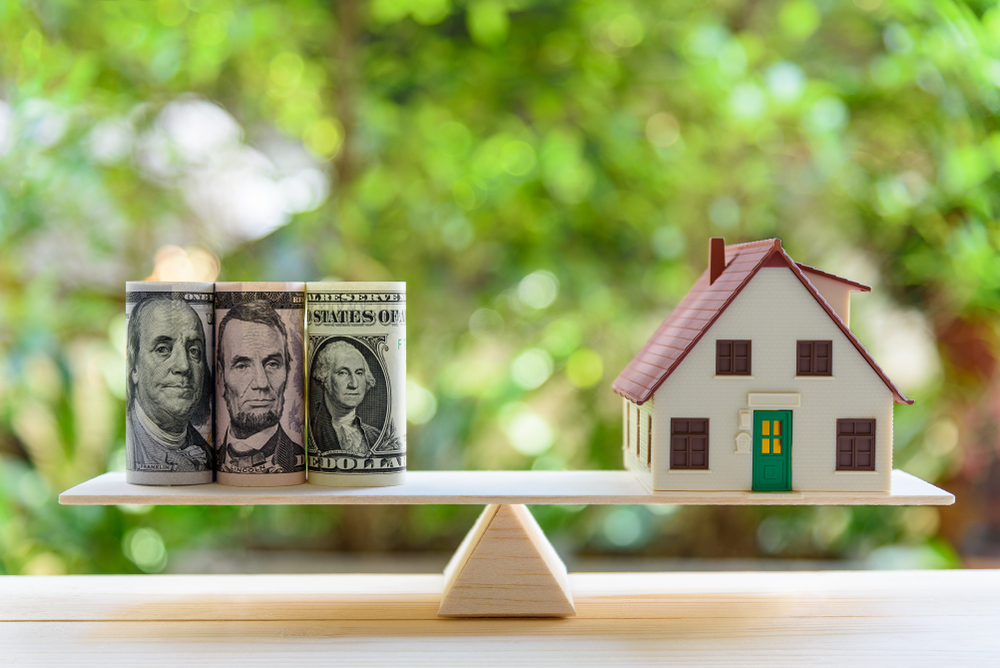
A cash offer is not automatically worth more than every financed offer. Value depends on context. In many markets, sellers may accept a slightly lower cash offer in exchange for higher certainty and faster closing.
That difference is often measured as a risk discount. Some sellers view a cash offer as being equivalent to a financed offer that is several percentage points higher in price. The exact spread varies by market conditions and seller priorities.
In slower markets, the gap narrows. When listings sit longer and buyer activity drops, sellers may focus more on price than structure. In those cases, a higher financed offer may beat a lower cash offer.
Who Benefits Most from a Cash Offer
Investors benefit strongly from using a cash offer, especially when targeting distressed or fixer-upper properties. Some homes do not qualify for traditional financing due to condition issues, making cash the cleanest path to purchase.
Sellers benefit when they need reliability and speed. Estate sales, relocation moves, and time-sensitive situations often favor a cash offer because of the reduced timeline and lower fallout risk.
Retail buyers can benefit too, particularly in competitive markets. A well-structured cash offer can win bidding situations without requiring the highest price on the table.
Risks and Tradeoffs in a Cash Offer

Buyers using a cash offer sometimes remove contingencies to stay competitive. That includes inspection or appraisal protections. Skipping these safeguards increases risk if the property has hidden issues.
Liquidity is another concern. Using a cash offer ties up a large amount of capital in a single asset. That can limit reserves for repairs, emergencies, or other investments.
There is also opportunity cost. If mortgage rates are reasonable and funds could earn higher returns elsewhere, paying all cash may not be the strongest long-term financial move. The math should always be reviewed, not assumed.
How Sellers Compare Cash Offers vs Financed Offers
When sellers review offers, they rarely look at price alone. They compare the full structure of each offer. A cash offer is weighed against financed offers based on certainty, contingencies, timeline, and buyer strength.
A financed offer with strong pre-approval, a large down payment, and limited contingencies can compete closely with a cash offer. Documentation and lender reputation can narrow the perceived risk gap.
From experience, the winning offer is often the one that balances price and reliability. A clean financed offer can beat a weak cash offer that lacks proof of funds or clear terms.
Using a Cash Offer as a Negotiation Tool

A cash offer works best when used intentionally. Buyers can leverage it to request better pricing, flexible closing dates, or reduced seller concessions.
Sellers can also use the presence of a cash offer to strengthen their negotiating position with other buyers. Competing parties may improve their terms when they know a cash offer is on the table.
The strongest outcomes happen when both sides treat a cash offer as one factor in a broader strategy, not a magic solution that overrides every other term.
Putting Cash Strength in Proper Perspective
The real power of a cash offer comes from reduced uncertainty, not just faster funding. Certainty, speed, and simplicity carry weight, but they are not absolute.
Smart buyers and sellers evaluate the full picture. Price, contingencies, timing, and financial strength all interact. A cash offer is powerful, but it is not automatic.
Clear analysis and professional guidance turn a cash offer from a buzzword into a strategic advantage.
Frequently Asked Questions About Cash Offer
Is a cash offer always better for a seller?
Not always. A higher-priced, well-qualified financed offer can be better depending on terms, contingencies, and market conditions.
Do cash offers close faster?
Yes, in most cases, a cash offer can close faster because there is no lender underwriting or loan approval timeline.
Do cash buyers still need inspections?
Yes. Even with a cash offer, inspections are strongly recommended to identify property condition issues.
Can a seller reject a cash offer?
Yes. Sellers can reject any offer if the price or terms do not meet their goals.
Do cash offers require proof of funds?
Yes. Sellers typically require documentation showing the buyer has sufficient funds to complete the purchase.