Mortgage rates have fallen to levels not seen in three years, yet home sales recently slipped to a 16-month low. That combination signals a market that is changing direction rather than stalling. Buyers are adjusting financing plans, sellers are reevaluating expectations, and new construction is becoming more competitive on price.
These shifts are reshaping how transactions unfold across the country. The coming months will test how buyer strategy responds to lower borrowing costs, steady inflation, and evolving inventory trends. Understanding how these forces interact can help buyers, sellers, and investors make more confident decisions in the months ahead.
Mortgage Rates Are Falling and Buyer Strategy Is Changing
The average 30-year fixed mortgage recently dropped to about 6.09 percent, while the 15-year fixed sits near 5.44 percent. One year ago, rates were close to 7 percent. That shift matters. On a $400,000 home with 10 percent down, the difference translates to roughly $200 per month in savings compared to last year.
Lower monthly payments increase purchasing power. More buyers can qualify for loans and more homeowners consider moving. However, affordability does not improve overnight. High home prices still challenge many households. This is where buyer strategy begins to change.
Buyers are no longer waiting for perfect conditions. Instead, they are adjusting timelines and financing plans. Stable rates over several weeks also build confidence. When rates fluctuate sharply, hesitation increases. Stability encourages action.
From a practical standpoint, buyer strategy now includes closer collaboration with lenders. Conversations about rate forecasts, payment scenarios, and loan structure happen earlier in the process than in previous years.
Record Prices Are Reshaping Buyer Strategy
Despite improving mortgage rates, the median existing-home price recently reached $396,800 nationwide. That record level explains why affordability remains a challenge even as borrowing costs ease. Buyers face a reality where monthly payments remain high due to both price and interest.
This environment pushes buyer strategy toward creativity and flexibility. Instead of focusing only on price negotiations, buyers now examine the entire financial structure of a purchase. That includes interest rates, seller concessions, and long-term refinancing plans.
First-time buyers feel the pressure most. Many must balance rising rents, student loans, and higher living costs while trying to save for a down payment. These challenges make buyer strategy more complex and more intentional.
Over the past year, I’ve noticed buyers becoming far more informed about financing before touring homes. This shift reduces uncertainty and speeds up decision-making once the right property appears.
Alternative Loans Are Becoming Part of Buyer Strategy

Adjustable-rate mortgages are gaining attention again. These loans start with lower introductory rates, often about one percentage point below fixed-rate loans. Recently, adjustable-rate mortgages accounted for about 8 percent of purchase applications, the highest level in several weeks.
Seller rate buy-downs are also becoming common. In this arrangement, sellers contribute funds to reduce the buyer’s interest rate during the first few years of the loan. This lowers monthly payments during the most expensive phase of homeownership.
FHA loans are another growing piece of buyer strategy. These loans allow down payments as low as 3.5 percent and often carry slightly lower interest rates. Buyers with higher debt-to-income ratios or less established credit find these loans particularly helpful.
The key takeaway is simple. Financing strategy is now part of negotiation strategy. Buyers are not just negotiating price. They are negotiating the structure of the deal itself.
Why Home Sales Slowed Even as Buyer Strategy Improved
Existing-home sales recently fell to a 16-month low. Winter weather contributed to slower activity, but weather alone does not explain the trend. Housing data tends to reflect past decisions rather than current sentiment.
At the same time, economic indicators improved. Inflation dropped to 2.4 percent and core inflation reached its lowest level since 2021. The job market added 130,000 jobs and wages increased 3.7 percent year over year.
These signals suggest stability rather than weakness. When the broader economy steadies, buyer strategy becomes easier to execute. Buyers feel more confident committing to long-term financial decisions.
In real estate, timing gaps often occur between economic improvements and housing activity. Sales data may look soft today while buyer interest quietly builds for future months.
New Construction Price Cuts Are Influencing Buyer Strategy
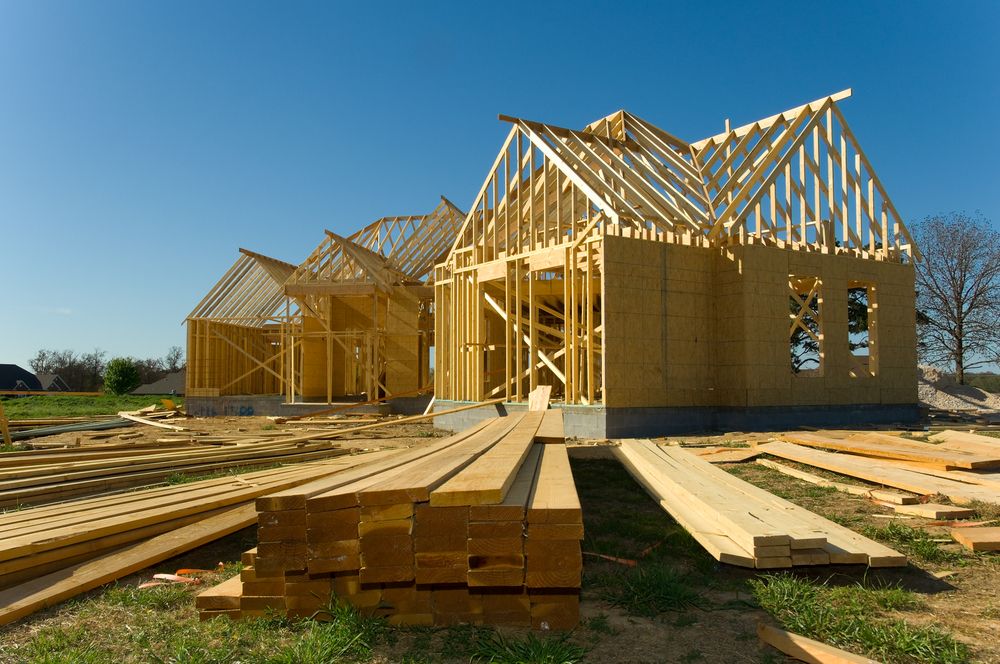
New listings improved slightly but still lag last year. Many sellers delayed listing homes during winter months, limiting inventory growth. At the same time, builders increased competition.
Nearly one in five new homes recently experienced price cuts. Builders are adjusting pricing and incentives to keep sales moving. This introduces new opportunities for buyers.
For many households, new construction now offers stronger negotiating power than resale homes. Incentives may include closing cost assistance, upgrades, or rate buy-down programs.
This environment encourages buyer strategy that compares resale and new construction options side by side. In many markets, the better deal may come from builders rather than traditional sellers.
Regional Trends Are Redefining Buyer Strategy
The hottest housing markets recently appeared in the Midwest. Kenosha, Wisconsin, ranked as the most competitive market, while Kansas City saw strong demand growth among large markets.
Affordability continues to drive migration patterns. Buyers are prioritizing lower cost-of-living regions and greater space for the money. These trends influence competition levels across the country.
Remote work and flexible employment options allow more households to relocate. As a result, buyer strategy often includes broader geographic searches.
This shift reinforces the importance of local market expertise. National trends provide context, but real estate remains highly regional.
What This Market Shift Means Moving Forward

The housing market is recalibrating rather than accelerating or declining. Lower rates, high prices, creative financing, and builder competition are reshaping the landscape.
For buyers, the opportunity lies in preparation and flexibility. For sellers, success depends on realistic pricing and presentation. For investors, stability creates space for careful long-term planning.
The most effective buyer strategy focuses on preparation, education, and timing. Buyers who understand financing options and local trends can move quickly when the right opportunity appears.
The coming months will likely bring increased activity as spring approaches. Buyers who plan ahead will be positioned to act confidently.
FAQ
Is now a good time to buy a home?
Stable mortgage rates and growing incentives create favorable conditions for prepared buyers, even though prices remain elevated.
Why are buyers using adjustable-rate mortgages again?
Lower introductory rates reduce monthly payments and help buyers qualify for higher purchase prices.
Are home prices expected to fall?
Price growth has slowed and some segments show price cuts, but widespread declines are not currently expected.
Should sellers offer rate buy-down incentives?
Rate buy-downs can attract more buyers and improve affordability, which often helps homes sell faster.
Are new construction homes a better value right now?
In many markets, builder incentives and price cuts make new construction competitive with resale homes.