
San Diego, California, known as “America’s Finest City,” is California’s second-largest city and one of the most desirable places to live on the West Coast. It’s famed for its beaches, weather, outdoor lifestyle, and diverse communities stretching from seaside neighborhoods to inland valleys.[1]
Nestled along the southern California coastline, San Diego offers a unique blend of urban sophistication, cultural richness, and natural beauty that few cities can match. From the bustling Gaslamp Quarter downtown to the tranquil cliffs of La Jolla, the city is a study in contrasts: modern city life coexisting seamlessly with breathtaking natural landscapes.
The city’s geography plays a major role in its enduring appeal. To the west, the Pacific Ocean provides miles of sandy beaches, surfable waves, and picturesque sunsets that attract both residents and visitors alike.
Inland, rolling hills, canyons, and valleys create pockets of quieter suburban life, perfect for families or anyone seeking respite from the urban core. This geographical diversity allows for a range of lifestyles: you can enjoy morning jogs along the oceanfront, afternoon hikes in Torrey Pines State Natural Reserve, and evening cultural events in a historic neighborhood all within the same day.
San Diego’s climate is another major draw. With plentiful sunshine each year and temperate temperatures rarely swinging to extremes, the city encourages an outdoor lifestyle that feels like a year-round vacation.
Residents embrace activities like surfing, sailing, hiking, biking, and golfing, while local parks, boardwalks, and coastal trails make it easy to stay active no matter the season. Unlike many cities in the U.S., San Diego avoids harsh winters and oppressive summers, creating a consistently comfortable living environment that supports both physical activity and mental well-being.
Culturally, San Diego is a melting pot. Its proximity to the Mexican border infuses the city with a rich blend of traditions, cuisine, and artistic influences, evident in everything from street festivals to culinary offerings. Neighborhoods like North Park and Hillcrest showcase eclectic arts scenes, breweries, and local markets, while areas such as La Jolla and Coronado offer sophisticated dining and resort-style living.
Meanwhile, the city’s historic districts, museums, and cultural institutions reflect both its colonial heritage and contemporary creative energy, giving residents a wealth of options for entertainment, learning, and community engagement. These amenities are just part of the allure of living in California – especially the San Diego area.
Beyond lifestyle and recreation, San Diego is also a city of opportunity. Its economy spans biotech, defense, healthcare, education, and tourism, creating a robust job market that draws professionals from across the nation. Excellent educational institutions, from top-tier public schools to renowned universities like UC San Diego and San Diego State University, add to the city’s appeal for families and lifelong learners alike. These combined factors, like career prospects, lifestyle benefits, cultural vibrancy, and natural beauty, make San Diego a city to experience fully.
In short, living in San Diego offers a rare combination of urban amenities and coastal serenity, where every day can feel like a vacation while still providing the conveniences and opportunities of a major metropolitan area. For anyone considering a move to Southern California, understanding what makes San Diego unique is the first step toward deciding if this iconic city aligns with their lifestyle, priorities, and long-term goals.
City Snapshot
- Population: ~1.4 million residents (2024) — making it the second most populous city in California.[2]
- Median Household Income: ~$104,321.[3]
- Median Home Value: ~$923,900.[4]
- Median Rent: ~$3,000 depending on unit size and location.[5]
- Average Commute: ~30+ minutes (typical of major metro commutes).
Housing Costs
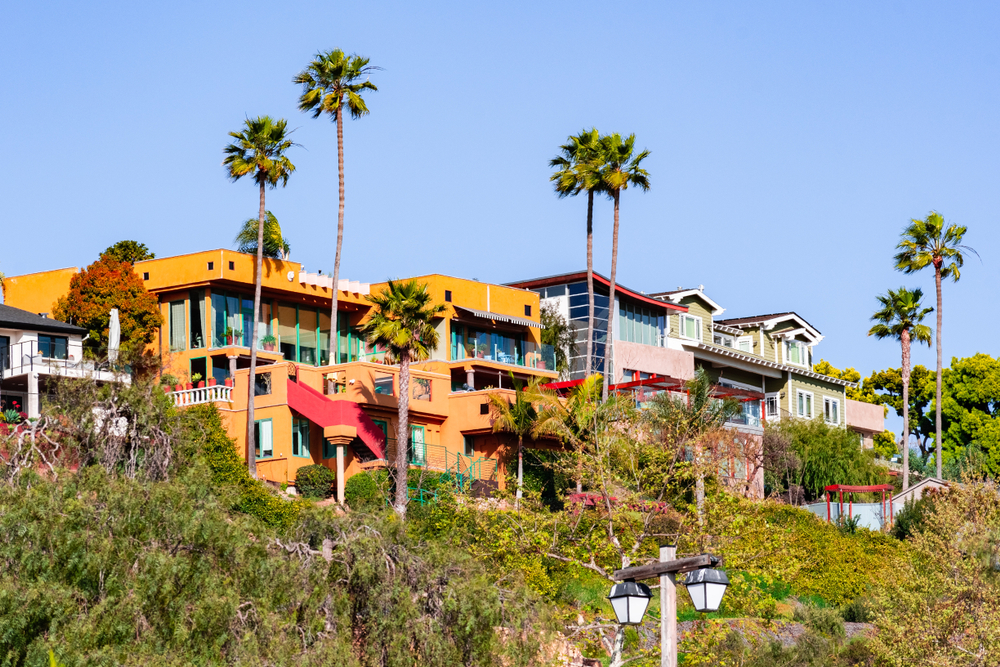
Housing is by far the largest monthly expense for most San Diego residents, and it plays a central role in shaping both lifestyle choices and financial planning. The city’s real estate market reflects its desirable location, climate, and amenities, which together drive prices significantly above the national average.
Median home values in San Diego hover near or above $880,000–$981,000, depending on the source and neighborhood.[4] Coastal communities like La Jolla, Del Mar, and Pacific Beach often push far beyond this range, with luxury properties routinely exceeding several million dollars. Even inland areas, while slightly more affordable, can be expensive compared to most U.S. metros, making homeownership a significant financial commitment.
Buyers often face competition in highly sought-after neighborhoods, where bidding wars are common and inventory is limited. Prospective homeowners should also consider property taxes, homeowners association (HOA) fees, and maintenance costs, which can add thousands of dollars annually to the overall cost of owning a home.
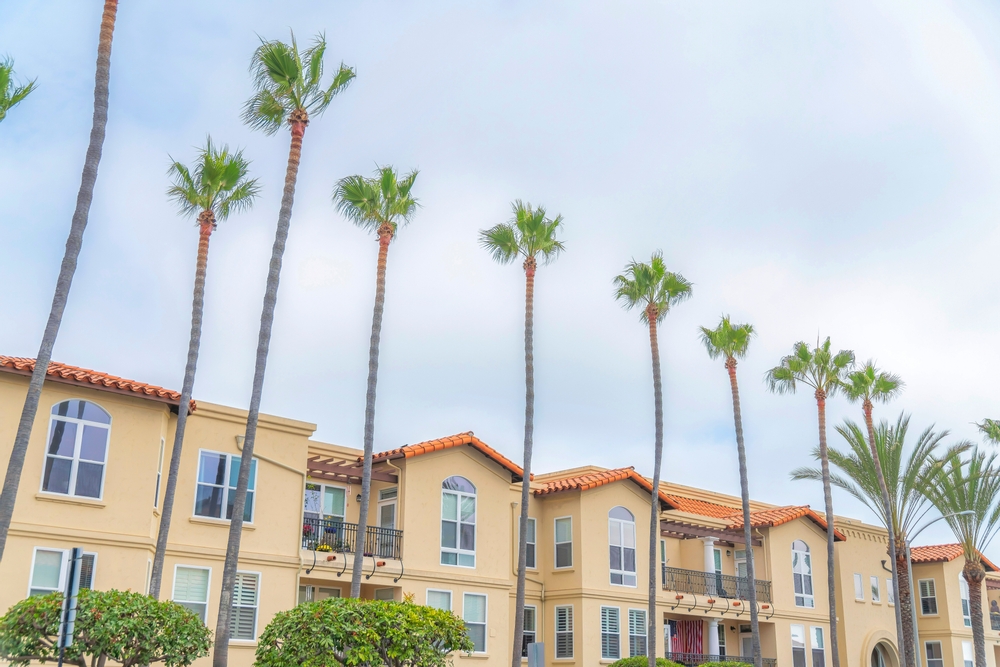
Renters in San Diego also feel the weight of the city’s housing market. Average rents vary widely, but recent estimates show typical monthly rents in the $2,200–$3,100+ range depending on unit size and neighborhood.[5] Coastal and centrally located neighborhoods command the highest rents, while suburban areas like Clairemont or Tierrasanta may offer somewhat lower rates, though still above national averages. The high cost of rent often influences living arrangements: many residents choose roommates or shared housing to make living in prime locations financially feasible, and some may compromise on square footage or amenities.
Housing affordability is a concern for a significant portion of the population. Local indices consistently rank San Diego well above the national average in housing costs, highlighting the financial pressures faced by first-time buyers and renters alike.[6] Households earning a median income may still find that a substantial portion of earnings goes toward rent or mortgage payments, which can affect discretionary spending, savings, and long-term financial planning.
When factoring in other essential expenses such as utilities, transportation, and groceries, San Diego’s cost of living index is roughly 45–47% above the U.S. average, with housing being the primary driver.[7] This elevated cost influences lifestyle decisions, from neighborhood choice to commuting patterns. Residents often weigh the tradeoffs between proximity to work and amenities versus more affordable housing options further inland. Additionally, San Diego’s high housing costs can affect local demographics, influencing who can afford to live in certain neighborhoods and shaping the broader economic landscape of the city.
In short, whether you are buying or renting, housing is a critical consideration for anyone planning to move to or live in San Diego. Understanding the local market, preparing a realistic budget, and exploring neighborhood-specific options are essential steps to navigating the city’s competitive housing environment effectively.
Cost of Living Considerations
Utilities
Utilities in San Diego tend to be slightly above national averages, driven by electricity, water, and internet costs, though exact localized data varies based on household size, usage, and housing type.[8]
Gas & Transportation
Gas prices in San Diego generally track California’s higher-than-average regional fuel costs; exact current averages fluctuate with market prices. Transportation costs, including car ownership and trips, are significantly above national averages mainly due to longer distances and reliance on vehicles.
Groceries & Everyday Costs
Groceries in San Diego frequently cost more than the national average, with utilities and other daily needs also tilted upward due to local pricing.
Lifestyle & Quality of Life

Traffic & Commute
San Diego boasts beautiful landscapes and locations, but like most metropolitan regions, commuting can be time-intensive — especially if you live inland and work near the coast or vice versa.
Commute times in major metro centers typically run 30+ minutes on average.
Public transportation exists, including buses and trolleys, but much of the city is best navigated by car due to connectivity limits.
Neighborhoods & Areas to Know
San Diego is made up of many distinct communities, each with its own personality…
Pacific Beach / Mission Beach
Pacific Beach and Mission Beach are two of San Diego’s most iconic coastal neighborhoods, popular for their energetic, social atmosphere and immediate access to the ocean. These areas attract young professionals, students, and beach lovers who prioritize lifestyle over square footage.
Boardwalks, casual cafes, surf shops, and bars create a vibrant, walkable environment where residents can bike, jog, or skate along the coastline. Housing in these neighborhoods tends to be a mix of single-family homes, condos, and apartments, with premium prices for oceanfront properties. Rent and home prices are higher than in inland neighborhoods, but the tradeoff is proximity to the sand, water sports, and nightlife.
La Jolla

La Jolla is synonymous with upscale coastal living, known for its dramatic cliffs, pristine beaches, and luxury homes. The area features high-end shopping, fine dining, art galleries, and boutique hotels, attracting affluent residents and professionals. La Jolla’s scenic views of the Pacific Ocean, along with its reputation for excellent schools and low-crime streets, make it particularly appealing to families and retirees.
While home prices and rents are among the highest in San Diego, residents enjoy a mix of serene residential streets and a walkable village center with cultural attractions like the Museum of Contemporary Art and La Jolla Cove, making it one of the city’s most desirable addresses.
North Park / Hillcrest
North Park and Hillcrest offer trendier, artsy, and food-centric lifestyles, appealing to creatives, young professionals, and members of the LGBTQ+ community. These neighborhoods are celebrated for their eclectic mix of craft breweries, cafes, art studios, and vintage boutiques. North Park is particularly known for its street murals and weekly farmer’s markets, while Hillcrest serves as a hub for dining, nightlife, and community events.
Housing consists mainly of smaller single-family homes, older bungalows, and apartment complexes, making these neighborhoods relatively more affordable than coastal districts. The neighborhoods’ central location also provides convenient access to downtown, beaches, and Balboa Park, making them popular choices for people seeking culture and connectivity.
Clairemont / Tierrasanta
Clairemont and Tierrasanta are more residential and family-oriented neighborhoods, offering larger homes, quieter streets, and a suburban feel while still being within reasonable commuting distance to downtown and coastal areas. These neighborhoods feature parks, schools, and community centers that cater to families with children.
Housing options tend to include single-family homes with yards, making them ideal for those prioritizing space and safety. Though further from the beaches and nightlife of the coast, Clairemont and Tierrasanta offer a more affordable entry point into San Diego’s housing market, while still providing a strong sense of community and easy access to major highways.
Downtown / Gaslamp Quarter
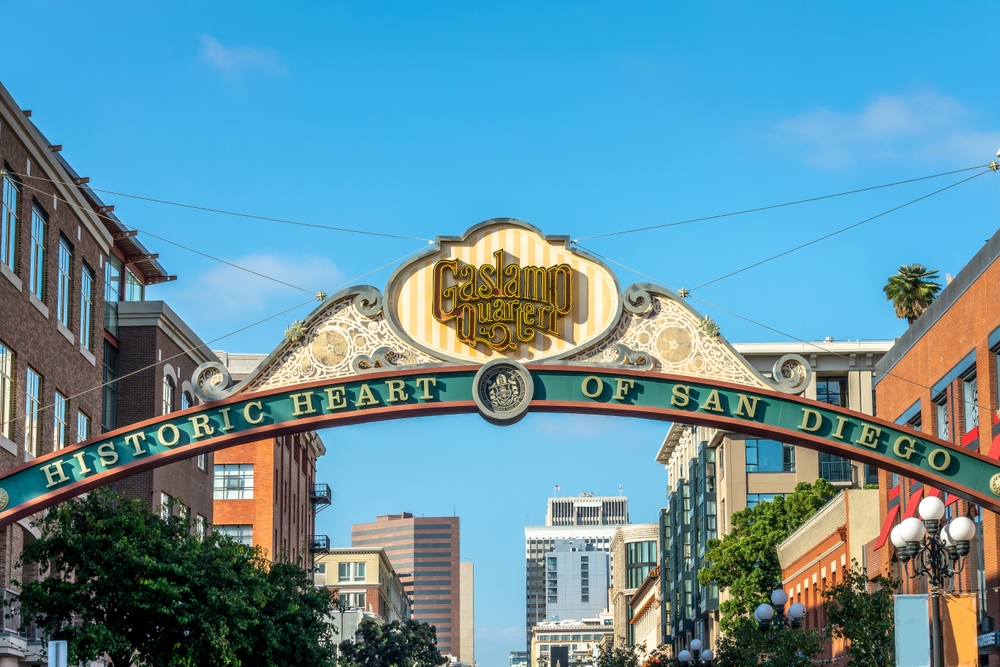
The Downtown and Gaslamp Quarter areas form San Diego’s urban core, bustling with nightlife, restaurants, offices, and cultural venues. These neighborhoods appeal to professionals who want walkable access to work, entertainment, and public transit. Condos and apartment complexes dominate the housing market here, often at a premium price due to proximity to amenities.
Residents can enjoy rooftop bars, theaters, shopping, and events such as Comic-Con festivities and seasonal festivals. While daily life is vibrant and convenient, traffic, parking, and higher living costs are factors to consider. Downtown’s density and central location make it ideal for people seeking an energetic, city-centered lifestyle with minimal commute times.
Schools & Education
San Diego offers a wide range of public and private schools:
- San Diego Unified School District (SDUSD) serves much of the city with a diversity of school programs.[9]
- Quality varies by neighborhood and individual school. Families should check local performance metrics and school boundaries when moving.
- Several well-regarded colleges and universities — including San Diego State University (SDSU) and University of California San Diego (UCSD) — are in or near the city.
Safety & Crime
Safety in San Diego is generally favorable relative to many large U.S. cities:
- Crime rates have been reported as lower than the national average overall, and the city has historically ranked among large cities with relatively low violent crime metrics.[10]
- Crime varies by neighborhood; residential, suburban areas often have lower incidents than central urban zones.
Weather & Climate
San Diego’s weather is often considered one of its most compelling features:
- Sunshine: ~260+ sunny days per year.[1]
- Temperate climate: Warm summers, mild winters, and little rain — ideal for outdoor lifestyles year-round.
- Minimal storm or winter weather compared to much of the U.S. makes San Diego a standout for consistent outdoor activity.
Work, Economy & Practical Living

Job Market & Major Employers
San Diego’s economy is broad and dynamic:
- Key industries include biotech and life sciences, defense and military, healthcare, tourism, education, and technology.
- Median income levels remain above national averages, which helps balance higher costs.[3]
- Strong job markets and educational institutions keep the city attractive for professionals, students, and families alike.
Healthcare Access
San Diego has extensive healthcare infrastructure, including top-tier hospitals, research facilities, and specialty care centers, making medical access strong throughout the region.
Taxes & California Realities
Like the rest of California:
- State income tax is among the highest in the nation.
- Sales tax and property costs are notable expenses.
- Property taxes remain moderate due to Proposition 13 but still accumulate due to high property values.
These factors should be part of any budgeting conversation before moving to California.
Lifestyle Perks

San Diego is a paradise for outdoor enthusiasts, offering a remarkable variety of recreational opportunities that make an active lifestyle easy to embrace. Its coastline stretches for miles, featuring beaches and surf spots that attract locals and visitors alike, from beginners learning to catch their first wave to experienced surfers chasing the perfect swell.
Beyond the beaches, the city’s unique “coastline to canyon” geography provides extensive hiking and biking trails, winding through coastal bluffs, canyons, and inland reserves. Parks, golf courses, marinas, and open spaces further enhance the city’s outdoor appeal, allowing residents to seamlessly blend urban living with nature.
San Diego’s cultural and culinary scene is just as vibrant as its natural offerings. The city boasts a wide array of dining experiences, from casual taco stands and beachside cafés to upscale seafood restaurants and gourmet eateries. Craft breweries and lively nightlife add to the city’s social scene, while sports fans can enjoy Major League Baseball with the San Diego Padres and other professional and collegiate sporting events.
Cultural hubs like Balboa Park, home to world-class museums, theaters, and gardens, provide year-round enrichment, while seasonal festivals, live performances, and art galleries reflect the city’s dynamic creative energy. For residents, San Diego offers a lifestyle that effortlessly combines outdoor adventure, fine dining, cultural engagement, and entertainment options in one coastal city.
Who San Diego Is Best For (—And Not For)

Best for:
- Outdoor and beach lovers
- Professionals in biotech, healthcare, education, military, or tourism
- Families seeking a balanced city-by-the-sea lifestyle
- Anyone valuing weather and quality of life
Less suited for:
- People on very tight budgets (housing and costs are high)
- Those who want dense public transit everywhere
- People who prefer seasonal weather changes
Final Thoughts: Is Living in San Diego Right for You?

San Diego offers a unique and balanced blend of iconic weather, abundant outdoor lifestyle opportunities, diverse employment options, and tight-knit communities, all of which contribute to its reputation as one of the most desirable cities in the United States despite its relatively high cost of living.
The city’s temperate climate allows residents to enjoy outdoor activities year-round, from surfing and sailing along the Pacific coastline to hiking and biking through nearby canyons and state parks. This accessibility to nature, combined with a robust cultural scene, makes daily life in San Diego feel dynamic and enriching, whether you’re a young professional, a family, or a retiree seeking an active lifestyle.
Economically, San Diego provides a range of professional opportunities across several thriving industries, including biotechnology, healthcare, defense, tourism, education, and technology. The city’s strong higher-education institutions, like UC San Diego and San Diego State University, feed both research innovation and a skilled workforce, attracting talent from across the nation.
While housing and overall living costs are higher than the national average, many residents find the tradeoff worthwhile given the city’s quality of life, employment prospects, and lifestyle benefits. Thoughtful financial planning and strategic neighborhood selection can help balance these costs while still allowing residents to enjoy the full benefits of coastal living.
Community and culture also play an essential role in what makes San Diego appealing. Vibrant neighborhoods each offer distinct personalities — from the artsy, food-focused streets of North Park and Hillcrest to the upscale, serene enclaves of La Jolla. Local events, festivals, and outdoor gatherings foster social connection, while proximity to beaches, parks, and recreational centers encourages active, healthy living. For those considering long-term residency, this combination of community engagement, recreational access, and career opportunity provides a compelling framework for settling down and investing in the city.
In short, if you value consistent sunshine, coastal living, diverse recreational activities, and strong career potential (and are prepared to account for higher housing and living costs), San Diego can be an exceptional place to plant roots. It is a city where lifestyle, opportunity, and natural beauty intersect, offering residents a uniquely Californian experience that few other metropolitan areas can match.
Sources
- SanDiego.gov
- U.S. Census Bureau
- Data USA
- City-Data
- Zillow
- Census Reporter
- Payscale
- SmartAsset
- San Diego Unified School District
- Stella Moving & Delivery
Disclaimer
This article has been thoroughly researched and is intended to provide general information and insights related to real estate and utility management. It is for informational and entertainment purposes only and should not be considered professional, financial, or legal advice. Individual circumstances vary, and readers are encouraged to consult with a qualified professional before making decisions regarding home purchases, utility management, or other financial matters.