California has long been one of the most sought-after states to live in the United States. Known for its incredible coastline, temperate climate, economic opportunities, and cultural diversity, living in California offers a lifestyle unlike almost any other state.
From world-renowned cities like Los Angeles, San Francisco, and San Diego to quieter suburban areas and coastal towns, the state appeals to people seeking everything from professional growth to a high-quality family life. The combination of natural beauty and economic potential creates a strong draw for individuals and families alike.
Southern California, in particular, offers a unique blend of urban convenience and suburban options. Living in Irvine, located in Orange County, is viewed as ideal for those seeking stability, safety, and access to employment and recreation. Irvine combines master-planned communities with ample green spaces, excellent schools, and close proximity to beaches, mountains, and major urban centers. For many folks, the city represents a balance between opportunity, lifestyle, and comfort.
Irvine’s appeal extends beyond just infrastructure or job opportunities. The city’s well-planned neighborhoods are designed to promote a strong sense of community, with parks, lakes, walking trails, and local amenities all within easy reach. Neighborhoods are interconnected with pedestrian-friendly streets and bike paths, making it easier for residents to incorporate outdoor activity into their daily routines. Living in Irvine also offers a vibrant cultural life, with local events, art exhibits, theater performances, and food festivals contributing to a lively and engaged community.
Another key draw is education. The University of California, Irvine (UCI) not only contributes to the intellectual environment of the city but also attracts a diverse student population that enriches cultural life. Families benefit from access to top-ranked K–12 schools, while professionals enjoy the strong local economy, particularly in technology, healthcare, education, and professional services. Residents also cite safety, cleanliness, and community amenities as major factors in choosing Irvine.
However, living in Irvine comes with higher-than-average costs, particularly in housing, daily expenses, and commuting. Planning a move requires careful consideration of budget and lifestyle priorities. Despite these costs, the city offers long-term benefits in quality of life, education, employment opportunities, and overall safety that many find worth the investment. This guide will walk prospective movers through all aspects of life in Irvine, providing insight into housing, cost of living, neighborhoods, schools, safety, recreation, culture, transportation, future growth, and practical advice for making a smooth transition.
Snapshot of Living in Irvine, CA: Population, Demographics, and Growth
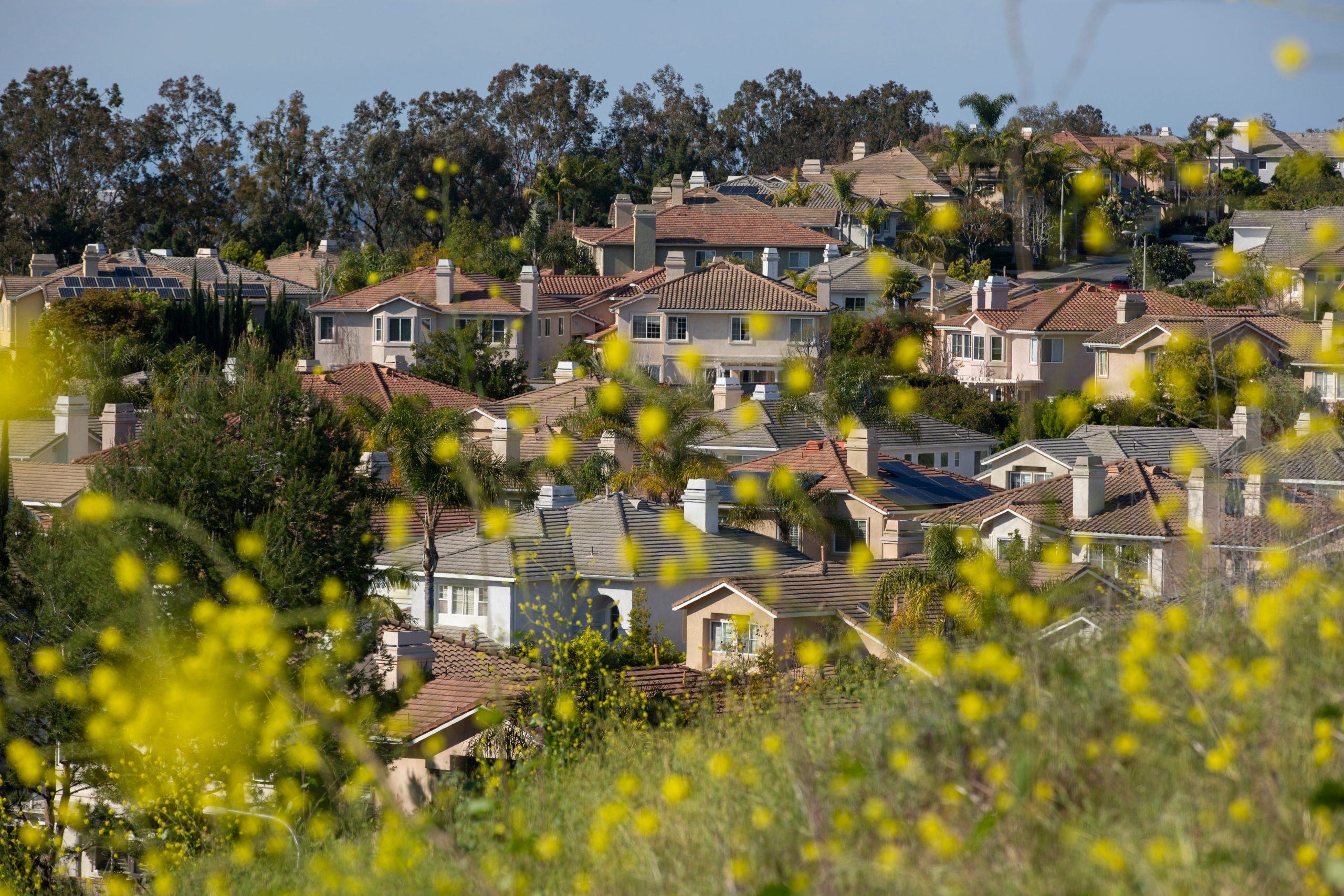
Irvine’s population is estimated at roughly 318,683 as of 2024, reflecting steady growth over recent decades.[1] The city attracts families, students, and professionals, contributing to a dynamic demographic profile. The median age is approximately 33.9 years, highlighting a mix of young adults, mid-career professionals, and families with children.[2] Its diverse population includes a substantial Asian American community, along with White, Hispanic, and other ethnic groups, creating a multicultural environment where diverse cultural, culinary, and educational experiences thrive.
Growth in Irvine is managed through its master-planned villages, which ensure that housing, schools, parks, and commercial centers develop in tandem with population expansion. Unlike cities experiencing haphazard growth, Irvine’s approach promotes sustainability and livability. New residents benefit from thoughtful infrastructure planning, including efficient traffic systems, public safety measures, and well-maintained public spaces. The city’s demographic diversity also influences the local culture, offering a range of cultural events, international cuisine, and educational programs that reflect the global background of residents.
Economically, living in Irvine is a benefit because it’s one of the stronger cities in Orange County. Median household income is estimated at $129,647, reflecting a generally affluent population with access to professional and managerial positions.[3] Employment sectors range from technology, healthcare, and education to finance, professional services, and government. Major employers include UCI, large technology and biotech firms, and corporate headquarters, providing a stable job market for residents. The city’s growth strategy ensures that population increases do not outpace available amenities, contributing to a high quality of life.
The city’s demographic profile also influences real estate and urban planning. Families prioritize neighborhoods near top-ranked schools, while young professionals often seek proximity to employment hubs and social amenities. UCI students contribute to a vibrant rental market and influence local businesses, creating a mix of permanent residents and transient populations that enriches Irvine’s social fabric. Overall, the population snapshot indicates a city with a young, diverse, and economically active population, making it a hub for innovation, education, and family-friendly living.
Cost of Living in Irvine, CA: Housing, Utilities, and Daily Expenses
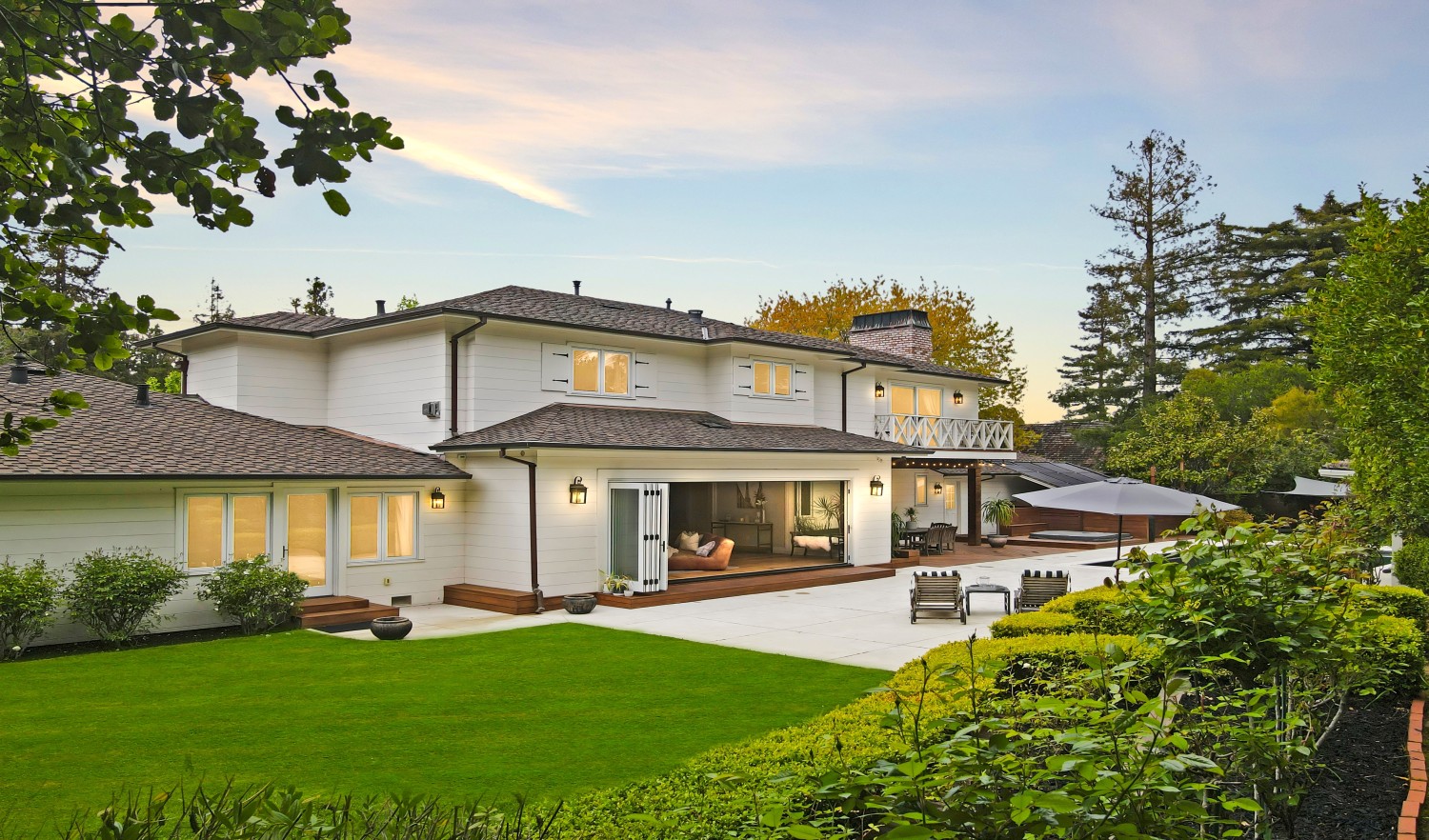
Housing costs dominate monthly expenses for Irvine residents. The median home value is around $1.6 million, significantly higher than state and national averages.[4] Rental costs are similarly elevated, with a median one-bedroom apartment renting for $2,200 to $3,300 per month and larger units easily exceeding $4,000. The high cost of housing is driven by strong demand, limited supply, and the city’s reputation for safety, education, and quality of life. Prospective buyers often need to budget carefully, and many opt to rent initially to familiarize themselves with neighborhoods before purchasing a home.
Utilities also contribute to monthly living expenses. Single-person households spend approximately $1,300 per month on electricity, gas, water, and internet, while families can spend $4,700 or more, reflecting Southern California’s elevated energy and water costs.[5] Energy efficiency upgrades in newer homes can help mitigate some costs, and residents are increasingly conscious of water conservation due to periodic drought conditions.
Transportation is another significant cost. Living in Irvine essentially requires you to be car-dependent, and gas prices in California are consistently among the highest in the nation. Average commutes are relatively moderate at 21–24 minutes, but travel times can increase during peak hours, particularly along I-405 and I-5 freeways.[6] Residents budget for vehicle maintenance, insurance, and occasional tolls, adding to the total cost of living.
Groceries and everyday expenses are above national averages but remain competitive with other West Coast metropolitan areas. Dining options are plentiful, ranging from casual eateries to upscale international cuisine. Local markets and specialty stores offer fresh produce, organic options, and imported goods that appeal to Irvine’s diverse population. Household budgeting must consider these factors, particularly for families and those relocating from areas with lower living costs.
Despite higher costs of living in California, Irvine residents often report satisfaction with the value of services and amenities. The city’s investment in public safety, parks, schools, and infrastructure contributes to a perception of higher quality for each dollar spent. Strategic budgeting, including evaluating neighborhoods, school zones, and commuting options, helps residents manage expenses while maintaining access to Irvine’s extensive amenities and lifestyle opportunities.
Living in Irvine, CA: Neighborhood Options
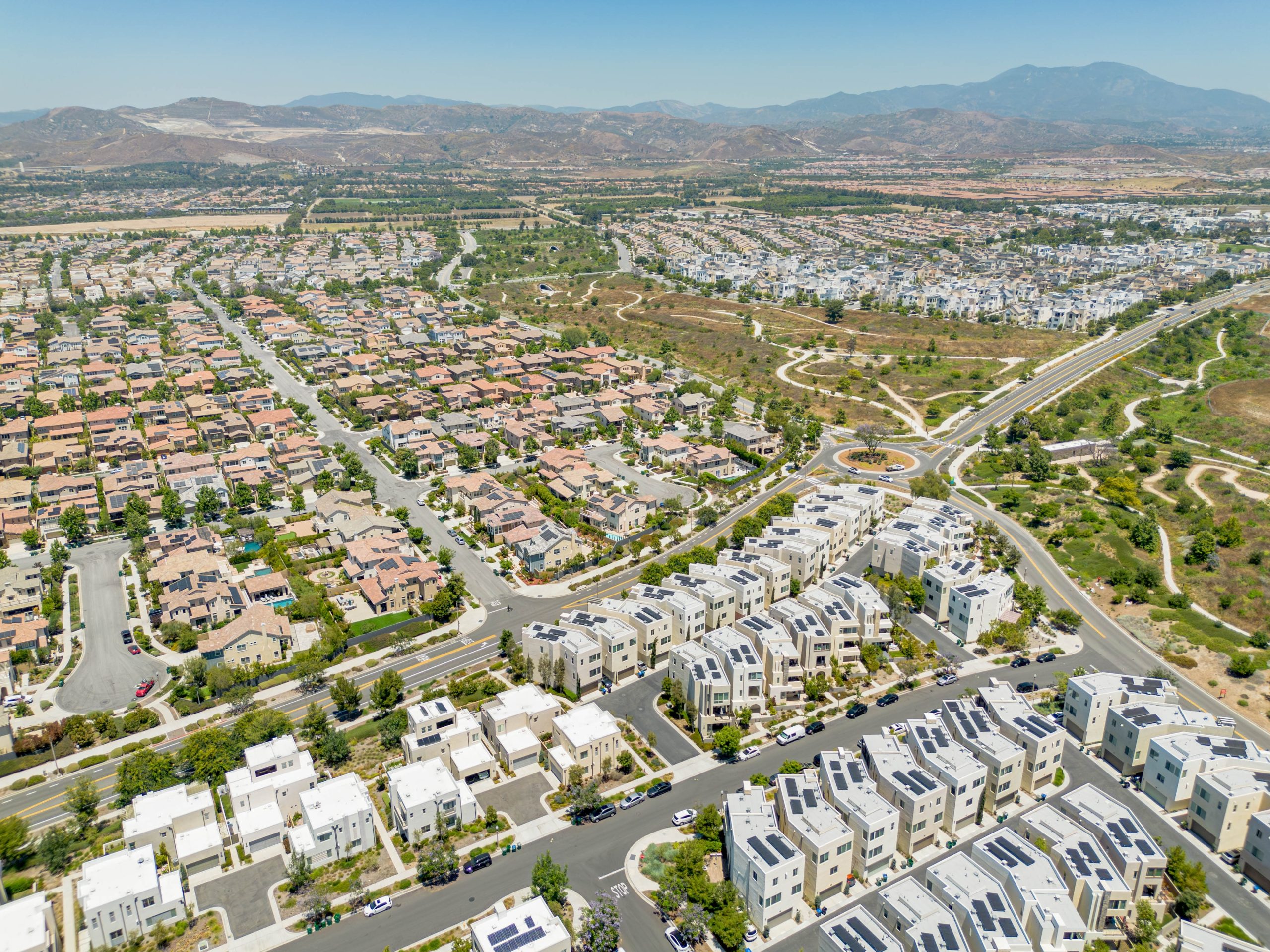
Irvine’s neighborhoods are intentionally designed as master-planned villages, each with unique characteristics and amenities. Woodbridge is a prominent example, featuring lakes, parks, walking trails, and community centers that cater to families and outdoor enthusiasts.[7] University Park provides a mix of student and family housing due to its proximity to UCI, offering convenient access to educational resources and community events. Other neighborhoods, such as Northwood, Turtle Rock, Oak Creek, and Westpark, each have their own identity, housing options, and recreational amenities, giving residents a range of choices based on lifestyle preferences.
Newer developments, including Portola Springs and Great Park neighborhoods, emphasize modern, energy-efficient homes integrated with parks, pools, and communal spaces. These neighborhoods are designed to encourage community interaction, with well-maintained public areas, walking paths, and neighborhood events. Homeowner associations often manage these areas, ensuring high standards for landscaping, amenities, and community aesthetics.
Neighborhood selection for living in Irvine is often influenced by school access, commuting convenience, and proximity to shopping and recreational facilities. Families prioritize locations near top-ranked schools and parks, while professionals consider ease of access to employment hubs and freeway connectivity. Each neighborhood’s design integrates residential areas with retail, recreational, and educational spaces, reducing the need for long drives and fostering a sense of belonging.
Beyond planned villages, Irvine offers access to regional attractions and natural areas. Residents often enjoy nearby beaches, hiking trails, and open spaces, allowing for a blend of suburban comfort and outdoor adventure. This accessibility contributes to the city’s reputation as a well-rounded, livable community. Overall, Irvine’s neighborhoods cater to diverse lifestyles, offering a combination of convenience, recreation, and long-term investment value.
Schools and Education
Irvine’s educational system is widely recognized as one of the strongest in California. The Irvine Unified School District (IUSD) consistently ranks among the top districts in the state, excelling in standardized testing, college readiness, and extracurricular programming.[8] Schools offer programs in STEM, arts, athletics, and leadership, ensuring comprehensive development for students of all interests. Families often prioritize neighborhoods based on school zoning, reflecting the critical role that educational quality plays in residential decision-making.
The city’s educational offerings extend to higher education through the University of California, Irvine (UCI), a major research institution that contributes significantly to the local economy and cultural environment. UCI attracts students, faculty, and researchers from around the globe, fostering a vibrant academic community. The university offers a variety of undergraduate, graduate, and professional programs, as well as public lectures, cultural events, and sporting activities that enrich the city’s social and intellectual life.[9]
Beyond formal education, Irvine supports lifelong learning and enrichment. Community programs, after-school initiatives, adult education, and sports leagues provide opportunities for residents of all ages to engage with the community and develop new skills. The city’s investment in education and educational infrastructure underscores its reputation as a family-friendly city, offering opportunities for intellectual growth, civic engagement, and social development.
Families considering a move to Irvine often find the combination of top-tier schools, diverse extracurricular offerings, and access to higher education particularly compelling. The city’s focus on education aligns with its broader goals of community engagement, safety, and long-term livability, making it a prime choice for families prioritizing academic excellence and overall development.
Living in Irvine, CA: Safety and Community Well-Being
Irvine is one of the safest large cities in the United States. Crime rates, including violent and property crime, are far below national averages.[10] Safety is a key factor attracting families, young professionals, and retirees to the area, contributing to property value stability and overall community satisfaction. Residents consistently cite safety as a top reason for choosing Irvine as a home.
Safety is reinforced through city planning and community initiatives. Neighborhoods feature well-lit streets, pedestrian-friendly walkways, and extensive parks, promoting visibility and interaction among residents. Neighborhood watch programs, local events, and active community engagement foster vigilance and social cohesion. Regular communication between residents and city officials helps maintain low crime rates and rapid response to incidents.
In addition to law enforcement, Irvine prioritizes preparedness and public safety infrastructure. Fire stations, emergency medical services, and disaster preparedness programs ensure residents have support during emergencies. The city also implements traffic management and pedestrian safety programs, creating a safe environment for children, seniors, and cyclists.
Community well-being extends beyond physical safety. Living in Irvine fosters social cohesion through cultural events, neighborhood gatherings, and civic initiatives. The combination of low crime, engaged residents, and active public programs contributes to a high sense of community security and belonging. For prospective movers, Irvine offers peace of mind in addition to lifestyle and educational advantages.
Outdoor Recreation and Parks
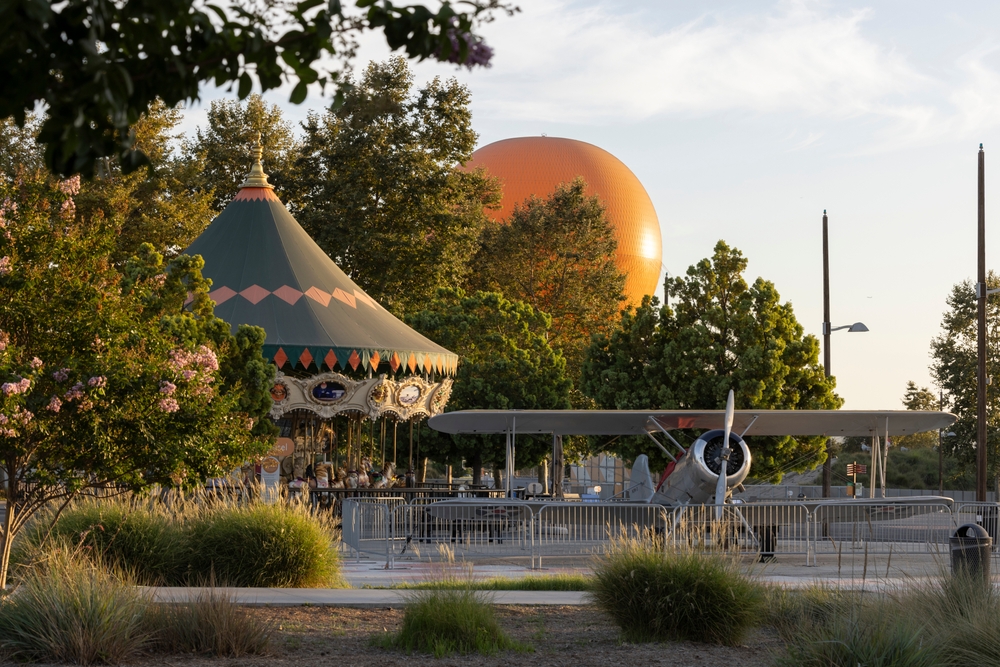
Irvine integrates outdoor living into daily life. Parks such as William R. Mason Regional Park feature lakes, picnic areas, sports facilities, walking trails, and playgrounds.[11] Bommer Canyon and the Irvine Ranch Open Space Preserve provide extensive hiking, biking, and equestrian options. Neighborhood parks and greenways support recreation for children and adults alike, promoting a healthy and active lifestyle. It’s just one of the many reasons why moving to California makes sense for so many people.
The city’s extensive bike and pedestrian networks connect neighborhoods to schools, commercial centers, and parks. Residents frequently incorporate walking, running, or cycling into daily routines. Sports leagues, fitness programs, and outdoor classes provide structured recreational opportunities. The Irvine Spectrum Center also integrates outdoor areas, offering venues for community engagement and social interaction.
Access to nearby beaches, including Newport and Laguna, allows residents to combine city living with coastal recreation within a 20–30 minute drive. Local lakes, golf courses, and botanical gardens further diversify options for outdoor enjoyment. Irvine’s emphasis on green spaces and outdoor accessibility enhances both mental and physical well-being. Therefore, living in Irvine means you can enjoy a balanced lifestyle year-round.
Living in Irvine, CA: Cultural Life, Dining, and Entertainment
Irvine hosts numerous cultural events, festivals, and performances that celebrate diversity and creativity. The Global Village Festival showcases music, dance, art, and cuisine from around the world, fostering cultural awareness and community connection.[13] The Irvine Barclay Theatre hosts performances in music, theater, and dance, while the Silent River Film Festival highlights independent and international films.[14],[15]
The city’s food scene is diverse, reflecting its multicultural population. Restaurants offer everything from Korean barbecue and Japanese sushi to Mexican, Mediterranean, and vegan options.[16] Farmers markets provide access to fresh produce, artisanal products, and locally sourced ingredients. Food festivals and neighborhood events encourage residents to explore the culinary variety available in the city.
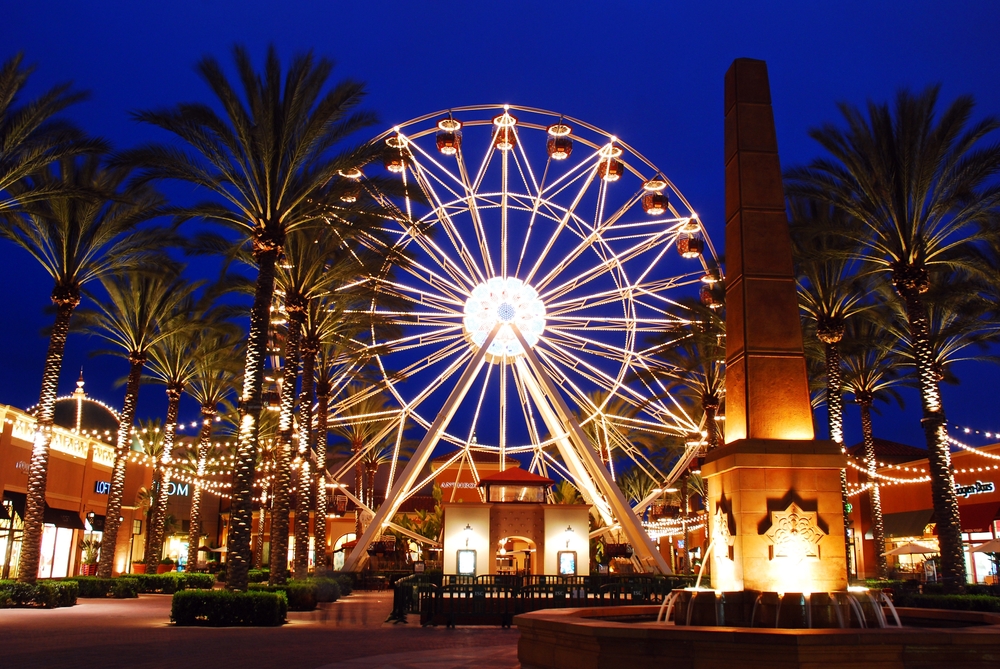
Shopping and entertainment hubs, such as Irvine Spectrum Center, combine retail, dining, and recreational opportunities in a single destination. Living in Irvine gives you easy access to boutique shops, fitness centers, community centers, and art galleries contribute to a well-rounded urban experience within a suburban framework. Regular community events, workshops, and holiday celebrations create engagement opportunities, strengthening social bonds and enhancing quality of life.
Transportation and Accessibility
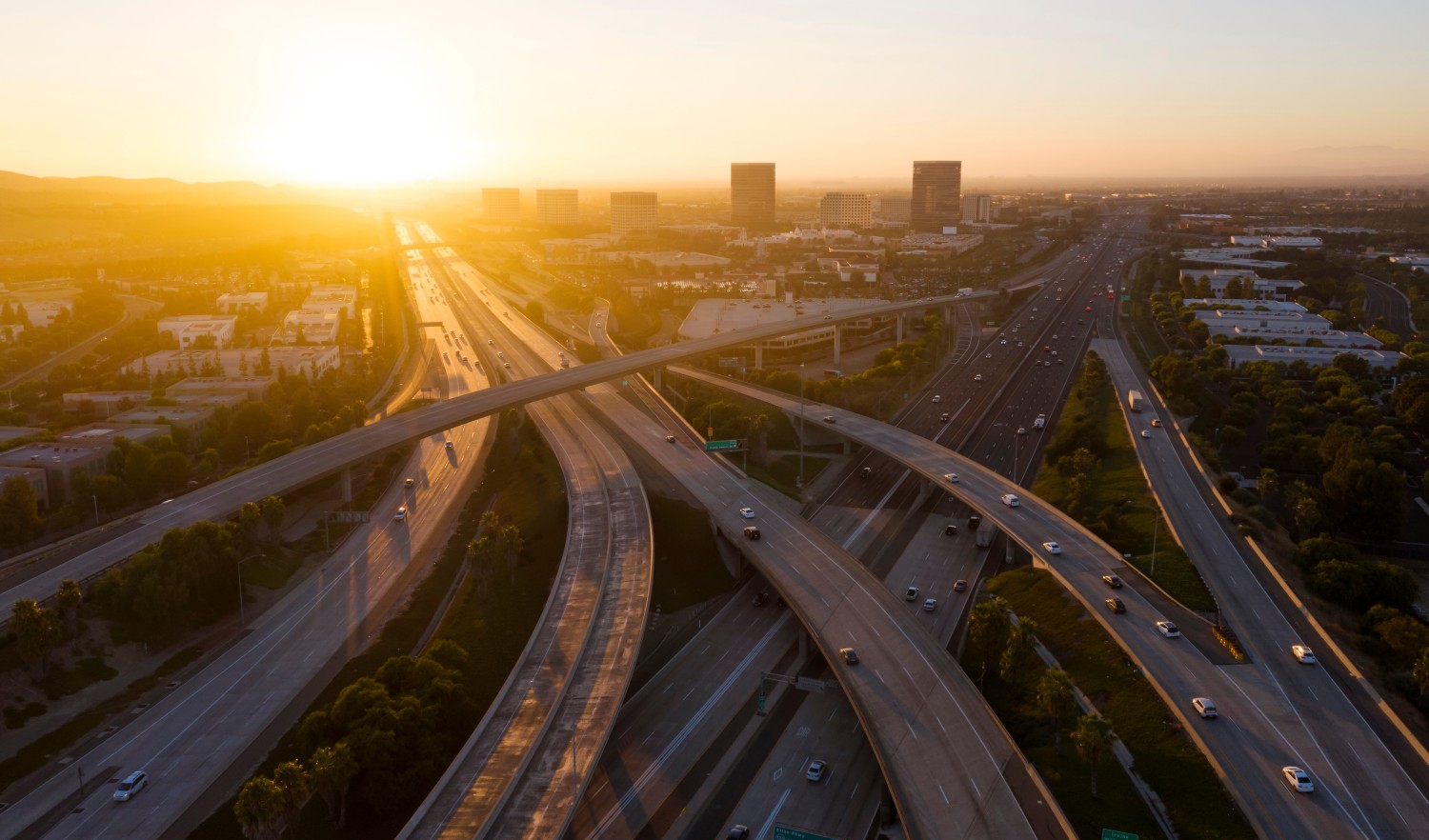
Irvine is well connected by major freeways, including I-405, I-5, and CA-133, linking residents to Los Angeles, San Diego, and surrounding areas.[6] John Wayne Airport provides regional and domestic travel, while LAX is accessible for international flights. The city’s traffic planning, including smart signals, street grids, and bike-friendly infrastructure, helps reduce congestion and maintains relatively short commute times compared to other Southern California cities.
Public transportation options exist but are not as robust as urban centers. Most residents rely on cars for commuting, shopping, and regional travel. Carpooling, rideshare programs, and biking are increasingly popular, particularly in areas with access to dedicated bike paths. Traffic patterns vary by neighborhood and time of day, and residents often plan commutes accordingly.
The city’s transportation infrastructure supports both practical commuting and recreational travel. Pedestrian pathways, public transit nodes, and regional connectivity ensure that residents can balance convenience, lifestyle, and environmental considerations when choosing transportation options.
Living in Irvine, CA: Future Growth and Development
Irvine continues to expand thoughtfully, maintaining its master-planned village model. New residential developments incorporate modern construction standards, energy-efficient design, and integrated green spaces. Commercial centers, schools, and parks are developed in parallel with housing growth, ensuring a balanced urban ecosystem.[7]
The local economy continues to thrive, particularly in technology, healthcare, education, and professional services. Corporate headquarters, biotech firms, and startups provide employment opportunities, attracting skilled professionals to the area. Future development emphasizes sustainable practices, pedestrian-friendly design, and community integration, reflecting Irvine’s long-term vision for livability and environmental stewardship.
City planning also considers demographic trends, climate resiliency, and cultural needs. Investments in public infrastructure, cultural amenities, and recreational spaces ensure that growth enhances rather than diminishes quality of life. For prospective movers, Irvine offers a city that balances expansion with careful attention to community, environment, and lifestyle.
Who Living in Irvine Is Best For — and Who It Isn’t

Best suited for:
- Families prioritizing safety, education, and outdoor recreation
- Professionals in technology, healthcare, education, or finance seeking stable employment
- Individuals or families who value suburban tranquility with access to city amenities
- Active residents who enjoy hiking, biking, and beach access
- Cultural and culinary enthusiasts seeking a diverse, engaging environment
Less suited for:
- People seeking dense urban living with nightlife similar to LA or SF
- Individuals with strict budget constraints due to high housing and cost of living
- Residents relying heavily on public transportation rather than cars
- Those preferring a high-rise, downtown-style lifestyle
Is Living in Irvine, CA Right for You?

Irvine represents a premium Southern California city, combining safety, community planning, recreational access, cultural vibrancy, and educational excellence. Its master-planned neighborhoods, diverse population, and well-maintained infrastructure create a city where residents can live, work, and thrive. Families benefit from top-rated schools, professionals enjoy proximity to employment hubs, and students gain access to UCI’s educational resources.
While housing costs and living expenses are higher than average, many residents find these investments justified by the city’s long-term quality of life. The combination of safety, green spaces, cultural amenities, and job opportunities contributes to a well-rounded living experience. Irvine’s approach to urban planning, environmental sustainability, and community engagement makes it a city prepared for future growth while maintaining the standards that attract residents today.
If you’re planning a move to Irvine, visit neighborhoods, explore schools, and assess lifestyle priorities firsthand. Renting initially can provide insight into daily routines, commute times, and neighborhood culture. Ultimately, for those seeking a balanced life in Southern California — blending career opportunity, educational excellence, recreation, and community engagement — living in Irvine offers a rare and compelling choice.
Sources
- [1] U.S. Census Bureau QuickFacts – Irvine, CA
- [2] Census Reporter – Irvine Profile
- [3] Salary.com Cost of Living – Irvine
- [4] Irvine Housing Costs – Leo Luna Homes
- [5] LivingCost.net – Irvine
- [6] Livability – Irvine Commute & Transportation
- [7] Irvine Neighborhoods – Wikipedia
- [8] Irvine Schools – Niche
- [9] University of California, Irvine – Wikipedia
- [10] City of Irvine – Safety Recognition
- [11] William R. Mason Regional Park – Wikipedia
- [12] Bommer Canyon – Wikipedia
- [13] Irvine Global Village Festival – City of Irvine
- [14] Barclay Theatre – Wikipedia
- [15] Silent River Film Festival – Wikipedia
- [16] Kalbi Social Club – LA Eater
Disclaimer
This article has been thoroughly researched and is intended to provide general information and insights related to real estate and utility management. It is for informational and entertainment purposes only and should not be considered professional, financial, or legal advice. Individual circumstances vary, and readers are encouraged to consult with a qualified professional before making decisions regarding home purchases, utility management, or other financial matters.