For most California homeowners, monthly utility bills represent one of the most persistent and unavoidable costs of living. Whether it’s electricity to keep the lights on, water for showers and landscaping, or gas to heat your home in the winter, these essential services can add up quickly and take a real bite out of your household budget.
In fact, the average household in the U.S. spends over $4,000 per year on electricity, gas, water, sewer, and waste services combined [1]. That’s a significant monetary output!
Inflation plays a critical role in these costs of living in California (and elsewhere), too. When the general price level for goods and services rises, the cost of essentials (including utilities) tends to follow. In 2025, U.S. inflation remained above the Federal Reserve’s long‑term target of 2%, with broad measures of consumer prices still elevated near 3% annually [2].
And while that headline rate may feel manageable on paper, many individual expenses, especially utilities such as electricity and piped gas service, have increased faster than the average inflation rate. According to recent consumer price data, electricity prices were up over 5% and gas utility prices climbed nearly 12% year‑over‑year [3].
The impact of these rising costs is real. For families living paycheck to paycheck, even modest increases in utility bills can strain already tight budgets. In many regions (including California), utility costs represent a significant portion of essential monthly expenses, especially when combined with housing, food, transportation, and healthcare.
This reality underscores why understanding and managing utility usage is so important when planning a household budget or shopping for a new home. Taking the time to understand how you’re billed and where you can make changes can save hundreds or even thousands of dollars over the life of home ownership.
This is especially true in places like California, where unique factors such as wildfire mitigation fees, ongoing drought conditions, tiered billing structures, and time‑of‑use pricing contribute to some of the highest utility rates in the nation. That being the case, let’s explore why utilities are so costly in California and examine a few actionable ways to trim your utility bills without sacrificing comfort or convenience.
Why California Utilities Are So Expensive
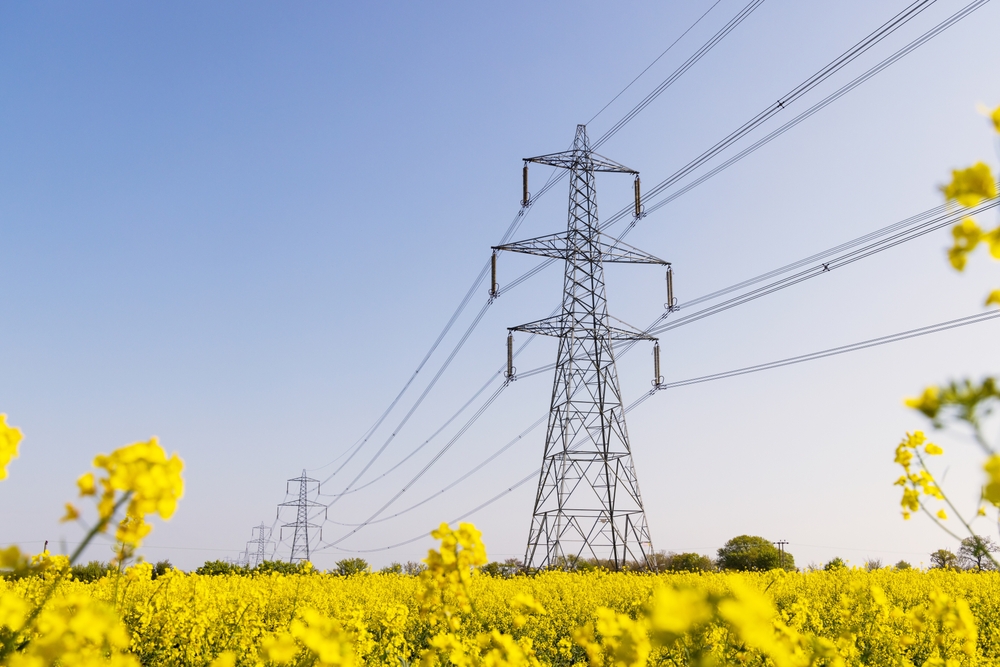
Before we jump into the tips, let’s talk about why utilities cost so much here in California. Unlike some parts of the country where flat rates or relatively inexpensive energy infrastructure make utility bills predictable, California homeowners face a unique combination of market pressures and regulatory requirements that push costs higher [1].
For starters, electricity rates in California have historically been among the highest in the country. A mix of factors—such as wildfire mitigation investments, upgrades to aging grid infrastructure, and widespread adoption of time‑of‑use pricing—has contributed to rising costs [4]. Utilities must spend billions to harden the grid against wildfire risk and modernize equipment, and those costs are often passed along to customers.
Additionally, the state’s drought‑related constraints on water supply have made water both scarcer and more expensive to deliver, which is part of the reason why three of the top 10 most expensive cities from a utility standpoint are in California [1].
Ongoing drought conditions, combined with rising demand from urban and agricultural users, increase treatment costs and strain infrastructure. Many utilities also use tiered pricing structures that penalize heavy water usage with progressively higher rates, which can surprise homeowners who aren’t watching their consumption closely.
In essence, California’s utility system is designed both to pay for necessary safety and environmental upgrades and to encourage consumers to use resources more efficiently. That means higher base costs (though California isn’t even in the top five most expensive states for utilities) [5], but also greater opportunity for savings if you learn how to work with the system instead of fighting it.
Tip #1 — Beat Time‑of‑Use Rates to Reduce the Cost of Living in California
One of the fastest ways to lower your electric bill in California is to understand and work with time‑of‑use (TOU) rates rather than against them. Under TOU pricing, electricity costs vary depending on the time of day: rates are highest during peak demand periods and lowest during off‑peak hours when demand is lower [6].
In most utility territories, peak hours typically fall in the late afternoon and early evening when people return home from work and start running appliances, cooking dinner, and charging devices. During these periods, utilities charge a premium because the system is under the greatest strain. By simply shifting your energy use away from these peak hours, you can reduce your bill meaningfully month after month.
Simple habits can make a big difference. For example, run your dishwasher or washing machine after 8 PM when off‑peak rates are in effect. Charge electric vehicles overnight instead of during the day. Smart plugs and programmable outlets can automate these shifts for heavy‑draw devices. Even moving 20% of your energy usage to off‑peak hours can add up to real savings over time. Becoming aware of your energy usage patterns and actively shifting them is one of the most effective and sustainable ways to cut costs.
Tip #2 — Lower Heating and Cooling Costs

Heating and cooling typically represent the largest portion of a household’s energy consumption, especially in climates like California’s where temperatures can swerve between extremes. Reducing these costs begins with smarter climate control and sealing up the home so it doesn’t work harder than it has to.
Installing a smart thermostat is one of the easiest upgrades that can quickly pay for itself. These devices learn your schedule and automatically adjust temperatures when you’re away or asleep, reducing waste without ever sacrificing comfort. Ceiling fans are another inexpensive tool that can make rooms feel cooler at higher thermostat settings, reducing reliance on air conditioning.
Weatherstripping doors and sealing gaps around windows can eliminate drafts that force heating and cooling systems to overwork. Simple actions like closing blinds during hot afternoons in summer can reduce thermal gain, meaning your air conditioner doesn’t have to run as much. You can also save a significant amount of money (10 percent!) by dialing your thermostat back 7-10 degrees for part of the day, and similar savings can be found by lowering thermostat settings in winter. [7] Over time, these small adjustments pay off in substantial bill reductions.
Tip #3 — Reduce Water Usage Without Feeling It
Water bills in California often rank among the highest in the nation, thanks to both drought conditions and tiered pricing systems that charge more as you use more [8]. The good news is that most households can reduce water usage significantly with little impact on daily life.
Start indoors with low‑flow showerheads and WaterSense‑rated faucets. These fixtures maintain good water pressure while reducing flow, meaning you use less water without noticing a difference in performance. Fixing leaky faucets quickly is critical, too. A slow drip can waste thousands of gallons of water (and cost you money) over the course of a year.
Outside, drought‑tolerant landscaping can drastically cut outdoor water use, which often accounts for a large portion of a home’s water bill in warmer months. Drip irrigation systems deliver water directly to plant roots and reduce evaporation, while watering early in the morning or late in the evening minimizes water loss. Shortening your showers by a couple of minutes might seem small, but when multiplied by every person in the household over weeks and months, it adds up to significant savings.
Tip #4 — Upgrade Appliances to Minimize the Cost of Living in California

Not all appliances are created equal, and older models can quietly drive up your utility bills through inefficiency. Refrigerators, washers, dryers, and air conditioners tend to be among the biggest energy users in a home. If your appliances are more than 12 to 15 years old, they are likely far less efficient than newer models.
ENERGY STAR‑rated appliances are specifically designed to use less energy without sacrificing performance. Switching to these high‑efficiency models can cut energy use by 10% to 50% compared to older units [5]. While the upfront cost can be higher than buying a basic model, the energy savings over the life of the appliance often recoup the added expense many times over.
When shopping for new appliances, always check the ENERGY GUIDE label. This label shows estimated annual energy usage and cost so you can compare models and choose the most efficient option. In many cases, rebates or utility incentives are available for upgrading to ENERGY STAR appliances, which can offset purchase costs and accelerate your return on investment [5].
Tip #5 — Solar Is Still Worth It, But Not For Everyone
Solar power in California has evolved significantly with changes in net energy metering policies and the costs of installation. For the right household, solar can still deliver substantial long‑term savings and protect against rising electricity rates. Homeowners who use a lot of electricity, especially those with electric vehicles or who work from home, tend to see the best returns.
Adding a battery storage system can amplify those savings by capturing excess power during the day and using it during peak pricing hours. This strategy not only reduces your reliance on the grid but also maximizes your savings under time‑of‑use rate structures. However, solar isn’t a one‑size‑fits‑all solution. If your roof is heavily shaded, your household uses very little electricity, or you plan to sell your home within a few years, solar may not deliver a strong financial return.
Tip #6 — Use Rebates and Utility Programs to Reduce the Cost of Living in California
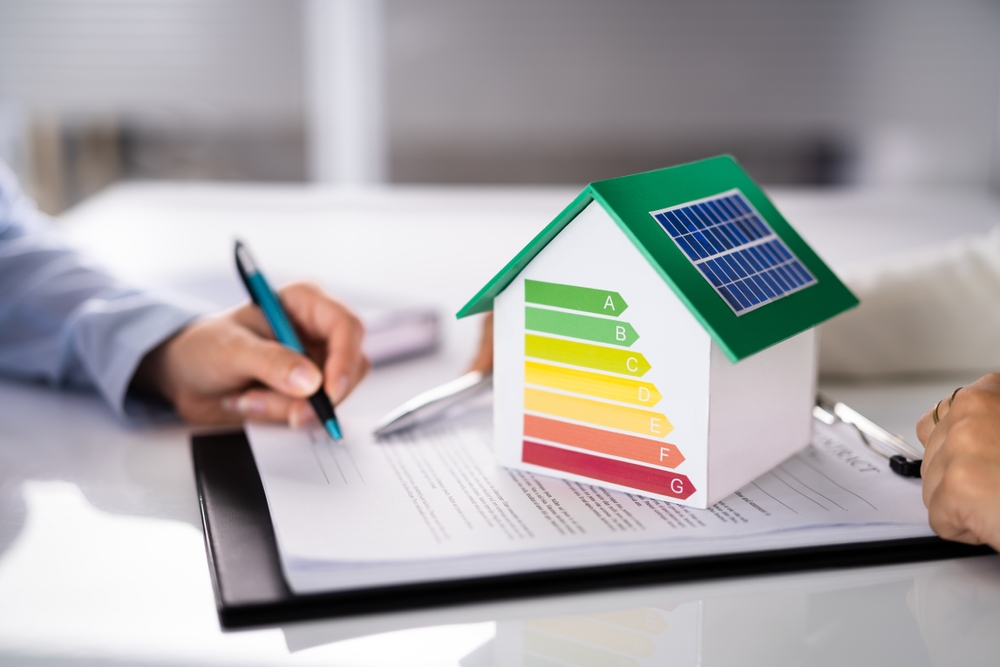
One of the most overlooked ways to save on utilities is to take advantage of rebates and utility assistance programs. Many California utilities offer incentives for installing energy‑efficient appliances, smart thermostats, home energy audits, and even LED lighting upgrades. These rebates can drastically reduce upfront costs for upgrades that ultimately save you money on bills.
Additionally, programs like CARE (California Alternate Rates for Energy) and FERA (Family Electric Rate Assistance) provide discounted rates for qualifying households. There are also water‑conservation rebates, turf replacement incentives, and help for weatherization upgrades. Because these programs vary by utility and location, it’s important to check your specific provider’s website or contact customer service to learn what’s available.
These programs represent free or reduced‑cost opportunities that many homeowners leave on the table simply because they aren’t aware they exist. By taking a few minutes to explore them, you can unlock savings that compound month after month.
Tip #7 — Seal and Insulate Your Home to Cut Hidden Costs
Many homeowners overlook the fact that a significant portion of heating and cooling energy can be lost through poorly sealed doors, windows, and gaps in the home’s structure. Even small cracks around windows or unsealed outlets can allow cold air to seep in during winter or hot air to infiltrate during summer. Over time, this unseen leakage can quietly inflate your energy bills without you even realizing it. Sealing these gaps with caulk, weatherstripping, or foam insulation is a relatively inexpensive way to prevent energy loss and keep your home comfortable year-round.
In addition to sealing leaks, proper insulation in attics, walls, and crawl spaces is critical. Older homes in California may have insulation that is insufficient for modern energy standards. Adding extra insulation can dramatically improve your home’s energy efficiency by reducing the workload on heating and cooling systems. For example, properly insulating an attic can prevent heat from rising out of your home in the winter and reduce heat gain during summer, lowering the amount of energy needed to maintain a comfortable indoor temperature.
Sealing and insulating your home not only saves money but also improves indoor comfort. Drafty rooms, cold floors, and uneven temperatures can be minimized when insulation and air sealing are properly implemented. Moreover, these upgrades can reduce wear and tear on HVAC systems, potentially extending the life of your furnace, air conditioner, or heat pump. Over time, the savings from reduced energy use often offset the initial investment, making this a cost-effective long-term strategy.
For those interested in maximizing savings, a professional energy audit can identify specific areas where heat loss or air leaks are occurring. Many utility companies in California offer free or discounted home energy assessments, which include detailed recommendations and sometimes even rebates for insulation upgrades. Combining professional insights with DIY sealing can result in substantial reductions in monthly utility bills and improved energy efficiency throughout your home.
Tip #8 — Smart Lighting Choices Can Save Big
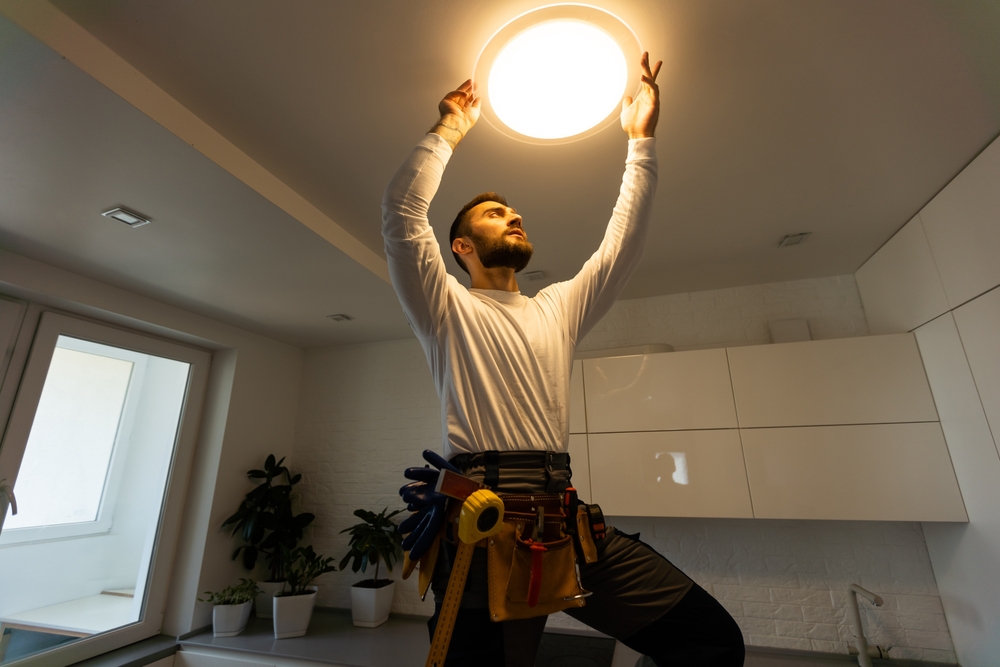
Lighting accounts for a surprising percentage of a household’s electricity usage, especially in homes with older incandescent or halogen bulbs. Replacing traditional bulbs with LED alternatives is one of the simplest and most cost-effective ways to reduce energy consumption. LEDs use up to 80% less electricity than incandescent bulbs, produce less heat, and have significantly longer lifespans, meaning fewer replacements over time. While the upfront cost of LEDs may be higher, the energy and maintenance savings more than make up for it.
Beyond simply switching to LED bulbs, smart lighting systems and automated controls can further enhance energy efficiency. Motion sensors, timers, and occupancy sensors ensure that lights are only on when needed, eliminating wasted electricity in rooms that aren’t in use. Smart home apps allow you to schedule lights, dim them, or even turn them off remotely, giving you total control over energy usage. These small adjustments, when applied consistently, can lead to substantial reductions in utility bills over time.
Strategically using natural light can also complement your smart lighting choices. Opening blinds during daylight hours or installing skylights can reduce the need for artificial lighting. Even task-specific strategies, like using focused lamps for reading or cooking rather than bright overhead lights, help minimize overall electricity consumption. Over time, combining LED technology, smart controls, and intentional use of natural light can create a highly efficient and comfortable home environment.
Finally, consider integrating lighting upgrades with utility rebate programs. Many California utilities offer incentives for upgrading to energy-efficient lighting, including smart bulbs and control systems. By taking advantage of these programs, you can lower the upfront costs of lighting improvements while securing long-term savings on electricity bills. Thoughtful lighting management is a simple yet impactful way to reduce energy costs and improve household efficiency.
Tip #9 — Optimize Your Laundry Routine

Laundry is one of the most resource-intensive tasks in a household, consuming both water and energy. Many households wash clothes in hot water out of habit, but most detergents are designed to clean effectively in cold water. Switching to cold-water washes can save hundreds of dollars annually on your electricity bill, especially if you do laundry multiple times per week. Additionally, washing full loads rather than small, partial loads maximizes efficiency and reduces overall energy and water consumption.
High-efficiency washing machines are another important consideration. Older washers can use more than twice the water and energy of modern high-efficiency models. These machines use advanced technology to detect load size and adjust water usage, minimizing waste without compromising cleaning performance. Paired with an efficient dryer, or one with moisture sensors, your laundry routine can become far more cost-effective and environmentally friendly.
Line-drying clothes or using drying racks whenever possible is another simple, no-cost way to save energy. Even partially air-drying items before finishing them in the dryer can significantly reduce electricity usage. For households in California, where electricity costs are among the highest in the country, these small adjustments can add up to meaningful savings over time, especially during the hot summer months when dryers can contribute to increased indoor temperatures.
Scheduling laundry strategically can also align with time-of-use electricity rates. Running machines during off-peak hours ensures that you pay lower rates for the energy used. Combining cold-water washes, full loads, high-efficiency machines, air drying, and timing your laundry around off-peak hours creates a comprehensive approach that cuts both water and energy costs without requiring major lifestyle changes.
Tip #10 — Monitor Usage with Smart Meters or Apps

One of the most effective ways to reduce utility costs is to actively monitor your energy and water consumption. Many California utility companies offer smart meters or companion apps that track real-time usage and provide detailed insights into where energy or water is being consumed. These tools can help identify energy-hogging appliances, detect unusual spikes in consumption, and give you the information needed to make targeted reductions.
Smart meters also allow homeowners to better understand time-of-use rates and adjust their behavior accordingly. For example, by monitoring electricity usage patterns, you can shift energy-intensive activities like running the dishwasher, laundry, or charging electric vehicles to off-peak hours, taking advantage of lower rates. Awareness alone often drives significant behavior change, as households tend to reduce consumption when they can see the immediate impact on costs.
Many apps go beyond simply displaying usage; they offer alerts, historical trends, and recommendations for energy savings. Some even allow integration with smart home systems to automate energy reductions, such as turning off lights or adjusting thermostat settings based on real-time consumption. This level of insight turns abstract utility bills into actionable data, making it easier to identify opportunities to cut costs and optimize efficiency.
Ultimately, monitoring usage empowers homeowners to make informed decisions that lead to long-term savings. By regularly reviewing your energy and water consumption, implementing behavioral adjustments, and leveraging smart technology, you can minimize waste, lower bills, and maintain greater control over your household’s utility expenses. It’s a proactive approach that pays off month after month, particularly in high-cost regions like California.
Getting the Most Bang For Your Utility Buck
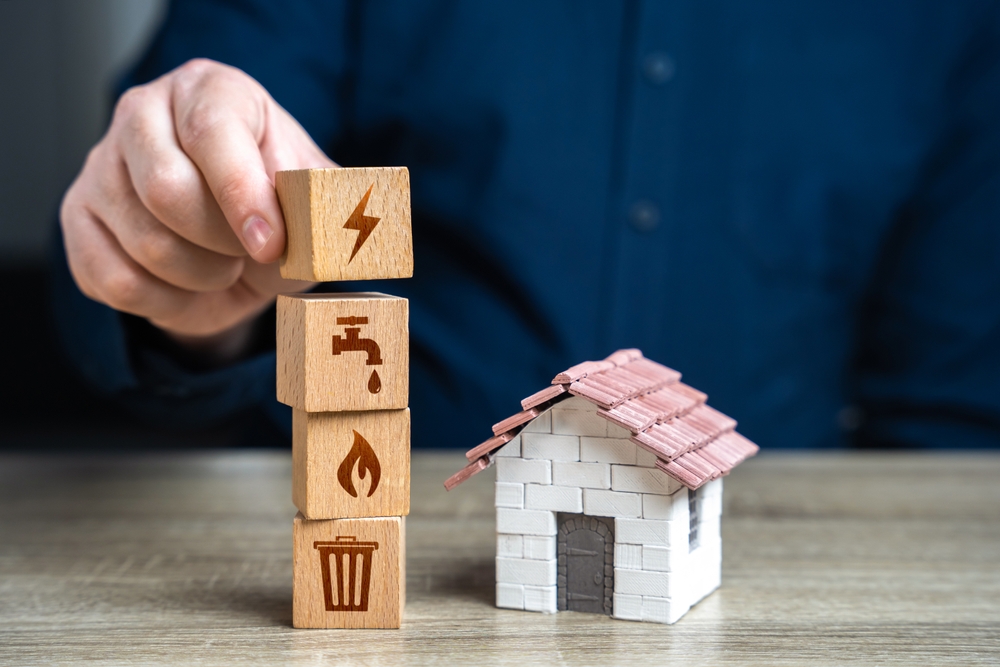
Managing utility costs in California isn’t just about lowering bills; it’s about understanding the broader forces that shape energy and water usage, and positioning your household to be ready in the face of economic and environmental pressures. This is true whether you live in California already or you’re planning to move to California.
Research consistently shows that households that track consumption, adopt efficiency measures, and plan for long-term upgrades not only save money but also experience less financial stress. According to studies by the American Council for an Energy-Efficient Economy (ACEEE), families who invest in smart home technologies and appliance upgrades can reduce household energy expenditures by up to 30% over time, far exceeding the impact of behavioral changes alone [9].
Moreover, emerging trends suggest that California’s utility landscape will continue evolving. With increasing adoption of distributed energy resources, including solar, battery storage, and microgrid technologies, homeowners who strategically engage with these systems are likely to benefit from both cost savings and enhanced energy reliability.
Water conservation is also becoming increasingly critical, as ongoing droughts and population growth put pressure on municipal supplies. Research from the Pacific Institute indicates that sustainable water use strategies can reduce overall household water consumption by up to 40%, demonstrating that small, proactive changes yield outsized results [10].
Ultimately, approaching utilities as a long-term planning challenge, rather than a monthly nuisance, offers financial, environmental, and lifestyle benefits. By combining awareness of time-of-use rates, strategic appliance upgrades, conservation habits, and available rebates, homeowners can create a cost-efficient household that is better insulated against inflation and future rate increases. In short, thoughtful utility management is not just about saving dollars today; it’s about securing energy and water stability for the years ahead.
Sources
- Average U.S. household utility spending
- U.S. inflation rate, October 2025
- Electricity and gas price increases in 2025
- California utility rates, TOU, and wildfire mitigation costs
- ENERGY STAR appliance benefits
- Time-of-use rate plans
- Benefits of programmable thermostats
- Water prices by state 2025
- American Council for an Energy-Efficient Economy (ACEEE)
- Pacific Institute: Water Conservation Research
Disclaimer
This article has been thoroughly researched and is intended to provide general information and insights related to real estate and utility management. It is for informational and entertainment purposes only and should not be considered professional, financial, or legal advice. Individual circumstances vary, and readers are encouraged to consult with a qualified professional before making decisions regarding home purchases, utility management, or other financial matters.