Quick Verdict: The best time to visit California for most travelers is September through November. Fall delivers warm temperatures (70-85°F in most regions), thinner crowds at popular attractions, lower hotel rates, and some of the clearest skies of the year. For beach trips, aim for September-October when ocean water reaches its warmest. Skiers should target January through March for the deepest snowpack at Lake Tahoe and Mammoth.
Last updated: April 2026 | 11 min read
Written by Alex Schult
California resident and founder of LivinginCalifornia.com. Has camped, hiked, and explored California’s coastline and backcountry for years. U.S. veteran and serial entrepreneur. Featured by Forbes and Inc. Magazine.
Editorial disclosure: Product recommendations are based on personal experience. Amazon affiliate links support LivinginCalifornia at no extra cost to you.
In This Guide
Why Timing Your California Trip Matters
California stretches roughly 800 miles from the Oregon border to Mexico, spanning climate zones from Mediterranean coastline to alpine peaks to scorching desert floors. Planning your California trip timing and knowing when to visit California depends entirely on where you are going and what you want to do. A perfect week for wine tasting in Napa (October) is a terrible week for Death Valley (still 100°F+). Mammoth gets prime skiing in February while the Central Coast basks in 65°F sunshine during the same afternoon. Understanding California weather by month is essential to pick the right region for your dates.
Importantly, timing determines how much you spend. Hotel rates in popular destinations swing 40-60% between peak summer and shoulder seasons. Notably, a September visit to San Francisco typically saves $100-150 per night compared to July, while delivering better weather (less summer fog). Understanding California travel seasons helps you avoid paying premium prices for subpar conditions.
This guide breaks down the best months to visit california by region, activity, and budget, drawing on years of living here and watching tourists make the same timing mistakes. If you are planning life in California or visiting for the first time, this information saves you money and improves your trip.
After years of living in California, I have learned the hard way summer in San Francisco means fog and a jacket, not beach weather. I have visited nearly every region during multiple seasons, and this experiential knowledge shapes which months I recommend for different destinations. Ideal travel timing shifts dramatically based on geography, and I have personally witnessed how timing affects both the experience and the price tag of a trip.
Best Time to Visit California by Season

Spring (March – May): Wildflowers and Warming Temperatures
Spring ranks as the second-best season for overall California travel value. March and April bring spectacular wildflower blooms to the desert regions (Anza-Borrego, Antelope Valley) and rolling green hillsides across the Central Valley. Temperatures climb into the 65-75°F range along the coast and 70-85°F inland. However, Northern California and mountain regions remain cool and wet through April, with snow lingering at higher elevations into May.
Spring advantages include moderate crowds at national parks, lower hotel rates than summer, and pleasant hiking conditions across Southern California. However, the main drawback: ocean water stays cold (55-60°F) through May, limiting beach swimming to the bravest visitors. For Yosemite, spring means peak waterfall flow from snowmelt, making April and May the best months to see Yosemite Falls at full power.
Summer (June – August): Peak Season with a Fog Warning
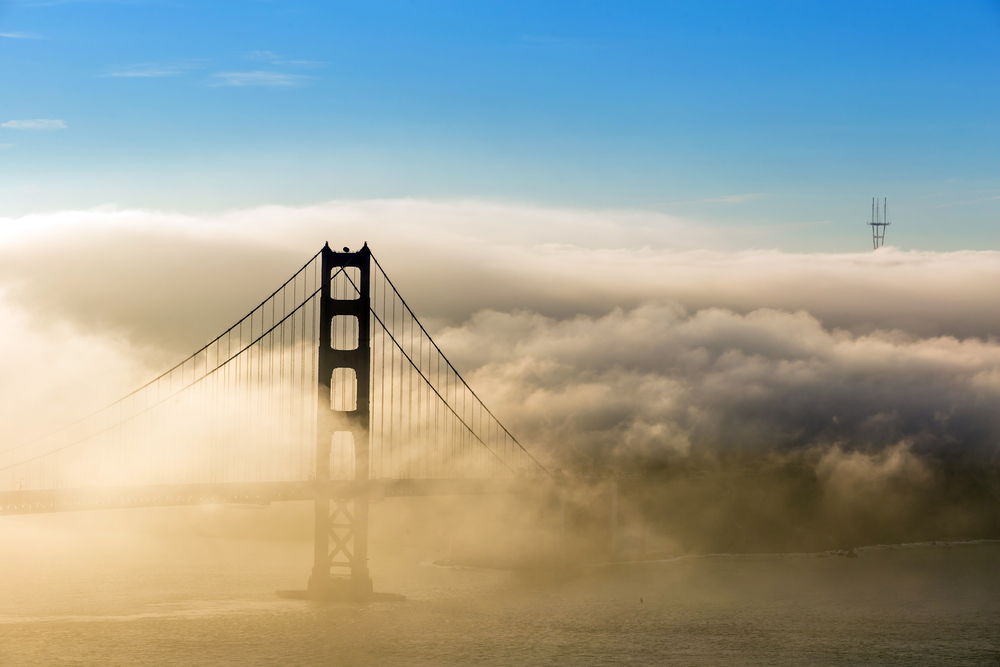
Summer draws the largest crowds to California, but California weather by month varies dramatically by location. Southern California delivers reliable 80-90°F beach days. In contrast, San Francisco and the Northern California coast are famous for summer fog (locally called “Karl”) keeping temperatures in the 55-65°F range through July. First-time visitors expecting warm San Francisco summers are consistently disappointed.
On the plus side, summer delivers longest daylight hours (sunrise at 5:45 AM, sunset after 8:30 PM), warmest ocean water in Southern California (68-72°F by August), and all parks and attractions fully open. Conversely, summer brings highest hotel prices, heavy crowds at Yosemite, Big Sur, and Disneyland, fire season beginning in late August, and desert destinations becoming dangerously hot (115°F+ in Death Valley and Palm Springs). When to visit California in summer depends on your tolerance for crowds and your specific destination.
Fall (September – November): The Best-Kept Secret
For most California visitors, fall is the top choice. September and October deliver warm temperatures statewide (70-85°F in most regions) with minimal rain, thinner crowds, and significantly lower hotel rates. The ocean reaches peak warmth in September-October, making it the best window for Southern California beach trips. Also, San Francisco’s warmest month is typically September or October, not July or August.
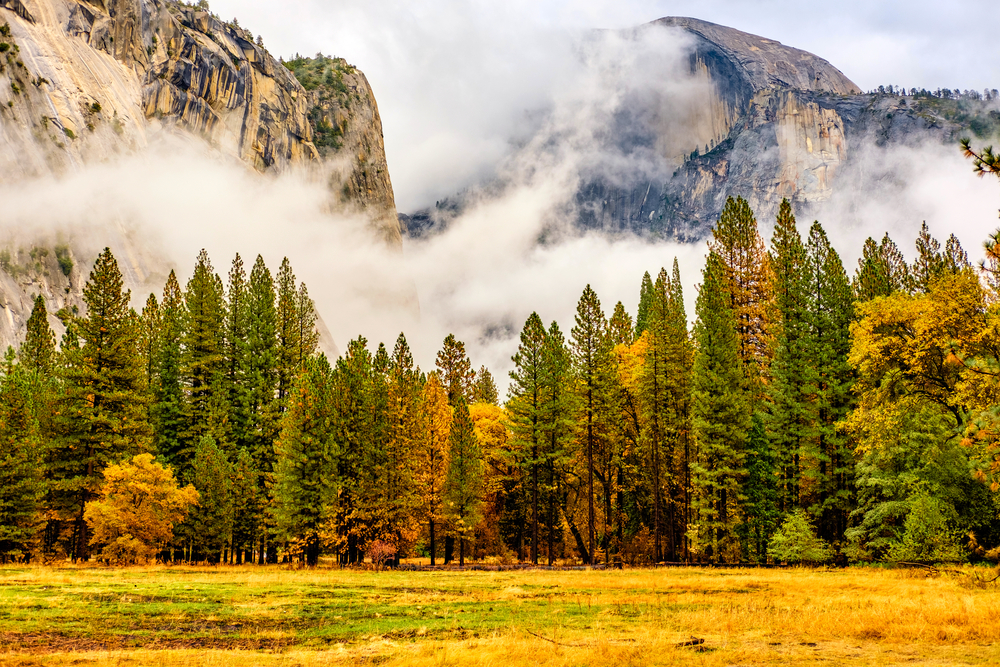
In addition, wine country peaks during fall harvest (September-October) with grape picking, crush events, and golden vineyard landscapes across Napa, Sonoma, and Paso Robles. Similarly, national park crowds thin dramatically after Labor Day, with Yosemite in October offering nearly empty trails and brilliant fall color in the valley. The primary risk: fire season continues through November in a dry year. Check air quality forecasts before visiting the Sierra foothills and inland valleys during fall.
Winter (December – February): Desert Season and Ski Season
Winter splits California into two distinct experiences. The mountains receive heavy snowfall (Lake Tahoe averages 300+ inches per season), making December through March prime skiing and snowboarding months. In contrast, the deserts enter their best season with comfortable 60-75°F daytime temperatures, perfect for exploring Joshua Tree, Death Valley, and Anza-Borrego. Consequently, your ideal winter trip depends on whether you prefer snow or sunshine.
Meanwhile, coastal California stays mild (55-65°F) through winter with periodic rain. In fact, Southern California averages only 38-40 rainy days per year, so even winter trips to LA, San Diego, and Santa Barbara encounter mostly dry weather. Hotel rates drop 30-50% at beach destinations during winter, offering exceptional value for visitors who do not require swimming-temperature water. For perspective on what California costs year-round, winter travel provides the best deals outside of fire season.
Best Months by Region
| Region | Best Months | Avoid | Why |
|---|---|---|---|
| San Francisco Bay Area | Sep – Nov | Jun – Jul (foggy) | Fall delivers the warmest, clearest weather; summer fog disappoints |
| Los Angeles / SoCal Coast | Sep – Nov, Apr – May | Jul – Aug (crowded, expensive) | Shoulder seasons offer warm beaches without peak-season pricing |
| San Diego | Year-round; Sep – Nov ideal | None (mild year-round) | Warmest ocean water Sep-Oct; fewest crowds Nov |
| Napa / Sonoma Wine Country | Sep – Oct (harvest) | Jan – Feb (rainy) | Fall harvest events, golden vineyards, warm dry days |
| Yosemite / Sierra Nevada | May – Jun, Sep – Oct | Jul – Aug (overcrowded) | Spring waterfalls or fall colors; summer brings gridlock |
| Lake Tahoe | Jan – Mar (ski), Jul – Sep (lake) | Nov, Apr (shoulder mud season) | Winter for skiing, summer for water sports; shoulder months muddy |
| Death Valley / Desert | Nov – Mar | Jun – Sep (dangerously hot) | Summer temps reach 130°F; winter is perfect 65-75°F |
| Central Coast (Big Sur, SLO) | Sep – Nov, Apr – Jun | Dec – Feb (highway closures) | Mild year-round; fall and spring avoid summer crowds and winter storms |
| Redwood Coast (North) | Jul – Sep | Nov – Mar (heavy rain) | Summer is the only reliably dry window; fog burns off by midday |
Best Time to Visit California by Activity
Outdoor and Warm-Weather Activities
I have visited California during every season for different activities, and I have learned which windows deliver the best experience for each pursuit. Below, I share insights on optimal timing for various California activities, drawn from personal experience with Southern California beaches, Sierra Nevada hikes, and coastal explorations across multiple years and seasons.
Beach swimming and surfing: Notably, September and October provide the warmest ocean temperatures (65-72°F in Southern California). However, water stays cold along the Northern California coast year-round (52-58°F), so wetsuits are required regardless of month. For surfers, winter storms (November through February) generate the biggest swells along the coast.
Hiking and national parks: April through June and September through October offer the most comfortable hiking conditions. Conversely, summer hiking at lower elevations means dangerous heat (100°F+ in inland valleys). Fall delivers cooler temperatures with mostly dry trails across all regions. Specifically, the best hikes in California become more enjoyable when you time your visit to avoid extreme heat and peak crowds.
Wine tasting: September and October during harvest season provide the most immersive wine country experience. As a result, tasting rooms are busiest on weekends year-round; therefore, midweek visits provide more personal attention from staff. Winter months offer the emptiest tasting rooms and occasional barrel-tasting events, though vineyards look dormant.
Skiing, Snowboarding, and Theme Park Timing
Skiing and snowboarding: January through March delivers the most consistent snow at Lake Tahoe, Mammoth Mountain, and Big Bear. Notably, February typically receives the heaviest snowfall. In contrast, early-season skiing (November-December) depends on natural snow and early snowmaking. Meanwhile, spring skiing (April) offers warm sunshine with corn snow conditions on clear days.
Theme parks (Disneyland, Universal Studios): For the shortest California theme park lines, aim for mid-January through mid-March (excluding Presidents’ Day week) or mid-September through mid-November (excluding Halloween event dates) for the shortest lines. Summer and holiday weeks bring 60-90+ minute waits for popular rides versus 15-30 minutes during low seasons.
Essential California Travel Daypack
Osprey Daylite Plus 20L
Lightweight, fits a water bottle and layers for California’s temperature swings. Mesh back panel keeps you cool on warm hikes. Ideal for day trips across every California region and season.
Crowd Levels and Cost Patterns
| Month | Crowd Level | Hotel Cost Index | Notes |
|---|---|---|---|
| January | Low | $$ (except ski areas: $$$$) | Best hotel deals at coast; ski season peak |
| February | Low | $$ | Whale watching peak; Valentine’s weekend spike |
| March | Moderate | $$$ | Spring break surge mid-month; wildflowers begin |
| April | Moderate | $$$ | Peak wildflowers; Yosemite waterfalls surge |
| May | Moderate-High | $$$ | Memorial Day weekend starts summer pricing |
| June | High | $$$$ | School out; SF fog arrives; beach season begins |
| July | Peak | $$$$ | Highest prices statewide; Yosemite reservation required |
| August | Peak | $$$$ | Fire season begins; warmest ocean water developing |
| September | Moderate | $$$ | Best overall month; crowds drop after Labor Day |
| October | Moderate-Low | $$$ | Best value: warm weather + lower prices + thin crowds |
| November | Low | $$ | Thanksgiving week exception; otherwise excellent deals |
| December | Moderate | $$$ | Holiday travel surge last 2 weeks; ski season opens |
Notable California Events Worth Timing Your Trip Around
January-February: Tournament of Roses Parade (Pasadena, Jan 1), whale watching season peaks along the coast (gray whales migrating south), Lunar New Year celebrations in San Francisco’s Chinatown.
March-April: Wildflower super blooms in Anza-Borrego and Antelope Valley (timing varies by rainfall), Coachella Music Festival (Indio, April), cherry blossom viewing in San Francisco’s Japantown. Moreover, Yosemite waterfalls reach peak flow during these months as snowmelt accelerates.
May-June: Monterey Bay Wine Festival (May), San Diego Pride (mid-July), Napa Valley restaurant week. Summer solstice on June 21 delivers the longest day with over 14.5 hours of daylight.
July-August: Fourth of July celebrations statewide (San Diego’s Big Bay Boom fireworks is the largest on the West Coast), Outside Lands music festival (San Francisco, August), California State Fair (Sacramento, July).
September-October: Wine harvest across Napa, Sonoma, and Paso Robles (crush events open to visitors), Monterey Jazz Festival (September), Half Moon Bay Pumpkin Festival (October). These two months represent the peak of California travel seasons for event-rich visits.
November-December: Dia de los Muertos celebrations (statewide, early November), holiday light displays at Disneyland and throughout Southern California, early ski season opening at Mammoth and Tahoe (typically mid-November). Additionally, Thanksgiving through New Year brings a festive atmosphere to coastal towns and wine country.
What to Pack for Each Season
Pack layers regardless of season since California’s weather by month varies dramatically. Temperatures swing 20-30°F between morning and afternoon, especially in coastal areas where fog burns off by midday.
Spring (Mar-May): Light jacket, rain layer, sunscreen, comfortable walking shoes. Temperatures range 55-80°F.
Summer (Jun-Aug): SPF 50+ sunscreen, hat, sunglasses, light clothing, warm layer for San Francisco fog. Bring a fleece jacket for evenings even in July.
Fall (Sep-Nov): Layers for 50-85°F swings, light jacket, sunscreen, hiking shoes. This season is easiest to pack for since extreme weather is rare.
Winter (Dec-Feb): Warm jacket for Northern California mountains, rain gear, ski gear for mountain trips. Southern California stays mild enough for jeans and light sweater.
Year-Round California Sun Protection
Sun Bum SPF 50 Sunscreen Lotion
Reef-friendly, water-resistant for 80 minutes, and light enough for daily wear. California’s UV index stays high year-round, making quality sunscreen a year-round travel essential.
Quick Seasonal Comparison
Best for Each Season
- Spring: Wildflowers, Yosemite waterfalls, moderate prices
- Summer: Long days, warm ocean, all attractions open
- Fall: San Francisco warmth, wine harvest, thin crowds
- Winter: Skiing, desert comfort, lowest coast prices
Watch Out For
- Spring: Cold water, rain, mountain snow
- Summer: Peak pricing, fog, fire risk, heat
- Fall: Fire season, shorter days
- Winter: Coast rain, cold water, short days
Final Verdict
The best time to visit California for most travelers is September through November, with October as the optimal month. This window delivers warm weather, manageable crowds, and hotel rates 30-40% below July peaks. Avoid July-August unless peak summer is required for your plans. Ultimately, match your destination to the season for the best experience year-round.
Frequently Asked Questions
Is California warm enough to visit in winter?
Absolutely. Southern California stays warm (60-70°F in LA and San Diego) during winter visits. Beach walks and hiking remain pleasant though water is cold (58-62°F). Northern California is cooler (50-60°F) with rain. The deserts offer the best winter weather at 65-75°F.
When is the cheapest time to visit California?
January through early March offers the lowest hotel rates, down 30-50% from summer. Flights also drop then. The best weather-to-price ratio occurs in October-November with warm days at moderate cost.
Why is San Francisco cold in summer?
Hot Central Valley air creates low pressure, drawing cold Pacific air through the Golden Gate. This produces fog keeping SF at 55-65°F in July. For warm SF weather, aim for September-October (mid-70s) when the fog pattern breaks.
When do California wildflowers bloom?
Desert wildflowers bloom February-April depending on rainfall. Inland regions peak March-May. Super bloom years follow heavy winter rains. The Antelope Valley Poppy Reserve near Lancaster peaks mid-March to mid-April.
When is fire season in California?
Notably, fire season runs June-November with peak risk September-November during Santa Ana winds. Check AirNow.gov for air quality before visiting Sierra foothills, valleys, and mountains. Coastal areas typically stay clear.