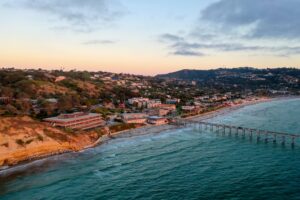
California is more than Los Angeles and San Francisco. Between the Sierra foothills and the Pacific coastline, the state is filled with small towns that have their own identities, their own economies, and their own reasons to show up on your radar. Some were built during the Gold Rush and still look the part. Others are coastal artist enclaves where the loudest sound at night is the ocean. A few are farming communities in the Central Valley where your dollar stretches further than anywhere else in the state. If you are researching small towns in California, this guide gives you a strong starting point.
Small-town California delivers things the metros struggle to offer: walkable downtowns where shop owners know your name, genuine community events, direct access to nature, and a pace of life that lets you breathe. Some of these towns have low housing costs. Some are premium. All of them have character. These small towns in California vary by price and pace, but each one offers a distinct daily rhythm.
The state median home price sits at $835,500, according to Redfin. Several towns on this list come in well below that line. Others cost more than the average but deliver a quality of life that explains the price tag.
This guide profiles 10 small towns in California across three regions: Northern California, the Central Coast, and the southern half of the state. Each profile includes population, median home price, cost of living data, and an honest look at what daily life is like. Whether you work remotely, are approaching retirement, raising a family, or chasing a creative life, one of these towns deserves a visit. If you want towns in California that balance community and access to nature, these small towns in California belong on your list of potential places to move in the Golden State.
Small Towns in Northern California
Northern California beyond the Bay Area is a different world. The Sierra foothills hold Gold Rush towns with Victorian downtowns intact. The Sacramento Valley has college towns with outsized cultural scenes. And the far-north coast offers Victorian seaports surrounded by redwoods. Housing costs in these areas range from some of the lowest in the state (Eureka) to surprisingly steep for their size (Nevada City). If you are weighing small towns in California by region, this section covers several of the strongest towns in California for history, nature, and community.
1. Nevada City
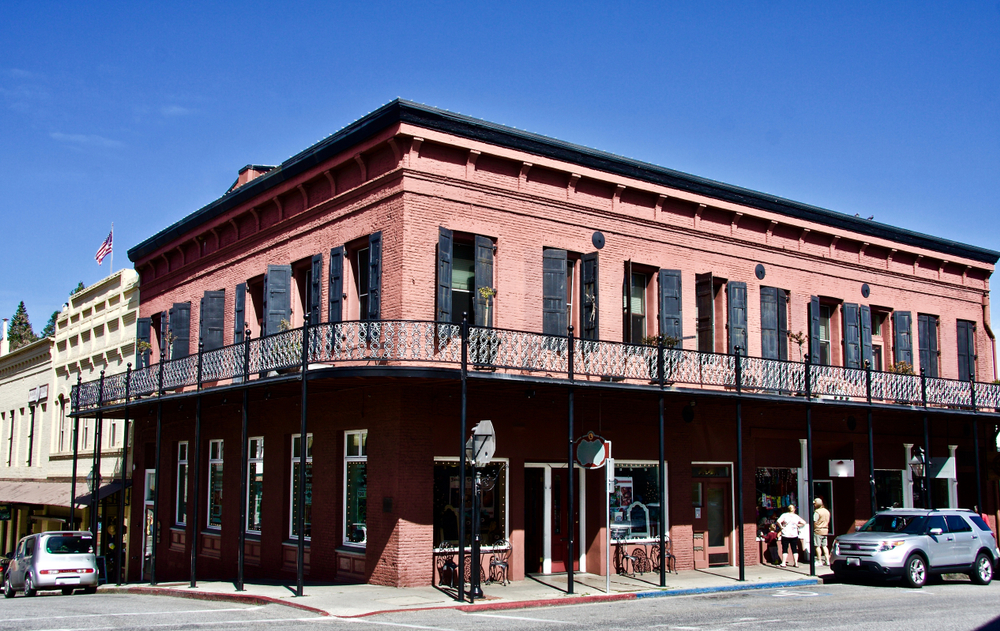
Nevada City is a Gold Rush town that never modernized into something generic. The downtown is a registered historic district: gas-lit streets, Victorian storefronts, independent bookstores, art galleries, and zero chain stores on Broad Street. The population is roughly 3,100, making it one of the smallest towns on this list, but the cultural output is significant. For many people comparing small towns in California, Nevada City sets the bar for preserved character.
The Nevada City Film Festival, the Miners Foundry Cultural Center, and a strong live-music circuit draw writers, musicians, and visual artists. The town has become a creative-class hub in the foothills, attracting remote workers and freelancers who want mountain air and community without suburban sprawl.
Median home prices run between $599,000 and $641,000, according to Redfin/Rocket Homes. The cost of living sits about 42% above the national average, though it tracks roughly 1% below the California state average. For a town of 3,100 people, that price tag reflects demand from Bay Area transplants and second-home buyers.
South Yuba River State Park is nearby for swimming and hiking. Tahoe National Forest is 20 minutes away. Sugar Bowl and Boreal ski resorts are under an hour. Sacramento is about 60 miles southwest on winding two-lane roads.
The honest take: this is a California lifestyle pick, not a job-market move. The local economy is small. Groceries and services cost more than in the valley. But if you work remotely and want a tight creative community in a postcard-worthy setting, Nevada City is hard to match. Among small towns in California, it is a top choice for creatives who prioritize place over commute.
2. Grass Valley
AstroDominant, CC BY 4.0 https://creativecommons.org/licenses/by/4.0, via Wikimedia Commons
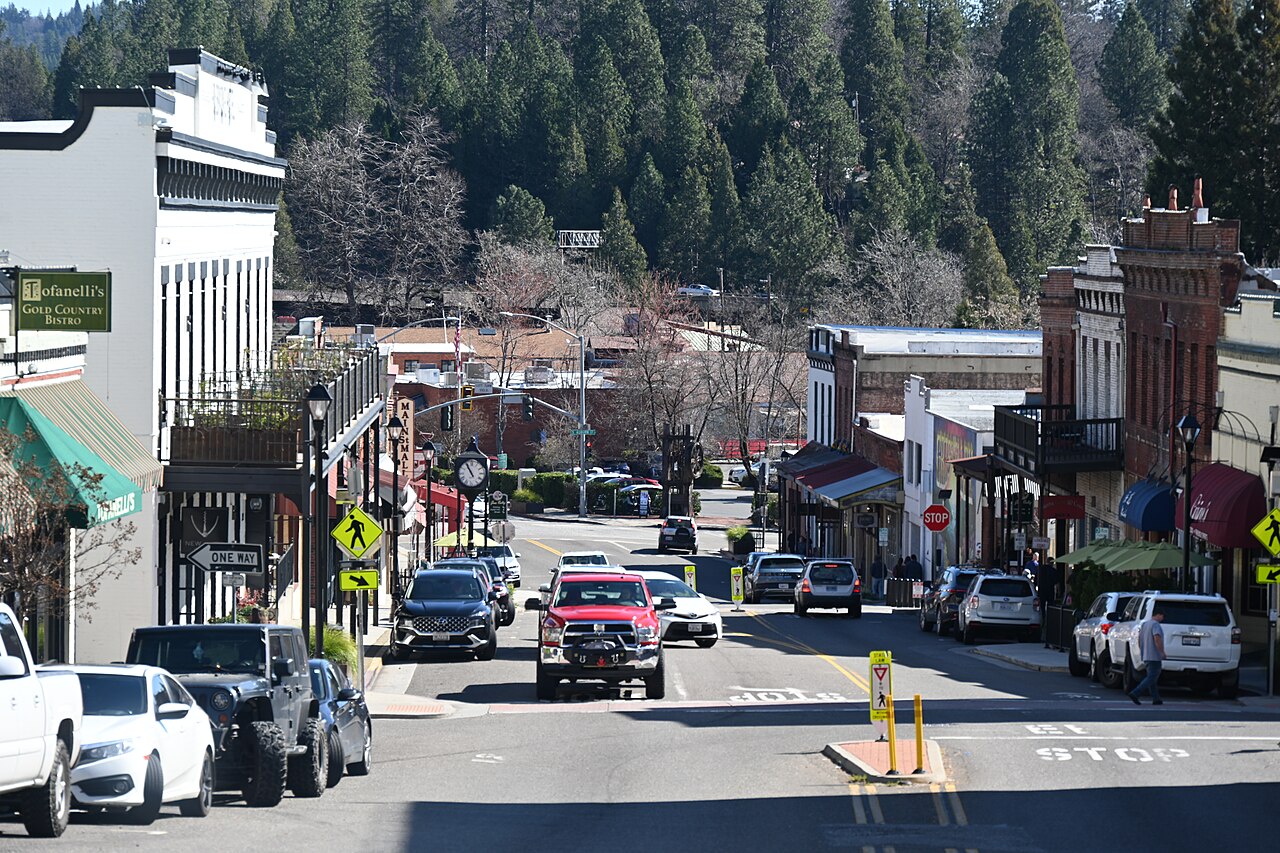
Grass Valley is Nevada City’s bigger, more practical neighbor. With a population of about 13,900, it has the grocery stores, medical facilities, and community college that Nevada City lacks. The median home price sits around $493,000, according to Redfin, and the cost of living is approximately 12% above the national average but about 20% below the California state average. That makes Grass Valley noticeably more affordable than its artsy neighbor four miles up the road. If you want small towns in California with foothill access and more day-to-day services, Grass Valley fits.
The town has genuine Gold Rush heritage. Cornish miners built much of the community in the 1850s, and that history shows up in the annual Cornish Christmas celebration each December and the Holbrooke Hotel, the oldest continuously operating hotel in California west of the Rockies. Empire Mine State Historic Park preserves 367 acres of trails and the hard-rock gold mine that ran from 1850 to 1956.
The honest take: the job market is limited. Winters bring snow at 2,500 feet of elevation. Specialized healthcare requires a drive to Sacramento. But for retirees and families who want Sierra foothill living with more services and lower prices than Nevada City, Grass Valley is the pragmatic choice. It is one of the small towns in California that balances charm with practicality.
3. Chico
Frank Schulenburg, CC BY-SA 4.0, via Wikimedia Commons
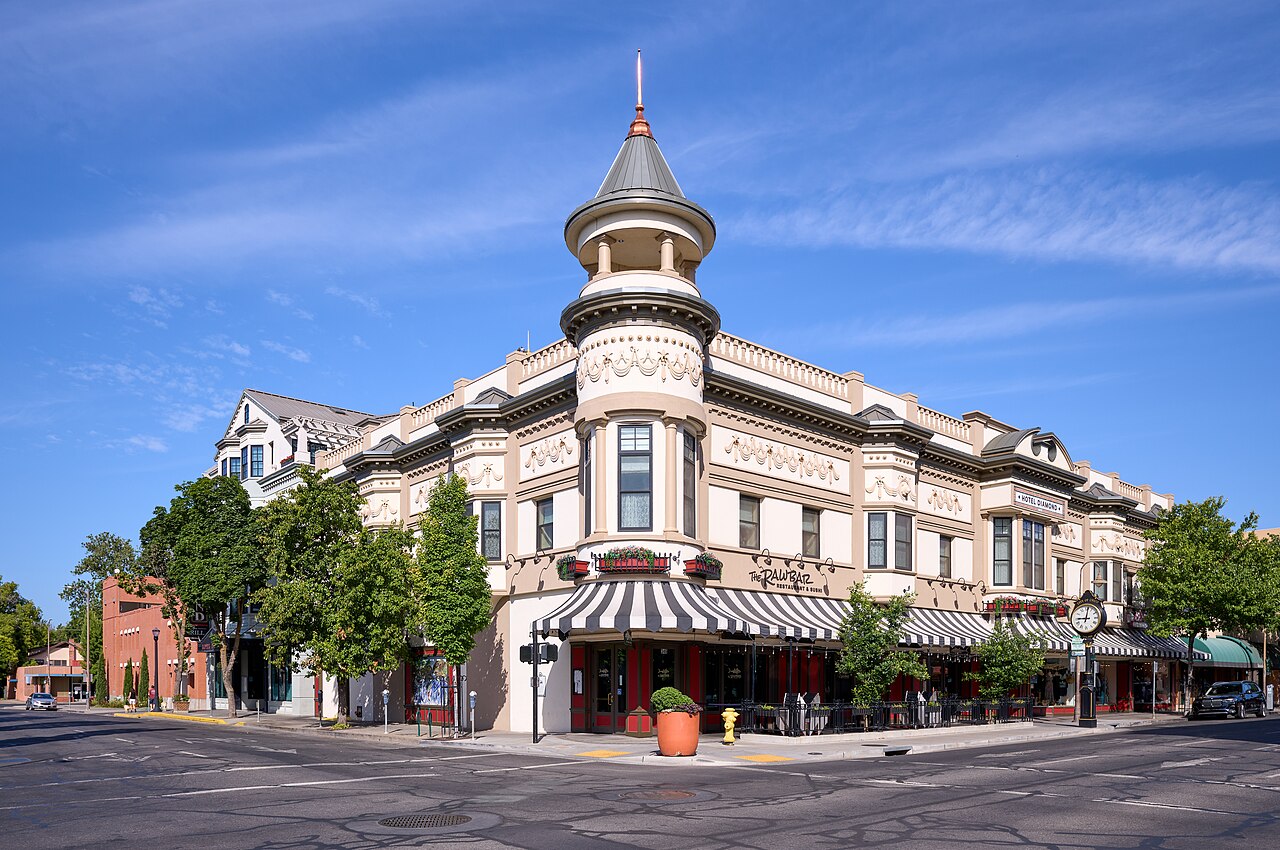
Chico is the largest “small town” on this list at roughly 101,000 people. It earns its spot because it retains a genuine community feel, driven by California State University, Chico, and a walkable, lively downtown. The median home price ranges from $398,000 to $458,000, and the cost of living runs 10 to 26% below the California state average, depending on the data source. For families and students comparing small towns in California, Chico offers scale without losing identity.
Bidwell Park is the centerpiece: 3,670 acres of hiking trails, swimming holes, and mountain biking routes, making it one of the largest municipal parks in the United States. Sierra Nevada Brewing Company is headquartered here and operates a taproom and restaurant. Thursday night farmers markets and Friday evening live music give the downtown a regular pulse of activity.
The important context: the 2018 Camp Fire destroyed nearby Paradise and reshaped the region. Housing demand in Chico spiked, and wildfire risk remains a real factor. Insurance costs reflect that reality. Summers are hot, regularly exceeding 100°F. But for the price, Chico offers a college-town energy, strong outdoor access, and a craft-beer scene that bigger cities envy. It is one of the small towns in California that can still feel lively year-round.
4. Eureka
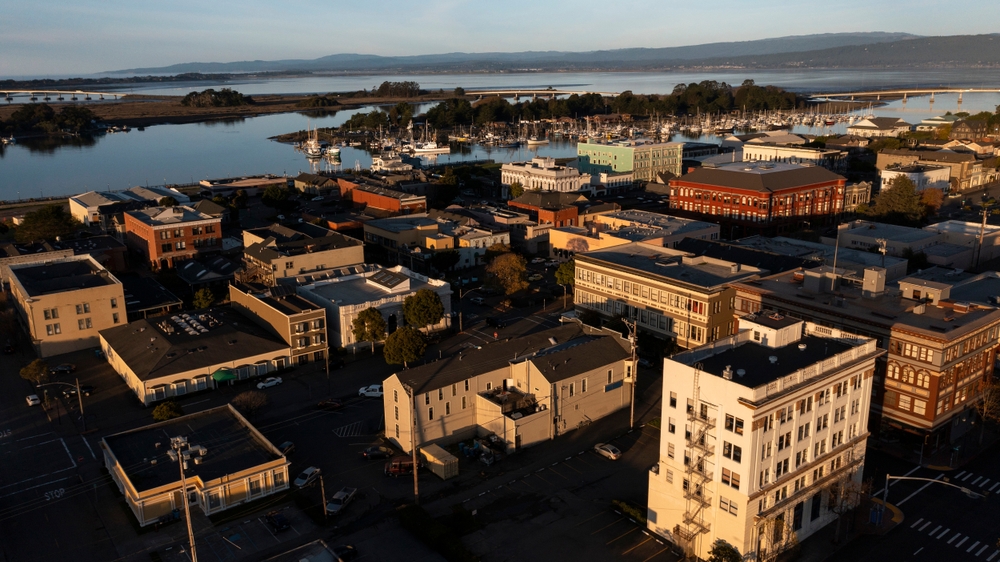
Eureka is coastal California at small-town prices. Located in Humboldt County on the far-north coast, it offers homes starting around $261,000 in some neighborhoods and topping out near $420,000 in the most desirable areas. The cost of living runs 22 to 28% below the California state average, making Eureka one of the most affordable coastal towns in the western United States. For buyers targeting small towns in California near the ocean, Eureka is a rare value.
Old Town Eureka sits on the waterfront: Victorian-era buildings, the Carson Mansion (one of the most photographed Victorian homes in the country), local galleries, and restaurants. Sequoia Park and its small zoo provide family-friendly outings. Humboldt Bay is a kayaking destination. Redwood National Park is a short drive north.
The population is about 26,500. The economy centers on healthcare, education, government, and growing eco-tourism. The job market is stable but small; higher-paying specialized roles are limited.
The honest take: Eureka receives over 40 inches of rain per year. Winters are cool, gray, and damp for weeks at a time. Sacramento is four hours south. If you thrive in rainy, quiet, nature-surrounded environments, this town delivers exceptional value. If you need sunshine and nightlife, keep scrolling. Among small towns in California, Eureka trades weather for affordability and redwood access.
Small Towns on the Central Coast
California’s Central Coast stretches roughly from San Luis Obispo County north through Santa Barbara County and into Ventura County. The small towns here tend to be more expensive than their northern or valley counterparts, but they offer mild climates, coastal access, wine country, and a slower pace that draws retirees, artists, and second-home buyers. If you are building a shortlist of small towns in California for climate and scenery, this section highlights several California towns that carry a premium.
5. Solvang
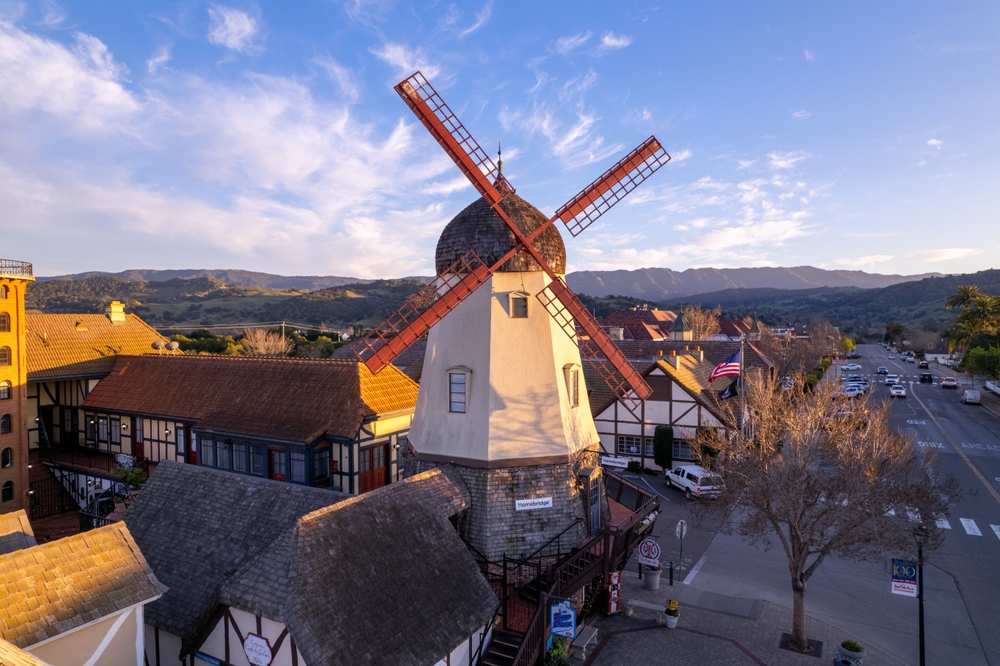
Solvang looks like a Danish village because it is one. Founded in 1911 by Danish immigrants on nearly 9,000 acres in the Santa Ynez Valley, the town features half-timbered buildings, working windmills, and aebleskiver bakeries. The population is about 5,900. For travelers and residents alike, Solvang remains one of the most distinctive small towns in California.
Median home prices range from $779,000 (Census-based estimates) to over $1 million (Redfin median sale). The cost of living runs about 45% above the national average and roughly 7% above the California state average. This is a premium small town.
The Santa Ynez Valley wine country surrounds Solvang, with over 100 wineries within a 15-minute drive. The Elverhoj Museum of History and Art preserves the Danish-American story. The Solvang Festival Theater hosts outdoor performances. Annual Danish Days in September draws crowds.
Santa Barbara is about 35 miles south. Close enough for day trips and airport access, far enough for Solvang to maintain its own identity.
The honest take: home prices are high for a town this size. Weekend tourism traffic fills the main streets. The local economy depends heavily on visitors, which creates seasonal swings. But if wine country living in a walkable, distinctive community appeals to you, Solvang is unlike anything else in the state. It is one of the small towns in California where tourism and daily life overlap by design.
6. Cambria
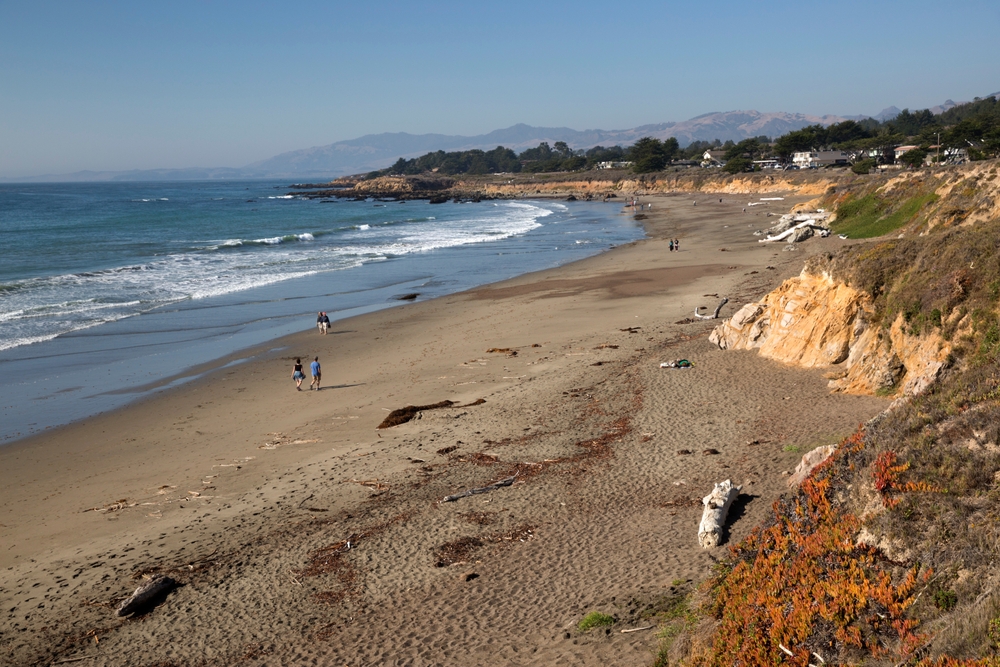
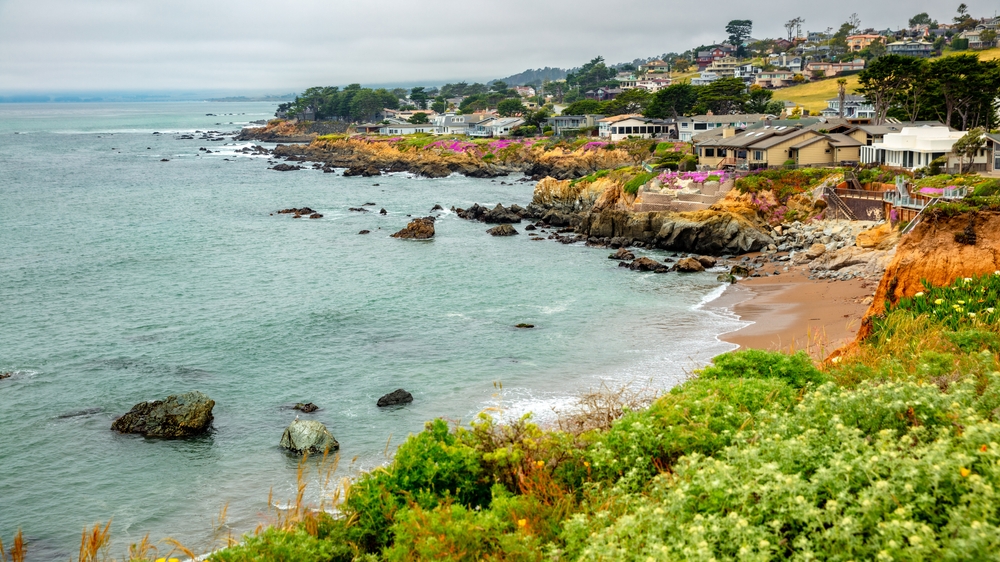
Cambria sits on the Central Coast between Big Sur and Hearst Castle. The population is about 6,000, with a median age of 61.4 years. That number tells you exactly who this town attracts: retirees, artists, and people seeking quiet coastal living. If you are researching small towns in California that feel calm year-round, Cambria fits that profile.
Median home prices range from $825,000 to $990,000, according to Redfin and Zillow. The cost of living index is 171, or 1.7 times the national average. Median household income is $89,049.
Moonstone Beach is the primary draw: a mile-long boardwalk with ocean views, sea otters offshore, and beachcombing for moonstones, jade, and jasper. It’s no wonder it’s one of the top beaches in California.
Fiscalini Ranch Preserve offers 430 acres of free coastal bluff trails. The East and West Village areas have art galleries, wine tasting rooms, and locally owned restaurants. Hearst Castle is 15 minutes north. The climate is mild year-round, with an average high of 70°F and very few extreme heat days.
The honest take: expensive for a small town. The nearest hospital is 25 miles east in Templeton. There is no nightlife. Downtown closes early. If you want quiet, beauty, and solitude, Cambria delivers in full. If you need energy and activity, this is not your town. Among small towns in California, Cambria prioritizes scenery and silence.
7. Ojai
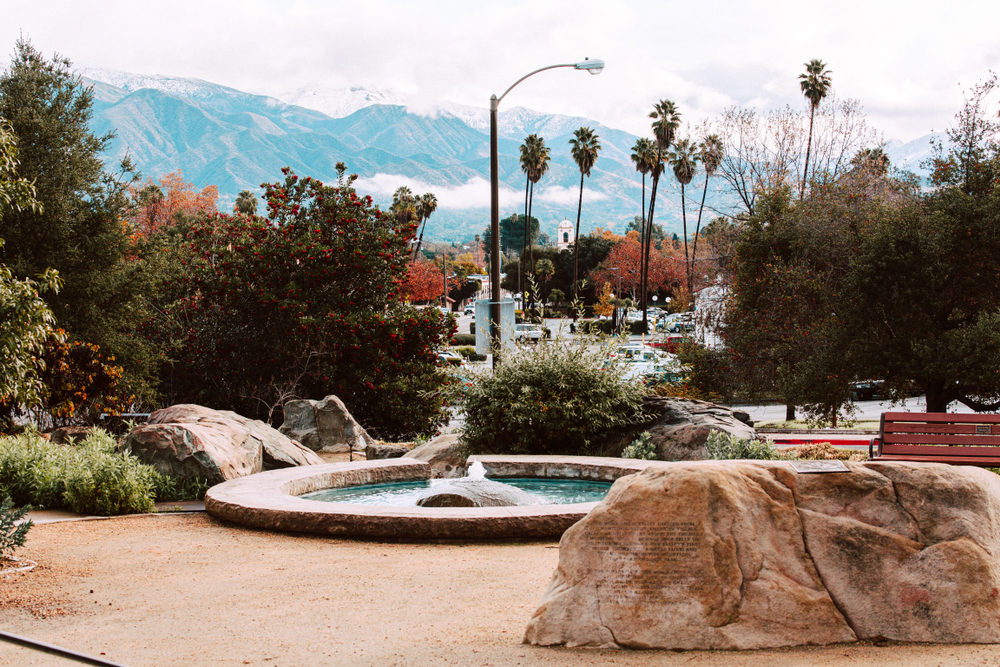
Ojai sits in a valley north of Ventura, surrounded by the Los Padres National Forest. The population is about 7,600. The vibe is upscale bohemian: organic farms, yoga studios, meditation retreats, independent bookstores, and art galleries. The town is famous for the “Pink Moment” at sunset, when the Topa Topa Mountains glow pink. It happens daily, and it never gets old. If you are comparing small towns in California for wellness culture and art, Ojai leads the pack.
Median home prices range from $871,000 to over $1 million. This is the most expensive small town on this list. The Ojai Valley Inn is a landmark resort. Bart’s Books is a world-famous outdoor bookstore. The Sunday farmers market functions as a community gathering point.
Ojai is about 30 minutes from Ventura and the coast, 90 minutes from Los Angeles. Los Padres National Forest provides hiking, mountain biking, and horseback riding in every direction.
The honest take: expensive. Summers are hot in the valley. The Thomas Fire (2017) and subsequent mudslides affected the area, and wildfire risk remains real. The local economy is small and tourism-driven. But for people drawn to wellness culture, arts, and natural beauty, Ojai is singular. There is nowhere else like it in California. Many lists of small towns in California include Ojai for a reason.
Small Towns in Southern California and the Central Valley
The southern half of the state holds two distinct types of small-town living. Along the coast, communities like Oxnard offer beach access at prices well below Santa Barbara or Malibu. Inland, the Central Valley towns of Porterville and Tulare represent the most affordable options in all of California, with agricultural economies and close proximity to the Sierra Nevada. If you want small towns in California that cover both coastal and budget-friendly inland options, this section includes several California towns that show that range.
8. Oxnard
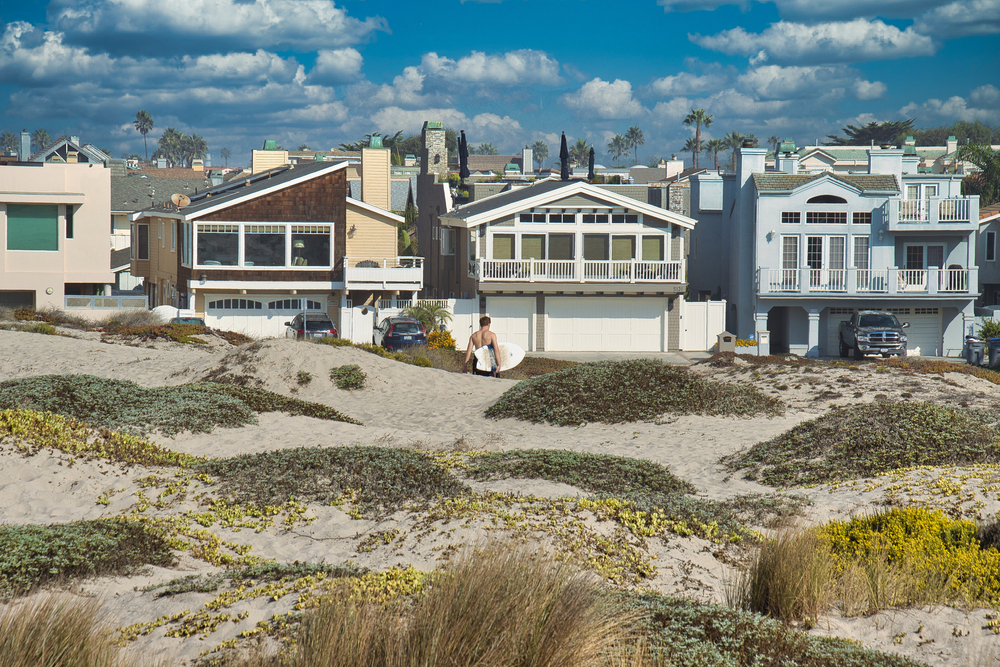
Oxnard is the most affordable beach city in Southern California. With a population of about 192,600, it is the largest community on this list, but it retains a small-town, working-class feel that distinguishes it from polished coastal neighbors like Santa Barbara or Ventura. If you are searching for small towns in California with ocean access and a grounded, local feel, Oxnard often shows up as a practical option.
The median home price sits around $750,000 to $790,000, according to Redfin. That is expensive by national standards, but significantly cheaper than Santa Barbara ($1.5M+), Malibu, or even nearby Ventura.
Channel Islands Harbor provides boat access, waterfront dining, and the gateway to Channel Islands National Park. Strawberry fields define the agricultural landscape; Oxnard produces a major share of California’s strawberry crop. The city sits between LA (60 miles south) and Santa Barbara (30 miles north), making it commutable to both, though 101 traffic is a factor.
The honest take: Oxnard is a working-class city. Certain neighborhoods have higher crime rates, so research specific areas carefully. The beach access, harbor lifestyle, and relative coastal affordability are the primary draws. Among small towns in California, Oxnard offers coastal utility more than curated charm.
9. Porterville
Ragnar1470, CC BY-SA 4.0, via Wikimedia Commons
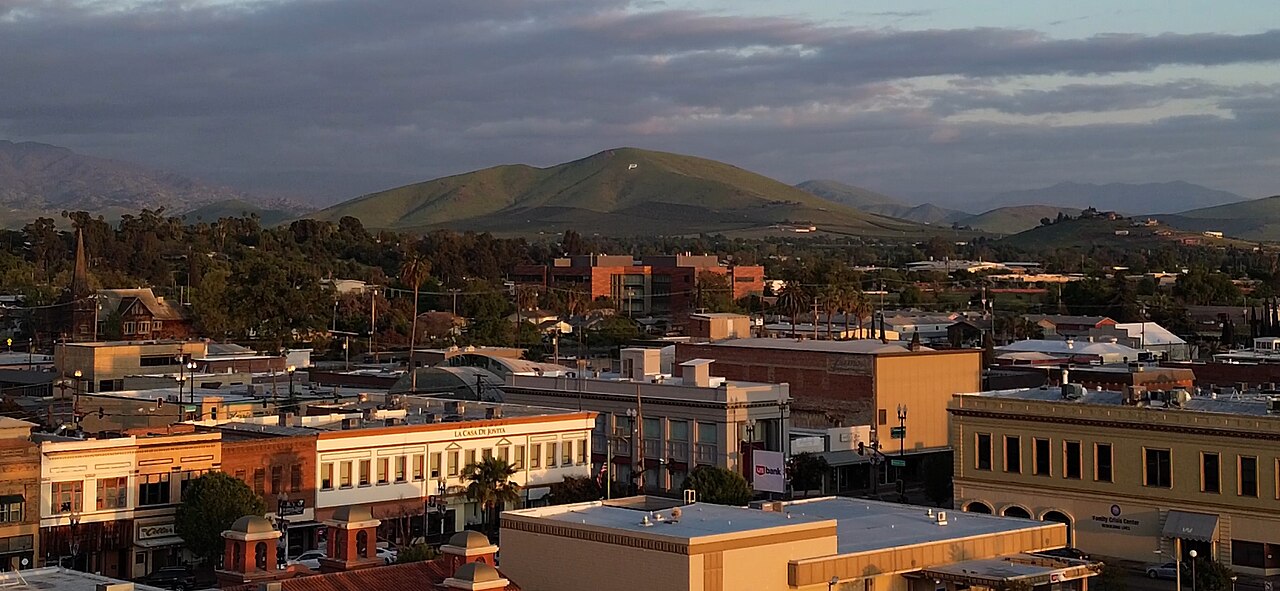
Porterville is the most affordable place to live in California, according to Redfin. The median home price runs between $355,000 and $372,000. The cost of living index is 108, which is 0.9 times the California average. For context, the state median home price is $835,500. Porterville is less than half that. For buyers who prioritize budget, Porterville is one of the small towns in California that changes what is possible.
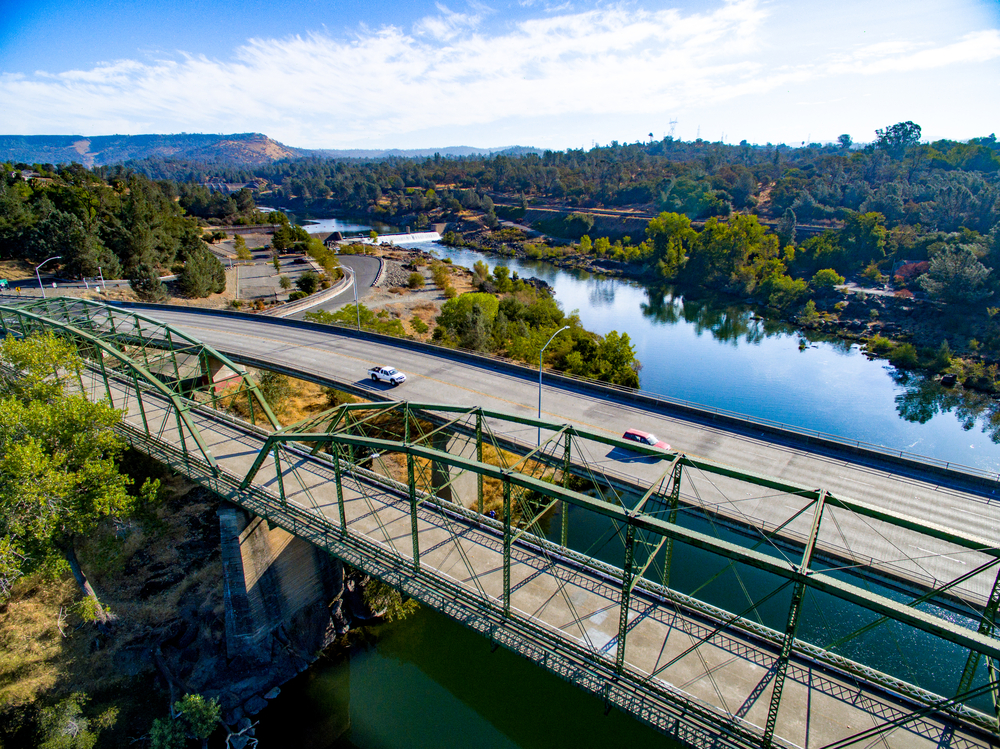
The population is about 62,600. The town sits in Tulare County near the southern Sierra foothills. Lake Success (15 miles east) provides camping, boating, and fishing. Giant Sequoia National Monument is about 45 minutes into the mountains. Murry Park anchors local recreation.
The economy runs on agriculture (citrus, dairy), healthcare, and retail. The job market is limited but steady.
The honest take: dining, entertainment, and shopping options are limited compared to Fresno or Visalia. Summers are hot. San Joaquin Valley air quality is a documented concern. But for the lowest housing costs in California paired with national park access, Porterville represents a value that is difficult to find anywhere else in the state. It is one of the small towns in California where affordability is the headline, and it’s a great place to raise a family, too.
10. Tulare
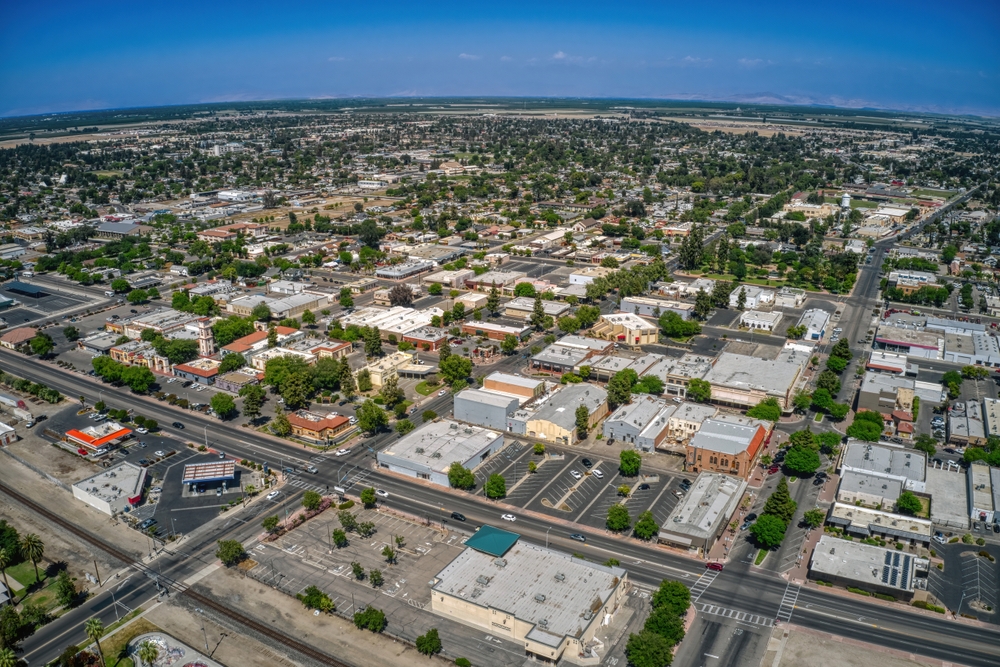
Tulare is an agricultural heartland town with a population of about 68,900, located 45 miles south of Fresno. The median home price ranges from $347,000 to $380,000. The cost of living index is 116, roughly 0.8 times the California average. Median household income is approximately $69,517. If you are looking at small towns in California for cost-first living, Tulare belongs in the same conversation as Porterville.
The town’s defining event is the World Ag Expo, the largest annual agricultural exposition in the world. Held every February, it draws over 100,000 visitors and showcases the technology and commerce that drive Tulare County’s economy. The county is one of the most productive agricultural regions on the planet.
Sequoia and Kings Canyon National Parks are about an hour east. The Tulare Historical Museum preserves local history. The downtown is modest but functional, with local shops and restaurants serving the community.
The honest take: this is a farming town. Nightlife and cultural attractions are minimal. The draw is affordability, the agricultural community, and the proximity to the Sierra Nevada. If rural California at a low price point appeals to you, Tulare fits. For buyers comparing small towns in California on a budget, this is one of the clearest options.
Quick Comparison: All 10 Towns at a Glance
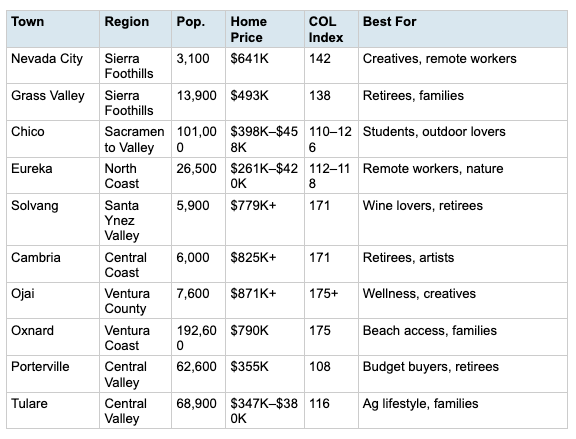
The table above summarizes the key data points for each town. Use it to compare pricing, population, and fit at a glance. If you are sorting through small towns in California quickly, this snapshot helps you compare towns in California side by side.
Tips for Choosing the Right Small Town
Define your priorities before you start browsing listings. Do you need coastal access, affordability, an arts scene, outdoor recreation, or proximity to a bigger city for healthcare and airport access? Narrowing your list from 10 towns to three or four saves weeks of research. This step helps you pick among small towns in California with a clear filter.
Visit during the off-season. Tourist towns like Solvang and Cambria (shown above) feel different in January than they do in July. The off-season version is closer to what daily life looks like for residents.
Check internet speeds before committing. Remote workers moving to rural towns need to confirm broadband availability. Satellite and fixed wireless coverage vary widely in the foothills and along the coast. Run a speed test at the property if possible.
Research healthcare access. Several towns on this list sit 30 or more minutes from a hospital. If specialized care matters to your household, verify proximity to the services you need.
Understand wildfire and flood risk. Foothill towns (Nevada City, Grass Valley, Chico) and coastal canyon towns (Ojai, Cambria) face varying levels of natural disaster exposure. Insurance costs reflect this, and some areas have seen carriers exit entirely. Factor insurance into your budget from the start.
Talk to locals. Small towns have social dynamics that online research does not capture. Spend a weekend. Eat breakfast at the local spot. Walk the neighborhood after dark. The feel of a place matters as much as the data. If you are deciding between small towns in California with similar pricing, this step often breaks the tie.
Frequently Asked Questions
What are the best small towns in California?
It depends on your priorities. Nevada City and Grass Valley offer Gold Rush charm in the Sierra foothills. Solvang and Ojai appeal to wine lovers and wellness seekers. Porterville and Tulare deliver the lowest housing costs. Eureka provides affordable coastal living with Victorian character. If you are narrowing down small towns in California, start by matching the town profile to your daily-life priorities.
What is the cheapest small town to live in California?
Porterville and Tulare are the most affordable, with median home prices of $355,000 and $347,000, respectively. Both sit in Tulare County in the southern Central Valley, with direct access to Sequoia and Kings Canyon National Parks.
Are there small towns in California near the beach?
Yes. Cambria is a small artist town on the Central Coast with a population of about 6,000 and Moonstone Beach on its doorstep. Oxnard (pop 192,600) is larger but offers harbor access and beaches at lower prices than most Southern California coastal cities. Eureka provides coastal living on the far-north coast at bargain prices. If you want California towns with ocean access, these are clear options.
What small town in California has the best quality of life?
Ojai, Cambria, and Nevada City consistently receive high marks for natural beauty, arts and culture, and community feel. All three carry higher housing costs, which reflects their desirability. Chico offers a strong quality of life at a lower price point. These small towns in California each trade price, climate, and access differently.
Is it hard to find work in California small towns?
Most small towns on this list have limited local job markets concentrated in agriculture, healthcare, tourism, and retail. Remote work is the most practical path for many residents. Confirm your employment situation before committing to a move.
Planning a move to small-town California? Explore our city guides for communities across the Golden State that might be a good fit.