Foreclosures in the United States have been steadily climbing, signaling a shift in the housing market that many homeowners and buyers need to pay attention to.
In November alone, foreclosure filings jumped more than 20% compared to the same month last year, highlighting a trend that has persisted for nine consecutive months. These numbers are more than just statistics—they reflect real struggles for families and individuals trying to maintain homeownership amid rising costs and high borrowing rates.
For buyers, this increase in foreclosures presents both challenges and potential opportunities. Understanding the forces driving these trends is essential for making smart decisions, whether you are considering purchasing a home, selling one, or simply staying informed about market conditions. This article breaks down the current foreclosure landscape, explains what it means for homeowners, and provides actionable insights for navigating a market under pressure.
Current Foreclosure Trends in the U.S.
Data from property firm ATTOM reveals a sharp increase in foreclosure activity, with November 2025 seeing 35,651 properties hit with foreclosure filings. This represents a 21% rise compared to November 2024. Foreclosure starts, the first step in the formal process, rose 17% year-over-year, affecting 23,720 properties. Additionally, 2,884 homes were repossessed by lenders in November alone. These figures indicate that financial stress is mounting for many American homeowners.
What’s driving this surge? A combination of historically high interest rates, dwindling savings, and persistent affordability challenges are creating conditions that make it difficult for homeowners to stay current on their mortgage payments. Daily expenses, rising taxes, and increasing insurance costs are adding pressure, leaving many families with little financial flexibility.
Foreclosure Hotspots: States and Cities
Not all areas are affected equally. Delaware reported the highest rate of lender interventions, with one in every 1,924 homes experiencing a foreclosure filing. South Carolina, Nevada, New Jersey, and Florida followed closely.
Major metropolitan areas are also seeing significant foreclosure activity. Philadelphia topped the list among cities with populations over one million, with one filing for every 1,511 housing units. Las Vegas, Cleveland, Orlando, and Tampa also ranked high, indicating localized market stress in regions already facing housing challenges.
Understanding these hotspots is important for buyers seeking investment opportunities and for sellers monitoring local property values. Foreclosure activity can impact home prices and neighborhood stability, making it crucial to be aware of regional differences in the market.
What Rising Foreclosures Mean for Buyers
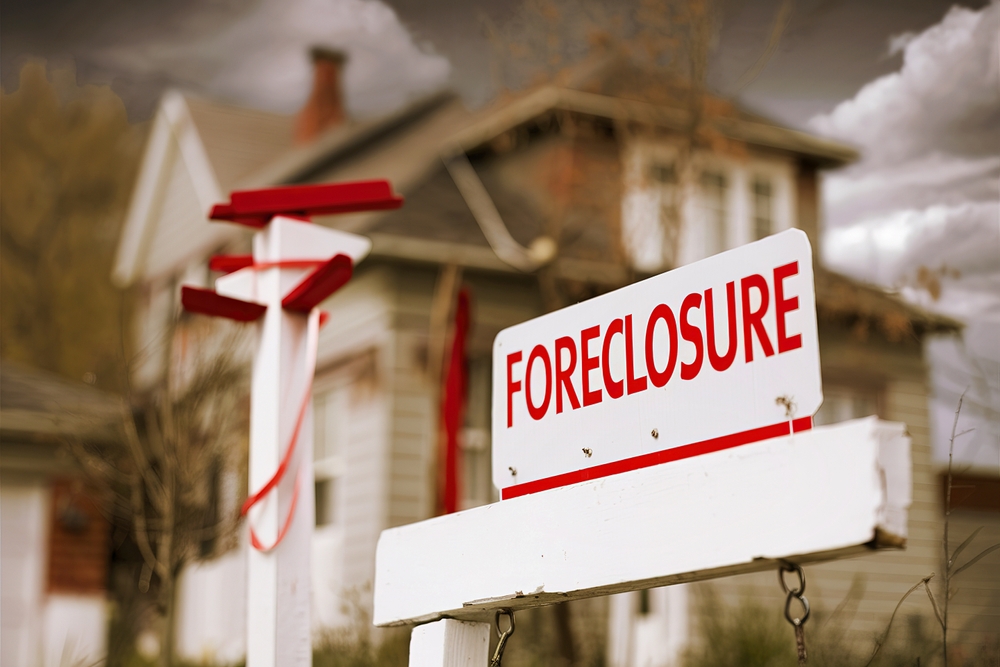
For buyers, the rise in foreclosures can create opportunities to acquire homes at discounted prices. Foreclosed properties often sell below market value, offering a chance for first-time buyers or investors to enter the market strategically. However, purchasing a foreclosure can come with risks, including unexpected repairs, liens, or longer closing processes.
It’s important for buyers to work closely with experienced real estate agents and conduct thorough inspections. While the financial benefits of buying a foreclosed property can be significant, understanding the condition of the home and the complexity of the purchase process is essential to avoid costly mistakes.
Foreclosure Impacts on Sellers and Homeowners
For homeowners, the rise in foreclosures is a warning signal. Financially strained sellers may face pressure to list their homes quickly, potentially impacting overall home values in certain neighborhoods. Proactive financial management, staying ahead of mortgage payments, and exploring alternative solutions like refinancing or loan modifications can help reduce the risk of foreclosure.
Even if a homeowner is not currently at risk, understanding local foreclosure trends is critical. High foreclosure activity in a community can affect property values and create market uncertainty, making it important for all homeowners to stay informed and prepared.
Financial Strains Driving Foreclosure
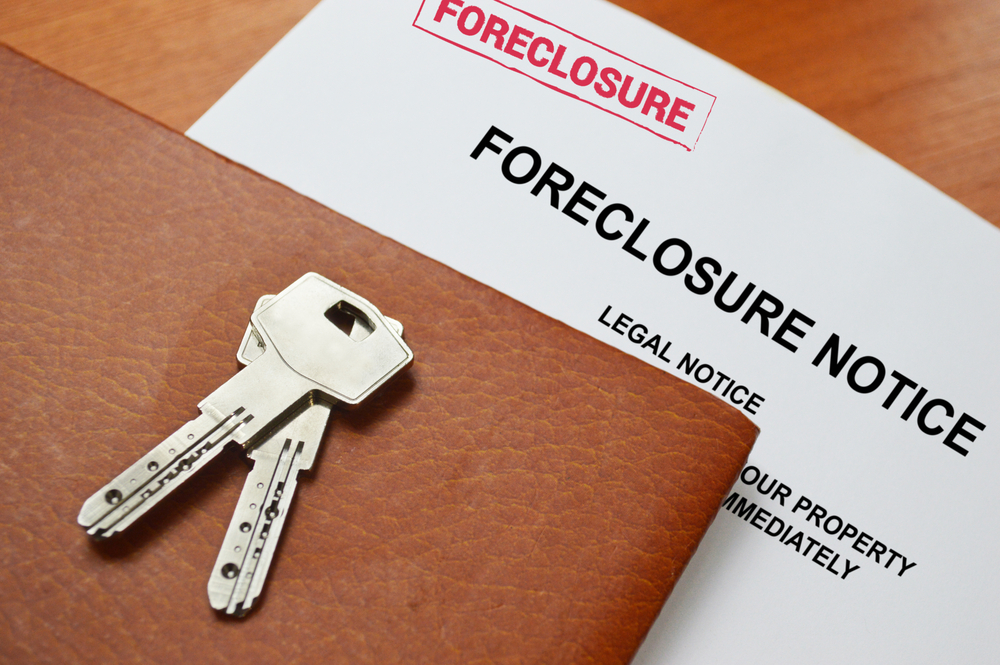
The increase in foreclosures reflects broader economic pressures facing American households. Many families report feeling financially frozen, struggling to cover day-to-day expenses, save for the future, and manage mortgage payments. Rising interest rates and insurance premiums exacerbate these challenges, making it harder to maintain financial stability.
While today’s lending standards are safer than those leading up to the 2008 housing crisis, the stress on homeowners is still real. Anxiety over potential foreclosure is high, and understanding the forces at play can help both buyers and sellers make more informed decisions in this unpredictable market.
Navigating the Foreclosure Landscape
Foreclosures are a key indicator of financial strain in the housing market, and monitoring these trends is crucial for anyone involved in real estate. Buyers can potentially benefit from lower-priced properties, but must be diligent in researching homes and understanding risks. Sellers and homeowners should focus on proactive financial planning and be mindful of how local foreclosure rates might influence their property values.
Staying informed, seeking professional guidance, and taking action early can help navigate a market affected by rising foreclosures while minimizing potential losses or missed opportunities.
Understanding the Market Impact

The increase in foreclosures highlights financial pressures affecting American households and underscores the importance of informed decision-making in real estate. By paying attention to trends, understanding local market conditions, and planning strategically, buyers and sellers can navigate this challenging environment more effectively. Foreclosures may be on the rise, but with the right knowledge and preparation, homeowners and investors can make smart choices that protect their financial future.
Frequently Asked Questions About Foreclosures
What is a foreclosure?
A foreclosure is the legal process by which a lender repossesses a property when the homeowner fails to make mortgage payments. It typically involves several steps, starting with foreclosure filings and potentially ending with the lender taking possession of the home.
Why are foreclosures rising in 2025?
Foreclosures are rising due to high interest rates, increased living costs, dwindling savings, and ongoing affordability challenges. Many homeowners are struggling to keep up with mortgage payments in this financial environment.
Which states have the highest foreclosure rates?
Delaware currently has the highest rate of foreclosure filings, followed by South Carolina, Nevada, New Jersey, and Florida. Foreclosure activity can vary widely by state and even by city within a state.
Can buyers benefit from rising foreclosures?
Yes, buyers may find opportunities to purchase homes at discounted prices. However, buying a foreclosure requires careful research, inspections, and professional guidance due to potential property issues and longer purchase timelines.
How can homeowners avoid foreclosure?
Homeowners can avoid foreclosure by staying current on mortgage payments, exploring refinancing or loan modification options, reducing debt, and maintaining an emergency fund. Seeking professional financial advice can also help navigate difficult situations.