For many homeowners, retirement planning can feel like a puzzle with too many missing pieces. Rising costs, longer lifespans, and unpredictable markets often leave people asking how to make the most of the assets they already have. One of the most common questions in that conversation focuses on home equity—and specifically, whether a reverse mortgage might be a reliable tool for stretching retirement income.
This guide breaks down the reverse mortgage in clear, straightforward language so you understand how it works, who it’s for, and what to watch out for. Whether you’re helping a family member navigate retirement decisions or simply building your own knowledge base, this article provides a practical look at a financial option that many people hear about but rarely fully understand.
Understanding How a Reverse Mortgage Works
A reverse mortgage is a type of loan available to homeowners aged 62 or older who want to convert a portion of their home equity into cash. Unlike a traditional mortgage, where you make a payment every month, a reverse mortgage pays you. This payment can be provided as a lump sum, monthly disbursements, or a flexible line of credit.
The amount you can receive is based on your age, the value of your home, current interest rates, and the type of reverse mortgage you choose. Most borrowers use a Home Equity Conversion Mortgage (HECM), which is insured by the Federal Housing Administration. Borrowers must continue paying property taxes, homeowners’ insurance, and basic home maintenance costs, or the loan can become due sooner than expected.
The reverse mortgage loan balance increases over time because interest accrues and no monthly payments are made. The loan becomes due when the homeowner moves, sells the home, or passes away. In most cases, the home is sold, and the loan is paid off with the proceeds. If the home sells for more than the loan amount, the remaining equity goes to the homeowner or their heirs.
When a Reverse Mortgage Might Make Sense
A reverse mortgage can be appealing to retirees who want to supplement their income without selling their home. Homeowners with significant equity but limited cash flow often use these loans to cover medical expenses, reduce reliance on retirement accounts, or simply create more breathing room in their budget. For some, it offers a way to age in place comfortably while accessing the wealth tied up in their home.
This type of loan may also make sense for borrowers who plan to live in their home long-term. Because the loan becomes due once the homeowner moves out for more than 12 consecutive months, it’s not typically suitable for someone expecting to relocate soon or looking to keep the home for future rental income.
However, it’s important to weigh the long-term effects. A reverse mortgage will reduce the equity left to heirs, and the growing loan balance can limit future financial flexibility. Borrowers should also consider their health, lifestyle, and overall retirement goals before choosing this option.
Pros and Cons of a Reverse Mortgage

Like any financial tool, a reverse mortgage comes with both advantages and drawbacks. On the positive side, homeowners gain access to tax-free cash without needing to sell their property. There are no required monthly payments, and the loan is non-recourse, meaning you or your heirs will never owe more than the home is worth when it’s sold.
On the downside, upfront costs can be higher than those of a traditional mortgage. Fees, mortgage insurance, and closing costs add up, and because interest accrues over time, the balance tends to grow quickly. This can limit equity that might otherwise be passed down or used for other financial needs.
Another consideration is responsibility. Even with a reverse mortgage, homeowners must remain current on taxes, insurance, and maintenance. Falling behind can trigger foreclosure. For some borrowers, these ongoing obligations may feel difficult to manage, especially if the home requires significant repairs.
Real-World Examples of How a Reverse Mortgage Is Used
To understand how a reverse mortgage works in everyday life, consider a homeowner in their 70s living on Social Security and savings. Their home is fully paid off, but they struggle with rising medical bills. By taking out a reverse mortgage line of credit, they can draw funds only when needed, keeping interest costs lower than if they accepted a lump sum.
In another scenario, a couple nearing retirement wants to reduce withdrawals from their investment accounts during a down market. Using monthly payments from a reverse mortgage, they can preserve their portfolio until conditions stabilize. Once the market improves, they can adjust their strategy or stop accessing the loan altogether.
A third example involves a widow who wants to stay in her longtime home but has limited income. A reverse mortgage provides her with the monthly support she needs to remain independent. While it reduces eventual equity, she prioritizes stability, comfort, and staying close to her community—benefits that matter more to her than maximizing inheritance.
What to Think About Before Moving Forward
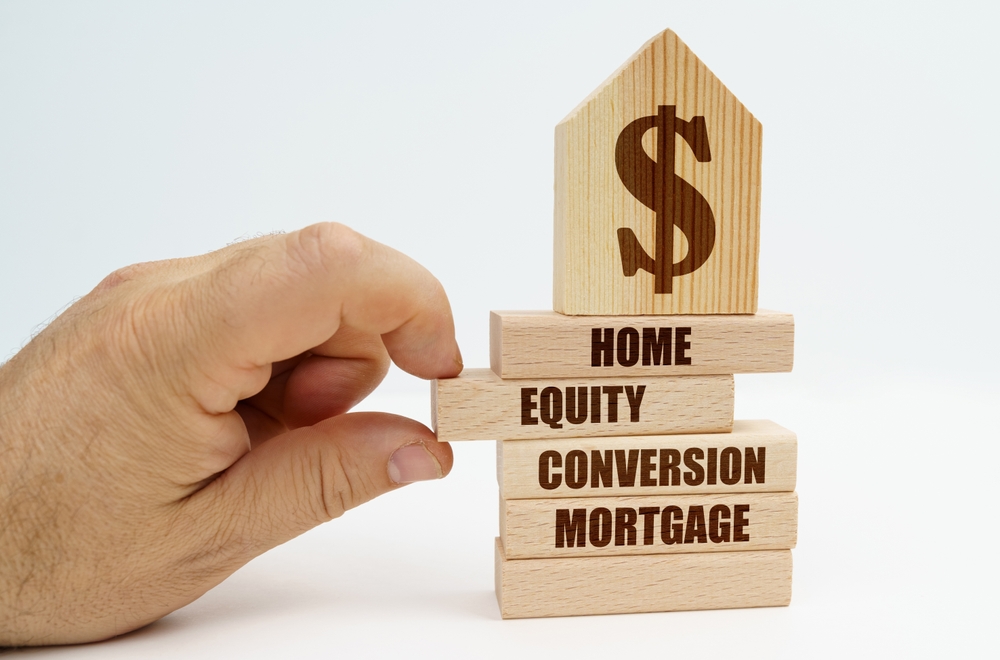
Deciding whether a reverse mortgage is the right choice requires honest reflection. Your long-term plans, health, financial resources, and family considerations all play a role. This is a tool best used intentionally rather than reactively. Before moving forward, talk with a trusted financial advisor or Realtor who understands how this type of loan fits into a broader housing and retirement strategy.
The conversations you have today can help you make decisions that support your goals years from now. Because a reverse mortgage affects both your present financial picture and your future estate planning, it’s worth approaching the decision with patience and solid guidance.
If you or a loved one is thinking about using home equity as a financial resource, ask questions, explore alternatives, and weigh the pros and cons. Being informed is the strongest position you can take—and this knowledge gives you a clearer path to making choices confidently.
FAQ
Who qualifies for a reverse mortgage?
Homeowners must be at least 62 years old, live in the home as their primary residence, and have sufficient equity for the lender’s requirements.
Do you still own your home with a reverse mortgage?
Yes. You remain the owner, and the lender places a lien on the property just like a traditional mortgage.
Can you lose your home with a reverse mortgage?
It is possible if you fail to pay property taxes, insurance, or required maintenance, since these are borrower obligations.
What happens when the homeowner passes away?
Heirs can pay off the loan and keep the home, or sell the property and use the proceeds to repay the balance.
How is a reverse mortgage repaid?
The loan is typically repaid when the homeowner moves, sells the home, or passes away; proceeds from the sale usually settle the balance.