Thinking about moving to California in 2025? You’re not alone. Approximately 108,000 people made the move to the Golden State in 2024. And 2025 is a great time to make the move, as the California economy is booming: With job opportunities on the rise and a vibrant cultural scene, there’s never been a better time to consider relocating. For those planning a transition, researching moving tips for california can help streamline the process and ensure a smooth arrival. Whether it’s finding the best neighborhoods or understanding the local job market, being well-prepared will make all the difference.
- California recently jumped up a notch from the fifth to the fourth biggest economy in the world!
- California is home to the most Fortune 500 companies.
- Nationally, California ranks #1 for new business starts, access to venture capital funding, manufacturing, high-tech, and agriculture.
Whether you dream of ocean breezes, better schools, or just a fresh start, the Golden State offers something for everyone. But with 482 cities across wildly different regions, how do you find the right one?
That’s where this guide comes in.
We’ve mapped out the best places to live in California based on lifestyle, so you can skip the guesswork and zero in on cities that match your priorities, whether you’re building your career, working remotely, raising a family, or retiring.
So wherever you’re headed next, you’ll know exactly where to start your search.
Let’s find the California that fits you.
Why Your Lifestyle Should Guide Your Move
People move for all kinds of reasons: starting a family, seeking more space, changing jobs, escaping the cold, or finally chasing that long-delayed dream of retiring near the ocean. Moving is one of the biggest life stressors, so you want to make sure everything that it entails is worth it.
The good news? California has a city or town for nearly every lifestyle. There’s no one-size-fits-all answer to the “best place to live,” only what’s best for you.
That’s why we’ve broken down this guide by lifestyle, so you can focus on what matters most to you right now. Whether you’re a remote worker craving walkable neighborhoods and strong Wi-Fi, a parent searching for top-rated schools, or a first-time homebuyer on a budget, this article is your starting point.
A Quick Look at California’s Regions

Before you fall in love with a city, it helps to understand California’s big-picture geography. California is the third biggest state in the United States after Alaska and Texas, so its regions are far more diverse than those of smaller states.
The state is often grouped into four broad regions: coastal, Inland, northern, and southern California. Each offers a different lifestyle, climate, and cost of living.
Let’s break it down so you can start narrowing your options based on what fits your life today.
Coastal California
If your dream (and aesthetic) is “California Coastal,” you have a lot of choices. California has 840 miles of coastline.
Living on the coast means sunshine, surf, and spectacular sunsets, but also steep home prices. If your lifestyle centers around outdoor living, cultural events, or weekend beach strolls, coastal towns offer that picture-perfect California experience. Just be prepared to pay a premium for it.
- Pros: Beautiful weather, ocean views, beach access, walkable neighborhoods
- Cons: High housing costs, traffic congestion, tourist crowds in peak seasons
- Best for: Retirees, creatives, dual-income families with bigger budgets
- Example cities: Santa Barbara, San Diego, Ventura
Inland California
Inland California is where many families go when they need space to grow, without spending $1M+ on a starter home. These areas offer good schools, public parks, and a slower pace of life, making them ideal for parents, hybrid workers, or anyone looking to put down roots.
- Pros: More affordable housing, larger homes and lots, family-friendly suburbs
- Cons: Hotter summers, fewer walkable downtowns, longer commutes to job centers
- Best for: Growing families, remote workers, first-time homebuyers
- Example cities: Folsom, Riverside, Clovis
Northern California
Northern California is innovation central, home to Silicon Valley, UC campuses, and the state’s capital. It also offers quick access to Lake Tahoe, Napa, and national parks. While the Bay Area remains pricey, cities like Sacramento and Santa Rosa strike a balance between career opportunities and quality of life.
- Pros: Tech-driven job market, redwoods and scenic hikes, access to wine country
- Cons: High cost of living in the Bay Area, housing competition, wildfire risk in some areas
- Best for: Young professionals, startup-minded remote workers, nature lovers
- Example cities: Sacramento, Fremont, Santa Rosa
Southern California
SoCal is a lifestyle all its own, whether you’re drawn to beach towns, desert escapes, or vibrant urban centers. From laid-back surf culture to Hollywood hustle, this region is ideal for people who crave warm weather, diversity, and endless things to do.
- Pros: Sunny weather year-round, diverse communities, entertainment, and culture
- Cons: Expensive housing in hotspots, traffic, and crowding in major metros
- Best for: Young professionals, retirees, creatives, and entertainment industry careers
- Sample cities: Long Beach, Pasadena, Temecula
Best Places to Live in California Based on Your Lifestyle

There is no single correct answer to the question of the best place to live in California. The right place for your family may not be ideal for your work-from-home setup or retirement goals. That’s why it makes sense to narrow your search by lifestyle first.
Here’s a look at some of the best cities in California, depending on what you’re looking for.
Best Cities in California for Families
If school quality, safety, and access to parks top your list, these family-friendly cities deliver. Places like Irvine, Folsom, and Clovis offer excellent public schools (many rated A or higher on Niche), suburban comfort, and easy access to job hubs. Many also rank high for low crime, short commute times, and strong community engagement.
Best California Cities for Remote Workers
Working from home in California? You’ll want a city with reliable high-speed internet, affordable housing, and maybe even local coffee shops or coworking spaces when you need a break from being inside the same four walls. Sacramento, San Diego, and Long Beach stand out for their livability, walkability, and access to both nature and city life. Plus, many inland and coastal cities now offer community hubs specifically for remote professionals.
Affordable Places to Live in California (That Aren’t Boring)
Yes, you can live in California without spending a fortune and still enjoy great food, outdoor activities, and a sense of community. Cities like Bakersfield, Chico, and Eureka consistently come in below the state’s median home price while offering solid public amenities, growing job markets, and real character.
Where to Retire in California in 2025
Looking to downshift without sacrificing quality of life? California has some fantastic retirement-friendly cities that offer sunshine, top-tier healthcare, and safe, active communities. Palm Desert, Santa Cruz, and Thousand Oaks are popular for their laid-back pace, natural beauty, and easy access to doctors, golf courses, and cultural events.
Top Cities in California for Young Professionals
If you’re looking for career opportunities, nightlife, and culture without paying L.A. or San Francisco rents, start with San Diego, Oakland, or Pasadena. These cities offer a strong mix of job access (especially in tech, healthcare, and the arts), great food scenes, and neighborhoods that are lively but not overwhelming.
City Snapshots: 12 Options Based on Lifestyle
Still narrowing down your list? Here’s a quick look at 12 standout California cities, each matched to different lifestyles, with up-to-date facts to help guide your decision. Home prices are sourced from Niche.com.
Irvine
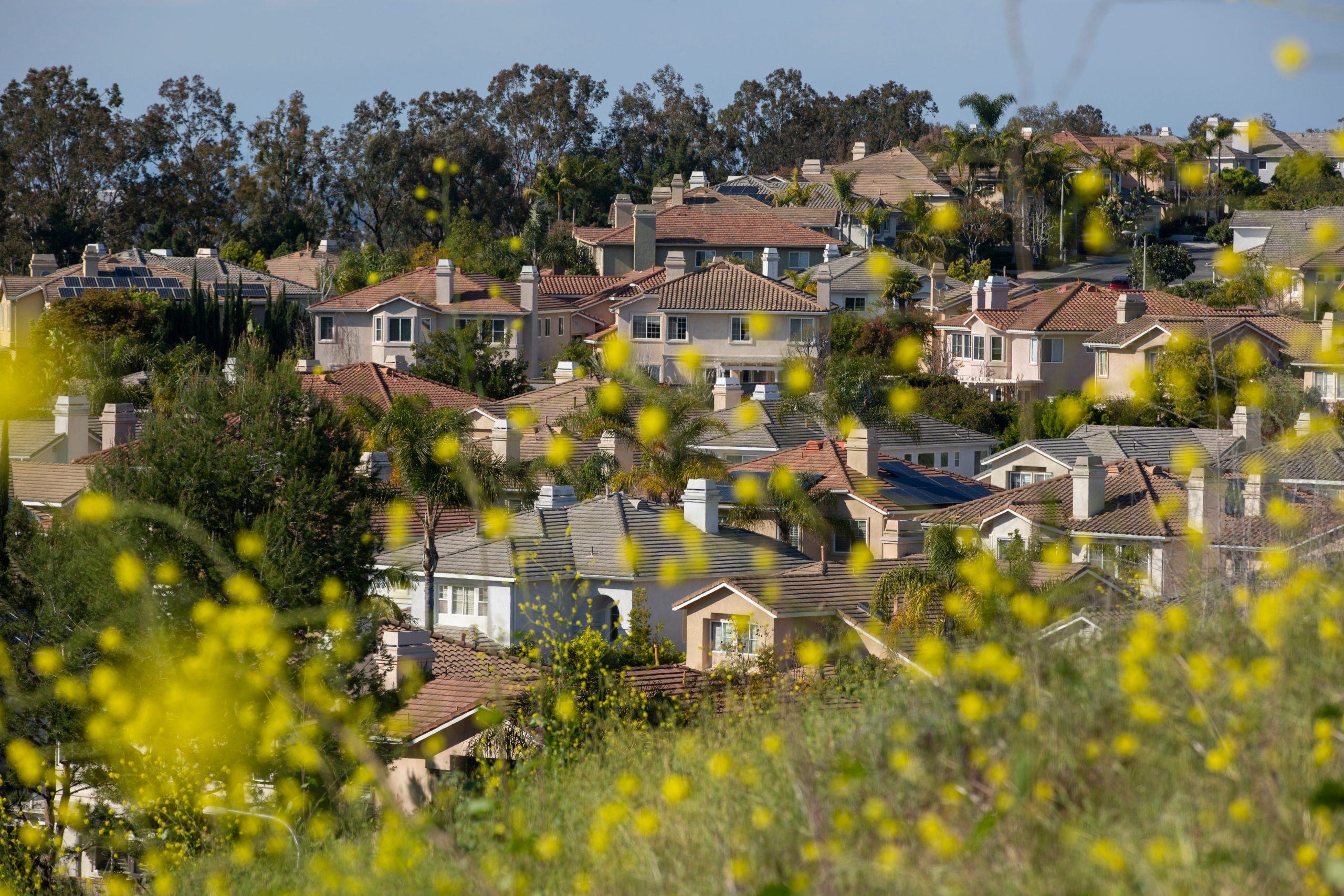
Population: ~308,000
With top-rated public schools (A+ on Niche) and one of the lowest crime rates in the country, Irvine is a master-planned city designed for families. It’s clean, diverse, and packed with parks, and you’re just 15 minutes from the beach. Expect high housing costs, though, with median home prices around $1.15M.
San Luis Obispo
Population: ~48,000
This Central Coast gem offers small-town charm with a college-town vibe, making it ideal for remote workers, retirees, or young professionals looking for balance. It’s known for its walkability, outdoor access, and relaxed pace of life. The median home price is $897,000, not cheap but worth it for the quality of life.
Sacramento
Population: ~525,000
California’s capital is fast becoming a hub for remote workers and families priced out of the Bay Area. With a growing food scene, riverfront parks, and a median home price of $485,000, it offers big-city convenience without big-city prices. Sacramento also ranks well for diversity and public-school options.
Santa Barbara
Population: ~88,000
Living in Santa Barbara is like being on vacation year-round, with stunning beaches, Spanish-style architecture, and a Mediterranean climate. It’s great for retirees and high-earning professionals, but the median home price is steep at $1.46M. If budget isn’t your main concern, this coastal city is hard to beat.
Folsom

Population: ~82,000
Folsom is a family-focused inland suburb with excellent schools (A+ on Niche), bike trails, and a growing tech presence. Located just outside Sacramento, it’s ideal for commuters or remote workers who want suburban life with urban access. Median home prices hover around $702,000.
Long Beach
Population: ~458,000
This vibrant port city offers a little of everything: beach access, nightlife, art, and walkable neighborhoods. It’s great for young professionals and creatives who want SoCal culture without L.A. sprawl. Home prices are more moderate for the coast, at around $762,000.
Santa Clarita
Population: ~229,000
Just north of Los Angeles, Santa Clarita gives families more room to grow without leaving the metro area. It’s one of the safest mid-sized cities in California and has strong schools, hiking trails, and newer housing developments. The median home price is about $721,000.
Bakersfield
Population: ~408,000
One of California’s most affordable major cities, Bakersfield is great for first-time homebuyers, young families, and anyone seeking space. The median home price is just $347,000, less than half the state average. While summers are hot, the city has a strong job market in healthcare and agriculture.
Fremont
Population: ~229,000
Located in the East Bay, Fremont is a favorite for families and tech professionals who want access to Silicon Valley with slightly more breathing room. It boasts A-rated schools (Niche) and a diverse population, but homes average a high $1.3M. A good pick if schools and job access are top priorities.
Temecula

Population: ~110,000
Known for its wine country, Temecula offers suburban life with a scenic twist. It’s a top choice for families and retirees alike, with good public schools and relatively affordable housing (median price: $640,000). You’ll get sunshine, safety, plenty of room to spread out, and weekend visits to vineyards!
Chula Vista
Population: ~275,000
Just south of San Diego, Chula Vista offers a more budget-friendly coastal lifestyle with good schools and tons of parks. It’s growing fast, making it great for young families or remote workers looking for sun and value. Median home price: $697,000.
Oakland
Population: ~438,000
Oakland is a cultural and economic powerhouse with deep roots in arts, activism, and tech. It’s ideal for young professionals and creatives who want city life with real character. While the median home price sits around $925,000, Oakland’s mix of diversity, career opportunities, and culture is hard to match.
What to Consider Before You Move

Before you pack the boxes and book the movers, take a step back and look at the full picture. The best city for your lifestyle depends on more than just scenery or housing prices. Here are the key factors to weigh before making your move:
School Quality
If you have kids or plan to, school ratings should be a top priority. California school districts vary widely in performance, even within the same city.
Tip: Use Niche.com to research school ratings, graduation rates, and parent reviews by ZIP code.
Job Market
Not all cities offer the same career opportunities. Tech, healthcare, agriculture, entertainment, and education are some of California’s strongest sectors, but availability will vary by region.
Tip: Research the top employers in your target area and check local job boards to see if your skills are in demand.
Housing Affordability

California has a wide range of housing costs, from million-dollar beach homes to more affordable inland suburbs. Look beyond home prices to consider property taxes, insurance, and HOA fees too.
Tip: Plug city names into Zillow to compare median home values and estimate monthly payments based on current interest rates.
Healthcare Access
Access to quality healthcare can impact quality of life, especially for families with young children, retirees, or anyone managing a chronic condition. Proximity to hospitals, specialists, and senior care services is a priority.
Tip: Search by city on Healthgrades to view hospitals, primary care options, and provider ratings.
Commute Times
Even in the age of remote work, commute time still matters, whether it’s to school, appointments, or a hybrid office situation. Some cities may have lower housing costs, but the trade-off is longer daily drives.
Tip: Use Google Maps’ commute estimator to see real-time traffic patterns during rush hour.
Safety & Walkability

Crime rates and walkability vary dramatically between neighborhoods. For some families, being able to safely walk to schools or shops is a non-negotiable.
Tip: Check the FBI Crime Data Explorer or NeighborhoodScout to explore crime rates, and use Walk Score to see how walkable and bikeable a community really is.
Community Feel
Do you want a tight-knit neighborhood or an urban center with lots of action? Think about your social needs, hobbies, and how you want to spend your free time.
Tip: Read city Reddit threads or join Facebook or Nextdoor neighborhood groups to get a feel for the vibe before you move.
Natural Disaster Risk
California’s natural beauty comes with natural hazards: wildfires, droughts, earthquakes, and flooding. Know what risks exist, and how prepared the city is to handle them.
Tip: Check FEMA’s National Risk Index and your target city’s emergency preparedness page to assess hazard levels.
Final Thoughts: The Best California City Is the One That Fits You

With so many amazing places to live in California, it’s easy to get caught up in headlines, rankings, or Instagram-worthy beach towns.
Your ideal place will depend on your season of life, your priorities, and what kind of day-to-day experience you’re really after. Maybe that’s top-rated schools and a quiet cul-de-sac. Maybe it’s a walkable downtown with great food and fast Wi-Fi. Or maybe it’s warm weather, low costs, and room to grow.
No matter your lifestyle, California has options. And we’re here to help you find the one that feels like home!