Welcome to the Club Nobody Wants to Join
If you’ve recently Googled something like “Why is my home insurance 3x higher this year?” or “Can a hurricane and wildfire happen at the same time?”—you might be living in what experts call a “climate abandonment zone.” Sounds intense, right? Like a sci-fi setting where only robots and tumbleweeds remain. But unfortunately, it’s not fiction.
Extreme weather has been throwing tantrums all over the U.S. From wildfires in California torching billions in property damage, to hurricanes doing their best to remodel entire coastlines without permission. The result? Insurance premiums are skyrocketing, and property values are heading the opposite direction.
According to recent data, areas like Fresno County, CA, Ocean and Monmouth Counties in New Jersey, and parts of Alabama are projected to lose significant population and real estate value over the next few decades—all thanks to climate risk.
But before you list your house on Craigslist with the description “comes with complimentary flood insurance denial,” take a breath. There are ways to fight back, prepare smartly, and protect what’s probably your biggest investment—your home.
Fire Zones: When Your Backyard BBQ Could Turn into a Fireball
Wildfires aren’t just a West Coast thing anymore. With hotter, drier conditions stretching across the U.S., more homeowners are at risk of their neighborhoods being renamed Ashville.
First, let’s talk roofs. Your roof is basically the first line of defense—and if it’s made of something flammable, you might as well be wearing a cotton T-shirt during a fireworks show. Enter: Class A fire-rated roofing. These tough materials can resist temps up to 1,400°F and winds over 120 mph. Bonus: they don’t catch fire every time a stray ember shows up for a visit.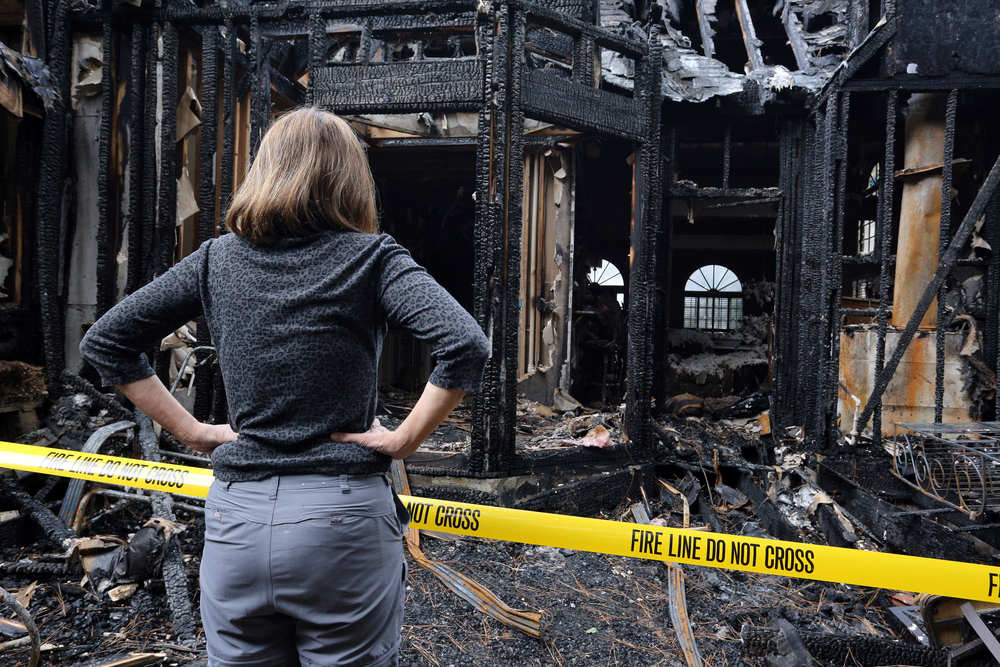
Next up: defensible space. That’s just a fancy way of saying “clear out the flammable junk.” You want at least 30 feet of non-flammable perimeter around your home. That means dead plants, dry leaves, and that pile of old wooden pallets you swear you’ll use for a Pinterest project one day—all gotta go.
Use fire-resistant siding, close up vents, and consider ember-proof mesh screens. It might not be glamorous, but it could be the difference between your house surviving a firestorm—or becoming a sad pile of charcoal.
Now, if you want to take your fire prep to the next level (and impress your neighbors while you’re at it), consider installing an emergency roof sprinkler system—one that draws from a rainwater collection tank. These systems can be lifesavers in dry seasons when firefighting resources are stretched thin. Imagine it like giving your house the ability to sweat under pressure—except it’s cool, collected, and fully automated. Plus, collecting rainwater is eco-friendly, practical, and a great way to make use of nature’s free gift before it decides to rage back at you in wildfire form.
Flood Zones: When Your Lawn Turns Into Lakefront Property
Flooding is sneaky. You can’t always see it coming, and even a single inch of water can cause $25,000 or more in damage. That’s like water saying, “Surprise! I’m expensive.”
The first step? Know your base flood elevation. This is the government’s best guess on how high water could get in your area. Treat it like the worst kind of limbo: how low can your home stay dry?
Raise your utilities—think water heaters, HVAC systems, electrical panels—at least a foot above that base level. It’s not just about staying dry; it’s about keeping your home functional after the storm passes.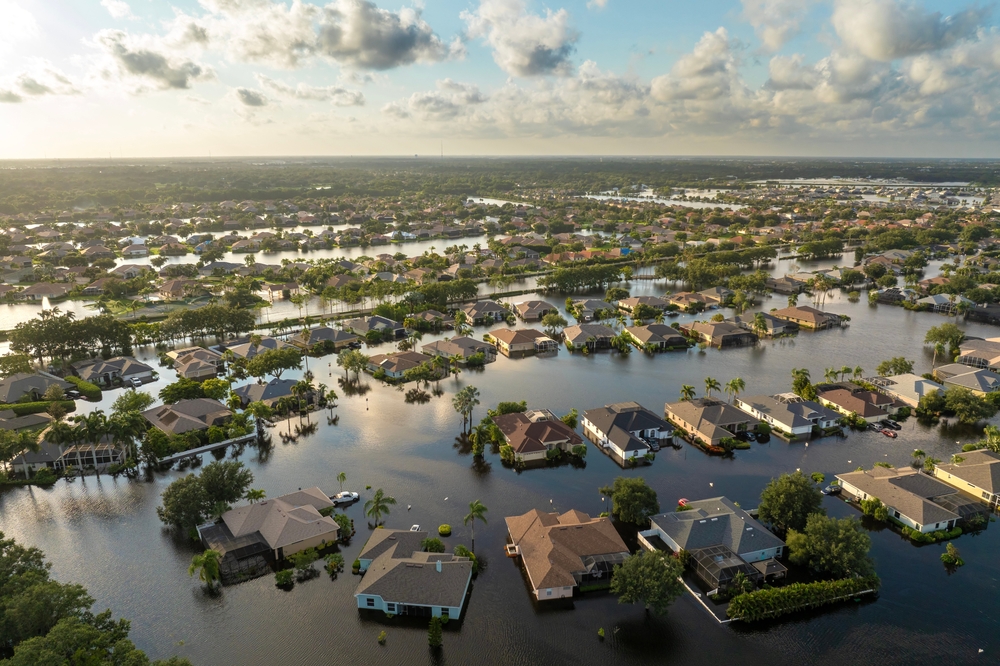
You can also:
-
Slope your yard away from your house (gravity is your friend here).
-
Keep gutters and storm drains clear (yes, that means cleaning them occasionally—sorry).
-
Install sump pumps with backup batteries to help when the power goes out and your basement decides to become a swimming pool.
-
Consider floodproofing lower walls or entry points if you’re in a high-risk area.
Tornado Zones: When Your House Might Try to Relocate Itself
Tornadoes love drama. One minute it’s calm, the next your lawn chair is in another zip code. If you live in Tornado Alley—or anywhere twisters touch down—you’ll want to armor up.
Metal roofs are your best friend here. Not only are they more durable against wind and hail, but they also won’t peel off like a banana when winds reach 150 mph.
Secure all the weak points—windows, doors, and especially your garage. Your garage door, if it fails, can let wind rush in and literally lift your roof off. That’s not a metaphor. That’s physics being rude.
If replacing everything sounds pricey, storm shutters can add protection without a full remodel. And let’s not forget yard maintenance—trim tree limbs and remove anything that could become a projectile. Decorative stones? Swap them for mulch unless you want “gravel shrapnel” in your disaster report.
Also, anchor sheds, grills, and patio furniture. Tornadoes don’t care how expensive your lawn set was—it can turn into a wind-powered wrecking ball real quick.
Hurricane Zones: All Disasters Rolled Into One Fun Weekend
Hurricanes are nature’s version of a full-course disaster meal: wind, water, fire, and sometimes even tornadoes thrown in for flair. Surviving one means prepping for everything.
First, go big with hurricane-rated windows. These are laminated and built to withstand both flying debris and extreme wind pressure. Think of them as body armor for your house.
Exterior doors need at least three hinges and a deadbolt that’s an inch or more long. And don’t neglect your garage door—make sure it’s wind-rated and impact-resistant. Because let’s face it: that’s where all your actual valuables are (tools, holiday decorations, and your weird collection of camping gear).
If you’re in a flood-prone hurricane zone, follow the water protection advice from earlier—and remember, just 12 inches of water can float your car. So unless you drive a boat, store your vehicle high and dry or evacuate it early.
And yes, downed power lines and ruptured gas mains can lead to fires during hurricanes, so you’ll want all your systems up to code and gas shutoff valves within reach.
But… All This Sounds Expensive
Look, we get it. A fire- and wind-resistant roof can cost $8,000 or more, while cheaper asphalt options run about half that. And reinforced windows and doors aren’t exactly on sale in the clearance aisle at your local big box store.
But here’s the hard truth: not making these upgrades could end up costing you far more in the long run. Studies predict up to $1.47 trillion in property value losses by 2055 due to climate-related threats. That’s trillion—with a “T.” And no, unfortunately, that doesn’t come with a free beach view.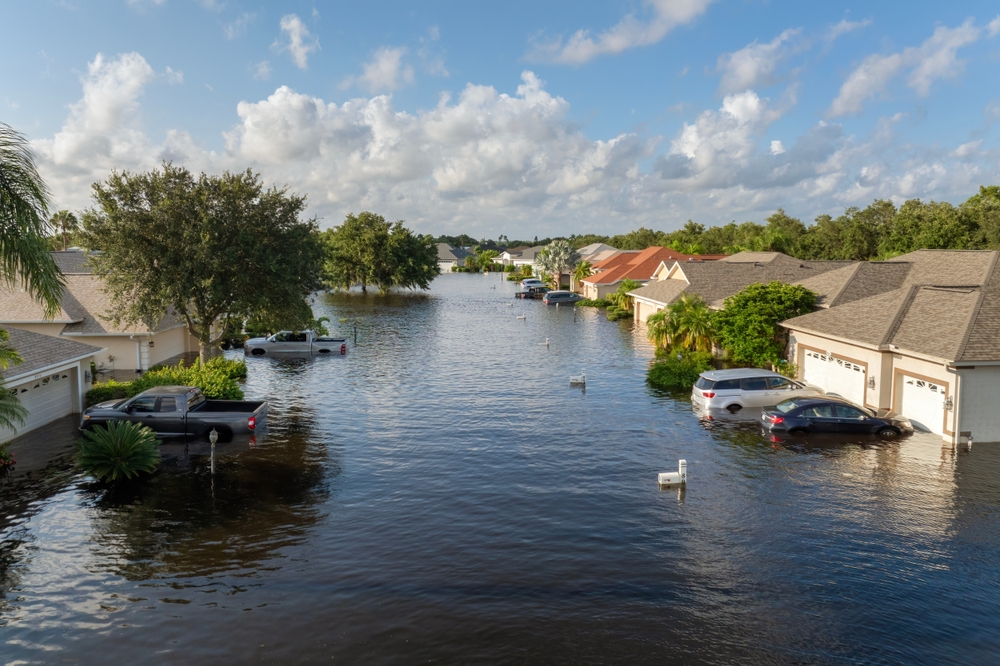
Here’s something we wouldn’t be surprised to see in the near future: insurance companies requiring a minimum level of home hardening—Class A roof, defensible space, maybe even an emergency sprinkler system—before they’ll even consider giving you coverage in high-risk areas. Why? Because we’ve already seen carriers pulling out of places like California, Florida, and Louisiana. The ones that remain? They’re slapping premiums on properties like they’re selling backstage passes to a Beyoncé concert.
So what’s the smarter play? Fortify now. Sleep better later. It’s not just about keeping your home safe—it’s about keeping your home insurable. And in today’s climate (pun fully intended), that’s half the battle.
Final Thoughts: Should You Stay or Should You Go?
No one wants to live in a place where the weather forecast reads like a horror movie script. But moving isn’t always an option—and frankly, many of us love where we live, no matter how moody the climate gets.
Living in a “climate abandonment” zone doesn’t mean you’re doomed. It means you’ve got a heads-up—and the chance to get your house in fighting shape.
Start with small steps. Replace that old door. Clear the yard. Install that sump pump. Then, work your way toward bigger improvements like upgraded roofing or flood walls. You don’t need to tackle everything at once—but doing something is better than crossing your fingers and hoping the next storm skips your street.
Because while you can’t stop Mother Nature, you can make your home one tough cookie to crumble.