Stockton operates as California’s unglamorous solution: the Central Valley city where homeownership remains achievable, where ACE commuter rail connects to Bay Area jobs, and where a population of 324,975[1] navigates the gap between coastal California dreams and Central Valley realities. This isn’t beach culture or master-planned perfection. It’s a working city where median home values around $422K[2] provide breathing room compared to Bay Area pricing, where rent averages $1,989-$1,999[2][3] rather than $3,000+, and where the 32-minute average commute[4] positions Stockton as a bedroom community for those willing to trade location for affordability.
The financial argument for living in Stockton is straightforward and substantial. A $422K house in Stockton[2] buys actual space, a yard, and potentially good schools, while the same money in the Bay Area barely covers a down payment on a fixer-upper. For families watching Bay Area rents consume 50%+ of income, Stockton’s lower housing costs create financial flexibility: money available for savings, debt reduction, children’s education, or simply not living perpetually broke. The median household income of $76,851[4] stretches considerably further here than in San Francisco or San Jose, where six figures barely covers basics.
But living in Stockton offers more than just cheap housing; it provides genuine Bay Area connectivity through infrastructure that matters. The ACE (Altamont Corridor Express) commuter rail originates in Stockton[5], running weekday round-trips to San Jose and allowing residents to skip I-580/I-205 traffic nightmares. The San Joaquin Regional Transit District (RTD) operates commuter buses to Dublin BART ($7.00 one-way)[6] and Sacramento ($7.00 one-way)[6], creating transit options rare in car-dependent California. This positioning transforms Stockton from an isolated Central Valley city into a practical base camp for Bay Area employment without Bay Area housing costs. If living in California is on your radar, Stockton could be a prime solution.
Yet Stockton demands brutal honesty about its challenges and complexities. The city’s crime statistics require careful neighborhood-level research. Citywide averages mask dramatic variations between safe suburban pockets and higher-crime areas. The summer heat mirrors other Central Valley cities: oppressive, relentless, driving utility costs higher than coastal areas. Schools vary dramatically in quality across Stockton Unified School District[7], pushing families toward extensive research or private options. The city’s reputation, fair or not, carries a stigma that affects how some Bay Area workers perceive living here. Some neighborhoods struggle with maintenance, services, and infrastructure, showing signs of economic stress.
This guide will walk you through everything you need to know to determine whether Stockton’s affordability and Bay Area connectivity outweigh its very real limitations, and whether this Central Valley city aligns with your priorities, budget, and vision for California living that doesn’t require coastal salaries or generational wealth.
Quick Snapshot of Living in Stockton
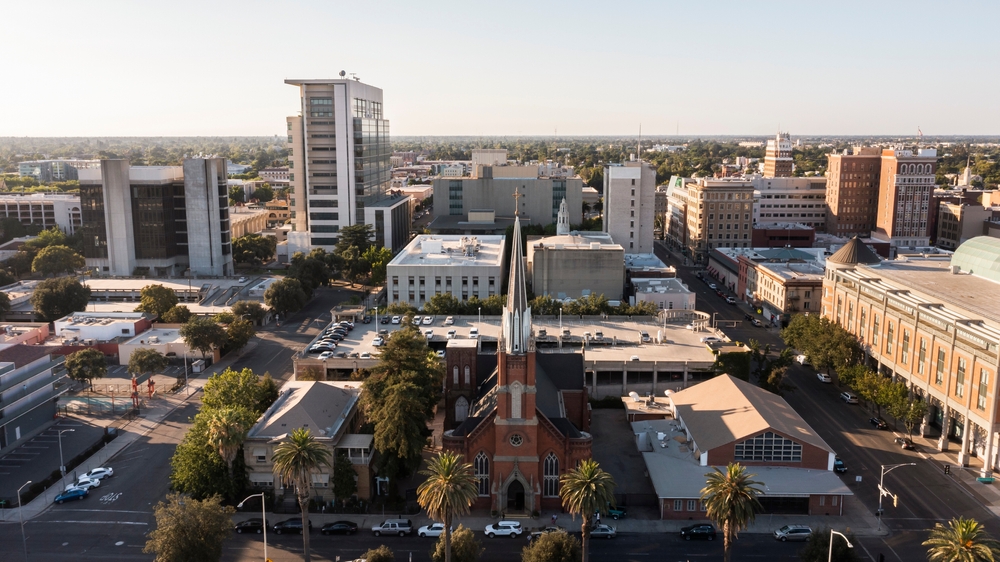
Stockton sits in the heart of the Central Valley and functions as a true “hub city” for the region. It’s big enough to have major amenities, employers, and transit options, but typically more attainable (housing-wise) than many coastal metros.
Population: 324,975 (July 1, 2024 estimate)[1]
Median Household Income: $76,851 (2019–2023)[4]
Median Home Value: ~$421,945[2]
Median Rent: ~$1,989–$1,999/month[2][3]
Average Commute: ~32.1 minutes[4]
Vibe: Working-class, diverse, commuter-oriented, practical
Cost of Living in Stockton
Housing Costs
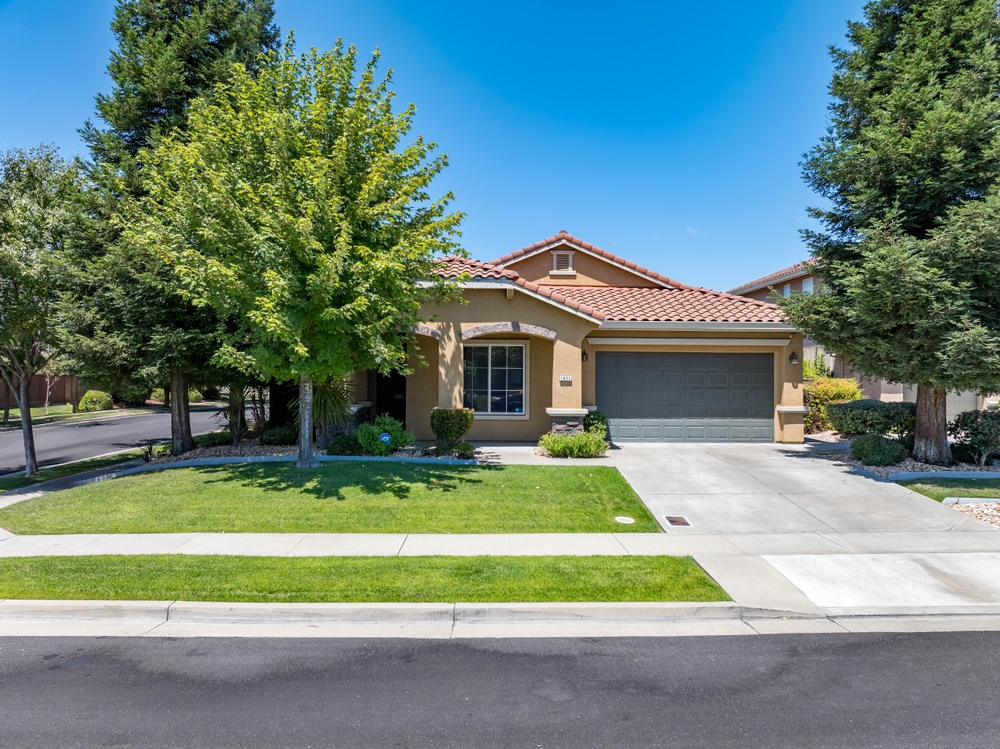
If you’re weighing Stockton because you want to own a home in California without coastal pricing, this is usually the main reason people start here.
- Buying: Typical home value sits at $421,945[2] (Zillow Home Value Index data through Dec 31, 2025), with homes going pending in ~32 days. This varies significantly by neighborhood.
- Renting: Average rent ranges from $1,989–$1,999[2][3] citywide, with studio (~$1,250), 1BR (~$1,350), 2BR (~$1,727), and 3BR (~$2,395)[3] showing wide variation by unit type and neighborhood.
You’ll see a meaningful gap between older, smaller units and newer builds, so it’s worth looking at actual listings in the neighborhoods you’d live in, not just citywide averages.
Utilities
The City of Stockton publishes current water consumption rates[8] with tiered pricing. One unit equals 748 gallons, with Tier 1 (0–15 units) at $2.78 per unit and Tier 2 (16+ units) at $3.32 per unit (effective July 1, 2025).
Stockton also publishes its sewer rate plan[9], noting that the City Council adopted a five-year sewer rate plan with increases that began Jan 1, 2025 and adjust each July 1 through July 1, 2028.
Utilities are “known unknowns“; you can’t predict your exact bill without your household size and usage habits, but Stockton makes it easy to verify official rate structures before you move.
Gas & Transportation for Living in Stockton
Gas prices remain a significant California expense. AAA’s statewide tracker[10] shows the California average at $4.210 (as of 1/14/26). Local Stockton prices will vary by station and neighborhood, but AAA provides a trustworthy baseline for budgeting.
Groceries & Everyday Costs
Stockton generally offers more “normal-person pricing” options than many coastal cities due to more competition and big-box plus local markets. However, you’re still in California, so costs often feel higher compared to many out-of-state moves.
It’s important to price-check a “standard cart” (eggs, milk, chicken, rice, produce, coffee) at two stores near where they’d live for a personal baseline.
Lifestyle & Quality of Life
Traffic & Commute
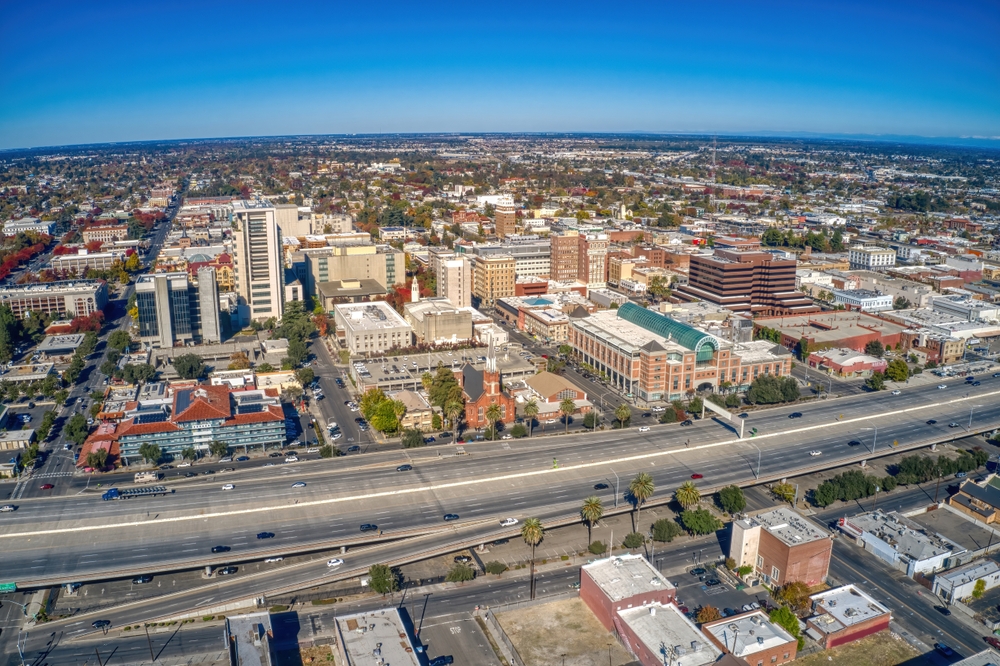
The commute in Stockton depends heavily on where you work. The Census puts Stockton’s mean travel time to work at 32.1 minutes[4]. That number includes a wide range of commute patterns (local vs Sacramento vs Bay Area), so it’s best interpreted as: Stockton is a city where commuting is common and planning matters.
Public Transit & Regional Connectivity
San Joaquin Regional Transit District (RTD)[6] is the regional provider, publishing trip planning, fare info, and rider resources. Commuter service pricing includes Route 150 (Stockton to Dublin BART) at $7.00 one-way and Route 163 (Stockton to Sacramento) at $7.00 one-way (posted Jan 14, 2025).
ACE (Altamont Corridor Express)[5] runs weekday round-trips with stops between Stockton and the San Jose area, specifically positioned to “skip the traffic.” Stockton serves as the first stop heading west, making it ideal for Bay Area commuters.
Plain-English takeaway: Stockton gives you multiple ways to “not have to drive every single day,” which can be a quality-of-life and budget win.
Neighborhoods & Areas to Know for Living in Stockton
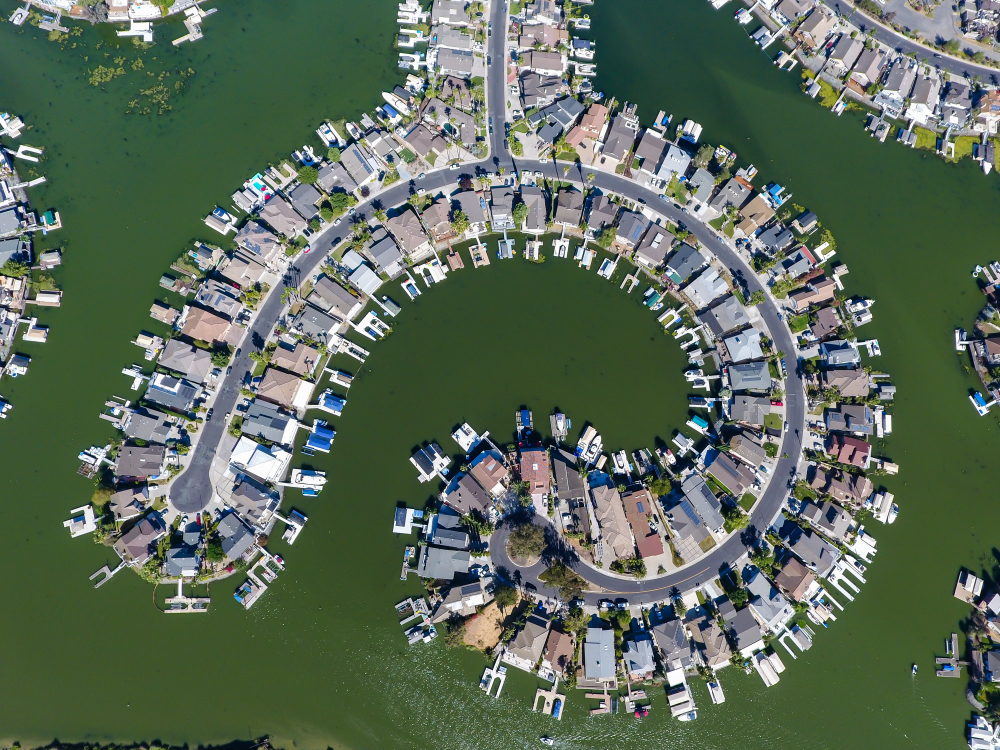
Stockton’s neighborhoods range dramatically in character, safety, and pricing, making neighborhood research essential.
Brookside
Brookside represents Stockton’s most desirable and affluent neighborhood, centered around the Brookside Country Club and offering lower crime rates, better schools, and upscale housing compared to the city average. The neighborhood sits about 3 miles from downtown Stockton, bounded by a waterway to the north, Brookside Road to the east, and the West Side Freeway to the west. The Brookside Country Club anchors the community with an 18-hole golf course, tennis and pickleball courts, resort-style pool, and on-site restaurant that creates a suburban country-club atmosphere rare in Stockton.
Home prices in Brookside typically range from $600K-$800K+, significantly above Stockton’s median but still dramatically more affordable than comparable Bay Area neighborhoods. The housing stock consists primarily of single-family homes with many four and five-bedroom properties covering 2,000+ square feet with well-maintained yards and mature landscaping. Crime rates run approximately 68% lower than the Stockton average[11], making Brookside one of the city’s safest residential areas. Several elementary schools serve the neighborhood, contributing to its family-friendly appeal.
The main trade-offs are cost. This is Stockton’s most expensive area, and a somewhat exclusive atmosphere that lacks the diversity characterizing other parts of the city. However, for families seeking good schools, safety, country club amenities, and an established community for living in Stockton, Brookside delivers the city’s most refined residential experience.
Spanos Park
Spanos Park offers family-friendly living with newer homes, highly rated schools, and a suburban atmosphere in northern Stockton. The neighborhood divides into Spanos Park East and Spanos Park West, separated by the West Side Freeway but sharing similar character and amenities. Spanos Park East features beautiful, maintained residences with access to Spanos Lake on foot, along with parks and tennis courts. Spanos Park West represents newer development with unified architecture, upper-end condos and apartments, and extensive shopping at Park West Place (Target, Kohl’s, Walmart).
Home prices typically range from $500K-$700K, depending on specific location and home size, positioning Spanos Park as more affordable than Brookside while maintaining strong schools and community amenities. The neighborhood attracts families prioritizing education. Elementary and high schools in the area rank among Stockton’s best. The surrounding agricultural fields contribute to a serene environment with lovely landscaping and immaculate views. Oak Grove Regional Park provides substantial recreation space.
The primary drawbacks are distance from downtown Stockton and central amenities, plus HOA fees in some developments. However, for families seeking modern homes, excellent schools, and safe suburban streets, Spanos Park delivers exactly that experience at prices still accessible compared to Bay Area alternatives.
Lincoln Village & Lincoln Village West
Lincoln Village and Lincoln Village West represent established suburban neighborhoods in northern Stockton offering lakeside living, good schools, and family-oriented amenities at moderate prices. Built primarily in the mid-1960s, these areas have matured into attractive residential communities with diverse housing options. Lincoln Village West sits west of Interstate 5 along Benjamin Holt Drive and Pacific Avenue, featuring Fritz Grupe Park with scenic water views of Lake Lincoln and White Slough.
Home prices typically range from $450K-$650K, positioning these neighborhoods as more accessible than Brookside or Spanos Park while maintaining solid schools and community infrastructure. The housing stock includes single-family homes, townhouses, and apartments in various architectural styles from the 1960s-1980s. Lincoln High School and St. Mary’s High School serve the area and rank among Stockton’s better educational options. The leaf-shaped lakes create distinctive geography and recreation opportunities.
These neighborhoods benefit from proximity to shopping centers, restaurants, and easy Interstate 5 access for commuting to Sacramento or the Bay Area. The main trade-offs are older housing stock requiring more maintenance than newer developments and a somewhat dated suburban character. However, for families seeking established neighborhoods, good schools, and moderate pricing, Lincoln Village areas deliver practical Stockton living with genuine community identity.
Weston Ranch
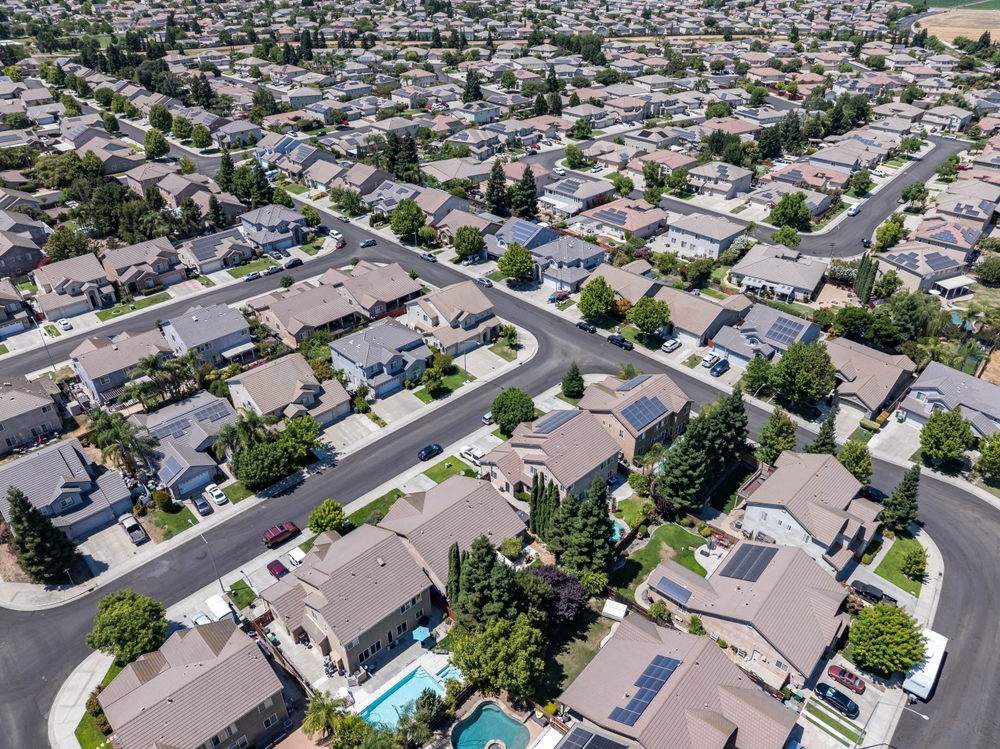
Weston Ranch offers more affordable housing options in a master-planned community located 5 miles south of downtown Stockton along the San Joaquin River. This family-friendly neighborhood attracts first-time homebuyers and young families seeking newer construction at accessible prices. The community features Paul E. Weston Park and spacious homes with Craftsman, Spanish Revival, and bungalow designs that create visual interest and variety.
Home prices in Weston Ranch typically range from $450K-$600K, below Stockton’s median and dramatically more affordable than Bay Area equivalents. The neighborhood includes single-family homes, townhouses, and apartments, providing options for different budgets and household sizes. Several parks, playgrounds, and sports facilities promote active lifestyles. Weston Ranch High School is part of the Manteca Unified School District, requiring research by families evaluating school quality.
The proximity to Interstate 5 provides convenient access to downtown Stockton and the surrounding areas for commuting. However, Weston Ranch experiences challenges common to more affordable Stockton neighborhoods: variable crime rates that require research, and some areas showing maintenance needs. For buyers prioritizing affordability and newer construction over premium locations, Weston Ranch provides a practical entry into Stockton homeownership.
Pacific / University District
The Pacific neighborhood and University District center around the University of the Pacific campus, creating a dynamic area popular with college students, young professionals, and those seeking affordable housing near downtown amenities. The university’s 6,000+ students contribute to the neighborhood’s character and economy, creating demand for apartments and affordable housing. The area sits just north of downtown Stockton, providing access to restaurants and attractions while maintaining a quieter, less touristy atmosphere than the city center.
Housing prices in Pacific remain notably affordable: three-bedroom condos with 1,300+ square feet sell for under $300K[11], while two and three-bedroom homes around 1,000 square feet list near $300K. This affordability makes Pacific one of Stockton’s most accessible neighborhoods for first-time buyers and renters. Green spaces include Oak Park (with ice rink and outdoor pool) and Victory Park (with play areas, ball fields, and city-run concerts and events).
The main trade-offs are a student-oriented atmosphere that may not suit all families, variable property maintenance, and crime rates higher than those in premium neighborhoods, but manageable with awareness. However, for buyers needing affordability, convenient downtown access, and cultural amenities from the university, Pacific delivers practical value that’s increasingly rare in California.
Living in Stockton: Schools & Education

School quality is a major decision driver, especially for families. The California School Dashboard[7] provides the district summary for Stockton Unified, including state indicators and reporting. The Dashboard also lets families drill down into individual schools, which matters more than broad city-level generalizations.
Stockton is absolutely a “school-by-school” evaluation city. Shortlist neighborhoods first, then evaluate the specific schools tied to those addresses.
Living in Stockton: Safety & Crime
This section requires care: it’s important, but it needs to be factual and actionable. The Stockton Police Department publishes statistical crime reports[12] and references UCR reporting. The City’s open data portal includes a Crime Analysis dashboard[13] (2020–2024) showing trends in key categories. There’s also a community crime mapping option[14] helping residents see incident patterns by area.
Don’t judge Stockton by one headline or one statistic. Pick 2–3 neighborhoods you can actually afford, then validate them using the city’s tools above for smart, grounded decisions.
Living in Stockton: Weather & Climate

Stockton experiences very “Central Valley” weather: warm to hot summers, cooler winters, and seasonal fog patterns typical of the region. Summers are hot and dry with temperatures frequently exceeding 90°F and regularly pushing past 100°F from June through September. The inland location means no coastal fog to moderate temperatures, no ocean breezes to provide relief; just relentless Central Valley heat that makes air conditioning necessary and drives electricity costs significantly higher.
Winters provide welcome relief from summer’s intensity, with mild daytime temperatures typically in the 50s and 60s and cool nights occasionally dipping near freezing. Tule fog—dense ground fog that forms in the Central Valley—can create hazardous driving conditions and reduce visibility to near-zero during winter months. The region receives minimal rainfall concentrated between November and March, with dry conditions dominating the rest of the year.
Spring and fall offer Stockton’s most pleasant weather, with comfortable temperatures in the 70s and 80s ideal for outdoor activities. You’ll generally get more temperature extremes here than in coastal California, so A/C planning matters more. The National Weather Service provides location-specific forecasts for Stockton[15], which are useful for understanding weekly conditions. For those who love sunshine and hate fog, who can tolerate extreme summer heat, Stockton’s climate delivers predictable weather. For those accustomed to coastal California’s mild, moderated temperatures, the summer heat and winter fog represent significant lifestyle adjustments.
Work, Economy & Practical Living
Job Market & Major Employers
Stockton’s economy benefits from diverse sectors, including healthcare, education, logistics, and port operations. Major local employers provide jobs, though many residents commute to Bay Area or Sacramento positions. The region has seen development and job growth reflecting increasing relocation interest.
Healthcare Access
Stockton has a growing medical infrastructure with multiple hospitals, specialty clinics, and access to broader Northern California healthcare networks. Healthcare availability is considered adequate for most residents.
Taxes & California Realities
Sales tax varies by city and is easy to verify. The California Department of Tax and Fee Administration (CDTFA)[16] publishes official rates effective January 1, 2026, listing the City of Stockton at 9.00%. Sales tax hits daily life as well (restaurants, shopping, services), making it relevant for every relocation budget.
Lifestyle Perks of Living in Stockton
Outdoor Recreation & Things to Do
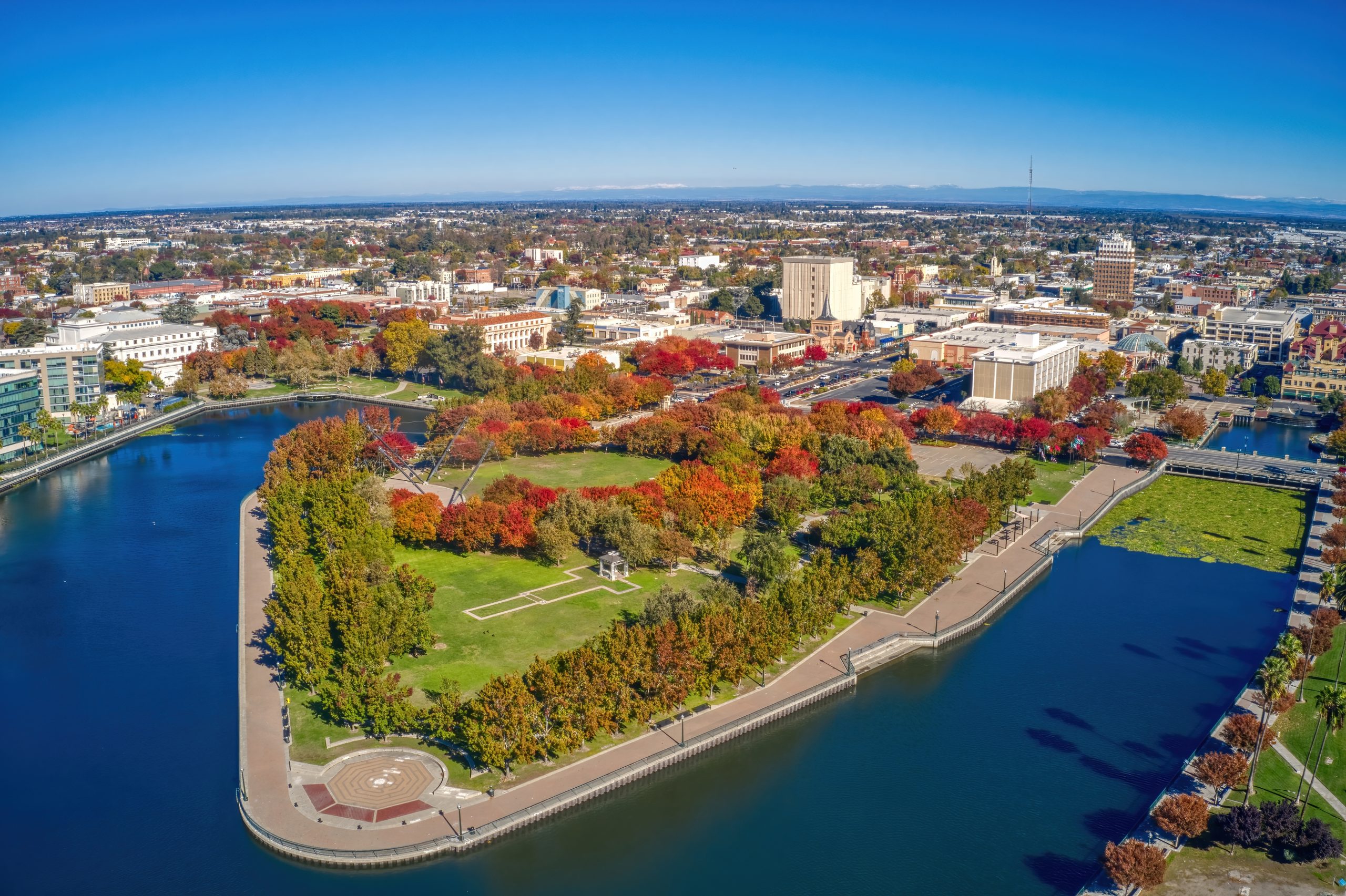
Stockton offers access to parks, waterfront areas, and regional recreation opportunities that provide outdoor options despite its Central Valley location. The San Joaquin River runs through the city, creating waterfront areas and boating access. Local parks scattered throughout neighborhoods provide playgrounds, sports fields, and green space for community activities. The Delta waterways offer unique recreation like houseboating, fishing, and kayaking, that draw residents to explore the region’s distinctive geography.
Stockton’s positioning provides weekend access to diverse California destinations. Sacramento sits 50 miles north, the Bay Area lies an hour west, and the Sierra Nevada foothills begin an hour east. Lake Tahoe, Yosemite, and San Francisco all sit within reasonable weekend-trip distances. The city hosts community events, sports leagues, and local festivals throughout the year. While Stockton lacks the cultural depth of larger metros, it provides functional recreation and regional access that serves families and outdoor enthusiasts adequately.
Dining, Culture & Entertainment
Stockton isn’t trying to be a coastal lifestyle city, and that’s fine for residents seeking value over sophistication. The dining scene includes local favorites, diverse ethnic cuisines reflecting the city’s demographics, and chain restaurants serving everyday needs. Downtown Stockton features the Bob Hope Theatre, which hosts cultural events and performances. The Haggin Museum showcases local history and art. The Children’s Museum and Pixie Woods provide family entertainment.
The University of the Pacific contributes arts, music, and cultural programming that elevates offerings beyond typical Central Valley options. The Adventist Health Arena hosts sporting events and concerts. The waterfront includes Weber Point Events Center for community gatherings. The city’s working, living, commuting rhythm creates a practical daily life rather than destination appeal. For residents whose priorities center on affordability, space, and regional access rather than cutting-edge culture, Stockton’s lifestyle offerings prove adequate and continue improving as the city grows.
Who Stockton Is Best For (—And Not For)
Best for:
- Buyers who want a more attainable path to homeownership in California
- Commuters who want options like ACE or regional commuter buses
- Families willing to do neighborhood and school-by-school research
- Bay Area workers seeking housing affordability
Less ideal for:
- People who want coastal weather and walkable, beach-town life
- Anyone unwilling to do neighborhood-level safety and school due diligence
- Those who need cultural sophistication and dining diversity
Final Thoughts: Is Living in Stockton Right for You?
Stockton can be a strong choice if your priorities are space, value, and regional access, and if you approach the move like a planner rather than hoping everything works out. This isn’t the California dream of beaches and perfect weather, but it’s the California reality for thousands of families who’ve made the calculation that homeownership and financial stability matter more than location prestige. The question isn’t whether Stockton is objectively “good” or “bad”; it’s whether the city’s particular tradeoffs align with your current priorities, life stage, and financial situation.
The case for Stockton is grounded in financial pragmatism and Bay Area connectivity. Housing affordability provides genuine paths to homeownership: a $422K house[2] buys actual space and yards rather than endless renting or crushing mortgages. The ACE commuter rail[5] and RTD buses[6] create legitimate transit options for Bay Area employment, transforming Stockton from isolated Central Valley city into practical bedroom community. The median household income of $76,851[4] stretches considerably further here than in San Francisco or San Jose, where similar salaries barely cover rent. The positioning provides weekend access to Bay Area culture, Sacramento amenities, Sierra recreation, and Delta waterways without paying premium prices for daily living.
However, living in Stockton demands clear-eyed acknowledgment of its challenges and your capacity to navigate them. Crime varies dramatically by neighborhood, and citywide statistics mask the difference between safe Brookside and higher-crime areas requiring extensive research and realistic expectations. Schools vary widely in quality across Stockton Unified[7], pushing families toward careful evaluation or private options that add costs. The summer heat is genuinely oppressive, affecting daily activities and utility costs. The city’s reputation carries stigma among some Bay Area professionals that affects quality of life and social dynamics. Some neighborhoods show economic stress through maintenance issues, limited services, and infrastructure challenges.
If you do three things, you’ll be ahead of most newcomers living in California: validate housing and rent baselines using Zillow and your target neighborhoods, use official city tools for utilities and crime trends, and run your commute realistically, including transit options like RTD/ACE. Stockton rewards strategic planning; choosing neighborhoods based on schools and safety data rather than price alone, understanding that commuting is part of the equation, and accepting that California living at achievable prices requires compromises on location and amenities. For the right person or family, like those prioritizing homeownership over renting, financial health over coastal prestige, and space over sophistication, Stockton isn’t settling. It’s choosing California possibility over California fantasy, and that choice increasingly makes sense in a state where coastal housing has become genuinely unattainable for most working families.
Sources
- U.S. Census Bureau. (2024). Stockton, California Population Estimate. https://www.census.gov/quickfacts/stocktoncitycalifornia
- Zillow. (2025). Stockton CA Home Prices & Home Values. https://www.zillow.com/home-values/20389/stockton-ca/
- Zillow Rental Manager. (2025). Average Rental Price in Stockton, CA. https://www.zillow.com/rental-manager/market-trends/stockton-ca/
- U.S. Census Bureau. (2023). Stockton, CA. Data USA. https://datausa.io/profile/geo/stockton-ca
- ACE (Altamont Corridor Express). (2025). Stockton ACE Station. https://www.acerail.com/stations/stockton-ace
- San Joaquin Regional Transit District. (2025). Commuter Service and Fares. https://www.sanjoaquinrtd.com/
- California School Dashboard. (2024). Stockton Unified School District. https://www.caschooldashboard.org/reports/39686780000000/2024
- City of Stockton. (2025). Water Rates. https://www.stocktonca.gov/government/departments/municipal-utilities/water-rates
- City of Stockton. (2025). Sewer Rates. https://www.stocktonca.gov/government/departments/municipal-utilities/sewer-rates
- AAA. (2026). California Gas Prices. https://gasprices.aaa.com/
- Southbay Moving Systems. (2024). 7 Stockton Neighborhoods You’ll Love. https://sbmoving.com/neighborhoods-in-stockton/
- Stockton Police Department. (2024). Statistical Crime Reports. https://www.stocktonca.gov/government/departments/police
- City of Stockton. (2024). Crime Analysis Dashboard (2020–2024). https://www.stocktonca.gov/government/open-data
- Stockton Crime Mapping. (2025). Community Crime Map. https://www.stocktonca.gov/government/departments/police/crime-mapping
- National Weather Service. (2025). Stockton, CA Weather Forecast. https://forecast.weather.gov/MapClick.php?lat=37.9577&lon=-121.2908
- California Department of Tax and Fee Administration. (2026). City and County Sales and Use Tax Rates. https://www.cdtfa.ca.gov/taxes-and-fees/rates.aspx
Disclaimer
This article has been thoroughly researched and is intended to provide general information and insights related to real estate and utility management. It is for informational and entertainment purposes only and should not be considered professional, financial, or legal advice. Individual circumstances vary, and readers are encouraged to consult with a qualified professional before making decisions regarding home purchases, utility management, or other financial matters.