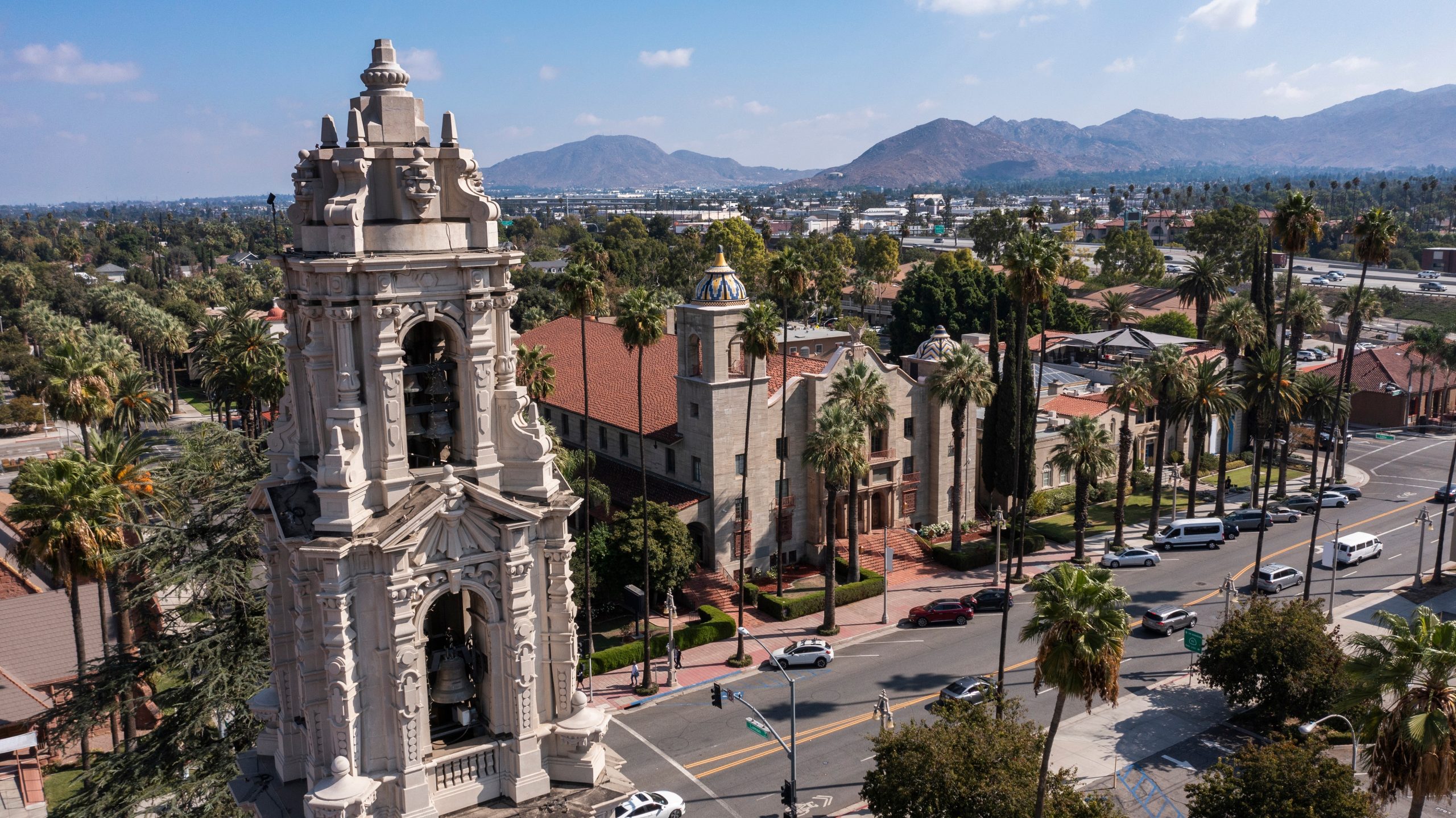
Riverside operates as Southern California’s pragmatic alternative: a city where Inland Empire affordability meets reasonable proximity to coastal job markets, where the University of California maintains a research campus, and where historic architecture coexists with modern suburban development.
This isn’t the beach-city dream or the master-planned perfection some associate with living in California, but something more grounded: a city of 319,000[1][2] where median home prices around $652K[3][4][5] provide breathing room compared to Los Angeles’s $1.3M median, where rent averages $1,854-$2,536[6][7][8][9] rather than $3,000+, and where the 26-minute average commute[10] doesn’t devour two hours daily. On those fronts, living in Riverside has its perks.
The financial argument for Riverside is straightforward and substantial. Housing costs run about 31% above the national average[6], which is expensive by most American standards, but dramatically more accessible than coastal Southern California. A $650K house in Riverside buys actual space, a yard, and potentially good schools, while the same money in Los Angeles or Orange County barely covers a condo or fixer-upper. For families watching coastal rents consume 40-50% of income, Riverside’s lower housing costs create financial flexibility that compounds over time: money available for savings, retirement, children’s education, or simply not living paycheck-to-paycheck.
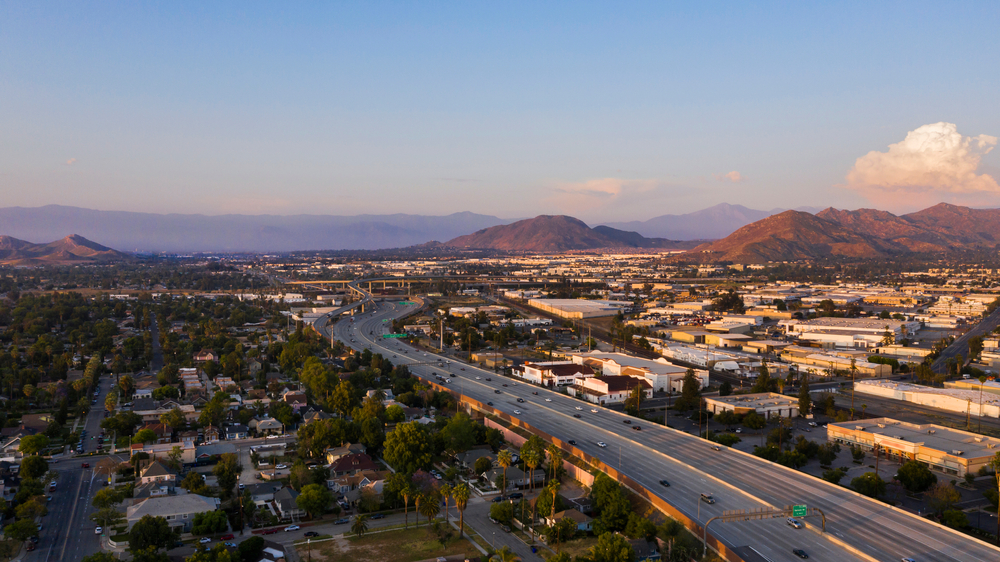
But living in Riverside offers more than just affordable housing. It provides legitimate access to Southern California’s broader opportunities. The city sits strategically positioned with freeway connections (I-215, SR-60, I-10) linking to Los Angeles, Orange County, and San Bernardino employment centers. Metrolink commuter rail connects to LA’s Union Station and other regional hubs. The University of California, Riverside (UCR) anchors the local economy and culture, providing research, employment, and intellectual capital that elevates the city beyond typical suburban sprawl. The historic Mission Inn, downtown arts districts, and growing food scene create cultural amenities unexpected in an Inland Empire city.
Yet Riverside demands honest acknowledgment of its limitations and challenges. The summer heat is genuinely oppressive: temperatures regularly exceed 100°F for extended periods, affecting daily life and utility costs. The city lacks ocean breezes, coastal fog, or any moderating influence from the Pacific, resulting in climate conditions that surprise and exhaust newcomers from coastal California.
Crime rates in some neighborhoods require careful research and realistic expectations about safety, too. Meanwhile, schools vary significantly in quality district-wide, pushing families toward extensive vetting or private options. The Inland Empire stigma—fair or not—affects how some coastal Californians perceive the region.
This guide will walk you through everything you need to know to determine whether Riverside’s affordability, location, and opportunities outweigh its very real tradeoffs, and whether this Inland Empire city aligns with your priorities, budget, and vision for Southern California living.
Quick Snapshot
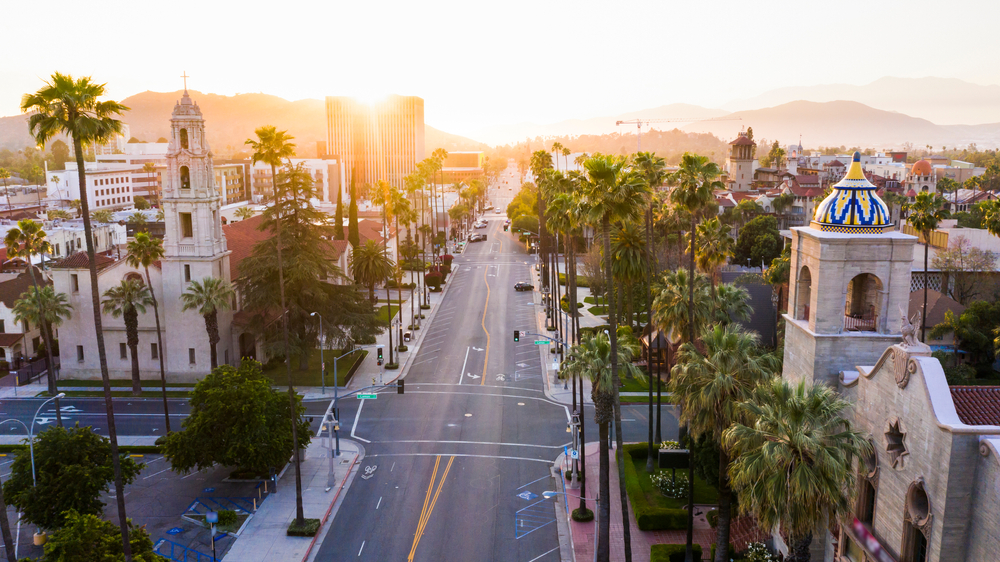
Riverside, California, is a major city in the Inland Empire and serves as the county seat of Riverside County. It’s known for more affordable housing compared with coastal California markets, a thriving population, and access to inland jobs, education, and outdoor spaces, all while still being within driving distance of Southern California’s major job hubs.
Population: ~316,000–319,000 residents[1][2][11]
Median Age: ~33.1 years[11]
Median Household Income: ~$88,575–$113,485[1][11]
Median Home Value: ~$609,000–$672,000[3][4][5]
Median Rent: ~$1,854–$2,536/month[6][7][8][9]
Average Commute: ~26 minutes[10]
Vibe: Suburban-urban mix with diverse communities and growing young professional and family populations
Cost of Living in Riverside
Housing Costs
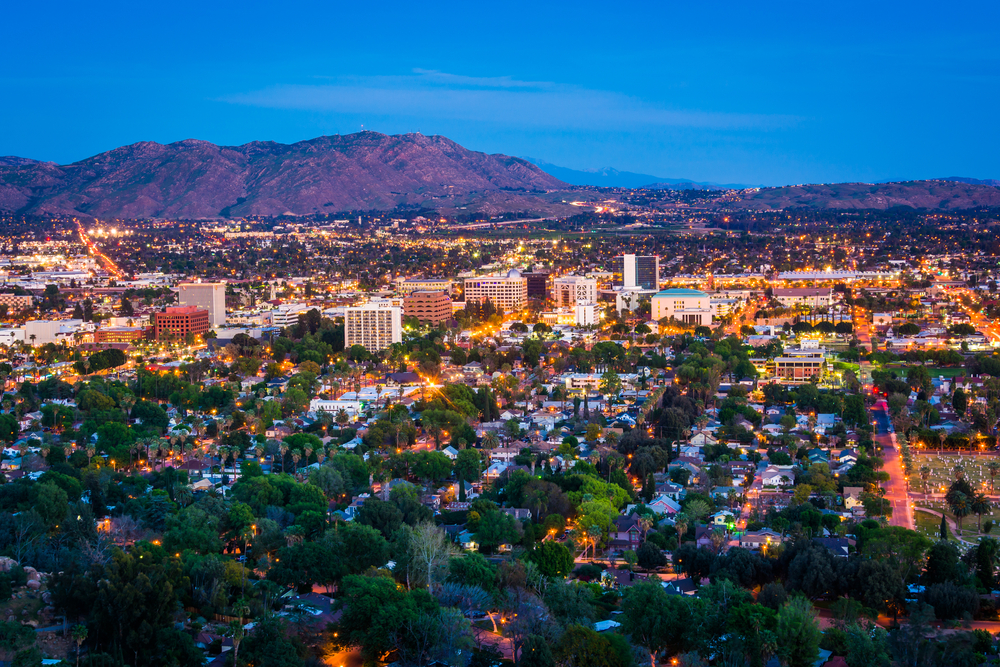
Riverside’s housing market is one of its strongest relocation selling points for people moving to California, especially relative to coastal regions of the state.
- Buying: Median home values range from $609K–$672K[3][4][5] depending on data source and timing, making Riverside significantly more affordable than LA or Orange County.
- Renting: Average rents fall between $1,854–$2,536/month[6][7][8][9] across unit types, with variations by neighborhood and bedroom count.
- Context: Housing costs about 31% above the national average[6] but tens of thousands less than coastal Southern California.
Utilities
Energy and utilities in Riverside tend to run slightly above the national average, reflecting California’s higher utility pricing overall. Hot summers drive significant air-conditioning usage, increasing electricity costs during peak months. Overall utility expenses remain moderate relative to housing savings compared with coastal areas.
Living in Riverside: Gas & Transportation
Transportation costs are above the national averages due to California fuel and maintenance pricing. Commutes average about 26 minutes[10], lower than many coastal metro commutes. Riverside is car-oriented, with public transit (Riverside Transit Agency and Metrolink) present but not as widely used as car travel.
Groceries & Everyday Costs
Groceries and consumer goods in Riverside run around 15-16% higher than the U.S. average[6], driven by California pricing. Daily expenses and essentials hover above the national averages but remain significantly more affordable than coastal California cities.
Lifestyle & Quality of Life
Traffic & Commute
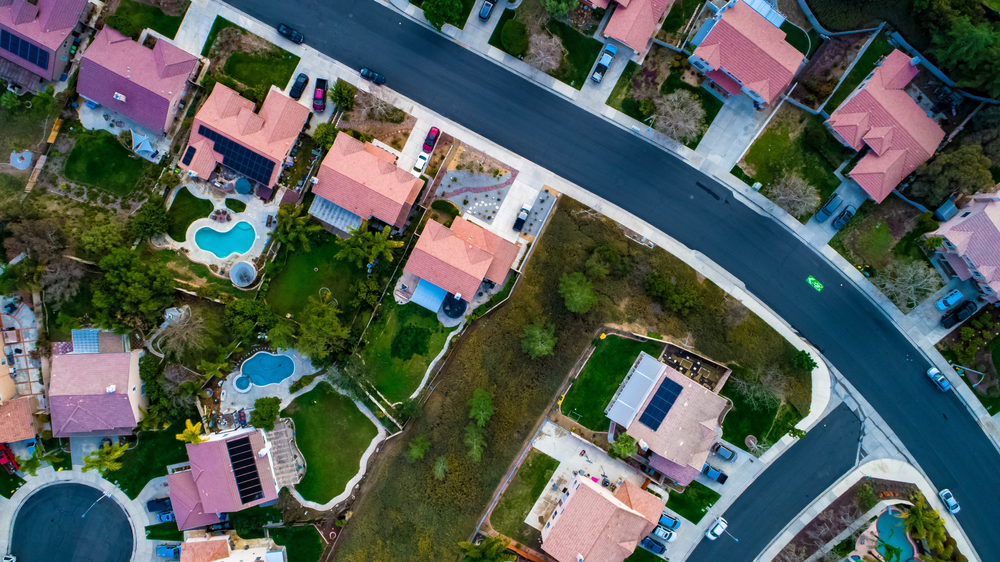
Riverside traffic patterns are typical of a growing inland metro. Average commute times sit around 26 minutes[10], a practical balance of urban access and less congestion than coastal freeways. Major freeway access includes I-215, SR-60, and I-10, connecting Riverside to San Bernardino, Los Angeles, and Orange County. Public transit exists through Metrolink commuter rail and RTA bus service, but most residents drive to work.
Living in Riverside: Neighborhoods & Areas to Know
Riverside’s neighborhoods range from family-oriented suburbs to areas near universities and historic districts.
Canyon Crest
Canyon Crest represents Riverside’s family-friendly appeal, offering proximity to UCR, well-regarded schools, and a strong community atmosphere at prices well below coastal markets. The neighborhood sits in northeastern Riverside, adjacent to the university campus, creating a mix of families, professors, and professionals who value education and relative tranquility. The housing stock consists primarily of single-family homes built from the 1960s through 1990s, featuring ranch-style and two-story designs on established lots with mature landscaping.
Home prices in Canyon Crest typically range from $550K-$750K, positioning it as more affordable than coastal equivalents while maintaining strong schools and neighborhood quality. The area attracts families prioritizing education, UCR employees seeking convenient commutes, and professionals working in the Inland Empire or commuting to Orange County. The proximity to UC Riverside provides cultural benefits like lectures, performances, and athletic events that elevate the area beyond typical suburban offerings. Box Springs Mountain Reserve offers hiking trails and open space directly adjacent to the neighborhood.
The main trade-offs are distance from downtown amenities and a somewhat insular suburban character that lacks urban walkability. However, for families seeking good schools, safety, and proximity to a major university at accessible prices, Canyon Crest delivers Riverside’s most education-focused residential experience.
Orangecrest
Orangecrest offers newer development, strong schools, and family-oriented community amenities in southeastern Riverside. This master-planned community developed primarily from the 1990s forward, creating neighborhoods of contemporary homes with modern floor plans, attached garages, and homeowners association amenities. The area attracts young families, first-time buyers, and professionals seeking newer construction and established community infrastructure.
Home prices in Orangecrest typically range from $600K-$800K, reflecting the desirability of newer homes and strong schools. The community features multiple parks, sports fields, community centers, and well-maintained common areas that create a suburban atmosphere popular with families. Schools in Orangecrest generally rank among Riverside’s better options, contributing significantly to the area’s appeal and property values. The neighborhood’s layout prioritizes safety and walkability within the community, with wide sidewalks and separated bike paths.
The primary drawbacks are HOA fees, distance from downtown Riverside and major employment centers, and a somewhat homogeneous suburban character. The newer development means limited mature trees and a landscape that can feel manufactured compared to older neighborhoods. However, for families prioritizing modern homes, good schools, and safe streets, Orangecrest provides exactly that suburban experience at prices still accessible compared to coastal alternatives.
Ramona
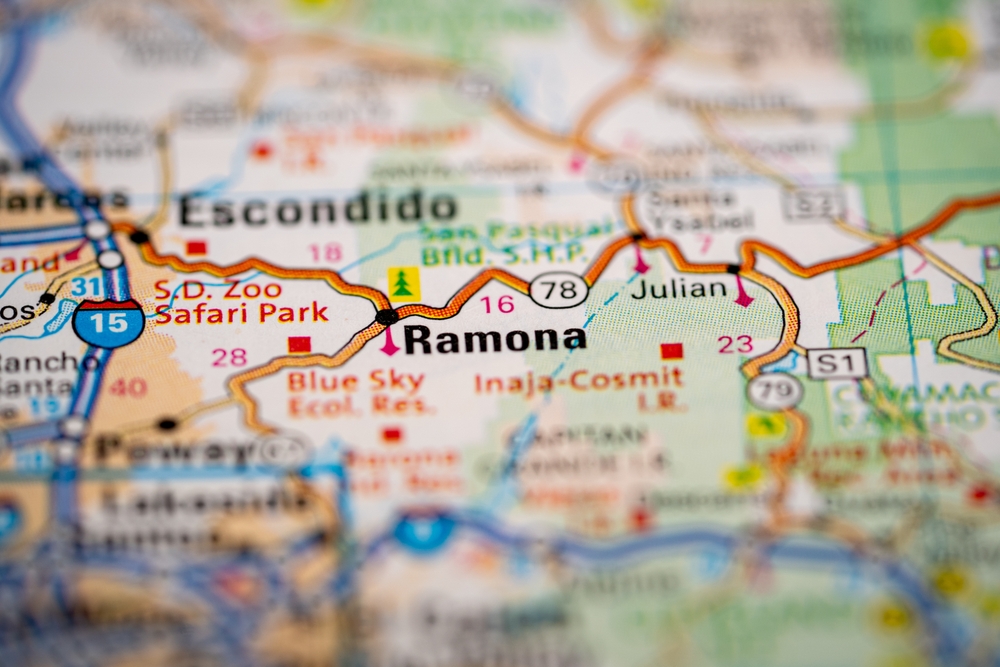
Ramona offers more affordable housing options with a convenient central location in Riverside. This neighborhood features older, more modest homes—many built from the 1940s through 1970s—on established lots that provide entry points into Riverside homeownership at lower price ranges. The area attracts working-class families, first-time buyers, and residents prioritizing location and affordability over newer construction or prestige neighborhoods.
Home prices in Ramona typically range from $450K-$600K, significantly below Riverside’s median and dramatically more accessible than coastal cities. The central location provides easy freeway access and proximity to downtown Riverside, shopping centers, and employment areas. The neighborhood’s working-class character and diverse demographics create a grounded atmosphere distinct from more affluent areas. However, Ramona experiences challenges common to older, more affordable neighborhoods: variable property maintenance, higher crime rates than suburban areas, and schools that require careful research.
For buyers operating on tighter budgets who need Riverside access and homeownership over perfect conditions, Ramona provides practical entry points. The area rewards those who can see potential rather than just current conditions, who value location and community over aesthetic perfection.
Alessandro Heights & Magnolia Center
Alessandro Heights and Magnolia Center represent Riverside’s mid-range neighborhoods offering varied housing types and price points that bridge the gap between budget areas and premium suburbs. These adjacent neighborhoods in eastern Riverside feature a mix of housing from different eras—post-war ranch homes, 1970s-1980s tract housing, and some newer development—creating diversity in both architecture and pricing. The areas attract diverse residents seeking moderate pricing, a reasonable location, and established infrastructure.
Home prices typically range from $500K-$700K depending on specific location, size, and condition, positioning these neighborhoods as accessible for middle-class buyers while maintaining more amenities than budget areas. Alessandro Heights sits closer to major parks and schools, while Magnolia Center offers convenient shopping and freeway access. Both areas benefit from established community identity and mature landscaping that newer developments lack. Schools vary in quality, requiring research by families, and crime rates sit in the middle ranges: neither the safest nor most challenging areas of Riverside.
These neighborhoods work well for buyers seeking solid value, diverse housing options, and a central location without premium pricing. They offer practical Riverside living for families and professionals who prioritize balanced budgets and reasonable access over perfection in any single category.
Living in Riverside: Schools & Education

Riverside is served by several school districts and higher-education institutions. Riverside Unified School District covers the city’s public schools, with performance varying by campus. University of California, Riverside (UCR)[12] is a major research university within the city—a significant economic and cultural anchor. Private and charter school options are available in many neighborhoods. Parents should review individual school performance through official state dashboards when planning a move.
Living in Riverside: Safety & Crime
Public safety data shows a nuanced context in Riverside. Crime statistics indicate that overall crime rates are higher than national averages in some categories. Property and violent crime rates vary widely by neighborhood, and many residential areas have lower incident rates than the city average. Rather than relying solely on citywide crime numbers, evaluating crime trends block by block using official police or FBI crime data is recommended when choosing where to live.
Living in Riverside: Weather & Climate
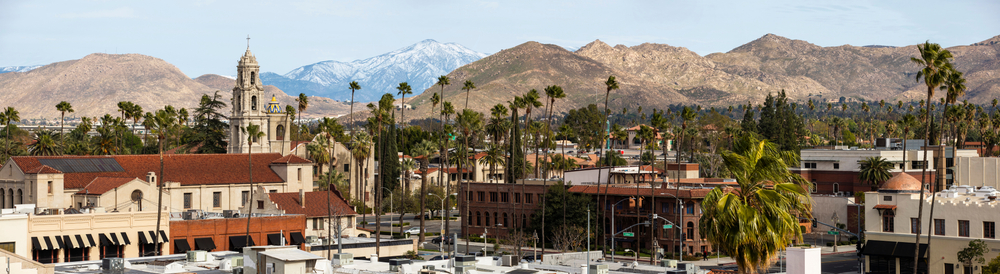
Riverside experiences a hot-summer Mediterranean climate typical of inland Southern California that represents one of the biggest lifestyle adjustments for newcomers from coastal areas. Summers are intensely hot and dry, with temperatures frequently exceeding 90°F and regularly pushing past 100°F from June through September. The inland location means no coastal fog to moderate temperatures and no ocean breezes to provide relief: just relentless sunshine and heat that makes air conditioning a necessity and drives electricity costs significantly higher than coastal cities.
Winters provide welcome relief from summer’s intensity, with mild daytime temperatures typically in the 60s and occasional cool nights that may dip near freezing. The region receives limited rainfall concentrated between November and March, with dry conditions dominating the rest of the year. Spring and fall offer Riverside’s most pleasant weather, with comfortable temperatures in the 70s and 80s ideal for outdoor activities before or after summer heat returns.
This climate supports year-round outdoor recreation during cooler months but transforms summer into an indoor season requiring constant air conditioning. The lack of humidity means even hot days feel somewhat less oppressive than similar temperatures in humid climates. For those who love consistent sunshine, hate fog and cold, and can tolerate extreme summer heat, Riverside’s climate delivers predictable weather. For those accustomed to coastal California’s mild, moderated temperatures, the summer heat represents a profound adjustment that affects daily activities, utility costs, and overall quality of life for a substantial portion of the year.
Work, Economy & Practical Living
Job Market & Major Employers
Riverside’s economy benefits from diverse sectors. Major employers include healthcare and education (Kaiser Permanente, UCR[12]), logistics and distribution (central Inland Empire access), professional services, and local government. The region has also seen growing development and job growth in recent years, reflecting increasing relocation interest and economic activity. Proximity to job markets in Los Angeles and Orange County expands employment options for residents willing to commute.
Healthcare Access
Riverside has a growing medical infrastructure with multiple hospitals, specialty clinics, and easy access to broader Southern California healthcare networks. Healthcare availability is considered solid and reliable for most residents.
Taxes & California Realities
As with all of California, residents pay state income tax, sales taxes above the national average, and property taxes moderated by Proposition 13 but influenced by increasing home values. These general tax realities are important parts of any relocation budgeting.
Lifestyle Perks of Living in Riverside

Outdoor Recreation & Things to Do
Riverside offers access to parks, greenbelts, and local trails that provide recreation opportunities within city limits. Box Springs Mountain Reserve, Mount Rubidoux Park, and the Santa Ana River Trail offer hiking, cycling, and outdoor activities without leaving the area. The city’s location provides weekend access to mountains, deserts, and other outdoor destinations: Big Bear, Joshua Tree, and the San Gabriel Mountains all sit within reasonable drives.
The Inland Empire’s positioning means residents can access Southern California’s diverse geography for weekend adventures while maintaining lower housing costs than destination areas. Lake Perris offers water sports and camping nearby. The San Bernardino National Forest provides mountain recreation. For those who value weekend outdoor access over daily beach proximity, Riverside’s location delivers practical value.
Living in Riverside: Dining, Culture & Entertainment
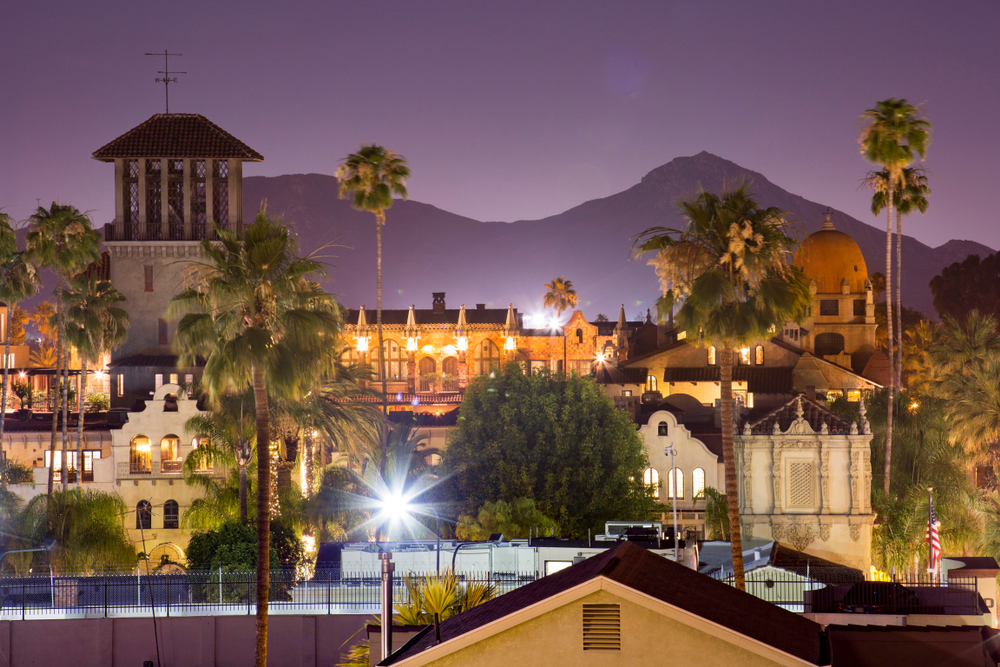
Riverside has developed a growing food scene with local favorites and diverse cuisines reflecting the city’s demographics. Downtown Riverside features the historic Mission Inn: a National Historic Landmark hotel that anchors the area’s cultural identity and draws visitors for dining, events, and architectural tours. The downtown district includes restaurants, breweries, galleries, and performance spaces that create a genuine urban character rare in Inland Empire cities.
The UCR campus contributes arts, music, and community events that elevate cultural offerings beyond typical suburban fare. The California Museum of Photography, Riverside Art Museum, and various theaters provide entertainment options. The city hosts community events, festivals, and farmers markets throughout the year. While Riverside doesn’t match coastal cities’ cultural depth or dining sophistication, it provides legitimate amenities that exceed expectations for an Inland Empire location. For residents whose entertainment priorities center on outdoor recreation and family activities rather than cutting-edge urban culture, Riverside’s offerings prove adequate and continue improving.
Who Riverside Is Best For (—And Not For)
Best for:
- Buyers seeking more affordable housing than coastal California
- Families and professionals who want room for growth
- People who want access to inland job markets
- Those who want a climate with hot summers and mild winters
Less suited for:
- People who prioritize coastal weather and beach access
- Those who want an urban walkable core similar to San Francisco or LA
- Residents seeking the lowest possible crime statistics
Final Thoughts: Is Living in Riverside Right for You?
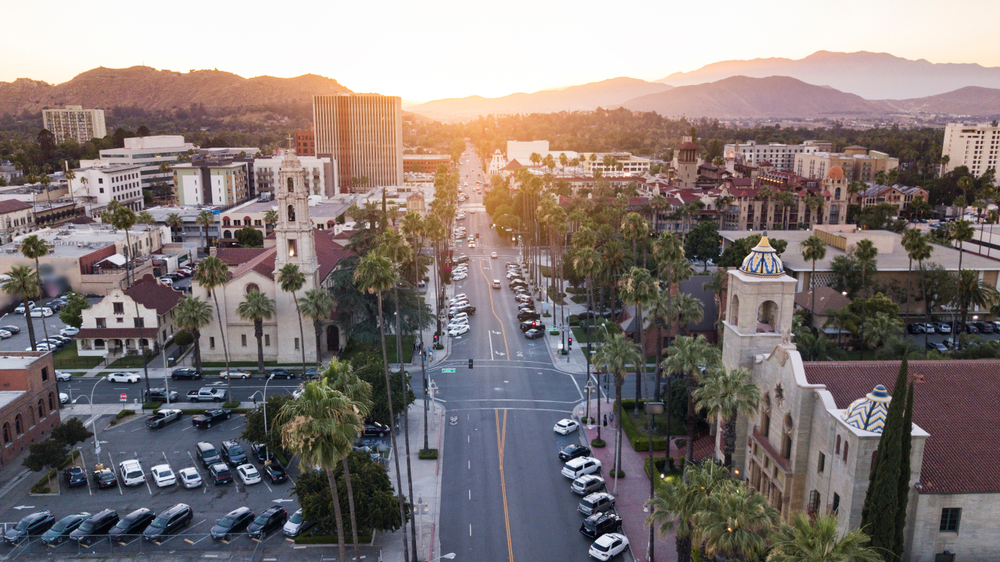
Riverside stands out as a practical relocation choice within California, offering more affordable housing, moderate commutes, and a growing community. It’s not a coastal paradise, but it’s a city with space, opportunity, and access to Southern California’s broader economic network without the financial devastation of coastal housing markets. The question isn’t whether Riverside is objectively “good” or “bad”—it’s whether the city’s particular value proposition aligns with your current priorities, life stage, and financial situation.
The case for Riverside is substantial and grounded in financial reality. Housing affordability creates genuine paths to homeownership and equity building that remain impossible in coastal metros. A $650K house buys actual space, yards, and potentially good schools rather than a condo or endless renting. The median household income of $88,575-$113,485[1][11] stretches considerably further here than in LA or Orange County.
The 26-minute average commute[10] beats most Southern California metros, preserving time for family and life rather than traffic, and the presence of UCR elevates the city intellectually and culturally beyond typical suburban sprawl. The location provides access to coastal job markets, beaches, mountains, and deserts without requiring you to pay coastal premium prices daily.
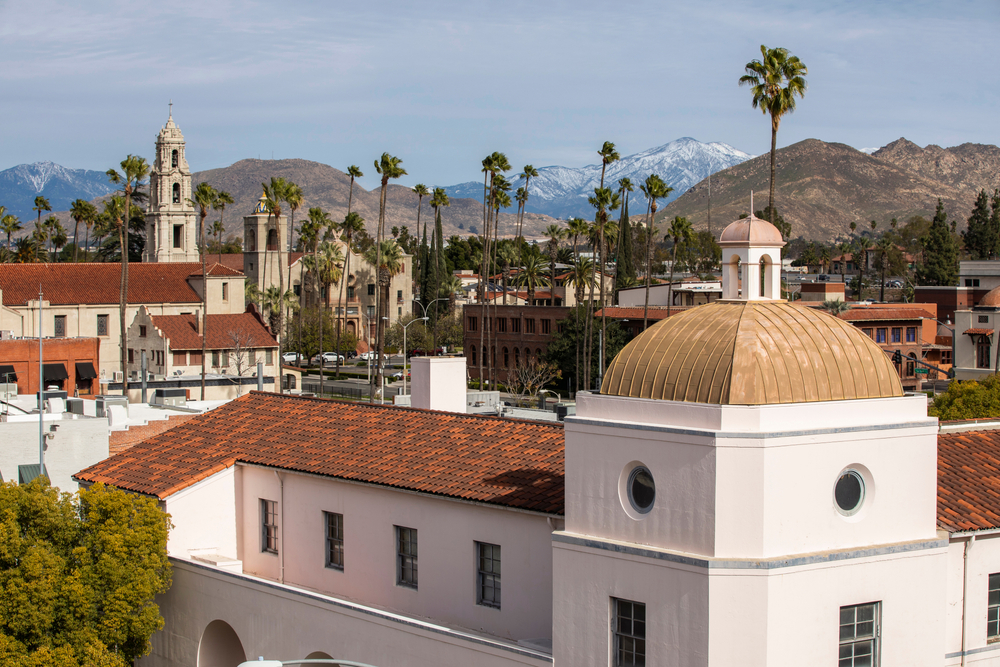
However, Riverside demands clear-eyed acknowledgment of its challenges and your capacity to tolerate them. The summer heat is genuinely oppressive; not just warm, but relentlessly hot in ways that affect daily activities, utility costs, and quality of life for months. Crime varies significantly by neighborhood, requiring careful research that many buyers find exhausting.
Schools vary widely in quality, too, pushing families toward extensive vetting or private options. Additionally, the Inland Empire carries a stigma among some coastal Californians, fair or not. The city lacks the walkability, cultural depth, and aesthetic polish of more celebrated California cities. Some neighborhoods struggle with maintenance, services, and infrastructure that show the strain of growth.
The fundamental question is what you prioritize and what you can accept. If homeownership matters more than beach proximity when living in California, if financial stability outweighs cultural sophistication, if you value space and opportunity over coastal prestige, Riverside makes rational sense. If you’re raising a family and need yards and good schools at achievable prices, if you work in the Inland Empire or can manage coastal commutes, if you can tolerate heat and urban challenges in exchange for building wealth, Riverside delivers genuine value.
But if you need coastal weather and beach culture, if crime concerns overwhelm practical benefits, if the Inland Empire stigma affects your identity or happiness, no amount of affordability compensates for what Riverside lacks. Riverside rewards those who approach it strategically: choosing neighborhoods based on commute and schools, validating crime data rather than assumptions, budgeting transportation honestly, and understanding that Southern California living doesn’t require coastal addresses to be worthwhile.
For the right person or family, living in Riverside isn’t settling; it’s choosing financial health and space over location prestige, and that choice increasingly makes sense in a state where coastal housing has become genuinely unattainable for most Californians.
Sources
- City of Riverside Economic Development. (2024). Data Dashboard. https://riversideca.gov/cedd/economic-development/data-reports/data-dashboard
- City of Riverside Mayor’s Office. Data Dashboard. https://riversideca.gov/mayor/our-work/data-dashboard
- Zillow. (2025). Riverside, CA Housing Market. https://www.zillow.com/home-values/47401/riverside-ca/
- Redfin. (2025). Riverside Housing Market. https://www.redfin.com/city/15935/CA/Riverside/housing-market
- Movoto. (2025). Riverside, CA Market Trends. https://www.movoto.com/riverside-ca/market-trends/
- Apartments.com. (2025). Average Rent in Riverside, CA. https://www.apartments.com/rent-market-trends/riverside-ca/
- Steadily. (2025). What’s The Average Rent In Riverside, CA. https://www.steadily.com/blog/average-rent-riverside
- RentCafe. (2025). Average Rent in Riverside, CA: 2025 Rent Prices by Neighborhood. https://www.rentcafe.com/average-rent-market-trends/us/ca/riverside/
- Zillow Rental Manager. (2023). Average Rental Price in Riverside, CA. https://www.zillow.com/rental-manager/market-trends/riverside-ca/
- Census Reporter. (2023). Riverside, CA Profile. http://censusreporter.org/profiles/16000US0662000-riverside-ca/
- U.S. Census Bureau. (2023). Riverside, CA. Data USA. https://datausa.io/profile/geo/riverside-ca/
- University of California, Riverside. (2025). About UCR. https://www.ucr.edu/
Disclaimer
This article has been thoroughly researched and is intended to provide general information and insights related to real estate and utility management. It is for informational and entertainment purposes only and should not be considered professional, financial, or legal advice. Individual circumstances vary, and readers are encouraged to consult with a qualified professional before making decisions regarding home purchases, utility management, or other financial matters.